
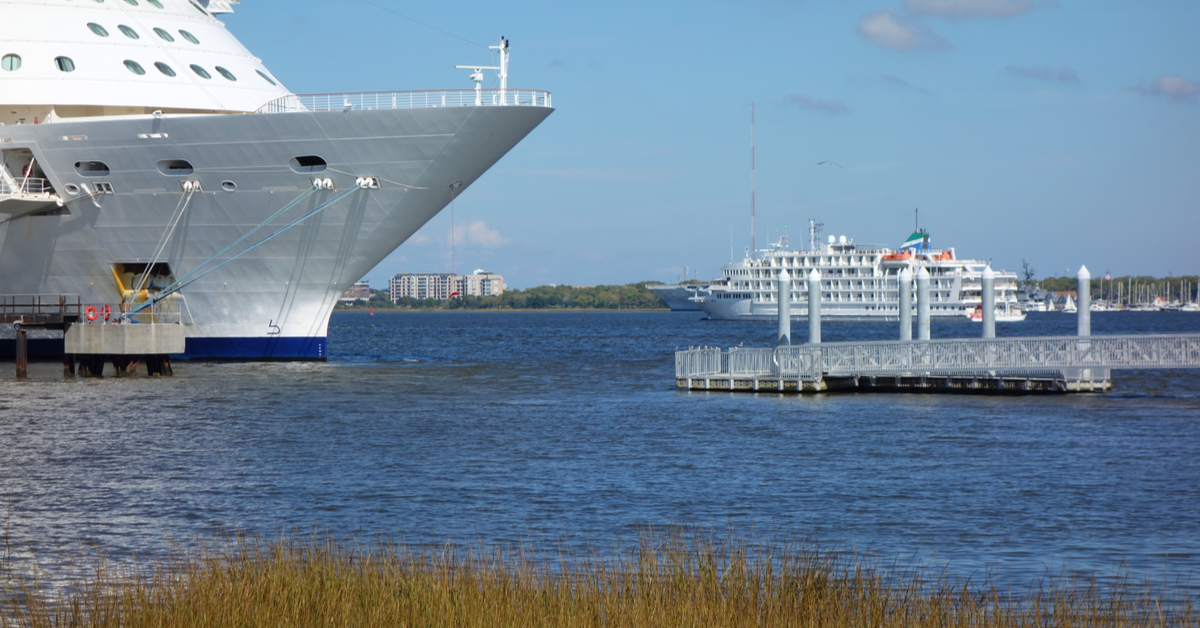
For decades, the city of Charleston, South Carolina, has served as a pivotal hub for the maritime industry, blending historic charm with a robust logistical infrastructure. However, for the modern investor, the local business owner, and the budget-conscious traveler, the question of “what cruise ships sail from Charleston” is less about vessel names and more about the financial ecosystem that surrounds the Port of Charleston. As the city transitions its maritime strategy, understanding the economic impact, the cost-benefit analysis of departures, and the future of the Union Pier terminal is essential for navigating the fiscal waters of the Lowcountry.
The Financial Landscape of the Charleston Cruise Industry
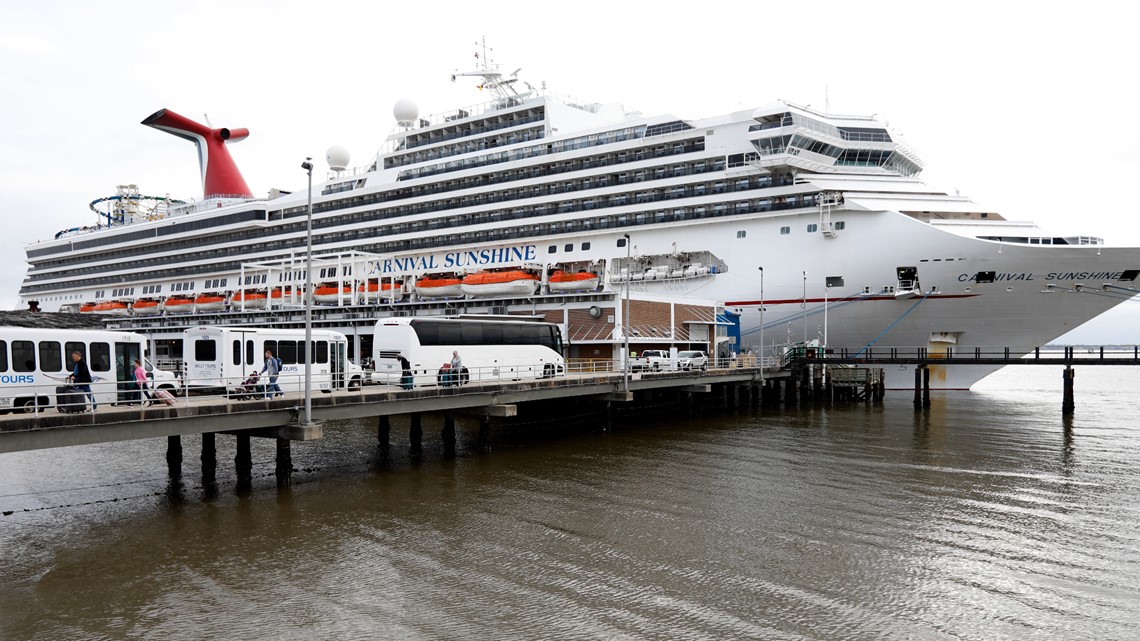
The primary resident of the Charleston cruise terminal has long been Carnival Cruise Line. For years, the Carnival Sunshine has served as the sole year-round vessel homeported in the city. From a brand-finance perspective, this exclusivity created a localized monopoly that benefited both the cruise line and the South Carolina Ports Authority (SCPA).
Carnival Cruise Line’s Revenue Stream in the Lowcountry
The Carnival Sunshine, a Destiny-class ship with a capacity of approximately 3,000 passengers, represents a significant recurring revenue stream. By homeporting in Charleston, Carnival taps into a drive-in market that spans the Carolinas, Georgia, and Tennessee. This demographic shift is financially significant; it allows the cruise line to capture “budget-sensitive” travelers who wish to avoid the escalating costs of airfare to traditional hubs like Miami or Fort Lauderdale.
The financial model of the Carnival Sunshine in Charleston is built on high volume and high frequency. With five-to-ten-day itineraries, the ship maintains a high occupancy rate, which is the “North Star” metric for cruise profitability. However, this model is approaching a major financial pivot point.
The 2024 Sunset: Financial Implications of Port Changes
In a move that sent ripples through the local hospitality sector, it was announced that Carnival’s homeport agreement with the SCPA would conclude at the end of 2024. From a business finance standpoint, this marks a transition from a “homeport” model to a “port-of-call” model.
For the SCPA, this is a strategic capital allocation decision. Homeporting requires significant administrative overhead, baggage handling, and customs infrastructure. By shifting to a port-of-call model—where ships like those from Princess Cruises, Celebrity Cruises, or Silversea stop for the day rather than starting their journey there—the city can maintain tourism revenue while freeing up prime real estate for high-value redevelopment.
Economic Impact on the Lowcountry: Port Operations and Local Business Revenue
The presence of cruise ships in Charleston is a catalyst for a multi-million dollar economic engine. While critics often point to environmental and traffic concerns, the balance sheet suggests that the maritime tourism sector is a vital component of the city’s “Money” story.
Tax Revenue and Infrastructure ROI
Every time a ship like the Carnival Sunshine docks, it generates significant municipal revenue. This comes in the form of head taxes, port fees, and pilotage fees. According to various economic impact studies conducted over the last decade, the cruise industry contributes over $130 million annually to the regional economy. This capital is often reinvested into infrastructure projects that benefit the broader community, creating a cycle of Return on Investment (ROI) for the public sector.

The “Pre-Cruise” Spend: Hospitality and Retail Gains
One of the most lucrative aspects of the Charleston cruise market is the “pre-cruise stay.” Data suggests that a significant percentage of passengers arrive in the city at least one day prior to embarkation. This translates into:
-
High RevPAR (Revenue Per Available Room): Downtown hotels see a consistent spike in occupancy mid-week and on weekends corresponding with cruise schedules.
-
Ancillary Spending: The average cruise passenger spends between $100 and $250 in the local economy before even stepping foot on the ship. This includes dining at high-end restaurants, utilizing ride-share services, and shopping at the historic City Market.
-
Job Creation: The industry supports thousands of jobs, from longshoremen and port security to travel agents and hospitality staff.
Cost-Benefit Analysis for the Traveler: Budgeting for a Charleston Departure
For the individual traveler, choosing to sail from Charleston is a financial decision as much as a vacation choice. Understanding the “all-in” cost of a Charleston departure versus a Florida departure is key to maximizing travel ROI.
Logistics and Savings: Avoiding the Airfare Trap
The primary financial advantage of sailing from Charleston is the elimination of airfare for the regional population. For a family of four, flying to a port in Florida can easily add $1,200 to $2,000 to the total vacation cost. By driving to the Union Pier Terminal, travelers can reallocate those funds toward on-board credit, excursions, or upgraded cabin categories.
Port Fees, Parking, and Hidden Costs
While the savings on airfare are significant, the Charleston port has its own set of financial considerations:
-
Parking Rates: As of recent tallies, parking at the Port of Charleston averages around $20 to $25 per day. For a 7-day cruise, this is a $140 to $175 line item that must be factored into the budget.
-
Limited Competition: Because Charleston has historically hosted only one major year-round ship, there is less price competition than one might find in Port Canaveral, where multiple lines vie for market share. This often keeps “base fares” slightly higher in Charleston due to steady demand and limited supply.
-
The “Last Hurrah” Premium: As the Carnival Sunshine approaches its final months of homeporting in Charleston, we are seeing a “scarcity premium” in pricing. Travelers are paying a premium to sail from this convenient location before the homeport options change in 2025.
Investment Perspectives: The Future of Maritime Business in South Carolina
The shift away from a permanent homeported ship opens the door for one of the most significant real estate and commercial investment opportunities in the Southeast: the redevelopment of Union Pier.
Real Estate and Commercial Development Near Union Pier
The Union Pier terminal occupies approximately 70 acres of prime waterfront real estate. With the scale-back of cruise homeporting, the SCPA is looking to transform this area into a mixed-use district. For investors, this is a “generational” opportunity.
-
Residential and Retail ROI: The proposed plans include residential units, parks, and retail spaces. This transition from an industrial/transit hub to a lifestyle hub is expected to drive property values in the surrounding French Quarter and Ansonborough neighborhoods even higher.
-
Corporate Identity: The redevelopment allows Charleston to pivot its brand from a “transit port” to a “luxury destination,” attracting higher-net-worth visitors and investors who are more interested in the city’s culinary and tech scenes than in high-volume cruise traffic.
ESG Considerations and Future Capital Expenditures
As the maritime industry faces increasing pressure to adopt Environmental, Social, and Governance (ESG) standards, the financial future of cruising in Charleston will depend on green infrastructure. Any future ships that dock in Charleston—whether as ports of call or seasonal residents—will likely be required to utilize “shore power” to reduce emissions.
From a financial planning perspective, the SCPA must weigh the capital expenditure (CapEx) of installing these high-tech power grids against the potential loss of revenue from cruise lines that are modernizing their fleets. For the city, the investment in green port technology is not just an environmental move; it is a defensive financial strategy to ensure the port remains a viable stop for the next generation of “clean” luxury vessels.
In conclusion, while the list of ships sailing from Charleston currently centers on the Carnival Sunshine, the broader financial story is one of transition. From the millions of dollars in local spending to the multi-billion dollar potential of the Union Pier redevelopment, the business of cruising in Charleston remains a cornerstone of the regional economy. Whether you are an investor eyeing the waterfront or a traveler looking to save on a family getaway, the fiscal tides of Charleston’s port offer a wealth of opportunity for those who know how to read the charts.
aViewFromTheCave is a participant in the Amazon Services LLC Associates Program, an affiliate advertising program designed to provide a means for sites to earn advertising fees by advertising and linking to Amazon.com. Amazon, the Amazon logo, AmazonSupply, and the AmazonSupply logo are trademarks of Amazon.com, Inc. or its affiliates. As an Amazon Associate we earn affiliate commissions from qualifying purchases.