
The Port of Charleston has long stood as a cornerstone of the Southeastern maritime economy. For decades, the intersection of historic charm and deep-water accessibility made South Carolina’s “Holy City” a primary embarkation point for the cruise industry. However, the financial landscape of cruising in Charleston is currently undergoing a seismic shift. For investors, local business owners, and budget-conscious travelers, understanding which cruise lines operate out of this port requires a deep dive into the business strategies of major maritime corporations and the shifting fiscal priorities of the South Carolina Ports Authority (SCPA).
While Charleston has historically been synonymous with a specific brand of accessible, “drive-to” cruising, the economic narrative is changing. As we analyze the current market, we must look at the primary players, the impending expiration of long-term contracts, and the lucrative redevelopment of the Union Pier Terminal—a project with multi-billion dollar implications for the regional economy.
The Current Dominance of Carnival Cruise Line
When discussing the financial throughput of the Charleston cruise market, one name dominates the balance sheet: Carnival Cruise Line. For years, Carnival has utilized Charleston as a strategic hub for its “Fun Ship” brand, capitalizing on a massive catchment area that includes North Carolina, Georgia, and the inland South.
The Carnival Sunshine and Regional Revenue
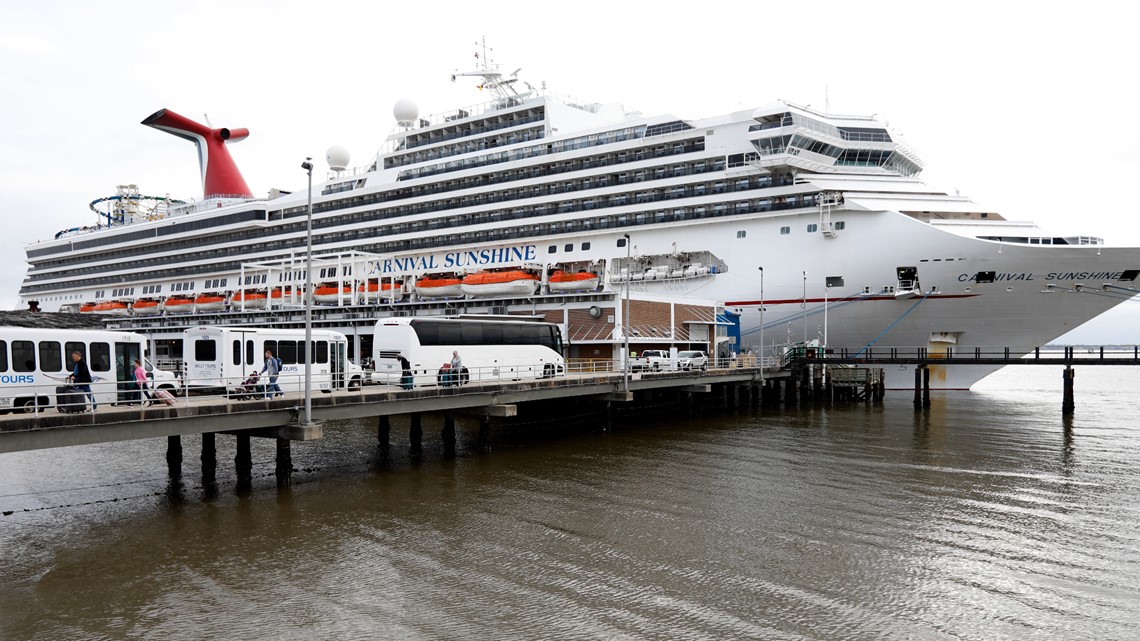
Currently, the Carnival Sunshine is the primary vessel homeported in Charleston. From a business finance perspective, the Sunshine represents a high-efficiency model for Carnival. By docking in a mid-sized port like Charleston, the cruise line avoids the premium berthing fees associated with mega-hubs like PortMiami or Port Everglades while maintaining a near-100% occupancy rate due to the convenience for local travelers.
The economic impact of this single ship is substantial. According to historical data from the SCPA, cruise operations have contributed over $150 million annually to the regional economy. This includes direct spending by passengers—who often spend a “pre-cruise” night in local hotels—and the logistical fees paid by Carnival for pilotage, tug services, and victualling (provisioning the ship with food and fuel).
The “Drive-to” Market Financial Advantage
For the personal finance enthusiast, Charleston’s value proposition has historically been its accessibility. The “drive-to” market allows travelers to bypass the rising costs of domestic airfare, which has seen significant inflationary pressure in recent years. By eliminating a $400 round-trip flight and the associated baggage fees, a family of four saves $1,600 before they even board the ship. This secondary economic benefit keeps capital within the regional ecosystem rather than transferring it to national airline carriers.
The 2024 Pivot: A Shift in Corporate Strategy and Land Value
The most critical piece of financial news regarding Charleston’s cruise industry is the impending departure of Carnival Cruise Line. In a move that surprised many casual observers but was expected by real estate analysts, the SCPA announced that its current contract with Carnival will not be renewed past 2024. This decision is a masterclass in land-use economics and “highest and best use” valuation.
The Union Pier Redevelopment Project
The primary reason for the shift in cruise operations is the planned redevelopment of the Union Pier Terminal. From a brand and business strategy perspective, the SCPA has determined that the 70-acre waterfront property is more valuable as a mixed-use real estate development than as a cruise terminal.
The projected financial returns on a multi-billion dollar residential and commercial district far outweigh the annual “head tax” and docking fees generated by a permanent homeported ship. For investors, this represents a transition from high-volume, low-margin maritime logistics to high-margin, long-term real estate appreciation. The removal of the permanent cruise terminal will open up the downtown corridor, potentially increasing property values in the surrounding historic districts.
The Transition to a “Port-of-Call” Model
Post-2024, Charleston will not stop hosting cruise ships entirely, but its business model will shift from a “homeport” to a “port-of-call” system. This is a vital distinction for the local economy. In a homeport model, passengers spend heavily on parking and hotels. In a port-of-call model, ships from luxury lines—such as Silversea, Celebrity, or Princess Cruises—will stop for a single day as part of a longer itinerary.
While the volume of passengers will decrease, the “spend per head” often increases with luxury lines. High-net-worth individuals on a 14-day coastal cruise are more likely to invest in premium shore excursions, high-end dining, and luxury retail in the King Street district, providing a different, yet potent, stimulus to the local business community.

Maximizing ROI: Travel and Personal Finance in the Lowcountry
For those looking to book one of the final departures from Charleston, or for businesses planning for the post-Carnival era, financial strategy is paramount. The “Cruise and Stay” model has been the most effective way for the local hospitality industry to capture value.
The Multiplier Effect of Local Hospitality
Studies in travel economics show that for every dollar spent on a cruise fare, approximately $0.40 to $0.60 is spent in the embarkation city if the passenger arrives a day early. Charleston’s hotel market, one of the most expensive in the South, has leaned heavily into this. Boutique hotels in the French Quarter often see occupancy spikes on the Fridays and Saturdays preceding a Monday departure.
For the traveler, the financial “hack” here involves leveraging credit card points and loyalty programs specifically for these pre-cruise stays. Utilizing a Marriott Bonvoy or Hilton Honors strategy for the Charleston leg of the trip can effectively nullify the high cost of local lodging, making the overall vacation ROI much more attractive.
Supply Chain and Provisioning Finances
Beyond the visible tourism dollars, the business of “victualling” is a massive hidden economy. A ship the size of the Carnival Sunshine requires thousands of tons of fresh produce, poultry, and fuel for every voyage. Local wholesalers and logistics firms in the North Charleston area have built their business models around these weekly replenishment cycles. The shift in 2024 will require these B2B entities to diversify their portfolios, likely shifting focus toward the growing container ship and automotive export markets at the Wando Welch and Leatherman terminals.
Future Projections: Luxury Lines and Boutique Opportunities
As Charleston moves away from being a mass-market cruise hub, a new niche is emerging for high-end maritime brands. This transition aligns with Charleston’s brand identity as a “World Best” city, a title it has held in travel magazines for over a decade.
The Rise of Boutique and Expedition Cruising
Smaller, ultra-luxury lines like Viking and American Cruise Lines have identified Charleston as a key stop for their Atlantic coastal routes. From a business finance perspective, these lines operate on much higher margins. A ticket on a Viking coastal cruise can cost five times as much as a standard Carnival cabin.
For the city, this means fewer crowds but higher tax revenue per visitor. It also reduces the strain on city infrastructure—specifically the “over-tourism” concerns related to traffic and pedestrian congestion around the Market Street area. This “quality over quantity” financial strategy is becoming a preferred model for historic cities worldwide, from Venice to Charleston.
Sustainable Investing and Green Port Initiatives
Finally, the future of cruising in Charleston is tied to the “Green Port” movement. Environmental, Social, and Governance (ESG) criteria are increasingly influencing where cruise lines choose to dock. Ships that utilize Liquefied Natural Gas (LNG) or shore-side power (cold ironing) are becoming the standard.
The SCPA’s investment in cleaner terminal operations is a long-term play to attract the next generation of eco-conscious cruise brands. For investors in the maritime space, tracking which lines are retrofitting their fleets to meet these stringent environmental standards is a key indicator of future market share. Charleston’s ability to provide the infrastructure for these “green” ships will dictate its financial relevance in the 2030 maritime economy.

Conclusion: Navigating the Fiscal Waters
The answer to “what cruise lines leave from Charleston” is currently dominated by Carnival, but the narrative is rapidly evolving. We are witnessing a calculated transition from a high-volume, middle-market cruise hub to a high-value, luxury port-of-call and a multi-billion dollar real estate asset.
For the traveler, the window to enjoy a budget-friendly, drive-to cruise from the heart of the Lowcountry is narrowing, making the next 12 to 18 months a critical period for booking. For the local business owner and the regional investor, the focus must shift toward the Union Pier redevelopment and the higher-spending demographic of the boutique cruise market. Charleston’s maritime economy is not shrinking; it is maturing, trading the “Fun Ship” for a more sophisticated—and potentially more lucrative—financial future.
aViewFromTheCave is a participant in the Amazon Services LLC Associates Program, an affiliate advertising program designed to provide a means for sites to earn advertising fees by advertising and linking to Amazon.com. Amazon, the Amazon logo, AmazonSupply, and the AmazonSupply logo are trademarks of Amazon.com, Inc. or its affiliates. As an Amazon Associate we earn affiliate commissions from qualifying purchases.