
The Port of Charleston, managed by the South Carolina Ports Authority (SCPA), serves as a critical node in the global supply chain and a significant driver of regional economic prosperity. While many view the port through the lens of container ships and industrial logistics, the cruise industry represents a specialized and highly lucrative sector of the local economy. For investors, business owners, and personal finance enthusiasts, understanding which cruise lines operate out of Charleston—and the financial mechanisms behind these operations—is essential for grasping the broader fiscal health of the Lowcountry.

Currently, the primary player in the Charleston cruise market is Carnival Cruise Line. However, the business landscape of this port is undergoing a massive structural shift that will redefine its financial output and the way cruise brands interact with the South Carolina economy. This article examines the business of cruising in Charleston, the financial implications of its “drive-to” market status, and the investment outlook for the region’s maritime tourism.
The Carnival Dominance: A Case Study in Market Monopoly
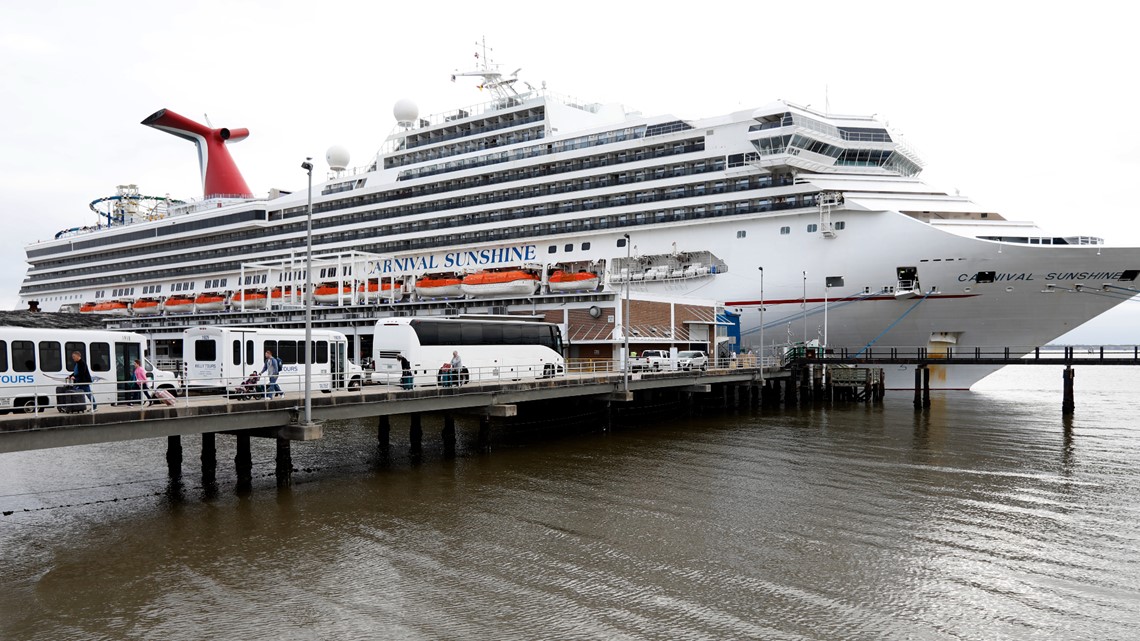
For over a decade, Carnival Cruise Line has maintained a virtual monopoly on year-round homeporting in Charleston. From a business strategy perspective, this partnership is a textbook example of market penetration and brand loyalty within a specific geographic corridor.
The Homeporting Business Model
When a cruise line “homeports” a ship, it means the vessel begins and ends its journeys in that specific city. For Charleston, this has traditionally been the Carnival Sunshine. The financial impact of homeporting far exceeds that of a simple port-of-call. When a ship homeports, it requires extensive local services: fueling, provisioning (buying local food and supplies), waste management, and labor for embarkation and debarkation.
From a corporate finance perspective, Carnival utilizes Charleston to capture the “drive-to” market of the Southeast. By docking in South Carolina, the company taps into a demographic that wishes to avoid the high costs of airfare to Florida or the Caribbean. This increases the total addressable market (TAM) for Carnival, allowing them to maintain high occupancy rates even during economic downturns.
Revenue Generation for the South Carolina Ports Authority
The SCPA operates as a business enterprise of the state. Every time a Carnival ship docks, it pays significant fees. These include docking fees, security fees, and passenger head taxes. For the 2023-2024 fiscal cycle, these revenues contributed to the port’s ability to fund capital improvement projects without relying solely on state tax dollars. The cruise business essentially provides a diversified revenue stream that balances the more volatile container shipping market.
Investment Outlook: The Union Pier Redevelopment
The financial narrative of Charleston’s cruise industry is currently at a crossroads. The South Carolina Ports Authority recently announced a pivot in strategy regarding the Union Pier Terminal, the primary site for cruise operations. This move has significant implications for local real estate investment and the future of the city’s tourism revenue.
The Sunset of the Carnival Contract
In a move that surprised many market analysts, it was announced that Carnival Cruise Line would cease its year-round homeporting operations in Charleston by the end of 2024. From a business standpoint, this is a transition from a “high-frequency” model to a “port-of-call” and “occasional homeport” model. For investors, this signals a shift in how capital will be allocated in the downtown district.
The departure of a permanent ship reduces the steady, predictable flow of passenger head-tax revenue but opens the door for higher-margin, luxury boutique lines. Ships from Silversea, Crystal Cruises, and American Cruise Lines have expressed interest in utilizing Charleston as a premier stop. These lines cater to a higher net-worth demographic, potentially increasing the average spend per visitor in the local economy, despite lower total passenger volumes.
Real Estate and Infrastructure Revaluation
The redevelopment of Union Pier is one of the most significant real estate opportunities in the United States today. As the cruise terminal operations scale back, roughly 70 acres of prime waterfront property are being reimagined for mixed-use development. This project represents billions of dollars in potential private investment, tax revenue, and commercial growth. For those involved in regional business finance, the focus has shifted from “port fees” to “property yields.” The transformation of this industrial zone into a high-end commercial and residential district is expected to provide a long-term boost to the city’s tax base that far exceeds the annual revenue generated by a single cruise ship.
Personal Finance and the “Drive-to” Cruise Economy
For the individual consumer, the cruise lines leaving from Charleston offer a unique opportunity for cost-effective travel. Analyzing the personal finance aspect of these cruises reveals why the port remains a popular choice for budget-conscious families and strategic travelers.
Cost-Benefit Analysis of Port Proximity
The primary financial draw of Charleston is the elimination of airfare. For a family of four, flying from the Carolinas or Georgia to Miami or Fort Lauderdale can easily add $1,200 to $2,000 to the total cost of a vacation. By utilizing the Charleston port, travelers can reallocate those funds toward onboard credit, excursions, or higher-tier cabin categories.
Furthermore, the parking revenue generated at the port—often exceeding $20 per day—is a significant minor revenue stream for the port authority. From a consumer finance perspective, even with parking fees, the “drive-to” model remains the most fiscally responsible way to access the Caribbean and Bahamas cruise markets for residents of the Southeast.
Maximizing ROI on Local Spending
Tourism data suggests that cruise passengers departing from Charleston often spend an additional 24 to 48 hours in the city pre- or post-cruise. This “multiplier effect” injects cash directly into the local hospitality sector. Hotels, restaurants, and retail shops in the French Quarter and along King Street benefit from a steady stream of “transient” customers who are already in a spending mindset. For business owners in these sectors, the cruise schedule is a primary indicator of projected weekly revenue.
Global Market Trends and the Competitive Landscape
Charleston does not operate in a vacuum. It competes with other East Coast ports such as Norfolk, Virginia, and Jacksonville, Florida. Understanding the competitive financial advantages of Charleston requires a look at the broader maritime industry trends.
Environmental, Social, and Governance (ESG) Impacts
Cruise lines are under increasing pressure to meet ESG standards, particularly regarding carbon emissions and local environmental impact. Charleston’s move to limit the number of cruise calls per year is a strategic decision to balance economic gain with social and environmental sustainability. By capping the frequency of large ships, the city protects its “brand equity” as a historic and livable city, which in turn preserves its long-term value as a premium destination.
The Rise of Boutique and Luxury Lines
While Carnival has been the mainstay, the future of Charleston may lie in luxury lines like Viking or Seabourn. These companies operate smaller vessels with higher price points. From a port management perspective, these ships provide a better “revenue-to-congestion” ratio. Fewer passengers spending more money reduces the strain on city infrastructure (roads, police, sanitation) while maintaining high levels of economic contribution through luxury retail and high-end dining.

Conclusion: The Financial Future of Charleston’s Waterfront
The question of “what cruise lines leave from Charleston” is no longer just about identifying a ship logo; it is about understanding a complex financial ecosystem. While Carnival Cruise Line has been the bedrock of the port’s passenger operations, the transition away from a permanent homeport model represents a sophisticated rebranding of the city’s economic strategy.
For the investor, the focus now turns to the Union Pier redevelopment and the influx of high-net-worth travelers brought in by boutique lines. For the traveler, the window to take advantage of low-cost, year-round departures is narrowing, necessitating a more strategic approach to vacation planning.
Charleston remains a vital hub of maritime commerce, but its evolution into a “quality over quantity” port reflects a broader trend in high-end destination management. The fiscal health of the region is no longer tied to the frequency of ship arrivals, but rather to the strategic integration of the waterfront into the city’s high-growth economic future. As the gangways are raised and lowered at the foot of Market Street, the flow of capital continues to shape one of America’s most prosperous historic cities.
aViewFromTheCave is a participant in the Amazon Services LLC Associates Program, an affiliate advertising program designed to provide a means for sites to earn advertising fees by advertising and linking to Amazon.com. Amazon, the Amazon logo, AmazonSupply, and the AmazonSupply logo are trademarks of Amazon.com, Inc. or its affiliates. As an Amazon Associate we earn affiliate commissions from qualifying purchases.