
The quest to identify the “best” cruise line is a perennial topic among travelers, often sparking passionate debates and personal anecdotes. Yet, from a strategic perspective, the answer isn’t merely about comparing onboard amenities or pricing; it’s a profound exercise in understanding brand identity, positioning, and the intricate art of meeting diverse customer expectations. In the competitive waters of the cruise industry, “best” is less about a universal ranking and more about a brand’s ability to impeccably align its corporate identity, marketing strategies, and operational execution with the desires of its target audience. This article delves into the brand-centric approach to evaluating cruise lines, exploring how companies carve out their niche, cultivate loyalty, and achieve perceived excellence in a crowded market.
Defining “Best”: A Brand-Centric Approach to Cruise Line Evaluation
To declare a single cruise line as unequivocally “the best” overlooks the sophisticated brand strategies each company employs to appeal to specific demographics and psychographics. The notion of “best” is subjective, shaped by individual preferences, travel goals, and budget. For a brand, success lies in being the “best fit” for its intended customer segment, consistently delivering on its unique value proposition.
Beyond Amenities: The Power of Brand Identity
While sparkling pools, gourmet dining, and Broadway-style shows are critical components of the cruise product, they are often commodities that can be replicated. What truly differentiates a cruise line, and makes it “best” for its patrons, is its brand identity. This encompasses the company’s core values, mission, visual aesthetics, communication style, and the overall emotional connection it fosters with its guests. A strong brand identity imbues a cruise experience with meaning beyond its functional attributes. For instance, Disney Cruise Line isn’t just selling a vacation; it’s selling an extension of the Disney magic, a clearly defined brand promise that resonates deeply with families. Similarly, Viking River Cruises isn’t merely offering transportation along European waterways; it’s delivering an immersive cultural journey, appealing to a specific demographic that values enrichment over exuberance. The “best” brands are those whose identity is so distinct and consistently communicated that it becomes synonymous with a particular type of experience.
Understanding Your Target Audience: The Core of Brand Positioning
Every successful brand knows precisely who it serves. In the cruise industry, brand positioning is paramount. Are you targeting young families seeking adventure and entertainment? Or discerning adults yearning for sophisticated relaxation and culinary excellence? Perhaps luxury connoisseurs who demand unparalleled personalized service? Each answer dictates everything from ship design and itinerary planning to marketing campaigns and onboard programming.
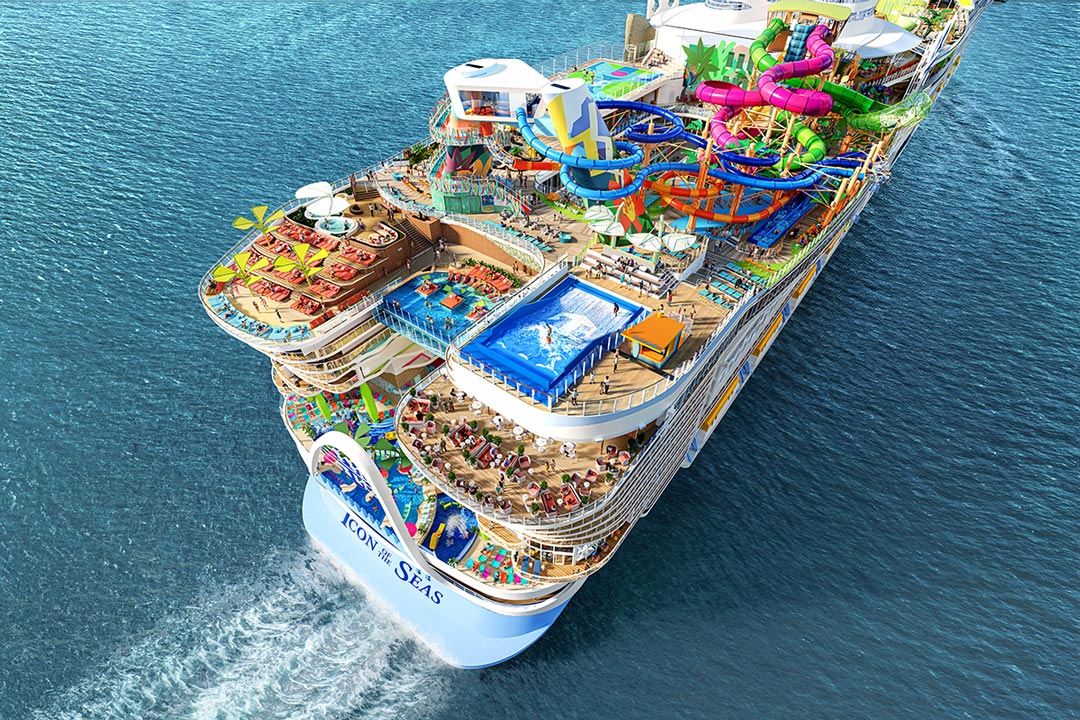
A cruise line’s “best” status is inherently linked to its ability to understand and cater to its chosen audience. Royal Caribbean, for example, excels at positioning itself as an innovator in onboard activities, targeting active travelers and families with its thrilling attractions like rock-climbing walls, surf simulators, and ice-skating rinks. Their brand strategy is built around delivering “wow” moments and high-energy experiences. In stark contrast, Azamara positions itself as a destination-focused brand, emphasizing longer port stays and authentic cultural immersion, appealing to seasoned travelers who prioritize exploration over shipboard thrills. The “best” cruise line for you, therefore, is the one whose brand positioning most accurately reflects your personal travel philosophy and preferences.
The Intangibles: Brand Promise and Emotional Connection
Beyond the tangible offerings, the “best” cruise lines excel at crafting an emotional connection with their guests, built upon a clear and consistently delivered brand promise. This promise isn’t just about what they offer, but how it makes you feel. Does the brand promise escapism, adventure, relaxation, luxury, or family fun? The ability of a cruise line to fulfill this emotional promise consistently across all touchpoints – from booking to disembarkation – is a hallmark of brand excellence.
This emotional resonance translates into brand loyalty, repeat bookings, and powerful word-of-mouth marketing. Guests don’t just recommend a cruise; they recommend an experience that aligns with their identity and desires. When a cruise line successfully taps into these deeper emotional needs, it transcends being just a service provider and becomes a cherished part of a traveler’s lifestyle, solidifying its position as “the best” in their personal lexicon.
Decoding Leading Cruise Brands: Strategies for Market Domination
The cruise industry is a dynamic ecosystem, with various brands employing distinct strategies to capture their share of the market. Analyzing these approaches reveals the deliberate choices brands make to stand out and cultivate their unique identity.
Luxury & Expedition Brands: Crafting Exclusivity and Niche Appeal
Brands like Seabourn, Silversea, and Viking (especially its ocean and expedition segments) operate at the pinnacle of the market, where “best” is defined by exclusivity, unparalleled service, and meticulously curated experiences. Their brand strategies revolve around:
- Personalized Service: A high crew-to-guest ratio ensures bespoke attention, often anticipating guest needs before they arise. This is a core brand pillar, reinforcing a feeling of being valued and pampered.
- Curated Experiences: Itineraries are often destination-rich, focusing on immersive cultural excursions, often to remote or less-traveled ports. Expedition brands like Lindblad Expeditions-National Geographic elevate this with scientific and expert-led explorations, positioning themselves as pioneers in experiential travel.
- Premium Pricing: Reflecting the elevated offerings, these brands strategically command higher price points, reinforcing their luxury status and exclusivity. Their marketing messages emphasize value through unparalleled quality, not cost.
- Emphasis on Destination Enrichment: Viking, for instance, has built its entire brand around “The Thinking Person’s Cruise,” appealing to intellectually curious travelers who prioritize cultural immersion and historical insights. Their marketing, ship design, and programming are all aligned with this intellectual curiosity.
- Target Audience: Affluent, discerning travelers, often retirees or seasoned adventurers, seeking sophisticated, intimate, and enriching journeys.
- Marketing: Relies heavily on word-of-mouth, high-end travel publications, partnerships with luxury travel advisors, and direct marketing to established affluent segments. Brand storytelling focuses on unique destinations, expert guides, and the intangible allure of exclusivity.
Contemporary & Family-Oriented Brands: Engineering Mass Appeal
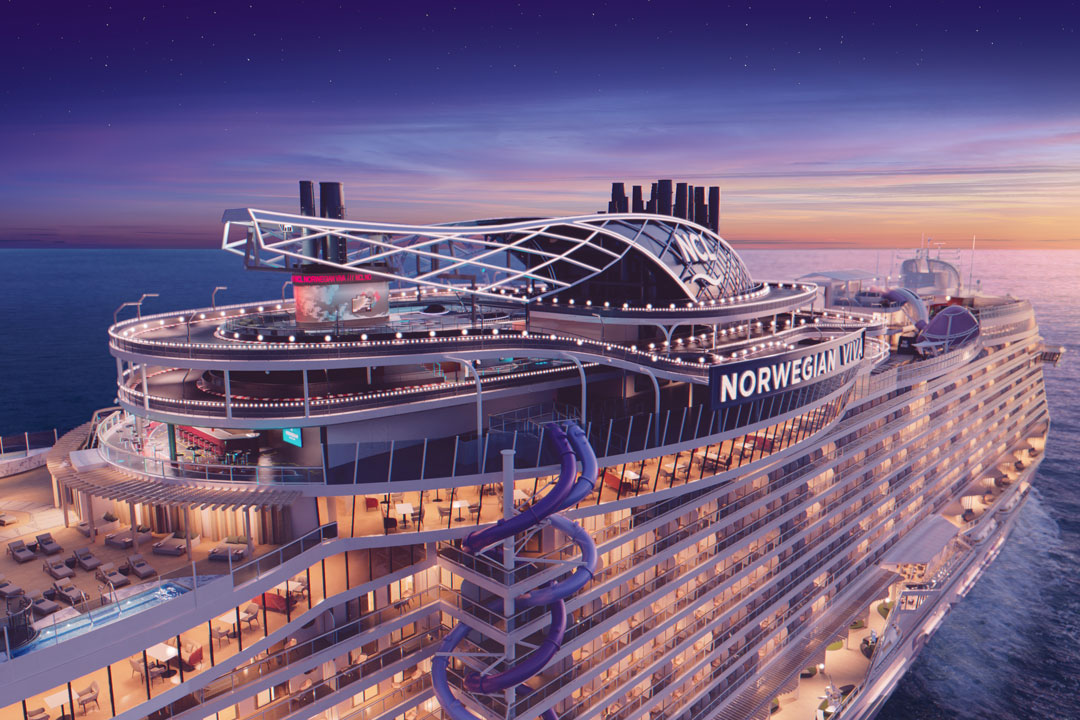
On the other end of the spectrum, brands like Royal Caribbean International, Carnival Cruise Line, and Norwegian Cruise Line, alongside the highly specialized Disney Cruise Line, aim for broader appeal, often targeting families, multi-generational groups, and first-time cruisers. Their strategies are built on:
- Innovation in Onboard Activities: These brands are constantly pushing the boundaries of what’s possible at sea, with mega-ships featuring water parks, roller coasters, go-kart tracks, and elaborate entertainment venues. This is a key brand differentiator, promising endless fun and excitement.
- Diverse Entertainment: A wide array of shows, live music, themed parties, and children’s programs ensures there’s something for everyone, catering to varied interests within a single family or group.
- Family-Friendly Offerings: Dedicated kids’ clubs, family cabins, and child-focused activities are central to their brand promise, positioning them as the ideal choice for family vacations. Disney Cruise Line is the ultimate example, leveraging its iconic characters and storytelling to create an immersive family experience that no other brand can replicate.
- Value Proposition: While not budget operators, these brands often emphasize the value packed into their fares, highlighting the sheer volume of activities, dining options, and entertainment included.
- Target Audience: Families with children, multi-generational groups, active travelers, and those seeking a lively, amenity-rich vacation.
- Marketing: Broad media campaigns, extensive social media engagement, partnerships with family-oriented influencers, and a strong focus on showcasing the fun and excitement of their onboard experiences. Their brand narratives focus on creating unforgettable memories and endless possibilities.
Premium & Upscale Brands: Balancing Luxury and Accessibility
Brands such as Celebrity Cruises, Princess Cruises, and Holland America Line occupy the “premium” space, offering a refined experience that bridges the gap between contemporary and luxury. Their brand strategies focus on:
- Elevated Dining: A strong emphasis on gourmet culinary experiences, specialty restaurants, and sophisticated beverage programs. Celebrity Cruises, for example, heavily markets its culinary prowess and its partnership with Michelin-starred chefs.
- Refined Service: While not as personalized as ultra-luxury, the service is generally more attentive and polished than on contemporary lines, appealing to guests who appreciate a higher standard.
- Sophisticated Ambiance: Ship décor and public spaces are designed to create a more elegant, adult-focused atmosphere, often with fewer overtly whimsical elements.
- Longer Itineraries & Destination Focus: Many premium lines offer a broader range of itineraries, including longer cruises and voyages to more exotic destinations, balancing shipboard enjoyment with significant port exploration.
- Target Audience: Adults, couples, discerning travelers, and experienced cruisers looking for a step up from mass-market offerings without the ultra-luxury price tag.
- Marketing: Focuses on the sophistication of their culinary, cultural, and service excellence, appealing to travelers who appreciate nuance and quality in their vacation experience. Their brand storytelling often highlights enrichment, relaxation, and refined exploration.
The Art of Brand Differentiation: How Cruise Lines Stand Out
In a crowded market, simply having a good product isn’t enough. The “best” cruise lines master the art of brand differentiation, creating a distinct identity that resonates deeply with their chosen clientele.
Service Excellence as a Brand Hallmark
Service is perhaps the most powerful, yet elusive, differentiator. It’s not just about efficiency; it’s about the consistent delivery of a positive, memorable human interaction that aligns with the brand’s promise. For ultra-luxury brands, white-glove, anticipatory service is a non-negotiable brand pillar. For family lines, friendly, engaging staff who connect with children are key. When staff members embody the brand’s values – whether it’s warmth, professionalism, or enthusiasm – they become living extensions of the corporate identity, solidifying the brand’s reputation for excellence. Companies that invest heavily in staff training, empowerment, and a positive internal culture often see this translate into superior guest experiences and stronger brand loyalty. This becomes a competitive advantage that is incredibly difficult for rivals to replicate.
Design & Ambiance: Shaping the Brand Experience
Ship design is a critical component of a cruise line’s brand identity. From the layout of public spaces to the choice of artwork and furnishings, every aesthetic decision contributes to the overall ambiance and guest experience. Some brands opt for opulent, traditional elegance, while others embrace sleek, modern minimalism. Still others cultivate a whimsical, themed environment.
Celebrity Cruises, for instance, has strategically invested in contemporary, art-filled ships with sophisticated lounges and avant-garde dining venues, deliberately positioning itself as a “modern luxury” brand. This design choice directly communicates its brand promise of elevated style and refined experiences. Carnival Cruise Line, on the other hand, embraces bright colors, playful themes, and a lively atmosphere, consistent with its brand identity as “The Fun Ship.” These design choices are not arbitrary; they are deliberate brand statements that attract and satisfy specific customer segments.
Innovation in Offerings: Keeping the Brand Relevant
The cruise industry thrives on innovation. The “best” brands are those that continuously evolve their product, introducing new features, technologies, and experiences to keep their offerings fresh and relevant. This could range from introducing revolutionary ship designs (like Royal Caribbean’s Oasis-class ships) to pioneering new dining concepts, entertainment formats, or even integrating smart technology into the guest experience.
Innovation isn’t just about novelty; it’s about reinforcing the brand’s identity and staying ahead of customer expectations. Virgin Voyages, a relatively new entrant, has disrupted the market by branding itself as an adults-only, “rebellious luxe” experience, eschewing traditional cruise tropes for a more boutique, festival-like atmosphere, complete with tattoo parlors and drag brunches. This bold brand positioning and innovative offering carved out an immediate, distinct niche. Continuous innovation ensures a brand remains dynamic, engaging, and maintains its “best” status in the eyes of an ever-evolving consumer base.
Sustainability & Corporate Responsibility: Building a Conscientious Brand Image
In an era of increasing environmental awareness, a brand’s commitment to sustainability and corporate social responsibility (CSR) is becoming a powerful differentiator. Cruise lines that visibly invest in eco-friendly technologies, responsible waste management, and ethical labor practices are not only doing good but also building a positive brand image. This appeals to a growing segment of travelers who prefer to support businesses that align with their values. Brands like Hurtigruten, known for its expedition cruises along the Norwegian coast, have made sustainability a core part of their corporate identity and marketing, promoting electric propulsion ships and responsible tourism practices. Such commitments enhance brand reputation, foster trust, and contribute to long-term brand equity, positioning them as “best” for environmentally conscious travelers.
Measuring Brand Success: Customer Loyalty and Market Perception
Ultimately, a cruise line’s “best” status is validated by its ability to cultivate lasting customer relationships and achieve strong market perception.
Beyond NPS: Understanding Brand Advocacy
While Net Promoter Score (NPS) offers a metric for customer satisfaction and likelihood to recommend, true brand success goes deeper into understanding brand advocacy. This refers to customers who not only recommend a brand but actively champion it, defending it, and feeling a sense of ownership or identity with it. These advocates become powerful, authentic marketers. Cultivating brand advocacy involves consistently exceeding expectations, fostering a sense of community, and creating experiences so unique and positive that guests become genuine brand evangelists. The “best” cruise lines inspire this level of devotion, transforming passengers into loyal ambassadors.
Digital Footprint: Online Reputation and Brand Narrative
In the digital age, a cruise line’s online reputation and narrative are critical components of its brand equity. Reviews on platforms like TripAdvisor, Cruise Critic, and social media significantly influence consumer perceptions. Brands must actively manage their digital footprint, engaging with feedback (both positive and negative), consistently communicating their brand story, and leveraging user-generated content to showcase authentic guest experiences. A strong, positive online presence reinforces the brand’s promise and strengthens its “best” standing in the digital sphere, where many travel decisions are made.

Adaptability and Future-Proofing the Brand
The cruise industry, like any other, is subject to economic shifts, changing consumer trends, and unforeseen global events. The “best” brands are those that demonstrate resilience, adaptability, and foresight, capable of pivoting their strategies to meet new challenges and opportunities. This involves continuous market research, understanding emerging demographics, and investing in future-proof technologies and sustainable practices. A brand that can evolve without losing its core identity is one that maintains its relevance and continues to be considered “best” by succeeding generations of travelers.
In conclusion, the question “what cruise line is the best?” is a sophisticated query about brand strategy. There is no single answer because “best” is a construct of individual preference, meticulously shaped by how each cruise line defines its identity, positions itself in the market, delivers on its promises, and consistently communicates its unique value. The truly “best” cruise lines are masters of branding, understanding that their corporate identity, marketing, and the comprehensive guest experience must harmoniously align to create an indelible impression and earn the coveted loyalty of their specific target audience.
aViewFromTheCave is a participant in the Amazon Services LLC Associates Program, an affiliate advertising program designed to provide a means for sites to earn advertising fees by advertising and linking to Amazon.com. Amazon, the Amazon logo, AmazonSupply, and the AmazonSupply logo are trademarks of Amazon.com, Inc. or its affiliates. As an Amazon Associate we earn affiliate commissions from qualifying purchases.