
American Express has long held a reputation as one of the most prestigious credit card issuers in the financial world. Historically associated with high net-worth individuals and corporate travelers, the brand has expanded its portfolio significantly over the last decade. Today, Amex offers a wide range of products—from cash-back rewards cards for everyday spending to premium charge cards with high annual fees and extensive travel perks.
However, despite this expanded reach, the issuer maintains rigorous standards for its applicants. If you are considering applying for a card, the primary question is usually: what credit score do I need for Amex? While there is no single “magic number” that guarantees approval, understanding the general thresholds and the nuances of the American Express underwriting process can significantly increase your chances of a successful application.

The Baseline: What FICO Score Does American Express Require?
When evaluating an application, American Express primarily utilizes the FICO scoring model. While many free apps provide a VantageScore, most major lenders, including Amex, prioritize FICO 8 or FICO 9 scores. To be considered for most American Express cards, you generally need a score in the “Good” to “Excellent” range.
The 670 Threshold: “Good” vs. “Excellent”
In the world of credit scoring, a 670 is often cited as the baseline for a “Good” FICO score. For many of American Express’s entry-level or mid-tier cards, such as the Blue Cash Everyday® Card or the Amex EveryDay® Credit Card, a score in the high 600s may be sufficient, provided the rest of your financial profile is healthy.
However, for the more premium products, a score of 700 or higher is generally the unofficial requirement. If your score sits above 740, you are in the “Very Good” to “Exceptional” category, which places you in the strongest position for approval across their entire product line. At this level, the interest rate (APR) and the specific terms of the offer become more favorable, though the primary goal for most is the approval itself and the accompanying sign-up bonus.
Charge Cards vs. Credit Cards: Does the Score Requirement Differ?
It is important to distinguish between American Express’s credit cards and their traditional charge cards. Credit cards, like the Blue Cash Preferred®, have a set credit limit and allow you to carry a balance from month to month with interest. Charge cards, such as the Platinum Card® or the Gold Card®, theoretically have “no preset spending limit” (which does not mean unlimited spending) and generally require you to pay the balance in full each month.
Interestingly, some applicants find that the premium charge cards are slightly more accessible in terms of credit score than the high-limit credit cards. This is because the requirement to pay in full each month mitigates some of the risk for the issuer. That said, the income requirements for these premium cards are often higher to ensure the cardholder can handle the potentially large monthly payments.
Deep Dive into Popular American Express Offerings
The specific score you need often depends on which card you have your eye on. American Express segments its products into tiers, each with its own perceived risk level and target demographic.
The Platinum Card®: The Gold Standard of Credit
The American Express Platinum Card is widely considered one of the most difficult cards to obtain, not just because of the credit score requirement but because of the overall lifestyle profile it demands. To comfortably qualify for the Platinum Card, an applicant should ideally have a FICO score of 720 or higher.
Beyond the score, the issuer looks for a history of managing high credit limits and a clean payment record. Because the card carries a substantial annual fee, the underwriting process also looks for a stable income that justifies the card’s luxury travel and concierge benefits.
The American Express® Gold Card: The Lifestyle Workhorse
The Gold Card is a favorite for those who spend heavily on dining and groceries. It occupies a middle ground between the entry-level cards and the Platinum. Most successful applicants for the Gold Card report scores in the 700 to 750 range. While it is possible to be approved with a score in the high 600s, you would likely need a long-standing history with other credit accounts and a low debt-to-income ratio to compensate for the lower score.
Blue Cash Everyday® and Blue Cash Preferred®
These are “revolving” credit cards rather than charge cards. They are highly popular among families for their cash-back rewards. For the Blue Cash Everyday®, a score of 670 to 690 is often the “sweet spot” for approval. The Blue Cash Preferred®, which offers higher rewards but includes an annual fee, usually requires a slightly higher score—often 700 or above—as it is marketed toward those with established, healthy credit habits.
Beyond the Three Digits: The Hidden Factors of Amex Underwriting

A credit score is a snapshot, but American Express’s underwriting algorithms are far more comprehensive. They look at the “why” behind the number. Understanding these secondary factors is crucial if your score is on the borderline.
Internal Scoring and Existing Relationships
One of the most unique aspects of American Express is its reliance on its own internal scoring system. If you are already an Amex cardholder, the company tracks your spending patterns, payment reliability, and how often you interact with their platform.
If you have been a loyal customer for several years and have never missed a payment, Amex may approve you for a new card even if your FICO score has dipped due to external factors (like high utilization on a non-Amex card). Conversely, if you have a 800 score but a history of “churning” cards (opening and closing them just for the bonuses), Amex might deny your application despite your high score.
Income Verification and Debt-to-Income (DTI) Ratios
Your credit score does not reflect your income, but your credit application does. American Express needs to ensure that you have the cash flow to service your debt. This is measured via the Debt-to-Income (DTI) ratio. Even with a perfect 850 score, an applicant with a very high DTI—meaning their monthly debt obligations are a large percentage of their monthly income—may be viewed as a high-risk candidate. For the more expensive charge cards, a stable, verifiable income is just as important as the credit score itself.
Credit Utilization and Velocity
“Velocity” refers to how many new accounts you have opened in a short period. Like many issuers, American Express is wary of “credit-seeking behavior.” If you have opened three new credit cards from different banks in the last six months, Amex may flag your application as high-risk, regardless of your score.
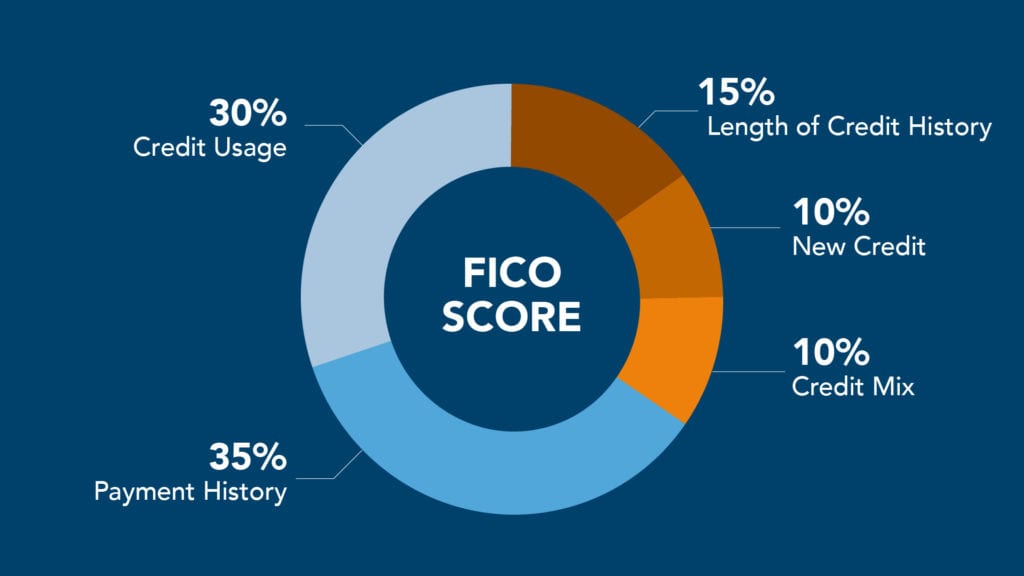
Additionally, credit utilization—the amount of your total available credit that you are currently using—plays a massive role. If your current cards are maxed out, it suggests financial distress. Most experts recommend keeping your utilization below 30%, though for an Amex approval, keeping it under 10% is ideal.
Navigating the Application Process: Tools and Strategies
In recent years, American Express has introduced tools to make the application process more transparent. Utilizing these can save you from an unnecessary “hard pull” on your credit report.
The Power of Pre-Approval and “Apply with Confidence”
One of the most consumer-friendly innovations from Amex is the “Apply with Confidence” feature. For many of their cards, you can submit an application and receive a decision without it affecting your credit score initially. American Express performs a “soft pull” to determine your eligibility.
If you are approved and you choose to accept the card, a hard inquiry will then be placed on your credit report, which may cause a temporary, minor dip in your score. If you are denied, no hard inquiry is made. This allows you to test the waters of the “Amex ecosystem” without the risk of damaging your credit profile.
The Reconsideration Line: What to Do After a Denial
If your application is denied, it isn’t necessarily the end of the road. American Express has a reconsideration department that allows you to speak with a human representative about your application. If your score was low due to a one-time medical bill or a temporary spike in utilization that has since been paid down, you can explain these circumstances.
Providing context that the automated algorithm might have missed can sometimes overturn a denial. Before calling, ensure you have a copy of your credit report so you can specifically address the reasons for denial listed in your adverse action letter.
Long-Term Credit Health and the Amex Ecosystem
Securing your first American Express card is often seen as a milestone in a personal finance journey. It signals to other lenders that you are a responsible borrower. However, the work doesn’t stop at approval.
To maintain and grow your relationship with the brand—perhaps moving from a basic cash-back card to the Platinum or a Business Gold card—you must practice diligent credit management. This includes paying your balance in full every month, avoiding late payments at all costs, and keeping your credit utilization low.
American Express is known for being generous with credit limit increases once you have proven your reliability over six to twelve months. By understanding that your credit score is simply the entry fee, and your overall financial behavior is the sustained ticket to membership, you can navigate the world of American Express with confidence and strategic precision. Whether you are aiming for your first card or your fifth, keeping your FICO score above 700 and your financial house in order will almost always pave the way for a “Welcome to Membership” notification.
aViewFromTheCave is a participant in the Amazon Services LLC Associates Program, an affiliate advertising program designed to provide a means for sites to earn advertising fees by advertising and linking to Amazon.com. Amazon, the Amazon logo, AmazonSupply, and the AmazonSupply logo are trademarks of Amazon.com, Inc. or its affiliates. As an Amazon Associate we earn affiliate commissions from qualifying purchases.