
The quest for the right credit card is often met with a mix of excitement and anxiety. For many, the central question is not just which card offers the best rewards, but more fundamentally: “What credit cards do I actually qualify for?” Applying for a credit card is more than a simple transaction; it is a financial audition. Every time you submit an application, the issuer performs a “hard inquiry” on your credit report, which can temporarily dip your score. Therefore, understanding your eligibility before you click “submit” is a critical component of sophisticated personal financial management.
Qualifying for a credit card depends on a multifaceted assessment performed by lending algorithms. These systems look beyond a single number, weighing your income, your history of reliability, and your current debt load. To navigate this landscape effectively, you must understand the tiers of the credit market and how your specific financial profile aligns with the expectations of major issuers.
Decoding the Credit Score Hierarchy
The primary gatekeeper in the credit card world is your credit score. This three-digit number serves as a shorthand for your financial reliability. However, not all scores are created equal, and understanding the nuances of these metrics is the first step in determining your qualification status.
The Difference Between FICO and VantageScore
Most consumers are surprised to learn they have dozens of different credit scores. The two primary modeling companies are FICO and VantageScore. While VantageScore is often what you see on free monitoring apps, the vast majority of top-tier lenders (over 90%) still rely on FICO scores to make lending decisions. FICO scores place a heavier emphasis on your payment history and the length of your credit history. If your VantageScore is high but your FICO score is lagging due to a short history, you might find yourself disqualified from premium cards despite what your free app suggests.
Understanding Score Ranges: From Poor to Excellent
To know what you qualify for, you must categorize yourself within the standard industry ranges.
- Exceptional (800-850): You qualify for virtually any card on the market, including ultra-premium travel cards with high annual fees and luxury perks.
- Very Good (740-799): You are a prime candidate for the best cashback and travel rewards cards.
- Good (670-739): This is the “average” range. You will qualify for most standard rewards cards, though you may not get the lowest available interest rates.
- Fair (580-669): You may struggle to qualify for “unsecured” rewards cards and might be steered toward “starter” cards or those with higher APRs.
- Poor (300-579): Your options are largely limited to secured credit cards, which require a cash deposit.
Analyzing Your Financial Profile Beyond the Score
A high credit score is a powerful tool, but it is not a guarantee of approval. Issuers also look at your “capacity” to pay back the debt you are asking to take on. This involves a deep dive into your cash flow and existing obligations.
Income Verification and Debt-to-Income (DTI) Ratios
When you apply for a card, you are required to state your annual gross income. Lenders use this to calculate your Debt-to-Income (DTI) ratio. If you have a 800 credit score but your monthly debt obligations (rent, student loans, car payments) consume 60% of your income, a lender may view you as a high-risk candidate for a new line of credit. Under the CARD Act of 2009, if you are over 21, you can include “accessible” income, such as a spouse’s salary or household income to which you have a reasonable expectation of access, which can significantly bolster your qualification odds.
The Impact of Recent Hard Inquiries
Lenders are wary of “credit-seeking behavior.” If you have applied for four different credit cards in the last six months, lenders may interpret this as a sign of financial distress, even if your score is high. Each hard inquiry remains on your report for two years, but its impact on your score usually diminishes after twelve months. If you have more than two or three inquiries in a short window, you may be disqualified from cards offered by sensitive issuers like Chase or Capital One, who often have internal limits on the number of recent accounts a user can open.
Categorizing Cards by Eligibility Tiers
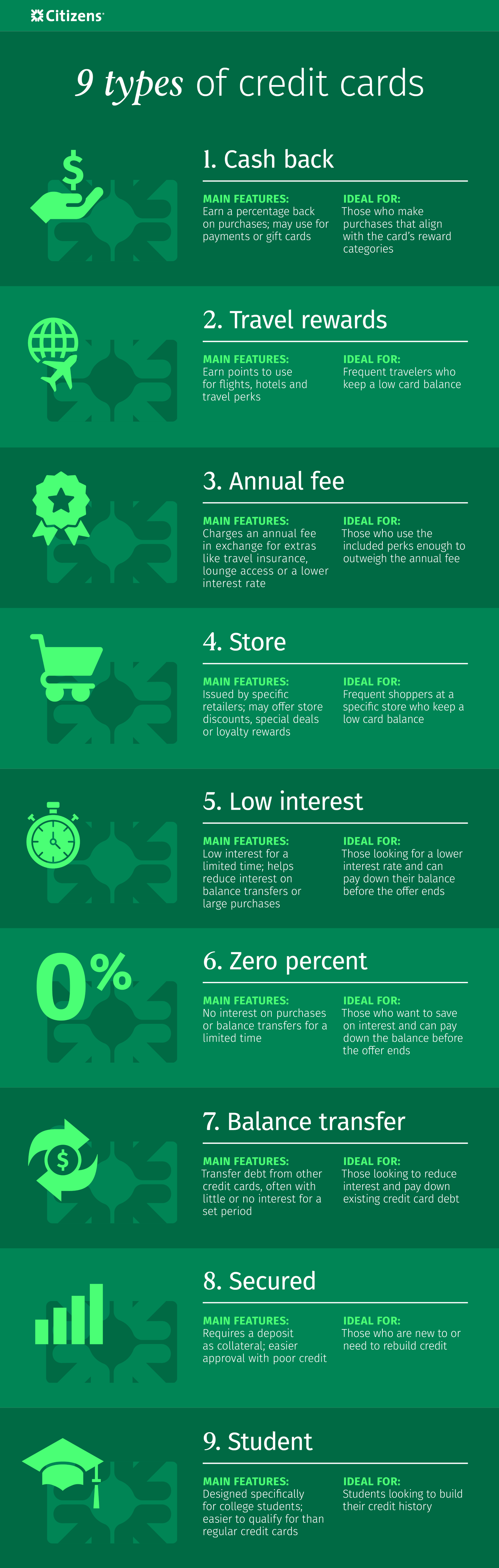
To narrow down your search, it helps to view the credit card market as a series of tiers. By identifying which tier you fall into, you can avoid the frustration of a rejection.
Premium Rewards and Travel Cards (Score: 740+)
This tier includes prestigious cards such as the Chase Sapphire Reserve, the American Express Platinum Card, and the Capital One Venture X. These cards require “Excellent” credit. To qualify, you typically need a clean credit report (no late payments in the last seven years), a high income relative to your debts, and a history of managing high credit limits. These cards offer significant sign-up bonuses and travel credits but come with annual fees ranging from $250 to $695.
Standard Rewards and Cashback Cards (Score: 670–739)
The “Good” credit tier is the most competitive segment of the market. Cards like the Chase Freedom Flex, Blue Cash Everyday from American Express, or the Citi Double Cash fall into this category. These are excellent for everyday spending. Qualification is generally straightforward for those with at least one to two years of credit history and a stable income. While you may not get the “VIP” perks of premium cards, these offer the best value for the average consumer.
Credit-Building and Secured Cards (Score: Below 670)
If your credit is in the “Fair” or “Poor” range, or if you are a student with no history, you qualify for credit-building cards. Secured cards, like the Discover it® Secured, require a refundable security deposit that acts as your credit limit. These cards are designed to report to the credit bureaus to help you graduate to an unsecured card. Qualifying here is almost guaranteed, provided you have a source of income and do not have an active bankruptcy.
Strategic Tools to Determine Qualification
In the modern digital banking era, you no longer have to guess your approval odds. There are sophisticated tools designed to give you a “green light” before you take the risk of a hard inquiry.
Leveraging Pre-Approval and Pre-Qualification Portals
Most major issuers, including American Express, Capital One, and Discover, offer pre-approval tools on their websites. These tools use a “soft pull” on your credit report, which does not affect your score. By entering a few basic details, the issuer will show you exactly which cards you are likely to be approved for. While pre-approval is not a 100% guarantee, it is a highly accurate indicator of your qualification status.
Navigating Bank-Specific Rules
Some banks have “hidden” rules that override your credit score. The most famous is the Chase “5/24 Rule.” If you have opened five or more personal credit cards from any issuer in the past 24 months, Chase will almost certainly deny your application, regardless of how high your score is. Similarly, American Express often limits users to five personal credit cards at one time. Researching these specific issuer policies is essential for high-volume credit users to determine their true qualification odds.
Actionable Steps to Improve Your Approval Odds
If you find that you do not yet qualify for the card you want, there are deliberate steps you can take over a 30-to-90-day period to shift the odds in your favor.
Optimizing Your Credit Utilization Ratio
Your credit utilization—the amount of credit you are using compared to your total limits—accounts for 30% of your FICO score. If you have a $10,000 limit and a $4,000 balance, your 40% utilization may be holding your score back. By paying down your balances to below 10% before you apply for a new card, you can often trigger a 20-to-50-point boost in your score within a single billing cycle, potentially moving you from the “Good” tier to the “Very Good” tier.

Correcting Errors on Your Credit Report
Qualification is often hindered by inaccuracies. According to the FTC, one in five consumers has an error on at least one of their credit reports. This could be a misreported late payment or an account that doesn’t belong to you. By using services like AnnualCreditReport.com to review your files from Equifax, Experian, and TransUnion, you can dispute inaccuracies. Removing a single erroneously reported 30-day late payment can be the difference between a rejection and an approval for a top-tier financial product.
Ultimately, determining which credit cards you qualify for is a matter of aligning your financial reality with the risk appetite of the banks. By monitoring your score, utilizing pre-approval tools, and understanding the specific requirements of different card tiers, you can build a wallet that rewards your spending and enhances your long-term financial health. Strategies rooted in data and patience will always yield better results than firing off applications at random. In the world of personal finance, knowledge is the ultimate collateral.
aViewFromTheCave is a participant in the Amazon Services LLC Associates Program, an affiliate advertising program designed to provide a means for sites to earn advertising fees by advertising and linking to Amazon.com. Amazon, the Amazon logo, AmazonSupply, and the AmazonSupply logo are trademarks of Amazon.com, Inc. or its affiliates. As an Amazon Associate we earn affiliate commissions from qualifying purchases.