
The Tri-Bureau Landscape of Consumer Credit
In the complex ecosystem of personal and business finance, credit agencies play a pivotal role, serving as the primary arbiters of an individual’s financial reliability. Lenders, from small credit unions to colossal financial institutions like Wells Fargo, rely heavily on the data curated by these agencies to make informed decisions regarding loans, credit cards, mortgages, and other credit products. Understanding which agency a specific lender utilizes is a frequent query among consumers aiming to manage their credit effectively.
The Big Three: Experian, Equifax, and TransUnion
Globally, and particularly within the United States, three major credit reporting agencies dominate the landscape: Experian, Equifax, and TransUnion. These entities are independent, for-profit companies that collect, maintain, and disseminate vast quantities of consumer credit information. They receive data from a multitude of sources, including banks, credit card companies, retailers, and even utility providers, creating detailed credit reports for virtually every adult consumer. While they often collect similar types of information, their databases are not identical. Each bureau might have slightly different data points, reporting periods, or even errors, leading to variations in the credit reports and scores generated from each.

The Purpose of Credit Bureaus
The fundamental purpose of these credit bureaus is to provide lenders with a standardized and objective assessment of a borrower’s creditworthiness. When an individual applies for credit, the lender typically requests a credit report and an associated credit score (such as FICO Score or VantageScore, which are derived from the bureau’s data). This information allows the lender to evaluate the applicant’s past payment behavior, debt levels, credit history length, and other factors crucial to predicting future repayment likelihood. Without these centralized repositories of credit data, the lending process would be significantly riskier, more opaque, and less accessible to a broad spectrum of consumers.
Wells Fargo’s Multi-Bureau Strategy
It’s a common misconception that a major financial institution like Wells Fargo exclusively uses a single credit reporting agency for all its lending decisions. In reality, large banks employ a sophisticated, multi-bureau strategy. There isn’t one definitive credit agency that Wells Fargo uses across the board; instead, their choice can vary significantly based on several factors.
Product-Specific Credit Inquiry Practices
The specific financial product an applicant is seeking often dictates which credit bureau, or combination of bureaus, Wells Fargo will pull a report from. This tailored approach allows the bank to optimize its risk assessment for different types of credit obligations.
Credit Cards and Personal Loans
For credit card applications and unsecured personal loans, Wells Fargo frequently pulls a credit report from one of the three major bureaus. The selection process for these products can be quite dynamic. Sometimes, they might have a primary bureau they prefer for a certain region or product line. Other times, the choice might be influenced by factors such as the cost of data access from each bureau at a given time or specific data points a particular bureau might specialize in for a certain demographic or risk profile. It’s not uncommon for them to pull from two bureaus in some cases, especially if an applicant’s initial report raises questions or if it’s a higher-limit card.
Mortgage and Auto Lending
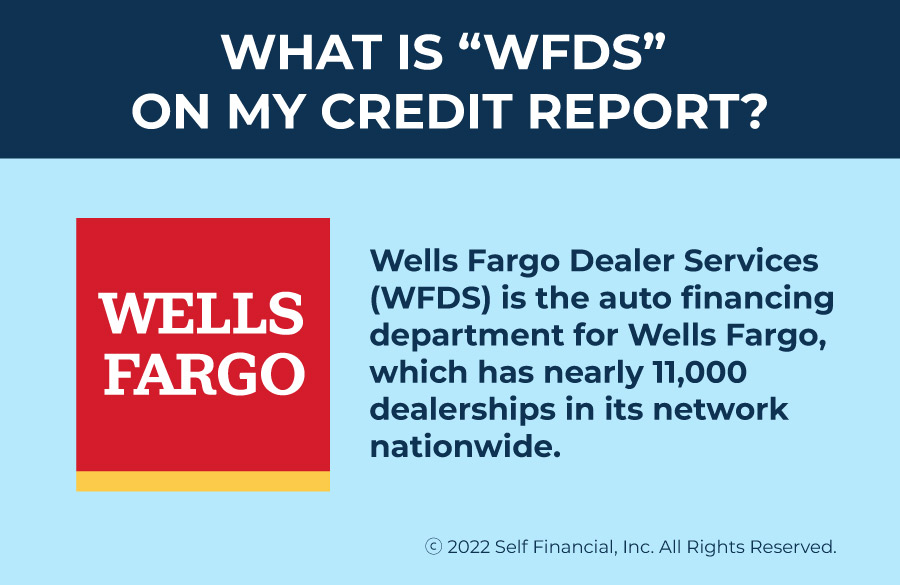
Mortgage applications represent a significantly higher financial commitment and typically involve a more rigorous underwriting process. For this reason, Wells Fargo, like most mortgage lenders, almost universally employs a “tri-merge” credit report. This means they pull reports from all three major credit bureaus – Experian, Equifax, and TransUnion – simultaneously. This comprehensive view provides the most complete and accurate picture of an applicant’s credit history, allowing the bank to assess the substantial risk associated with a home loan more thoroughly. Similarly, for auto loans, which are secured but still carry substantial value, Wells Fargo may pull from one or two bureaus, often leaning towards a more extensive review than for a simple credit card.
Geographical and Operational Considerations
Beyond specific products, geographical location can also play a role. Certain states or regions might have historical or operational agreements with one bureau over another, or perhaps one bureau has a more robust data presence in a particular area. Furthermore, Wells Fargo’s internal operational strategies and risk models can evolve. They might periodically adjust their bureau preferences based on performance metrics, default rates associated with data from a particular bureau, or changes in their own underwriting guidelines. These internal factors are proprietary and typically not disclosed to the public but are nonetheless influential.
Why Lenders Leverage Multiple Bureaus
The primary reason financial institutions like Wells Fargo utilize multiple credit bureaus is to gain a comprehensive and robust understanding of an applicant’s credit risk. Relying on a single source of truth could expose them to several vulnerabilities:
- Data Completeness and Accuracy: As mentioned, data sets across the three bureaus are not identical. One bureau might have a record of an account that another does not, or there might be discrepancies in reporting. By checking multiple reports, Wells Fargo can cross-reference information and get a more complete picture, minimizing the risk of making a decision based on incomplete or erroneous data.
- Risk Mitigation: Diverse data sources help in mitigating risk. If a single bureau has a data breach or an operational issue, the lender is not entirely dependent on that sole source.
- Competitive Intelligence: Lenders may analyze which bureaus provide the most predictive data for certain demographics or product types, allowing them to optimize their lending models and potentially offer more competitive rates to qualified borrowers.
- Regulatory Compliance: In some instances, regulatory requirements or best practices may encourage or even mandate looking at multiple data sources, particularly for high-value loans like mortgages.

Navigating Your Credit Profile with Major Lenders
For consumers, understanding Wells Fargo’s multi-bureau strategy underscores the importance of maintaining a healthy credit profile across all three major reporting agencies. Your financial interactions are reported to these bureaus, and any one of them could be the source for your next loan application.
Understanding Credit Reports vs. Credit Scores
It’s crucial to distinguish between a credit report and a credit score. A credit report is a detailed record of your credit history, including accounts, payment history, public records, and inquiries. A credit score, such as FICO or VantageScore, is a three-digit number derived from the information in your credit report using proprietary algorithms. While the major bureaus collect the underlying data, different scoring models can produce varying scores, even when using data from the same report. Wells Fargo typically uses FICO scores, but the specific FICO version can also vary by product.
The Impact of Credit Inquiries
When Wells Fargo pulls your credit report, it registers as an “inquiry” on your report.
Hard Inquiries vs. Soft Inquiries
- Hard Inquiries: These occur when you apply for new credit (e.g., a credit card, loan, mortgage). They indicate that you are actively seeking new debt, and multiple hard inquiries in a short period can suggest higher risk to lenders. Hard inquiries can cause a slight, temporary dip in your credit score and remain on your report for two years, though their impact diminishes over time. When Wells Fargo assesses an application, this is generally a hard inquiry.
- Soft Inquiries: These occur when you check your own credit, when a pre-approved offer is made to you, or when a lender checks your credit for account management purposes (e.g., an annual review of an existing credit card). Soft inquiries do not affect your credit score and are not visible to other lenders.
Accessing and Monitoring Your Credit Reports
Given Wells Fargo’s varied approach, it is paramount for consumers to regularly access and review their credit reports from all three major bureaus. The Fair Credit Reporting Act (FCRA) entitles you to a free credit report from each of Experian, Equifax, and TransUnion once every 12 months. The official website for this is AnnualCreditReport.com. Regularly checking these reports allows you to:
- Identify and dispute any inaccuracies or errors that could negatively impact your credit score.
- Detect signs of identity theft or fraudulent activity.
- Understand the information lenders are seeing when you apply for credit.
Optimizing Your Financial Health for Lending Success
Successfully securing credit from major lenders like Wells Fargo hinges on proactive and informed credit management. Since you can’t predict which bureau a specific Wells Fargo application will pull from, the best strategy is to ensure all your credit reports are in excellent standing.
Maintaining Strong Credit Fundamentals
Focus on the core pillars of good credit health:
- Payment History: Make all payments on time, every time. This is the single most important factor in your credit score.
- Credit Utilization: Keep your credit card balances low relative to your credit limits, ideally below 30%.
- Length of Credit History: Maintain older accounts, as a longer credit history generally looks more favorable.
- Credit Mix: Demonstrate your ability to manage different types of credit (e.g., installment loans, revolving credit).
- New Credit: Avoid opening too many new accounts in a short period, as this can signal higher risk.
Addressing Discrepancies and Errors
If you discover an error on any of your credit reports, dispute it immediately with the respective credit bureau and the data furnisher (e.g., the bank or creditor). Promptly correcting inaccuracies is crucial, as even a minor error on one bureau’s report could be the one Wells Fargo pulls for your application, potentially affecting your approval or interest rates.
Strategic Credit Management
When planning to apply for a significant loan or credit product from Wells Fargo, it can be beneficial to pull your credit reports from all three bureaus shortly beforehand. This provides you with a full picture of what Wells Fargo might see and allows you to address any issues proactively. By understanding that Wells Fargo operates with a flexible, multi-bureau strategy, consumers are empowered to adopt a holistic approach to credit management, ensuring they are well-prepared for any financial opportunity.
aViewFromTheCave is a participant in the Amazon Services LLC Associates Program, an affiliate advertising program designed to provide a means for sites to earn advertising fees by advertising and linking to Amazon.com. Amazon, the Amazon logo, AmazonSupply, and the AmazonSupply logo are trademarks of Amazon.com, Inc. or its affiliates. As an Amazon Associate we earn affiliate commissions from qualifying purchases.