
In the modern era, the “tired look” has become a ubiquitous aesthetic. While traditionally attributed to genetics or lack of sleep, the rapid integration of high-definition screens, artificial lighting, and 24/7 connectivity has introduced a new set of variables into the equation of human physiology. When we ask what creates dark circles under the eyes today, the answer is increasingly rooted in our relationship with technology. From the physiological impact of High-Energy Visible (HEV) light to the promise of AI-driven dermatological diagnostics, the tech industry is both a primary cause and the ultimate solution for periorbital hyperpigmentation and vascular congestion.
The Digital Strain: How Screen Time and Blue Light Architect Dark Circles
The primary technological culprit behind the modern prevalence of dark circles is the prolonged exposure to digital interfaces. As professionals and consumers spend upwards of eight to ten hours a day staring at monitors, smartphones, and tablets, the eyes undergo a specific type of physiological stress known as Computer Vision Syndrome (CVS).
The Mechanics of Digital Eye Strain (CVS)
Digital eye strain is not merely a feeling of tiredness; it is a physical exertion of the ocular muscles. When we focus on a screen, our blink rate decreases by nearly 60%, leading to dry eyes and irritation. To compensate for the lack of moisture and the constant demand for focus, the body increases blood flow to the ocular region.
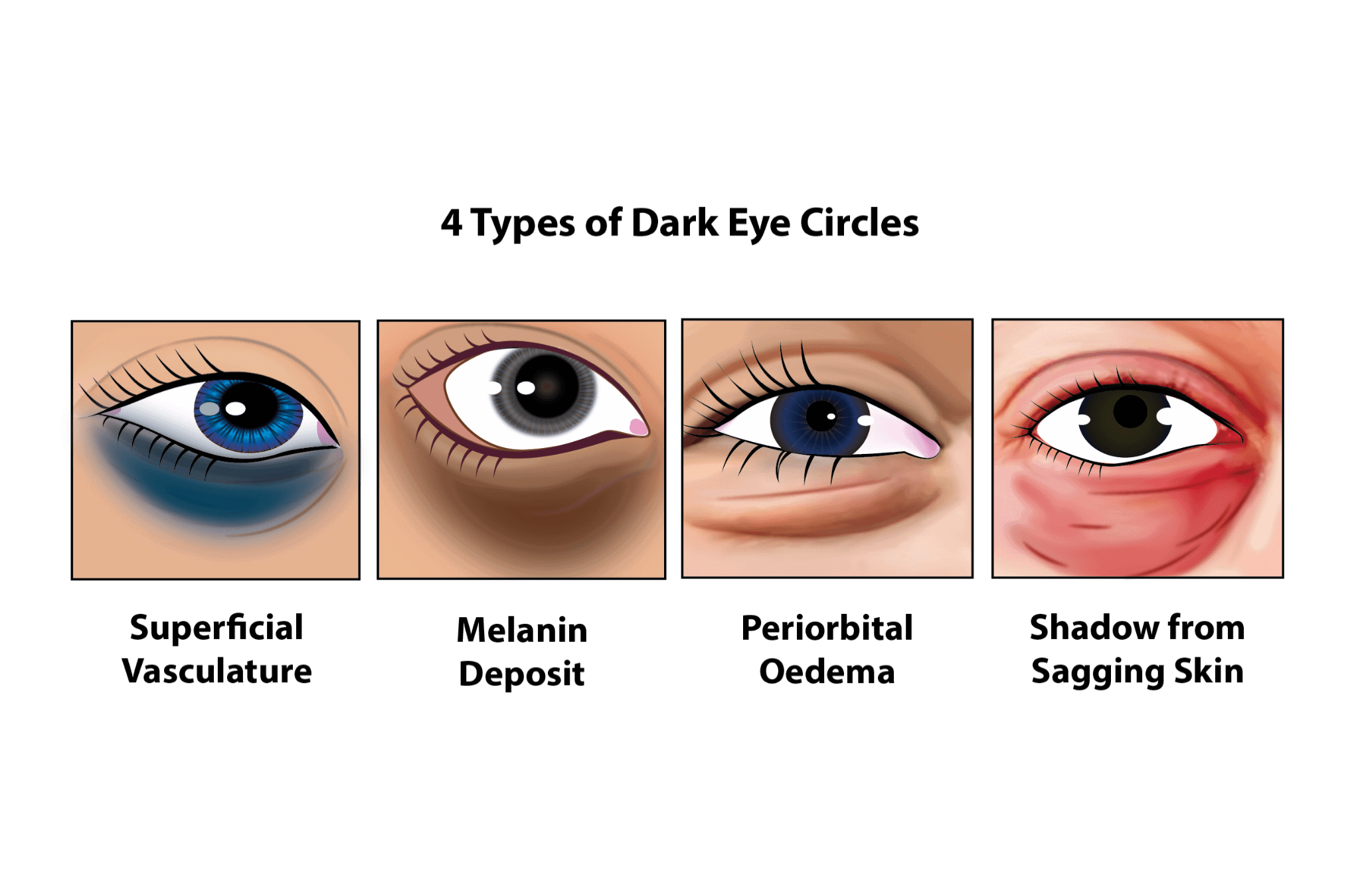
Because the skin beneath the eyes is the thinnest on the entire human body, this localized vasodilation (widening of blood vessels) becomes visible as a dark, bluish-purple tint. Tech-heavy lifestyles force these vessels to remain perpetually dilated, turning a temporary physiological response into a chronic aesthetic concern.
Blue Light’s Impact on Circadian Rhythms and Sleep Quality
Beyond the physical strain of looking at a screen, the “Tech-Glow”—specifically blue light or HEV light—disrupts the endocrine system. Technology emits short-wavelength light that mimics daylight, suppressing the production of melatonin, the hormone responsible for sleep.
Poor sleep hygiene, driven by late-night scrolling or “revenge bedtime procrastination” enabled by mobile devices, prevents the body’s natural repair cycle. During deep sleep, the lymphatic system works to drain fluids; without it, fluid retention (edema) occurs under the eyes, creating shadows and puffiness. In this sense, the hardware we hold in our hands is a direct architect of the dark circles on our faces.
AI and Computer Vision: Revolutionizing the Diagnosis of Periorbital Hyperpigmentation
While technology creates the problem, it also provides the most sophisticated tools for understanding it. Traditional mirrors cannot tell the difference between thin skin, hyperpigmentation, or deep tear troughs. However, modern Artificial Intelligence (AI) and Computer Vision are transforming how we diagnose the root causes of dark circles.
Precision Imaging and Spectral Analysis
New-age dermatological tech employs multispectral imaging to look beneath the surface of the skin. Companies are developing AI tools that can distinguish between “pigmentary” dark circles (excess melanin) and “vascular” dark circles (poor circulation).
By using specific wavelengths of light to capture images, these tools can map the concentration of hemoglobin and melanin. This level of technical data allows for a precision in treatment that was previously impossible. Instead of a one-size-fits-all “eye cream,” software can now dictate whether a user needs a vascular-constricting ingredient or a melanin-inhibitor, based on pixel-by-pixel data analysis.
Personalization Through Machine Learning Algorithms
The rise of “Skin-Tech” apps utilizes machine learning to track the evolution of dark circles over time. By analyzing daily “selfies,” these algorithms correlate the darkness of the periorbital region with external data points like screen time (harvested from Apple Health or Google Fit), local UV indexes, and sleep data.
This creates a feedback loop where the software identifies specific triggers. For a software engineer, the AI might identify that dark circles peak after twelve-hour coding sprints, suggesting that the primary cause is vascular strain rather than genetic pigmentation. This data-driven approach shifts the focus from vanity to a metrics-based understanding of ocular health.

Wearable Tech and Smart Devices: Proactive Prevention Strategies
As the “Quantified Self” movement continues to grow, technology has moved from our desks to our bodies. Wearable devices are now frontline tools in the fight against the environmental factors that create dark circles.
Smart Glasses and Blue Light Filtering Innovation
The hardware industry has responded to digital eye strain with the development of advanced optical technology. While “blue light glasses” were once simple yellow-tinted lenses, modern smart glasses incorporate active filtering layers and even biometric sensors.
Some high-end prototypes now include sensors that detect when a user has stopped blinking frequently, providing haptic feedback to remind the user to rest their eyes. By regulating the amount of HEV light hitting the retina and ensuring the ocular muscles aren’t overtaxed, these wearable tech solutions address the “what” of dark circles at the source of emission.
Biometric Sensors for Sleep Optimization
The dark circles created by sleep deprivation are being mitigated by the rise of smart rings and sleep-tracking wearables like the Oura Ring or Whoop strap. These devices monitor heart rate variability (HRV) and sleep stages (REM, Deep, and Light).
By providing users with a “Readiness Score,” this technology encourages behavior modification. If the data shows that late-night blue light exposure is truncating the REM cycle—leading to the puffiness and dark circles associated with poor lymphatic drainage—users are more likely to implement “digital sunsets.” The tech acts as an early warning system, predicting the appearance of dark circles before they become visible to the naked eye.
The Future of Aesthetic Tech: Non-Invasive Procedures and Robotics
When preventive tech isn’t enough, the field of Med-Tech offers high-tech interventions. The evolution of aesthetic technology has moved away from invasive surgery toward precision-engineered energy devices.
Laser Precision and Targeted Frequency Devices
What creates dark circles is often a lack of collagen or thinning of the dermis. Modern Q-switched and Picosure lasers are marvels of physics, delivering bursts of energy in trillionths of a second to shatter pigment or stimulate collagen production without damaging the surrounding tissue.
Furthermore, Radiofrequency (RF) and Ultrasound technology (such as Ultherapy) use high-frequency waves to heat the deep layers of the skin, triggering a “neocollagenesis” response. These devices are controlled by sophisticated software that ensures the energy delivery is uniform, reducing the human error previously associated with such treatments.
VR/AR in Cosmetic Consultation and Simulation
Augmented Reality (AR) is changing the consultation phase for treating dark circles. Before undergoing any tech-driven procedure, patients can use AR “Magic Mirrors” to simulate the results of various treatments.
By using 3D mapping of the face, these tools can show how different light-reflecting fillers or laser resurfacing will change the shadows under the eyes in various lighting conditions. This reduces the “tech-anxiety” of patients and allows for a more collaborative, data-backed approach to aesthetic management.
Conclusion: The Symbiosis of Tech and Human Health
The question of what creates dark circles under the eyes is no longer a purely biological one. In a society defined by the digital interface, these circles are often the physical manifestation of our technological habits. However, the same innovation that strains our eyes is providing the roadmap for their recovery.
Through the integration of AI diagnostics, advanced wearables, and precision aesthetic hardware, we are entering an era where “digital fatigue” can be measured, managed, and mitigated. As we continue to refine the tools that analyze and treat the periorbital region, the focus remains on a balance: using technology to enhance our productivity without allowing its side effects to be written across our faces. The future of skincare is not found in a jar, but in the algorithms and sensors that help us navigate a screen-filled world.
aViewFromTheCave is a participant in the Amazon Services LLC Associates Program, an affiliate advertising program designed to provide a means for sites to earn advertising fees by advertising and linking to Amazon.com. Amazon, the Amazon logo, AmazonSupply, and the AmazonSupply logo are trademarks of Amazon.com, Inc. or its affiliates. As an Amazon Associate we earn affiliate commissions from qualifying purchases.