
Navigating the modern financial landscape requires more than just a healthy bank balance; it requires the ability to prove exactly where your money comes from and how consistently it arrives. Whether you are applying for a mortgage, leasing a new apartment, or seeking a business loan, “proof of income” serves as the primary metric of your financial reliability. In an era where the traditional 9-to-5 job is increasingly supplemented or replaced by freelance contracts, investment dividends, and gig economy platforms, the definition of what counts as proof has expanded significantly.
Understanding the various forms of documentation accepted by lenders and institutions is essential for anyone looking to secure their financial future. Proof of income is not a one-size-fits-all requirement; the specific documents you need will depend heavily on your employment status, the nature of your earnings, and the specific requirements of the entity requesting the information.

The Foundations of Income Verification for Traditional Employees
For those in traditional employment, the process of proving income is generally straightforward, as the employer handles much of the reporting infrastructure. However, even within this category, there are nuances that can affect how a lender perceives your financial stability.
Paystubs and Earning Statements
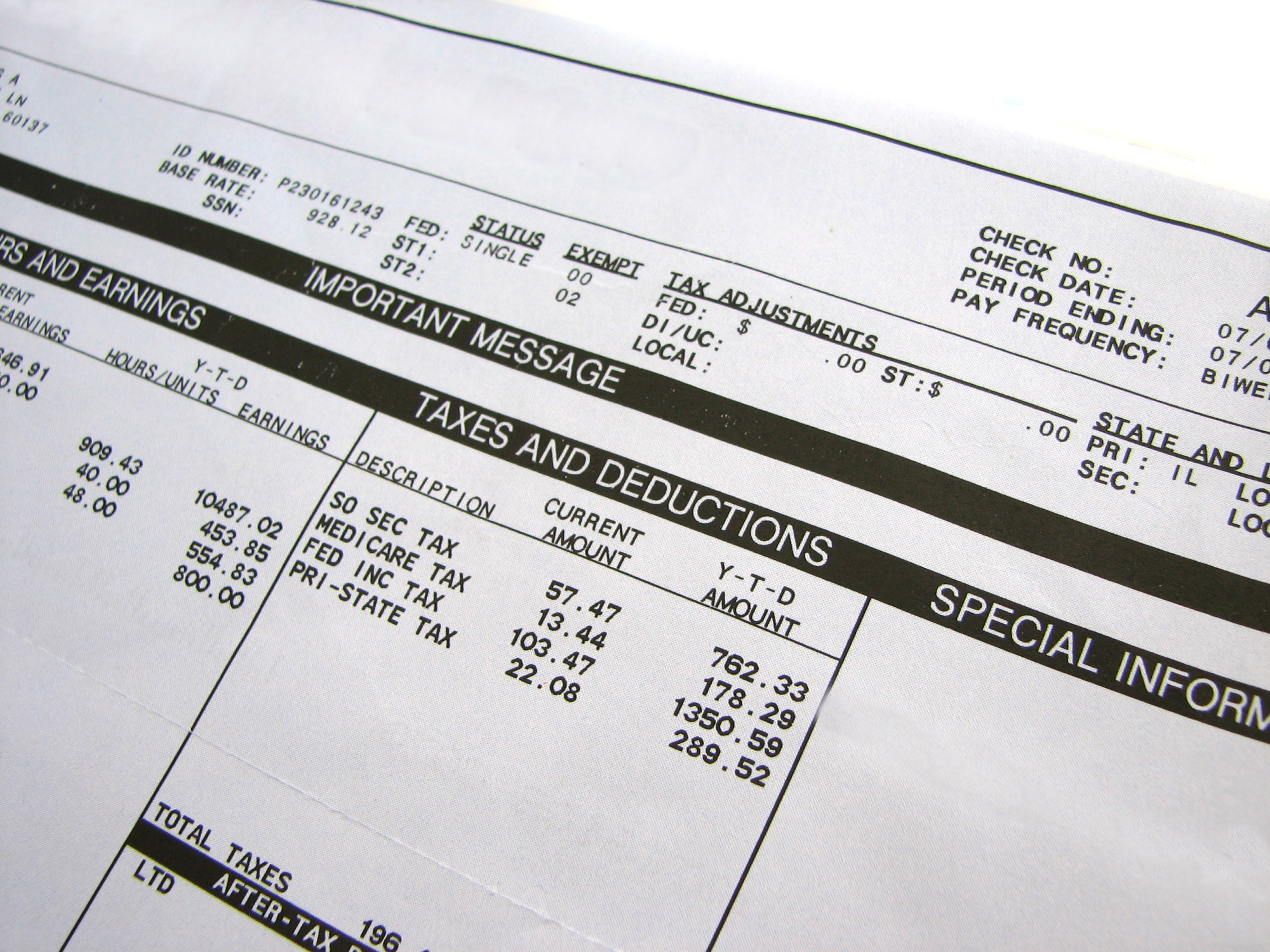
The most common and widely accepted form of income proof is the paystub. Most institutions require at least two to three months of consecutive stubs to establish a pattern of regular earnings. A valid paystub must include more than just the net amount deposited into your account; it should detail your gross pay, tax withholdings, and any deductions for insurance or retirement contributions. Perhaps most importantly, lenders look for the “Year-to-Date” (YTD) earnings. This figure allows them to verify that your current income is consistent with your total earnings for the year, helping to filter out any temporary bonuses or overtime that might artificially inflate your monthly average.
W-2 Wage and Tax Statements
The W-2 form is the gold standard for annual income verification in the United States. Since it is a formal document filed with the IRS, it carries a high level of credibility. It provides a comprehensive summary of your earnings and taxes paid over a full calendar year. Lenders often request the two most recent W-2s to compare year-over-year stability. This is particularly important for employees whose compensation includes commissions or performance-based bonuses, as it demonstrates a long-term track record of earning potential.
Employer Verification Letters
In some instances, such as when a worker has recently started a new job or received a significant raise, a paystub may not reflect their current earning capacity. In these cases, a signed letter from the employer on company letterhead can serve as valid proof. This letter should clearly state the employee’s name, job title, salary or hourly rate, and the date employment began. For those relocating for work, an official offer letter signed by both parties is often accepted as “anticipatory” proof of income by landlords and some mortgage lenders.
Proving Income in the Freelance and Gig Economy
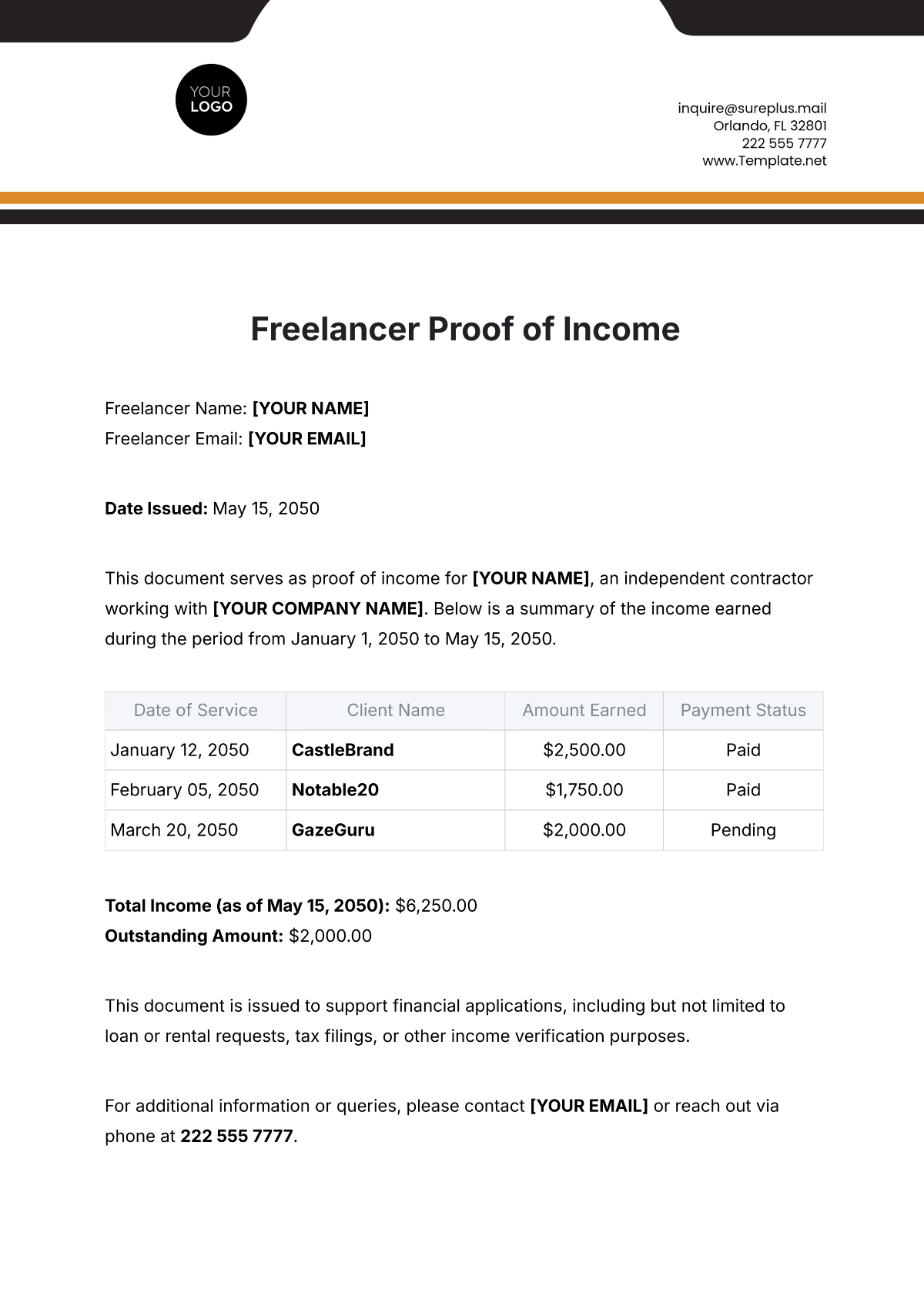
As the workforce shifts toward independent contracting and entrepreneurship, the methods for proving income have become more complex. Without a traditional HR department to issue paystubs, self-employed individuals must act as their own record-keepers.
1099 Forms and Information Returns
For freelancers and independent contractors, the 1099 form is the equivalent of the W-2. Specifically, the 1099-NEC (Nonemployee Compensation) and 1099-MISC are vital documents. These forms are issued by clients who have paid you more than $600 during the tax year. While they prove that money was received, they do not show the expenses incurred to earn that money. Consequently, 1099s are usually used in conjunction with other documents to provide a clearer picture of “net” rather than “gross” income.
Federal Tax Returns (Form 1040 and Schedule C)
For self-employed individuals, the federal tax return is the most definitive proof of income. Lenders typically focus on the Schedule C, which details profit and loss from a business. They look at the “bottom line” figure—the net profit after all business deductions have been accounted for. It is important to note that because many business owners use legal deductions to reduce their taxable income, their “proven” income on a tax return may be lower than their actual cash flow. This is a common hurdle in the world of personal finance, often requiring business owners to provide two or more years of returns to prove a consistent upward or stable trend.
Business and Personal Bank Statements
When tax returns are not yet available—for instance, if a business is less than a year old—bank statements become the primary evidence of income. Lenders may request 12 to 24 months of statements to track deposits. They are looking for regular, identifiable deposits from clients or payment processors. For the best results, it is crucial to keep business and personal finances separate. Co-mingled funds make it difficult for an underwriter to verify which deposits are legitimate business revenue and which are personal transfers, often leading to a rejection of the income proof.
Profit and Loss (P&L) Statements
A Profit and Loss statement is a self-generated or accountant-prepared document that summarizes the revenues, costs, and expenses incurred during a specific period. While it is not a government-verified document like a tax return, a P&L statement is often required for business loan applications or for self-employed individuals applying for high-value mortgages mid-year. If the statement is certified by a Certified Public Accountant (CPA), it carries significantly more weight with financial institutions.
Alternative and Passive Income Sources
Income is not always the result of a weekly paycheck or a client invoice. For many, financial stability is built through investments, government benefits, or legal settlements. These sources require their own specific sets of documentation.
Investment Dividends and Interest
Individuals who live off their portfolios can use 1099-DIV or 1099-INT forms to prove their earnings. Additionally, monthly or quarterly brokerage statements can demonstrate the consistency of dividend payouts. When using investment income as proof, lenders often look at the total value of the underlying assets to ensure that the income is sustainable and not just a result of liquidating capital.
Social Security and Pension Benefit Letters
For retirees, the Social Security Administration (SSA) provides an annual Benefit Verification Letter. This document is a formal statement of the monthly amount received and is widely accepted as a permanent, stable source of income. Similarly, private pension funds and annuity providers issue annual statements or 1099-R forms that serve as proof of retirement distributions.
Court-Ordered Payments: Alimony and Child Support
Alimony and child support can be counted as income, provided there is documentation proving the payments will continue for a foreseeable future (typically at least three years from the date of the application). Proof usually requires a copy of the court order or divorce decree, along with bank statements showing that the payments have been received consistently over the previous six to twelve months.
Rental Income
If you own investment property, the rent you collect is considered valid income. To prove this, you will need to provide copies of current lease agreements and the Schedule E from your federal tax return, which reports supplemental income and loss. Lenders generally apply a “vacancy factor” (often 25%) to rental income, meaning they may only count 75% of your gross rental receipts toward your qualifying income to account for potential maintenance costs and periods without tenants.
Strategic Organization of Financial Documentation
Securing a loan or a lease often comes down to how clearly you can present your financial narrative. Organizing your proof of income is not just a clerical task; it is a strategic move to demonstrate financial literacy and reliability.
Maintaining a Digital Paper Trail
In the digital age, physical paperwork is becoming obsolete, but the need for documentation remains. It is a best practice to maintain a secure, encrypted digital folder containing PDFs of your last two years of tax returns, the last six months of bank statements, and your most recent paystubs or 1099s. Having these ready to send at a moment’s notice can significantly speed up the approval process for any financial application.
Verifying Accuracy and Consistency
Before submitting any proof of income, it is essential to cross-reference your documents. Does the income stated on your bank statements align with the net pay on your paystubs? Does your Schedule C reflect the 1099s you received? Discrepancies, even if they are honest mistakes or the result of timing issues, can trigger red flags for underwriters. If there are anomalies—such as a one-month gap in freelance income or a large one-time bonus—be prepared to provide a written explanation or “Letter of Explanation” to provide context.
Managing Seasonal and Variable Income
For those in industries with seasonal fluctuations (such as construction, tourism, or certain retail sectors), proving income requires showing an annual average rather than a monthly snapshot. If you are applying for credit during a “down” month, your year-to-date figures and previous years’ tax returns become your most important assets. Highlighting the cyclical nature of your business through a multi-year comparison can help lenders understand that a temporary dip in cash flow does not represent a long-term risk.
Ultimately, “proof of income” is the bridge between your financial reality and your future goals. By understanding what counts—from the standard W-2 to the complex P&L statement—and maintaining rigorous records, you position yourself as a credible and low-risk candidate in any financial transaction. Whether you are a traditional employee or a modern entrepreneur, the ability to document your earnings is one of the most powerful tools in your personal finance toolkit.
aViewFromTheCave is a participant in the Amazon Services LLC Associates Program, an affiliate advertising program designed to provide a means for sites to earn advertising fees by advertising and linking to Amazon.com. Amazon, the Amazon logo, AmazonSupply, and the AmazonSupply logo are trademarks of Amazon.com, Inc. or its affiliates. As an Amazon Associate we earn affiliate commissions from qualifying purchases.