
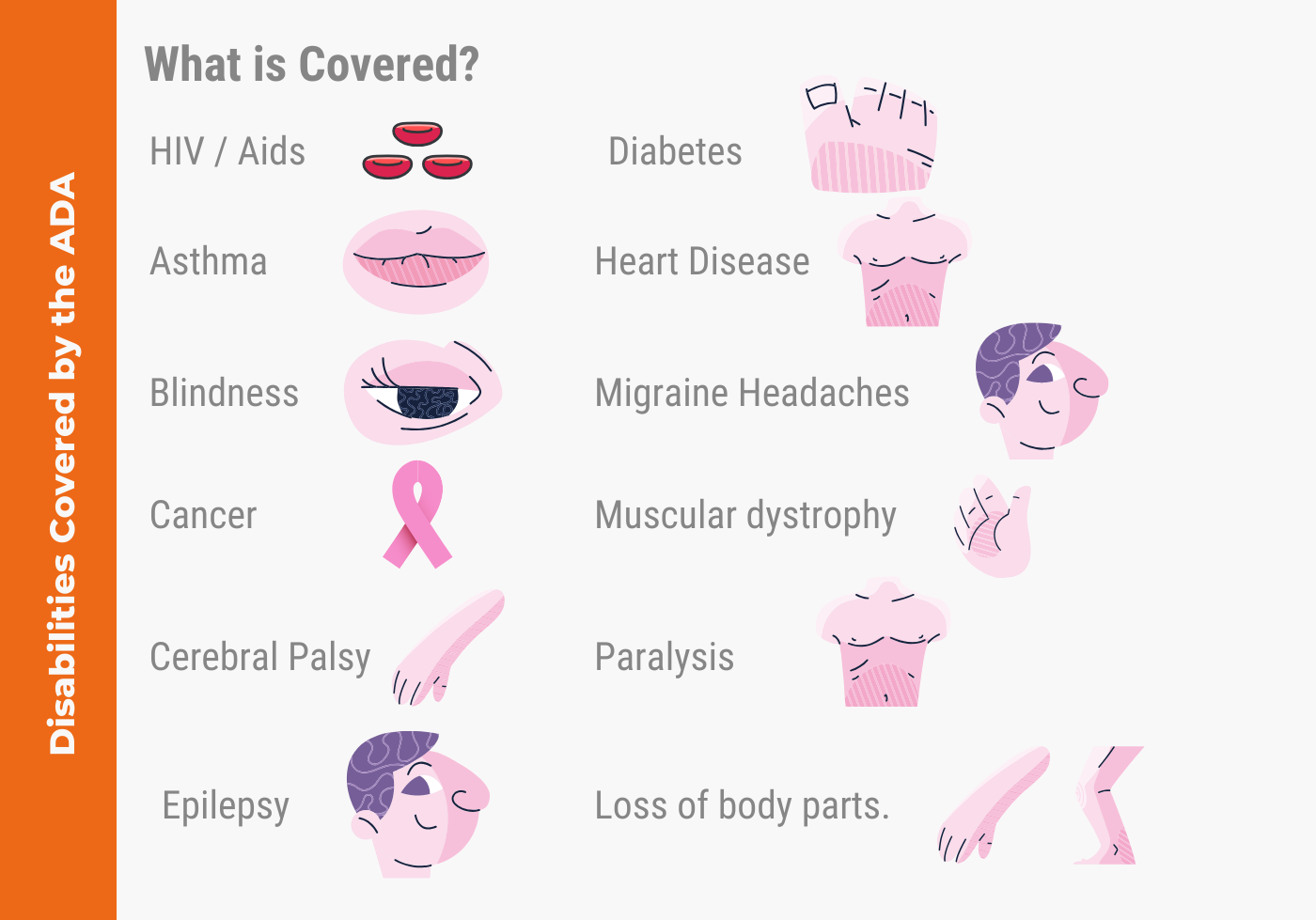
The question of “what counts as a disability” is often viewed through a medical lens, but in the realms of personal finance, insurance, and corporate strategy, the definition is strictly economic. Whether you are an individual protecting your future income, a business owner ensuring ADA compliance, or an investor looking at corporate social responsibility (CSR) metrics, understanding the criteria for disability is a fundamental financial necessity.
In the financial world, disability is not a static medical condition; it is a functional limitation that impacts your ability to generate revenue, claim tax advantages, or qualify for specific financial instruments. This guide explores the multifaceted definitions of disability within the “Money” niche, providing clarity on how these definitions affect wealth management and business operations.
The Financial Definition of Disability: Why Context Matters
From a financial perspective, a disability is defined by its impact on earning capacity. While a physician might diagnose a chronic condition based on pathology, a financial institution or government body assesses that same condition based on “Substantial Gainful Activity” (SGA). This distinction is the bedrock of disability financial planning.
Social Security Administration (SSA) vs. Private Insurance
The most rigid definition comes from the Social Security Administration. To the SSA, you are considered disabled only if you cannot do work that you did before, you cannot adjust to other work because of your medical condition(s), and your disability has lasted or is expected to last for at least one year or to result in death. This is an “all-or-nothing” definition that leaves no room for partial disability.
Conversely, private disability insurance companies often use a more nuanced definition. They may recognize “partial” or “residual” disabilities, allowing a policyholder to collect a portion of their benefits if they can still work but have suffered a significant loss of income due to their condition. For high-earners, the private definition is often more valuable than the public one, as it focuses on maintaining a specific standard of living rather than just providing a survival floor.
Total vs. Partial Disability in Financial Planning
In personal finance, the distinction between total and partial disability determines the structure of an individual’s “safety net.”
- Total Disability: Usually means the individual is unable to perform any of the essential duties of any occupation for which they are reasonably suited by education, training, or experience.
- Partial Disability: Often defined as the inability to perform one or more of the important duties of your occupation, or the inability to perform those duties for more than 50% of the time.
Understanding these nuances is vital when calculating “human capital”—the present value of all future wages. If a disability counts toward your insurance policy’s definition but not the government’s, your financial plan must account for that gap in coverage.
Navigating Government Benefits and Tax Incentives
When asking what counts as a disability in the context of money, one must look at the Internal Revenue Service (IRS) and the specific financial vehicles designed for the disabled community. These programs represent significant tax-sheltered growth opportunities and income offsets.
The Blue Book: Meeting SSA Requirements
The SSA maintains a “Listing of Impairments,” colloquially known as the Blue Book. This document categorizes medical criteria for various body systems (such as musculoskeletal, cardiovascular, or neurological disorders). If a condition is listed in the Blue Book and meets the severity requirements, it “counts” as a disability for the purposes of receiving Social Security Disability Insurance (SSDI) or Supplemental Security Income (SSI).
For financial advisors, the Blue Book serves as a checklist. If a client’s condition does not meet these specific criteria, the financial plan must pivot toward private savings or alternative income streams, as government support will likely be denied.
Disability Tax Credits and ABLE Accounts
From a tax perspective, the definition of disability can lead to significant savings. The Credit for the Elderly or the Disabled is available to those who are permanently and totally disabled. To qualify, you must have a physician certify that you cannot engage in any substantial gainful activity due to a physical or mental condition that has lasted or will last at least 12 months.
Furthermore, the Achieving a Better Life Experience (ABLE) Act of 2014 created a revolutionary financial tool: the ABLE Account (529A). To qualify for an ABLE account, an individual must have a disability that occurred before age 26 (this age limit is set to increase to 46 in 2026). These accounts allow for tax-advantaged savings—much like a 429 college savings plan—without jeopardizing eligibility for means-tested government benefits like Medicaid. Knowing if a condition counts as a disability under the ABLE Act is perhaps the most important financial consideration for young families navigating long-term care costs.
Private Disability Insurance: Protecting Your Greatest Asset
For most professionals, their ability to earn an income is their most valuable asset, far exceeding the value of their home or investment portfolio. Private disability insurance is the financial product designed to hedge against the risk of losing this asset. However, what “counts” as a disability in a private policy is entirely dependent on the contract’s language.
Short-Term vs. Long-Term Disability (LTD)
Short-term disability (STD) typically covers conditions that last from a few weeks to six months. This might include recovery from surgery or a temporary illness. Long-term disability (LTD) kicks in after an “elimination period” (usually 90 to 180 days) and can last for several years or until retirement age.
The financial strategy here involves aligning the elimination period of an LTD policy with an individual’s emergency fund. If you have six months of cash reserves, you can opt for a longer elimination period, which significantly lowers the monthly premium, thus optimizing your cash flow.
The “Own-Occupation” vs. “Any-Occupation” Clause
This is the most critical distinction in the “Money” niche regarding disability.
- Own-Occupation: This definition considers you disabled if you cannot perform the specific duties of your specific job, even if you could work in another field. For example, if a surgeon develops a hand tremor, they are “disabled” under an Own-Occ policy because they can no longer operate, even if they could still teach at a medical school.
- Any-Occupation: This is a much stricter definition. You are only considered disabled if you cannot work in any job for which you are qualified. Under this definition, the surgeon would not be considered disabled if they were capable of taking a desk job.
For high-income earners, “Own-Occupation” coverage is the gold standard of financial protection, as it ensures that their specialized earning power is protected, regardless of their general capacity to work.
The Business Side: Disability in the Workplace and Corporate Finance
For business owners and corporate executives, the question of what counts as a disability is tied to the Americans with Disabilities Act (ADA) and its impact on the bottom line. Beyond legal compliance, there is a clear financial incentive for fostering an inclusive environment.
ADA Compliance and Small Business Tax Credits
Under the ADA, a disability is defined as a physical or mental impairment that substantially limits one or more major life activities. For a business, failing to accommodate these disabilities can result in massive litigation costs and reputational damage.
However, the tax code offers “carrots” alongside the “sticks.” Small businesses can take advantage of the Disabled Access Credit (Section 44 of the Internal Revenue Code), which provides a non-refundable tax credit for small businesses that incur expenditures to provide access to persons with disabilities. Additionally, the Barrier Removal Tax Deduction (Section 190) allows businesses of any size to deduct up to $15,000 a year for the cost of removing barriers in facilities or vehicles. Understanding these financial definitions allows a business to offset the costs of accessibility upgrades.
The ROI of Disability Inclusion in Business Strategy
Modern brand strategy and corporate finance are increasingly focused on ESG (Environmental, Social, and Governance) metrics. Companies that actively recruit and accommodate employees with disabilities often see a higher Return on Investment (ROI). According to research by organizations like Accenture, companies that lead in disability inclusion have historically seen 28% higher revenue and 30% higher economic profit margins than their peers.
In this context, “disability” counts as a source of untapped human capital. By investing in assistive technology and flexible work arrangements, businesses can lower turnover costs and tap into a diverse talent pool that drives innovation. For an investor, a company’s ability to define and integrate disability inclusion into its corporate identity is often a sign of sophisticated management and long-term financial health.
Conclusion: Defining Disability for Financial Success
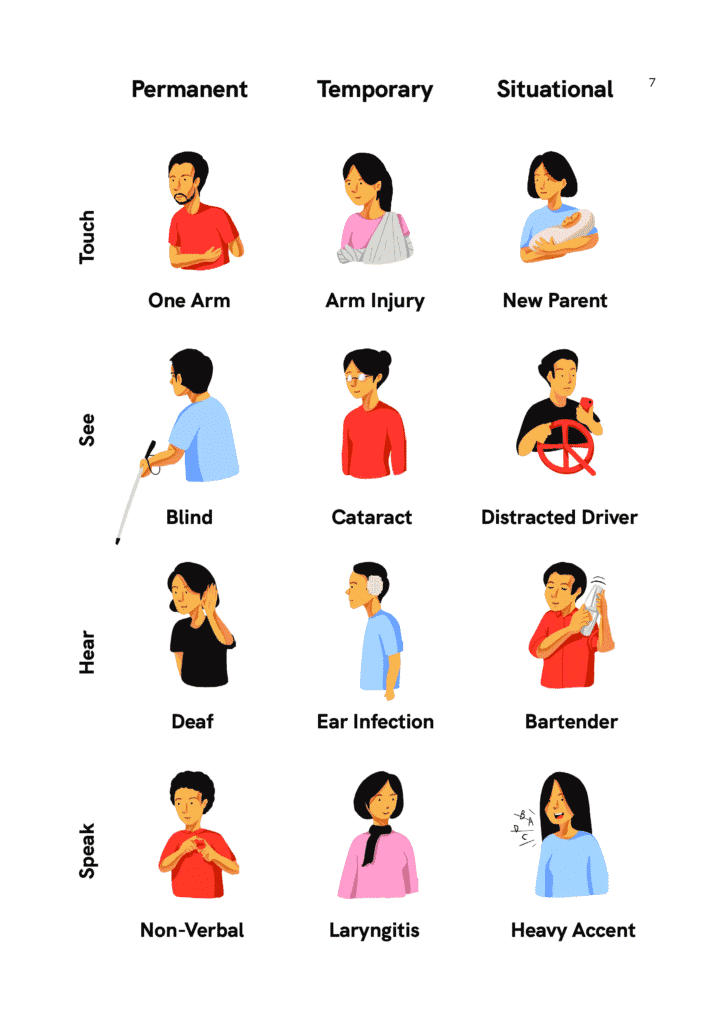
In the world of money, “disability” is a term defined by contracts, tax codes, and actuarial tables. It is the bridge between a medical diagnosis and a financial strategy. Whether you are leveraging an ABLE account for tax-free growth, selecting an “Own-Occupation” insurance policy to protect your salary, or claiming small business tax credits for accessibility, understanding the specific criteria is essential.
By viewing disability through this economic lens, individuals and businesses can better prepare for the unexpected, ensuring that a change in physical or mental health does not lead to a total financial collapse. In the end, what counts as a disability is any condition that alters your financial trajectory—and the goal of a professional financial plan is to ensure that trajectory remains upward, regardless of the challenges faced.
aViewFromTheCave is a participant in the Amazon Services LLC Associates Program, an affiliate advertising program designed to provide a means for sites to earn advertising fees by advertising and linking to Amazon.com. Amazon, the Amazon logo, AmazonSupply, and the AmazonSupply logo are trademarks of Amazon.com, Inc. or its affiliates. As an Amazon Associate we earn affiliate commissions from qualifying purchases.