
The annual celebration of Halloween has transcended its origins to become a global cultural touchstone, a powerful brand experience celebrated by millions. But to truly understand the current trajectory and enduring appeal of this phenomenon, we must first delve into its foundational brand identity. The question, “what country started Halloween tradition,” is not merely a historical query; it’s an investigation into the genesis of a cultural brand, tracing its initial market positioning, subsequent rebranding efforts, and eventual global expansion. By examining its origins, we gain insight into the core values and narratives that have allowed Halloween to adapt, evolve, and maintain its relevance across centuries and continents.
The Genesis of a Global Brand: Samhain’s Celtic Roots
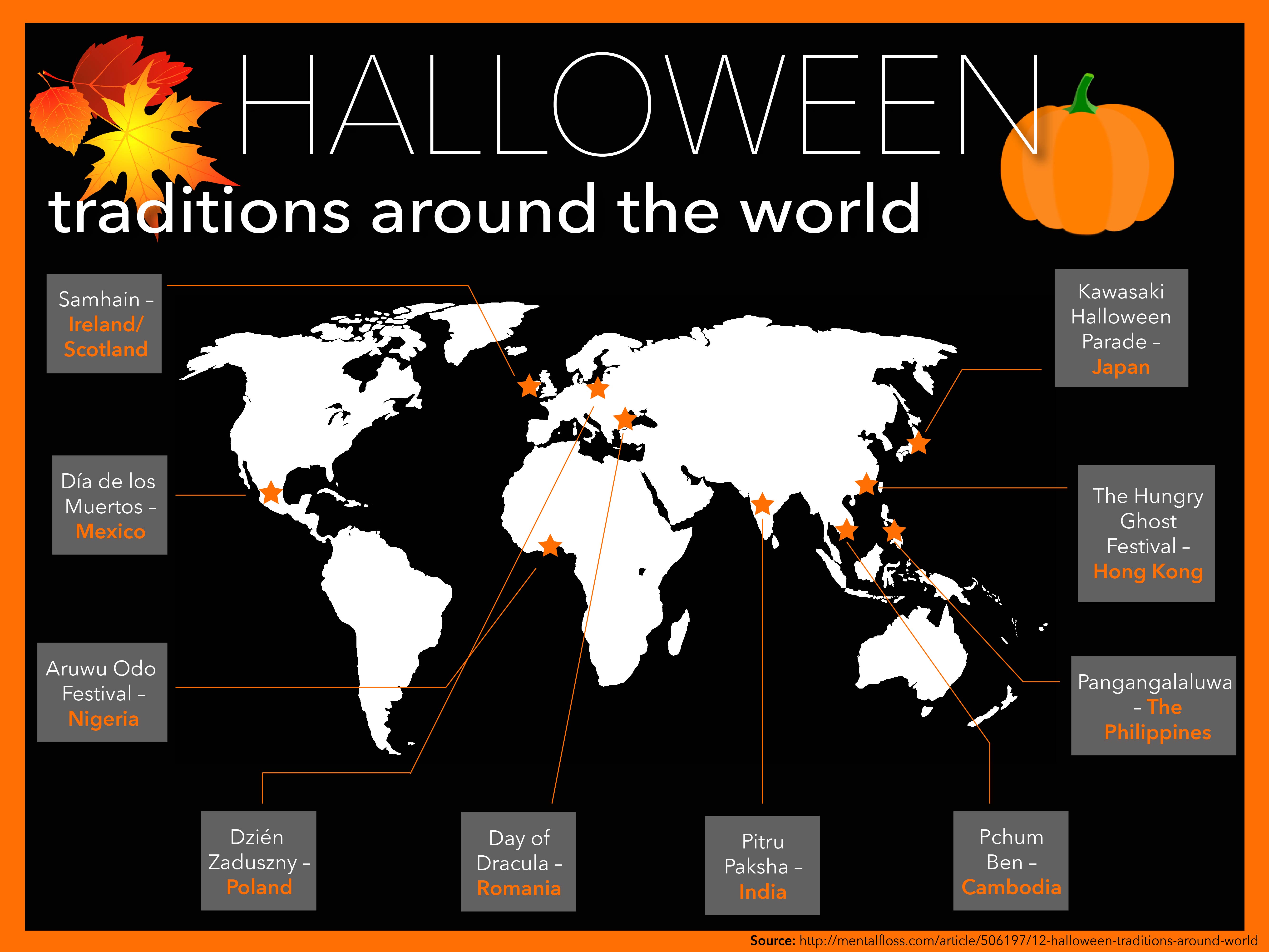
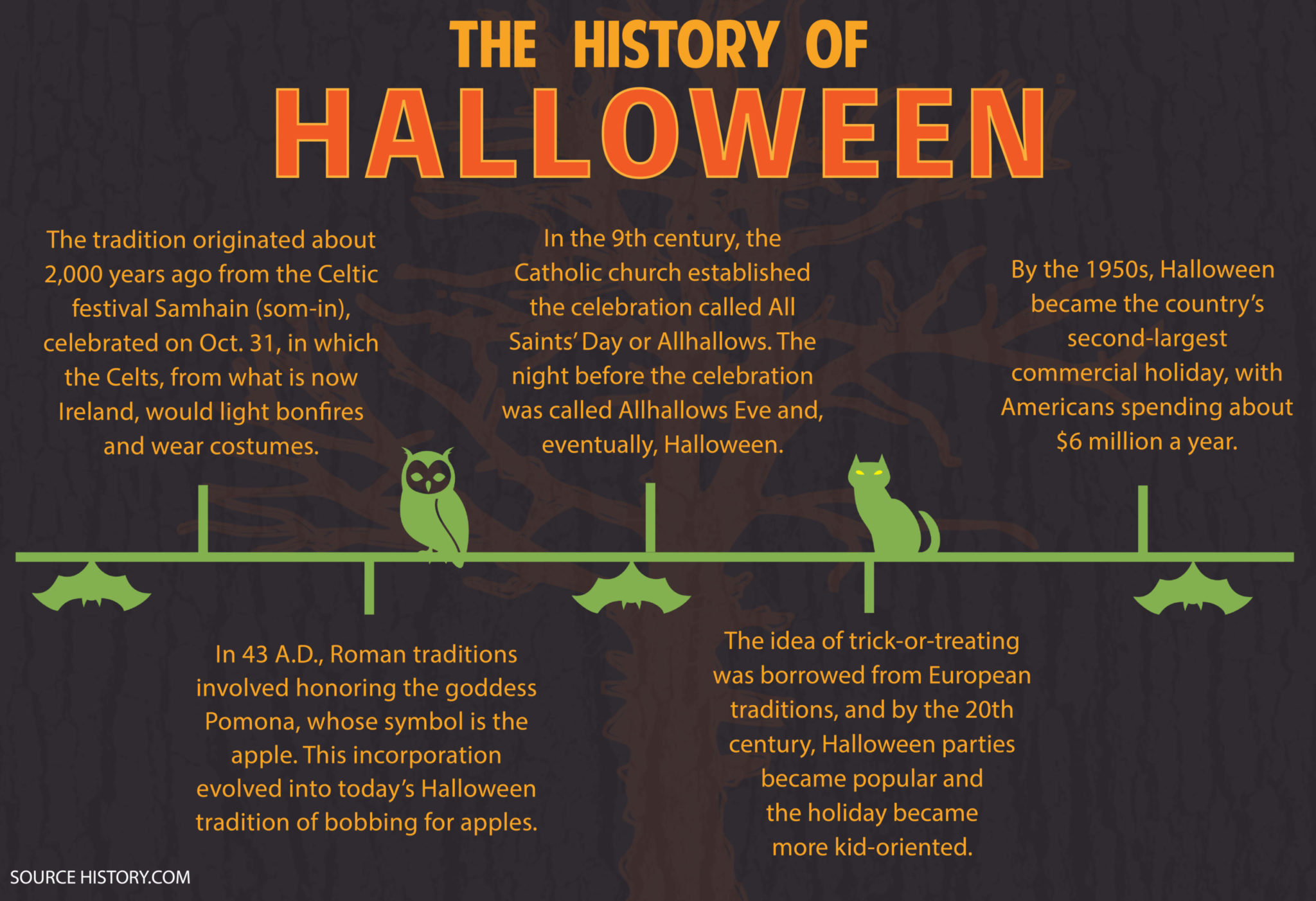
To identify the “founding nation” of the Halloween brand, we must journey back over two millennia to the ancient Celtic lands, primarily modern-day Ireland, the United Kingdom, and northern France. Here, the precursor to Halloween, a pagan festival known as Samhain (pronounced sow-in), emerged as a pivotal cultural event. This period marks the very first iteration of the Halloween “brand,” defining its initial purpose and core identity.
From Ancient Ritual to Core Identity
Samhain was the most significant of the four quarterly Celtic festivals, marking the end of summer and the harvest and the beginning of the dark, cold winter. This liminal period was steeped in spiritual significance. The Celts believed that on Samhain eve, the boundary between the living and the dead blurred, allowing spirits to cross over. This belief system formed the foundational narrative of the Samhain brand: a time of supernatural encounter, remembrance, and the cyclical nature of life and death. The practices associated with Samhain—lighting bonfires to ward off evil spirits, leaving food offerings for departed ancestors, and divining the future—were the original “brand activations” designed to engage the community with this potent concept. These rituals instilled a sense of awe, community, and connection to the spiritual realm, establishing an emotional resonance that would prove critical for the brand’s longevity. The identity of Samhain was thus rooted in a profound respect for the natural world and the unseen forces that governed it, positioning it as a time for both solemn reflection and communal celebration.
The Cultural ‘Brand’ of Early Celtic Societies
For Celtic societies, Samhain was more than just a festival; it was an integral part of their collective brand identity. It reinforced their cosmological understanding, their social structures, and their relationship with the divine. The shared experience of Samhain created a powerful sense of community and cultural cohesion, serving as a mnemonic device that passed core beliefs from one generation to the next. The “Samhain brand” wasn’t marketed through conventional means, but through oral tradition, communal participation, and the inherent power of shared belief. This organic brand building laid a robust groundwork, ensuring that even as the political and religious landscape of Europe shifted, the essence of Samhain persisted. Its authenticity, deeply embedded in the daily lives and spiritual beliefs of the Celts, made it incredibly resilient to external pressures, allowing its core features to eventually re-emerge in new forms, a testament to the strength of its original brand architecture.
Transatlantic Brand Evolution: Rebranding for a New World
The journey from Samhain to modern Halloween is a fascinating case study in brand adaptation and cultural rebranding. As the Roman Empire expanded, conquering Celtic territories, Samhain encountered new cultural influences. The Romans had their own harvest festivals and a day to honor the dead. This period saw the first significant “brand merge,” with Samhain adopting elements of Roman traditions, subtly altering its identity but retaining its core supernatural narrative. However, the most profound rebranding occurred with the rise of Christianity. The Church, facing the challenge of converting pagan populations, often employed a strategy of absorption rather than outright prohibition.
Immigration and the Fusion of Identities
In the 7th century, Pope Boniface IV established All Saints’ Day on May 13th, later moved to November 1st by Pope Gregory III in the 8th century, likely to supplant Samhain. The evening before All Saints’ Day became All Hallows’ Eve, or Hallowe’en, a clever strategic move to overlay a Christian observance onto an existing pagan holiday. This was a classic “rebranding” exercise: maintain the timing and communal engagement, but shift the explicit spiritual focus. While the new Christian holiday honored saints, the lingering pagan beliefs about spirits crossing over remained, creating a fascinating hybrid brand identity.
The next major chapter in Halloween’s brand evolution unfolded with mass immigration to the Americas, particularly during the 19th century Irish Potato Famine. Irish and Scottish immigrants brought their Hallowe’en traditions with them, introducing them to a diverse cultural melting pot. This transatlantic journey marked a significant “brand extension” and “market diversification” for Halloween. In its new environment, the brand was stripped of some of its more somber, ritualistic elements and began to acquire a lighter, more playful identity.
The American Melting Pot: A New Brand Narrative
In America, the “Halloween brand” encountered a unique environment. It mingled with existing harvest festivals, Native American traditions, and the burgeoning American appetite for entertainment and community events. This period saw a pivotal “repositioning” of the Halloween brand. No longer solely a solemn religious or spiritual observance, it began to incorporate elements of neighborly gatherings, storytelling, and ultimately, mischief. Pranksterism, which had historical roots in Samhain’s chaotic energy, found a new expression, leading to traditions like “trick-or-treating.”
This evolution was crucial for the brand’s survival and growth. By shedding some of its more austere historical baggage and embracing a broader appeal—fun, community, and mild fright—Halloween transformed into a more accessible and inclusive brand. The adaptation to American culture allowed Halloween to move beyond its ethno-religious confines, setting the stage for its eventual commercialization and global mainstream acceptance. The emphasis shifted from appeasing spirits to engaging with neighbors, from solemnity to playful masquerade, effectively launching a new, more marketable brand narrative.
Commercialization and Global Brand Expansion
The 20th century marked Halloween’s definitive transition from a regional cultural observance to a commercial juggernaut and global brand powerhouse. This era saw the conscious development of marketing strategies, product lines, and brand extensions that would cement Halloween’s place in popular culture. The “country that started” it provided the core concept, but America provided the entrepreneurial spirit and marketing infrastructure to globalize it.
The Modern Marketing Machine: Costumes, Candy, and Decor
The mid-20th century witnessed the full-scale commercialization of Halloween. Post-World War II prosperity and the rise of mass media provided fertile ground for the Halloween brand to flourish. The tradition of “trick-or-treating,” initially a localized custom, was actively promoted by candy manufacturers and greeting card companies. These corporations recognized the immense market potential, effectively becoming key “brand ambassadors” for Halloween. They invested heavily in marketing campaigns that linked their products directly to the holiday, creating a powerful synergy.
Costumes, once homemade and simple, became a multi-billion-dollar industry, offering consumers a vast array of “brand experiences” from terrifying to whimsical. Decorations, from jack-o’-lanterns to elaborate yard displays, transformed homes into temporary “brand storefronts,” showcasing individual engagement with the holiday. This proliferation of products and services created an entire “Halloween ecosystem,” making it easy for consumers to participate and reinforcing the holiday’s omnipresence. The focus shifted from the ancient fear of spirits to the delightful fear of a well-executed haunted house, and the joy of consumer indulgence. This strategic shift from a spiritual brand to an experiential consumer brand was critical for its modern success.
Adapting the Brand: Local Interpretations and Global Reach
Today, Halloween is a truly global brand, demonstrating remarkable adaptability. While its core elements—costumes, candy, spooky themes—remain consistent, individual countries and cultures have adopted and adapted the Halloween brand to fit their local contexts, showcasing successful “brand localization” strategies. In Japan, Halloween is often celebrated with elaborate street parades and cosplay, emphasizing the aesthetic and performative aspects of the brand. In Mexico, while the traditional Día de Muertos (Day of the Dead) holds distinct spiritual significance, Halloween festivities sometimes blend in, showcasing a cross-cultural “brand fusion.”
This global diffusion highlights the inherent strength and flexibility of the Halloween brand. Its central themes of transformation, the supernatural, and community engagement are universal, allowing it to resonate across diverse demographics. Countries and cultures don’t merely “copy” Halloween; they interpret it, infusing it with local flavor, creating unique “brand extensions” that enrich the overall Halloween narrative. This organic expansion, driven by both commercial interests and grassroots adoption, signifies a mature and highly adaptable global brand that continues to find new markets and expressions.
The Enduring Brand Legacy: A Tradition’s Identity
The journey of Halloween, from the ancient Celtic festival of Samhain to a global commercial and cultural phenomenon, is a powerful testament to the enduring nature of a strong brand identity. While the “country that started” the tradition—ancient Ireland and the broader Celtic regions—laid the foundational brand, its subsequent evolution, rebranding, and commercialization have been a truly international endeavor. The Halloween brand thrives because it has consistently adapted, maintaining its core appeal while embracing change and innovation.
Sustaining Brand Relevance Across Generations
One of the most impressive aspects of the Halloween brand is its ability to sustain relevance across generations. Its inherent themes—mystery, fantasy, transformation, and community—are timeless. For children, it’s about magic, candy, and dressing up; for teenagers and adults, it offers an outlet for creativity, social connection, and a touch of playful transgression. This multi-generational appeal is a hallmark of truly successful brands, ensuring a continuous cycle of engagement and fostering brand loyalty from an early age. The brand continuously reinvents itself through new popular culture references in costumes, evolving horror genres, and innovative interactive experiences, keeping it fresh and exciting without losing its core identity.
Protecting the Core Identity While Embracing Innovation
The challenge for the Halloween brand moving forward is to continue innovating while protecting its core identity. As new technologies emerge, from virtual reality haunted houses to augmented reality trick-or-treating, the brand has opportunities for further “digital transformation.” However, it must balance these innovations with the preservation of its fundamental elements: the spooky atmosphere, the communal gatherings, and the sense of playful escapism.
Ultimately, the story of Halloween is a masterclass in brand evolution. What started as a specific cultural practice in ancient Celtic lands has undergone successive phases of adaptation, rebranding, and commercialization, transcending its initial geographical and spiritual confines. The question of “what country started Halloween tradition” points us to its originators, but the continuing story of Halloween is about how a powerful brand narrative, built on ancient roots, can captivate and connect a global audience for millennia. It is a heritage brand that continually reinvents its future, proving that the most enduring brands are those that remember where they came from, but are never afraid to evolve.
aViewFromTheCave is a participant in the Amazon Services LLC Associates Program, an affiliate advertising program designed to provide a means for sites to earn advertising fees by advertising and linking to Amazon.com. Amazon, the Amazon logo, AmazonSupply, and the AmazonSupply logo are trademarks of Amazon.com, Inc. or its affiliates. As an Amazon Associate we earn affiliate commissions from qualifying purchases.