
The question of “what country has the most gold medals of all time” is often met with a quick statistical answer: the United States. With over 1,000 gold medals in the Summer Games and hundreds more in the Winter Games, the U.S. remains the undisputed leader in the historical tally. However, from a financial and business perspective, this dominance is not merely a product of population size or cultural interest in sports. It is the result of a complex, multi-billion-dollar economic engine that treats athletic excellence as a high-stakes investment.
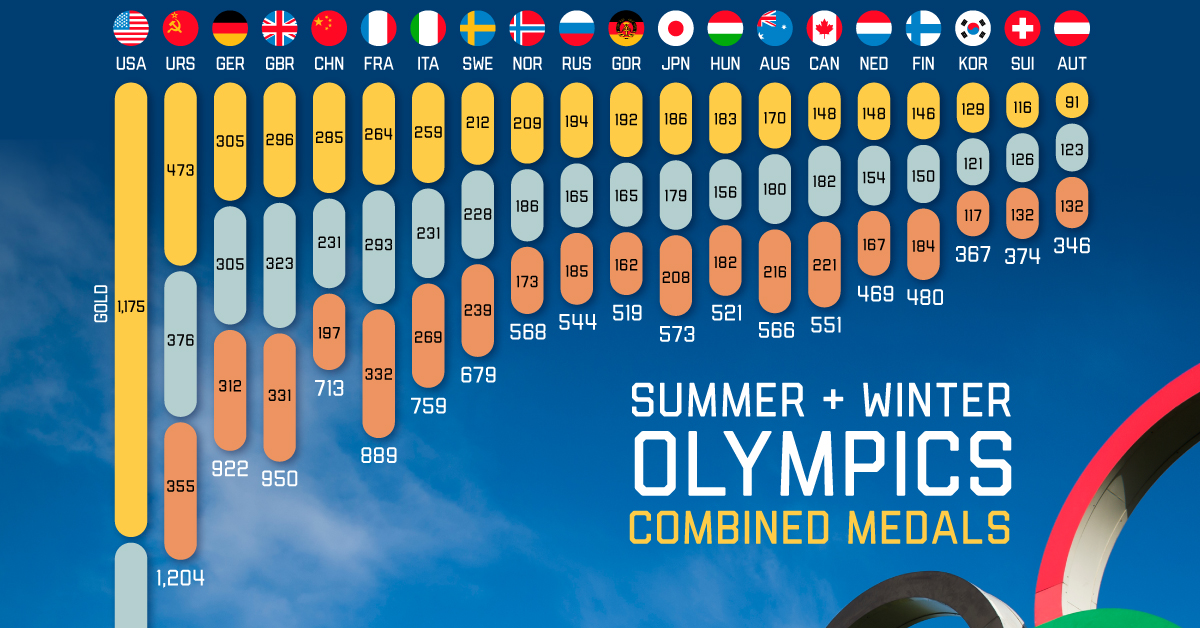
To understand why certain nations consistently rise to the top of the podium, we must look beyond the physical training and examine the fiscal policies, private capital flows, and national budgeting strategies that transform human potential into gold-plated assets.
The Billion-Dollar Race: Why the United States Leads the All-Time Gold Count
The United States’ position at the top of the all-time medal table is a unique case study in decentralized capital. Unlike many of its closest competitors, the U.S. Olympic and Paralympic Committee (USOPC) receives no direct annual funding from the federal government. Instead, its success is fueled by a sophisticated hybrid of private philanthropy, corporate sponsorships, and a massive collegiate sports economy.
The Private Funding Model vs. State Support
In the world of international finance, the U.S. model is the ultimate example of a “market-driven” approach to sport. The USOPC operates as a non-profit entity that relies on the sale of broadcasting rights and domestic sponsorship programs. By treating the “Team USA” brand as a blue-chip corporate asset, the organization generates hundreds of millions of dollars in revenue every quadrennium. This financial autonomy allows for flexible capital allocation, where funds can be directed toward high-performance technology, specialized coaching, and athlete stipends based on performance metrics.
Collegiate Athletics as a Financial Engine
Perhaps the most significant “hidden” investment in the U.S. gold medal tally is the NCAA system. American universities invest billions of dollars annually into athletic infrastructure, scholarships, and training facilities. For many Olympic sports—such as swimming, track and field, and gymnastics—the U.S. collegiate system serves as a taxpayer-and-donor-funded incubator. This system effectively subsidizes the development of elite athletes, providing them with world-class facilities and coaching that many other nations would have to fund through direct government intervention.
The Return on Investment (ROI) of Olympic Gold
For a nation, a gold medal is more than a trophy; it is an intangible asset that can yield significant economic returns. Governments and private investors view sports success as a tool for soft power, brand positioning, and domestic economic stimulation.
Direct Rewards and Performance-Based Incentives
Many countries utilize a “pay-for-performance” model to incentivize athletes. For instance, countries like Singapore or Kazakhstan have been known to offer six-figure bonuses for a single gold medal. From a business finance perspective, this is a classic incentive structure designed to mitigate the “opportunity cost” for athletes who sacrifice traditional career paths to train. When an athlete wins, the payout is a small price for the nation to pay in exchange for the global visibility and prestige that follows, which can lead to increased tourism and foreign investment interest.
The “Brand Value” of National Athletic Success
In the global marketplace, a country’s “brand” influences its economic standing. Nations that consistently win gold medals project an image of discipline, technological advancement, and organizational efficiency. This “halo effect” can influence trade relationships and diplomatic leverage. For example, the “Great Britain” brand saw a significant valuation increase following the 2012 London Olympics and the subsequent Rio 2016 success, fueled by a strategic “Lottery Funding” model that treated sports as a portfolio of high-yield investments.
Rising Financial Powerhouses: China’s Strategic Investment in Gold
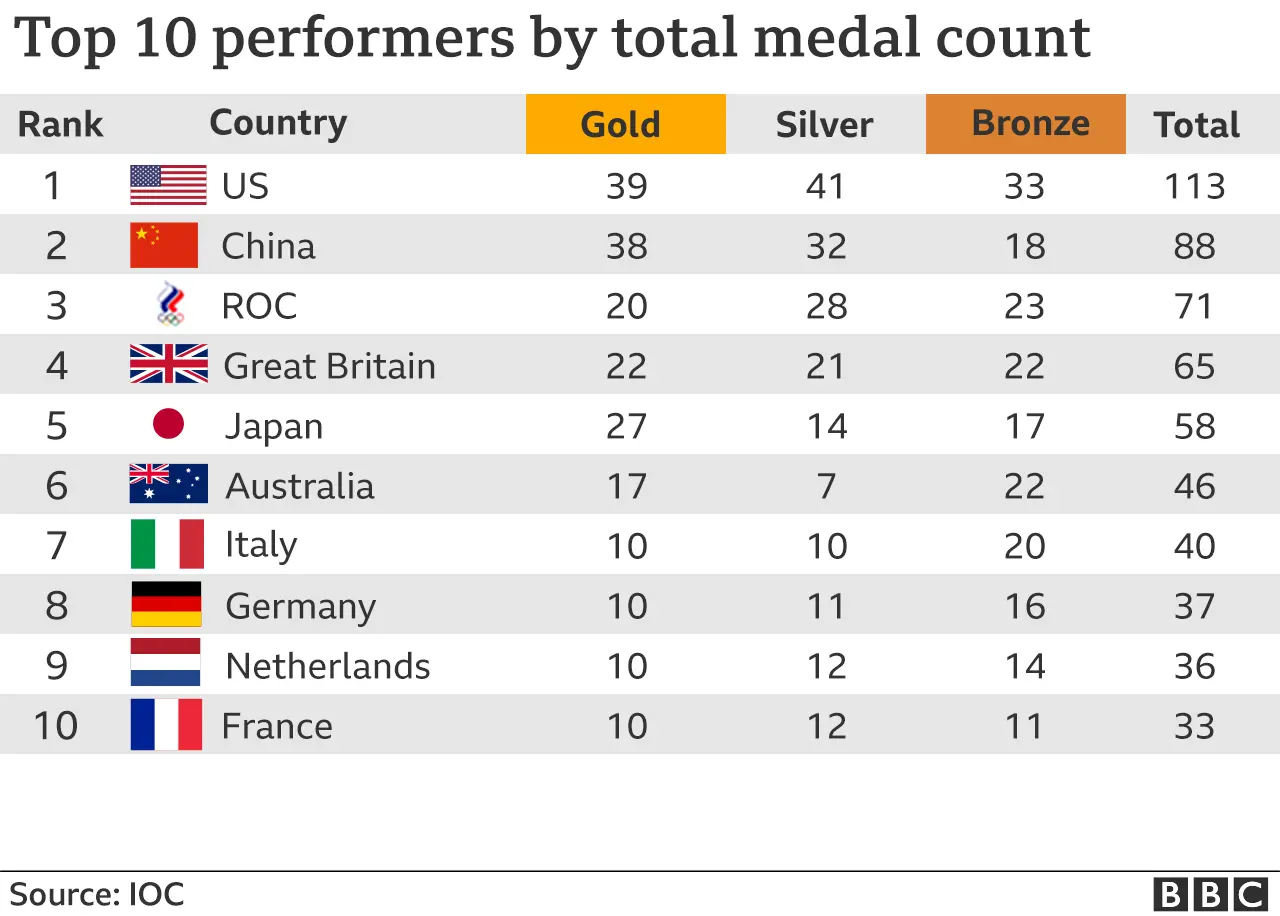
While the U.S. leads the all-time count, China has become the most formidable challenger in the 21st century. Their rise is a masterclass in state-led economic planning and targeted capital deployment.
The State-Led Economic Model of Sport
China’s “Juguo Tizhi” (Whole-Nation System) treats the pursuit of gold medals as a national priority, with funding integrated directly into the central government’s fiscal budget. This allows for a level of long-term capital commitment that private models often struggle to match. By centralizing resources, China can fund specialized “sports academies” in every province, ensuring a constant pipeline of talent. This is essentially a massive research and development (R&D) project where the “product” is an elite athlete.
Specialization and Market Efficiency in “Niche” Events
One of the most brilliant financial strategies China employed to climb the all-time rankings was “project 119.” This was a data-driven initiative to identify sports with high medal counts that were historically under-funded by Western nations—such as shooting, weightlifting, and diving. By pouring capital into these “market inefficiencies,” China maximized its ROI, gaining more gold medals per dollar spent than if they had tried to compete solely in high-saturation sports like basketball or soccer.
The Cost of a Medal: Efficiency and Waste in National Sports Budgets
To truly answer which country has the most gold medals, one must also ask at what cost they were acquired. Financial analysts often look at “cost per medal” to determine which nations have the most efficient sports economies.
Measuring Success per Dollar Spent
Countries like the United Kingdom and Australia have refined the art of “no-compromise” funding. In the UK, UK Sport (funded by the National Lottery and the taxpayer) allocates money strictly based on medal potential. If a sport does not demonstrate a high probability of a podium finish, its funding is cut or redirected to more “profitable” disciplines. This ruthless fiscal discipline has allowed the UK to consistently punch above its weight class in the gold medal standings, demonstrating that strategic capital allocation can often outperform sheer volume of wealth.
Infrastructure and the Long-Term Economic Legacy
A major part of the financial conversation surrounding gold medals is the “White Elephant” syndrome—the phenomenon where billions are spent on stadiums that fall into disrepair after the games. Nations that lead the gold medal count often have to balance the high cost of maintaining training infrastructure against the desire for fiscal responsibility. The most successful countries financially are those that can repurpose Olympic venues into revenue-generating assets, such as community hubs or professional training centers that charge membership and hosting fees.

Conclusion: The Currency of Victory
Ultimately, the answer to “what country has the most gold medals of all time” is a reflection of economic history. The United States leads because of its long-standing ability to leverage private capital and a robust collegiate system. The former Soviet Union and modern-day China represent the power of state-centralized investment. Meanwhile, nations like Great Britain show the efficacy of a “Venture Capital” approach to athletics.
In the modern era, a gold medal is the culmination of a decade-long financial journey involving insurance, sponsorships, infrastructure depreciation, and human capital management. As the business of sports continues to evolve, the leaderboard of the Olympics will remain as much a map of global economic power as it is a record of athletic achievement. The race for gold is no longer just on the track—it is in the boardroom, the treasury, and the investment portfolio.
aViewFromTheCave is a participant in the Amazon Services LLC Associates Program, an affiliate advertising program designed to provide a means for sites to earn advertising fees by advertising and linking to Amazon.com. Amazon, the Amazon logo, AmazonSupply, and the AmazonSupply logo are trademarks of Amazon.com, Inc. or its affiliates. As an Amazon Associate we earn affiliate commissions from qualifying purchases.