
The intersection of healthcare and technology, often referred to as HealthTech, has fundamentally transformed how we approach medical symptoms. Historically, a symptom like hematuria—the clinical term for blood in the urine—would require a physical visit to a clinic, manual laboratory testing, and a multi-day wait for results. Today, the question of what could cause blood in urine is being answered by a sophisticated ecosystem of AI-driven diagnostics, wearable biosensors, and remote monitoring tools.
As we move into an era of proactive wellness, technology is bridging the gap between clinical expertise and patient-led data. This article explores the technological trends and software innovations currently revolutionizing the detection, analysis, and management of the underlying causes of hematuria.
1. The Rise of Smart Toilets and IoT Biosensors
One of the most significant shifts in technology is the movement from reactive diagnostics to continuous monitoring. For decades, the bathroom was a “data-blind” spot in the home. However, modern Internet of Things (IoT) integration is turning the toilet into a sophisticated diagnostic tool capable of identifying subtle changes in human waste that the naked eye might miss.
The Integration of Optical Sensors
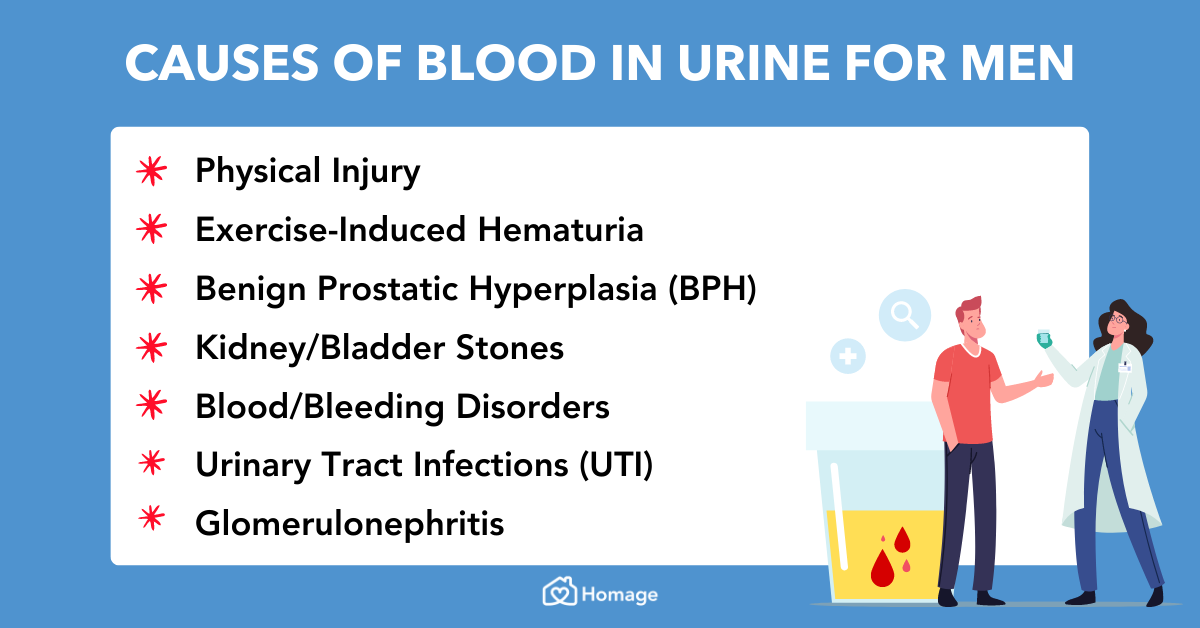
Smart toilets are now being equipped with advanced optical sensors that use multi-spectral imaging to detect the presence of hemoglobin. While visible blood (gross hematuria) is easy to spot, microscopic hematuria (blood invisible to the eye) often goes unnoticed until it becomes a serious issue. By utilizing specific wavelengths of light, these IoT devices can flag the presence of red blood cells during a routine bathroom visit. This tech-first approach allows for early intervention, identifying potential triggers such as kidney stones or urinary tract infections (UTIs) long before they reach a critical stage.
Biochemical Analysis via Microfluidics
Beyond simple optics, the next generation of bathroom tech incorporates microfluidic “lab-on-a-chip” systems. These chips can perform a chemical analysis of urine in real-time. By measuring parameters such as protein levels, glucose, and pH, the software can provide a comprehensive profile of the user’s renal health. When a user asks what could cause blood in urine, the accompanying app can cross-reference the chemical data to suggest whether the cause might be exercise-induced stress, a specific medication reaction, or a chronic condition like glomerulonephritis.
2. AI and Machine Learning in Urological Image Recognition
Artificial Intelligence (AI) has become the backbone of modern diagnostic accuracy. In the realm of urology, machine learning models are being trained on millions of images to identify the root causes of blood in the urine with a precision that often surpasses human capability.
Algorithmic Detection of Micro-Hematuria
The analysis of urine sediment—traditionally a task for a human pathologist—is being automated through computer vision. AI algorithms can scan digital slides of urine samples, identifying and counting red blood cells, white blood cells, and bacteria. This software reduces human error and speeds up the diagnostic pipeline. By categorizing the shape and structure of the cells (dysmorphic vs. isomorphic), the AI can help clinicians determine if the blood is originating from the kidneys (suggesting a tech-analyzed nephrological issue) or the lower urinary tract (suggesting an anatomical issue like a tumor or cyst).
Deep Learning in Cystoscopy and Imaging
When hematuria is detected, a cystoscopy (inserting a camera into the bladder) is often the next step. Tech companies are now integrating deep learning overlays onto these live video feeds. As the camera moves through the bladder, the AI highlights suspicious tissue areas that might indicate bladder cancer—a primary cause of blood in the urine. This “augmented reality” approach ensures that even the smallest lesions are not overlooked, significantly improving the early detection rates of urological malignancies.
3. Telemedicine and the Decentralization of Diagnostic Testing
The “App-ification” of healthcare has led to a surge in at-home diagnostic kits that sync directly with smartphones. This decentralization ensures that patients can investigate symptoms like blood in urine without immediate access to a specialized hospital.

Smartphone-Enabled Urinalysis Kits
Several startups have developed FDA-cleared kits that use a smartphone’s camera as a spectrometer. A user dips a chemically treated strip into a urine sample and then scans it with their phone. The software analyzes the color changes on the strip to detect blood, nitrites (for infection), and leukocytes. This immediate data point is then uploaded to a secure cloud where a telehealth provider can review it. This tech stack eliminates the “wait and see” period, providing an instant answer to the initial concern of what might be causing the symptom.
Integrated Health Data Ecosystems
The true power of this technology lies in its ability to integrate with broader health ecosystems like Apple HealthKit or Google Fit. By combining urinalysis data with heart rate, activity levels, and sleep patterns, AI-driven health apps can provide a holistic view. For instance, if blood appears in the urine after an unusually intense workout (a condition known as “march hematuria”), the software can correlate the high-intensity GPS and heart rate data to suggest a benign, exercise-induced cause rather than a pathological one, thereby reducing unnecessary patient anxiety and healthcare costs.
4. Cybersecurity and Data Privacy in Sensitive Health Diagnostics
As we rely more on technology to diagnose causes of blood in urine, the security of that personal data becomes paramount. HealthTech is not just about the sensors; it is about the digital infrastructure that protects the “digital self.”
Blockchain for Immutable Health Records
One of the emerging trends in digital security for healthcare is the use of blockchain technology. When a diagnostic tool identifies blood in the urine, that record must be shared between the patient, the laboratory, and the specialist. Blockchain provides a decentralized and immutable ledger, ensuring that sensitive diagnostic results cannot be tampered with or accessed by unauthorized third parties. This creates a “trust layer” that is essential for the widespread adoption of home-based diagnostic tech.
End-to-End Encryption in Diagnostic Apps
With the rise of “as-a-service” diagnostic platforms, encryption is the first line of defense. The raw data from a smart toilet or a smartphone dipstick test is highly personal. Leading Tech companies in this space are implementing end-to-end encryption, ensuring that only the user and their designated physician hold the keys to the diagnostic findings. As cyber threats evolve, the software responsible for diagnosing medical conditions must stay ahead of vulnerabilities to prevent data breaches that could expose a patient’s urological history.
5. The Future of HealthTech: Predictive Analytics and Genomics
The final frontier in understanding what could cause blood in urine lies in predictive analytics—using technology to stop the symptom before it even occurs.
Genomic Sequencing and Risk Profiling
Emerging software tools are now able to cross-reference a patient’s genetic profile with their real-time health data. By identifying genetic markers for conditions like polycystic kidney disease or certain types of bladder cancer, predictive software can alert a user that they are at a higher risk for hematuria. This allows for a “preventative tech” paradigm, where the focus shifts from asking “Why is there blood in my urine?” to “How can I prevent the condition that leads to this symptom?”
Digital Twins for Urological Health
The concept of a “Digital Twin”—a virtual model of a patient’s biological systems—is gaining traction in the high-tech medical world. By feeding a digital twin with data from wearables, diet apps, and previous diagnostic tests, software can simulate the impact of various lifestyle changes on kidney and bladder health. If a patient is prone to kidney stones (a common cause of hematuria), the digital twin can predict when a stone might form based on current hydration levels and mineral intake, prompting the user to take action before the onset of pain or blood.

Conclusion
Technology has redefined our approach to the medical question: “What could cause blood in urine?” No longer are we dependent solely on manual microscopy and physical examinations. Through the lens of IoT, AI, Telemedicine, and Predictive Analytics, we are seeing a shift toward a digitized, proactive, and highly accurate diagnostic landscape.
As these technology trends continue to mature, the focus remains on speed, accuracy, and accessibility. Whether it is an AI algorithm identifying a microscopic cell or a blockchain-secured app delivering a diagnosis to a smartphone, Tech is the driving force behind a new era of urological health. The future of diagnostics is not just in the lab; it is in our pockets, our homes, and the sophisticated software that connects us to our own biological data.
aViewFromTheCave is a participant in the Amazon Services LLC Associates Program, an affiliate advertising program designed to provide a means for sites to earn advertising fees by advertising and linking to Amazon.com. Amazon, the Amazon logo, AmazonSupply, and the AmazonSupply logo are trademarks of Amazon.com, Inc. or its affiliates. As an Amazon Associate we earn affiliate commissions from qualifying purchases.