
California is renowned for having some of the most robust and complex labor laws in the United States. For employees, these laws represent a critical component of their personal finance and income potential. For business owners, they represent a significant variable in operational costs and financial risk management. Understanding exactly what constitutes overtime in the Golden State is not merely a matter of legal compliance; it is a fundamental aspect of financial literacy and business strategy. In a state where the cost of living is high and the regulatory environment is stringent, mastering the nuances of overtime pay is essential for maximizing earnings and protecting a company’s bottom line.
The Mechanics of Compensation: Defining Overtime Thresholds in California
To manage personal or business finances effectively, one must first understand the mathematical triggers for overtime pay. California differs significantly from federal standards under the Fair Labor Standards Act (FLSA). While federal law primarily focuses on a 40-hour workweek, California implements daily protections that provide additional financial security for workers.
The Daily and Weekly Overtime Rule (Time and a Half)
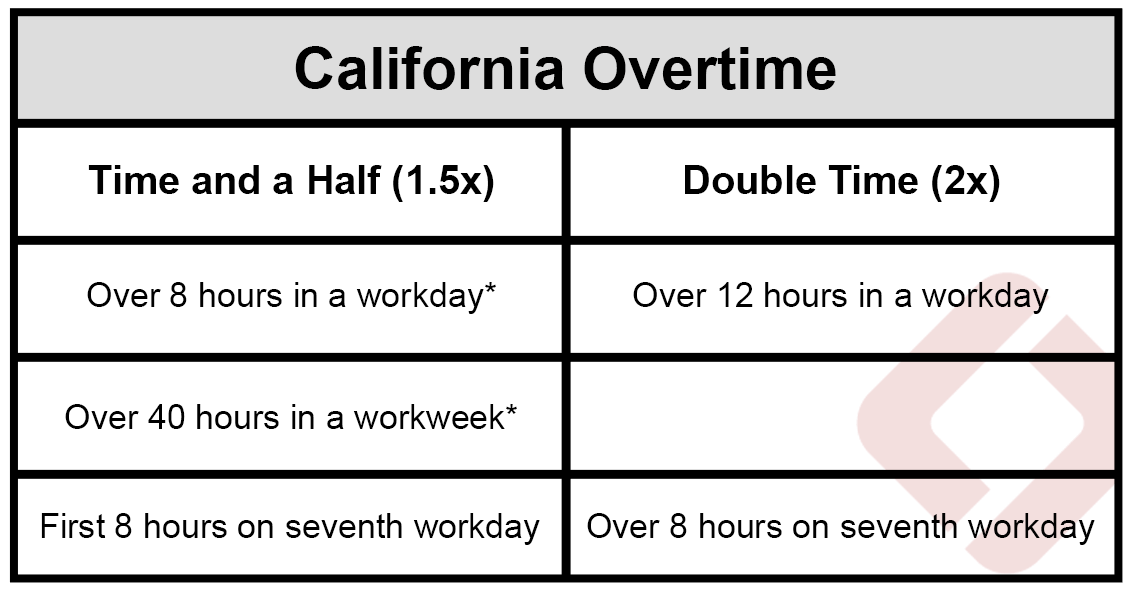
In California, non-exempt employees must be paid “time and a half” (1.5 times their regular rate of pay) for specific milestones. Financially, this means a worker earning $30 per hour begins earning $45 per hour once these thresholds are met. The triggers are:
- Any work performed beyond eight hours in a single workday.
- Any work performed beyond 40 hours in a single workweek.
- The first eight hours worked on the seventh consecutive day of work in a single workweek.
For a personal budget, these extra hours can represent a substantial “bonus” to monthly cash flow. For a business, failing to account for these daily triggers—even if the weekly total is under 40 hours—can lead to unexpected labor costs and significant financial discrepancies during audits.
The Double Time Rule: Maximizing Peak Earnings
California is one of the few states that mandates “double time” compensation. This represents the peak of earning potential for a worker and a high-alert zone for business finance. Employees must be paid twice their regular rate of pay for:
- Any work performed beyond 12 hours in a single workday.
- Any work performed in excess of eight hours on the seventh consecutive day of work in a single workweek.
From a personal finance perspective, double-time hours are highly lucrative. For a business, however, double time can quickly erode profit margins. Managing schedules to avoid the 12-hour mark is a primary goal for operations managers looking to maintain tight fiscal control.
The Seventh Consecutive Day Rule
Financial planning in California requires an understanding of the workweek as a specific 168-hour period. If an employee works every single day of that period, the seventh day triggers specific financial escalations regardless of the total hours worked. The first eight hours on that seventh day are paid at 1.5x, and everything after that is at 2.0x. This rule ensures that employees are compensated for the lack of rest, while acting as a financial deterrent for employers to overwork their staff.
The Financial Impact on Personal Income and Wealth Building
For the individual contributor, overtime is more than just extra work; it is a strategic tool for wealth accumulation. Because overtime pay is calculated at a premium, it provides a high-leverage opportunity to increase one’s net worth, pay off high-interest debt, or fuel investment accounts.
Leveraging Overtime for Debt Reduction and Investing
When an employee understands their rights to overtime, they can better project their annual income. Systematic overtime can be diverted directly into a Roth IRA, a 401(k), or a brokerage account. Because this income is “extra” relative to the base 40-hour week, it is often treated as discretionary. However, the most financially savvy workers treat overtime as “investment capital.” By calculating the difference between their regular rate and their overtime rate, they can identify exactly how much “surplus” they are generating per hour to accelerate their path to financial independence.
Tax Considerations for High-Income Overtime Earners
While earning 1.5x or 2.0x one’s regular rate is beneficial, it has distinct tax implications. California has progressive income tax brackets, and the federal government uses a similar system. Substantial overtime can push an individual into a higher tax bracket. Furthermore, “supplemental wages” are often withheld at higher rates by payroll systems. While this often results in a larger tax refund at the end of the year, it affects immediate liquidity. Employees must balance the desire for more hours with the reality of their “take-home” pay to ensure their financial planning remains accurate.

Business Finance: Managing Labor Costs and Compliance Risks
From the perspective of a business owner or a Chief Financial Officer (CFO), California’s overtime laws are a major factor in “Cost of Goods Sold” (COGS) and general administrative expenses. Mismanagement in this area does not just lead to higher payroll; it invites litigation and regulatory penalties that can bankrupt a small-to-mid-sized enterprise.
The Cost of Non-Compliance: Wage and Hour Penalties
In the realm of business finance, risk management is paramount. California’s Private Attorneys General Act (PAGA) allows employees to sue for civil penalties on behalf of themselves and others for labor code violations. A simple mistake in calculating the “regular rate of pay”—which must include bonuses, commissions, and shift differentials—can lead to massive class-action settlements. For a business, the financial cost of a legal defense often exceeds the actual unpaid overtime. Therefore, investing in robust payroll auditing and compliance training is a proactive financial strategy to protect corporate assets.
Budgeting for Variable Labor Expenses
Predictable cash flow is the lifeblood of any successful business. Because California requires daily overtime, labor costs can be highly volatile. A sudden surge in production or a staff shortage can force a company into “overtime mode.” Financial departments must build “labor buffers” into their quarterly budgets. By analyzing historical data to predict when double-time or seventh-day triggers are likely to occur, businesses can maintain healthier margins and avoid the cash flow crunches that often follow busy operational periods.
Exempt vs. Non-Exempt: The Salary Basis Test and Financial Strategy
Not everyone in California is entitled to overtime pay. The distinction between “exempt” and “non-exempt” status is one of the most critical financial classifications in the state’s economy. Misclassifying an employee is a common financial pitfall for businesses and a missed income opportunity for workers.
Defining the Administrative, Professional, and Executive Exemptions
To be exempt from overtime, an employee must generally meet both a “duties test” and a “salary test.” The duties test involves whether the employee primarily performs intellectual, managerial, or creative tasks that require independent judgment. For a business, hiring exempt employees provides a “fixed cost” for labor, which makes financial forecasting easier. However, if the duties do not strictly align with California’s narrow definitions, the business may be liable for years of back-pay for overtime, creating a massive “hidden liability” on the balance sheet.
The “White Collar” Exemption Salary Threshold
One of the most important figures in California business finance is the minimum salary requirement for exempt employees. In California, an exempt employee must earn a monthly salary equivalent to no less than two times the state minimum wage for full-time employment. As the minimum wage increases annually, so does the financial floor for exempt status. Businesses must audit their payroll every January to ensure that their “salaried” employees still meet the minimum threshold; otherwise, those employees automatically become non-exempt, entitling them to overtime pay for any extra hours worked.
Strategic Financial Planning for California Workers and Entrepreneurs
Whether you are an employee looking to maximize your take-home pay or an entrepreneur trying to scale your company, California’s overtime laws require a strategic approach. Knowledge of these rules is a form of “financial armor” that protects against exploitation and accidental losses.
Automating Payroll for Long-term Financial Stability
For business owners, the solution to the complexity of California overtime is often technological investment. Utilizing advanced payroll software that is specifically programmed for California’s daily triggers is a critical business expense. This automation reduces human error, provides an audit trail, and ensures that the business is not overpaying or underpaying. From a financial perspective, the ROI (Return on Investment) of a high-quality payroll system is measured in the avoidance of legal fees and the precision of financial reporting.
The Regular Rate of Pay: The Hidden Multiplier
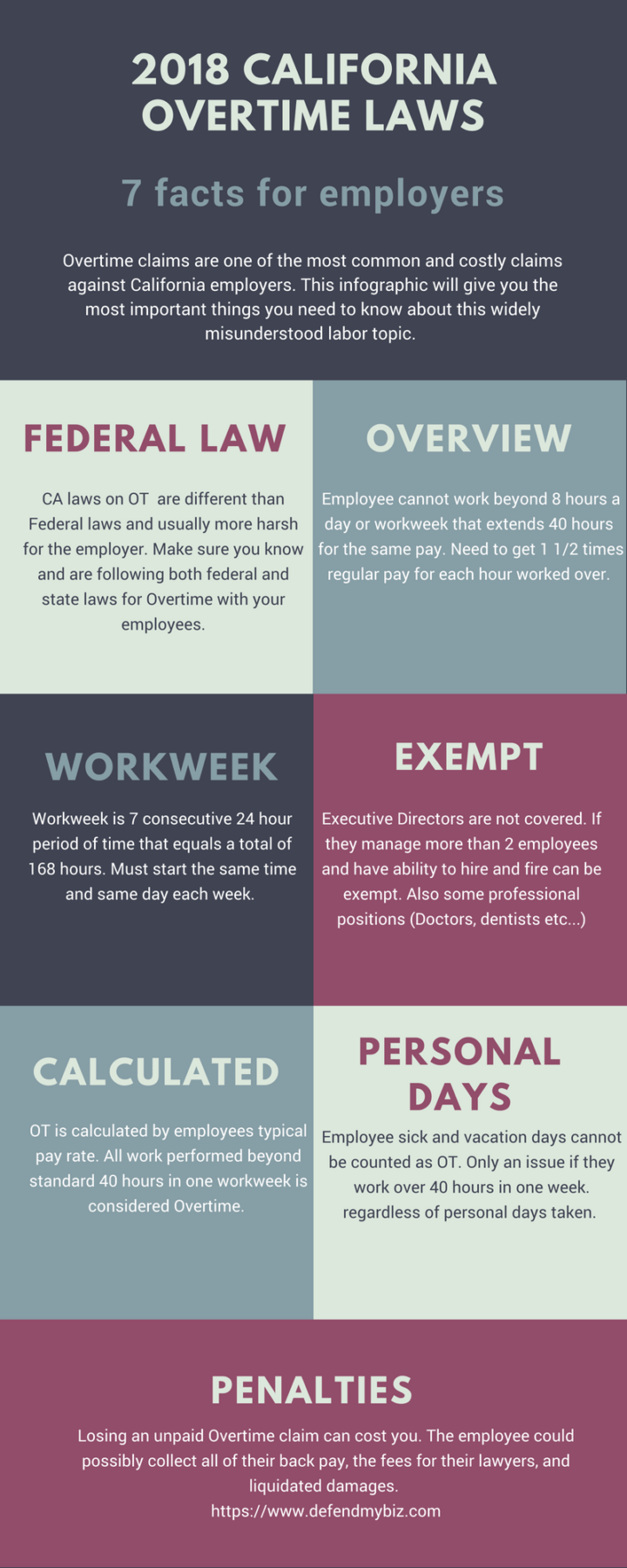
A common financial mistake is calculating overtime based solely on the base hourly rate. In California, the “regular rate of pay” must include almost all forms of compensation, such as non-discretionary bonuses and production-based incentives. For the employee, this means their overtime “time and a half” might be significantly higher than they initially thought. For the employer, this means that a “performance bonus” given to a team might actually increase the cost of every overtime hour worked during that period. Understanding this hidden multiplier is essential for accurate financial modeling on both sides of the paycheck.
In conclusion, California’s overtime laws are a fundamental pillar of the state’s economic landscape. For the individual, they provide a structured path to increased earnings and financial security. For the business, they represent a complex set of rules that require diligent management and fiscal foresight. By mastering the nuances of what constitutes overtime—from daily triggers to the regular rate of pay—both workers and owners can navigate the California market with financial confidence and long-term success.
aViewFromTheCave is a participant in the Amazon Services LLC Associates Program, an affiliate advertising program designed to provide a means for sites to earn advertising fees by advertising and linking to Amazon.com. Amazon, the Amazon logo, AmazonSupply, and the AmazonSupply logo are trademarks of Amazon.com, Inc. or its affiliates. As an Amazon Associate we earn affiliate commissions from qualifying purchases.