
In our increasingly digital world, the concept of an original document often feels antiquated. We sign contracts, submit applications, and record important life events electronically. Yet, there are still countless situations where a physical, verifiable copy of a document is not just preferred, but legally mandated. This is where the “certified copy” comes into play. But what exactly makes a copy “certified”? It’s a question that touches upon legal standing, authenticity, and the trust we place in official documentation.
The core of what constitutes a certified copy lies in a formal attestation that a duplicate of an original document is an accurate and true reproduction. This certification process imbues the copy with a level of authority, making it legally equivalent to the original for specific purposes. Understanding this process is crucial, not just for individuals navigating bureaucratic hurdles, but also for businesses relying on verified records and for technology creators aiming to build secure digital systems.
This article will delve into the nuances of certified copies, exploring their purpose, the methods by which they are created, and their significance across various domains, from legal proceedings to international transactions. We will also consider how advancements in technology are impacting the traditional understanding of what a certified copy is and how its authenticity can be assured.
The Purpose and Significance of Certified Copies
The primary purpose of a certified copy is to provide a reliable substitute for an original document when the original cannot be presented or when a permanent, verifiable record is needed. This need arises in a multitude of scenarios, each underscoring the critical role certified copies play in maintaining order and trust.
Legal and Administrative Requirements
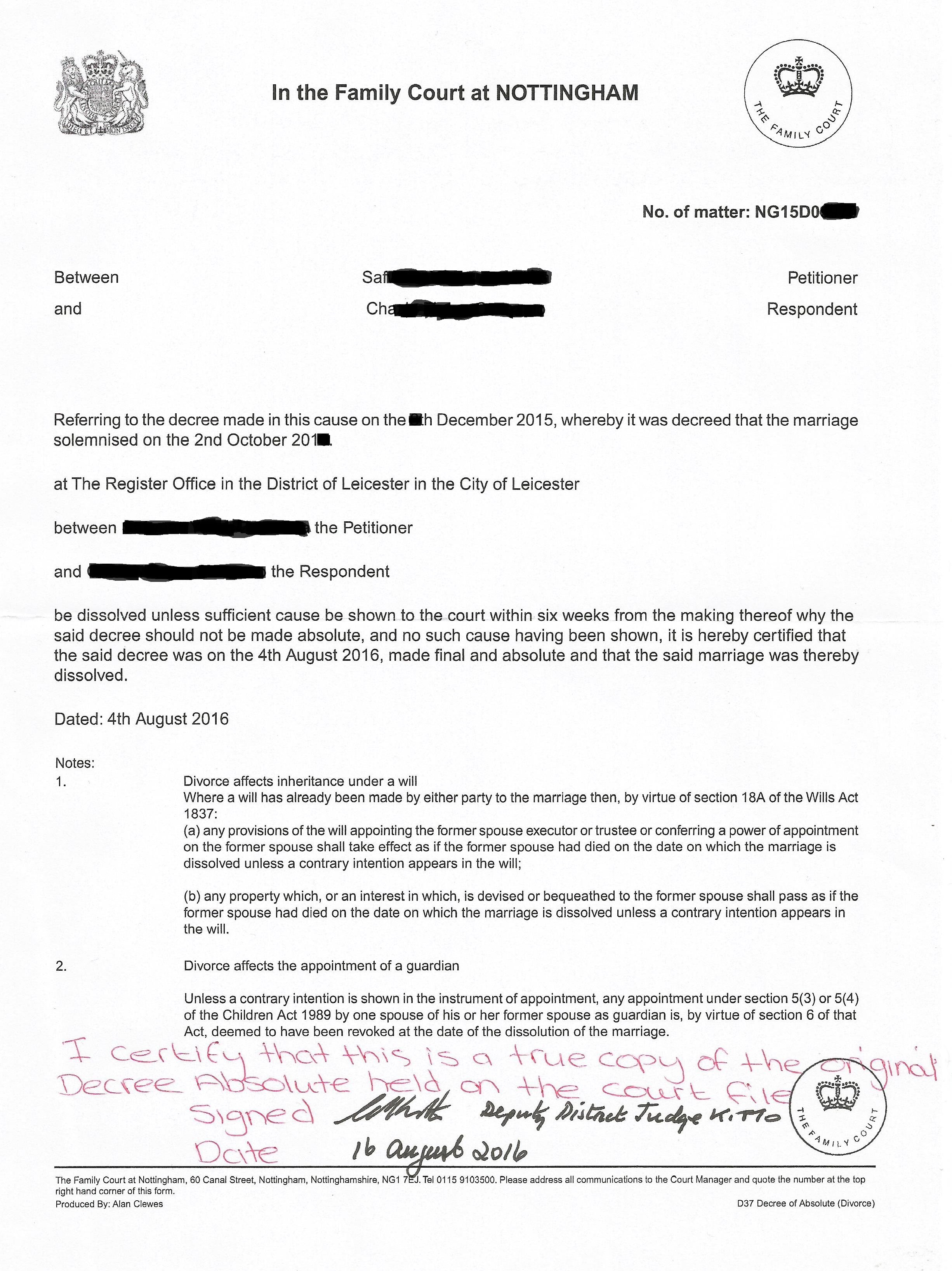
One of the most common arenas where certified copies are essential is in legal and administrative processes. When filing lawsuits, applying for visas, obtaining passports, or registering property, authorities often require certified copies of vital documents such as birth certificates, marriage licenses, divorce decrees, and property deeds. This is because the original documents might be irreplaceable or contain sensitive information that should not be handled by multiple parties.
For instance, imagine applying for a business loan. The bank will likely request certified copies of your company’s incorporation documents, tax returns, and financial statements. They need assurance that these documents are legitimate and haven’t been tampered with, thus mitigating their financial risk. Similarly, in criminal proceedings, certified copies of evidence, such as police reports or medical records, are presented to the court.
International Recognition and Verification
Beyond domestic requirements, certified copies are indispensable for international dealings. When you need to prove your identity or qualifications in a foreign country, official documents often need to be translated and certified. This process, often involving a notary public or a specific government body, ensures that the document’s authenticity is recognized across borders. For example, a degree earned in one country might require a certified copy to be accepted by an educational institution or employer in another.
Business Transactions and Due Diligence
In the corporate world, certified copies are vital for due diligence, mergers and acquisitions, and audits. When one company is considering acquiring another, they will meticulously review the target company’s legal, financial, and operational documents. Certified copies of articles of incorporation, board resolutions, contracts, and asset registries provide the acquiring company with the confidence that they are dealing with accurate representations of the target’s standing. This process is also crucial for investors, lenders, and regulatory bodies to ensure transparency and compliance.
The Trust Factor: Why Originality Matters
The reliance on certified copies stems from an inherent need for trust and authenticity. While photocopies can be made easily, they lack the official stamp of approval that guarantees their integrity. A certified copy, by contrast, carries the imprimatur of an authorized individual or entity, signifying that they have personally verified the copy against the original. This verification process is not a mere formality; it’s a safeguard against fraud and misrepresentation, ensuring that the document presented has a legitimate origin.
The Certification Process: Who Certifies and How?
The process of certifying a copy varies depending on the jurisdiction, the type of document, and the intended use. However, the underlying principle remains the same: an authorized party attests to the accuracy of the copy.
Notaries Public: The Most Common Certifiers
In many countries, Notaries Public are the primary individuals authorized to certify copies. A notary public is an official appointed by the state or government to serve as an impartial witness to the signing of documents and to administer oaths and affirmations.
To certify a copy, a notary typically:
- Compares the copy to the original document: The notary meticulously examines both the original and the copy to ensure they are identical.
- Witnesses the photocopying process (in some cases): Some jurisdictions or notaries may require you to make the copy in their presence. This is the most secure method, as it eliminates the possibility of a fraudulent original being presented.
- Attaches a certificate: The notary attaches a statement, often printed on a stamp or a separate document, which is then signed and sealed. This certificate typically states that the notary has compared the reproduced copy with the original document and found it to be a true, complete, and accurate copy.
- Adds their seal and signature: The notary’s official seal and signature are the key elements that authenticate the certification.
Other Authorized Certifying Bodies
While notaries are prevalent, other entities are also empowered to certify copies, depending on the document’s nature.
- Government Agencies: For official documents like birth certificates, marriage certificates, or court records, the issuing government agency itself often provides certified copies directly. These are usually printed on specialized paper with security features and bear the official seal of the agency.
- Attorneys: In certain legal contexts, an attorney may be authorized to certify copies of documents related to a case.
- Clerks of Court: For court documents, the Clerk of Court’s office is typically responsible for providing certified copies.
- Professional Organizations: For specific professional certifications or licenses, the issuing professional body might certify copies.
The Importance of Jurisdiction and Document Type
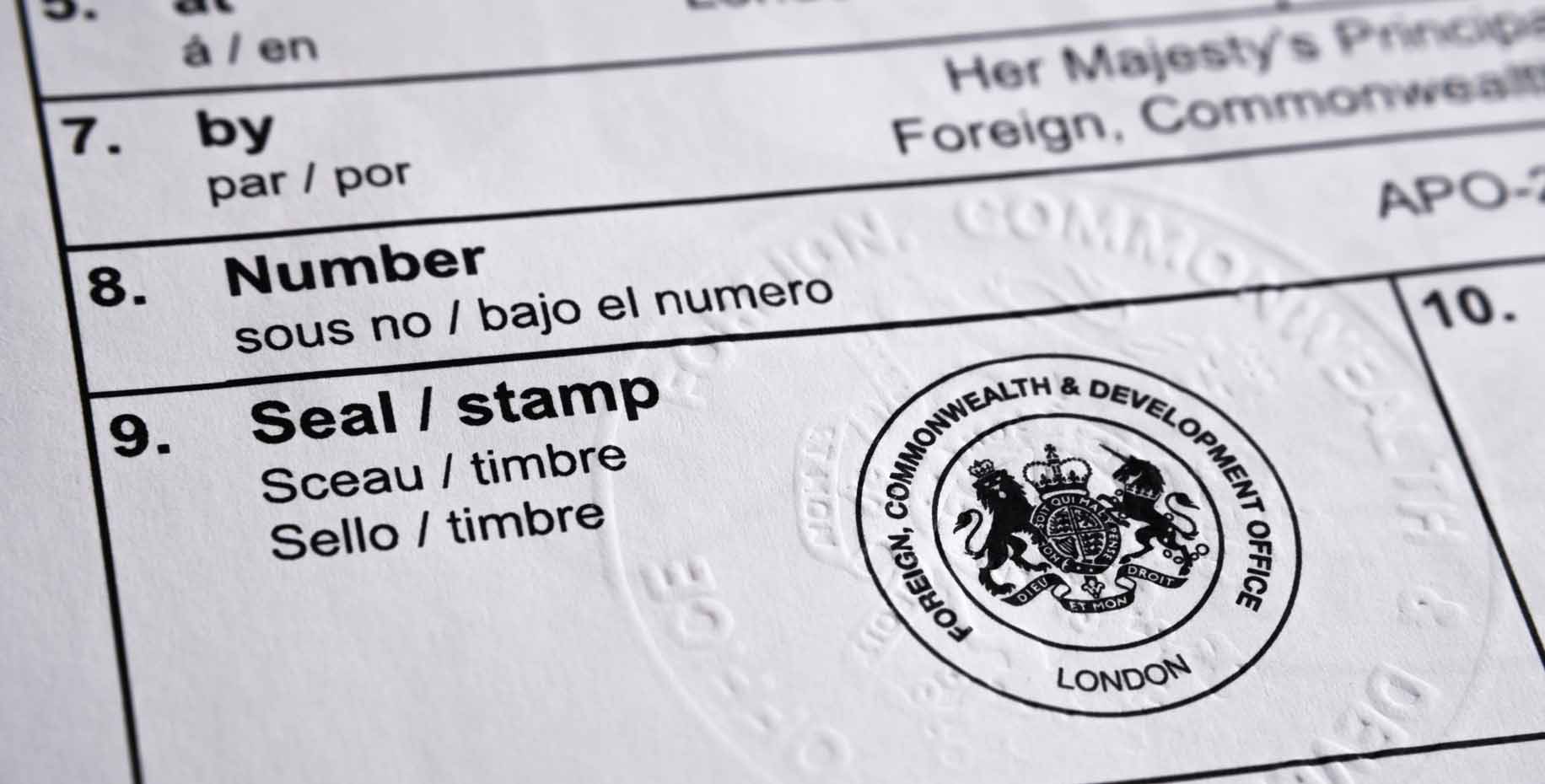
It’s crucial to understand that the requirements for certification can differ significantly. A document that is acceptable as certified in one country or state might not be in another. Similarly, the method of certification might vary. For example, some documents might require an apostille (a form of authentication used in international law, typically attached to documents intended for use in foreign countries that are signatories to the Hague Convention) in addition to certification. Always confirm the specific requirements with the receiving party.
The Evolution of Certified Copies in the Digital Age
The rise of technology has presented both challenges and opportunities for the concept of certified copies. As we increasingly rely on digital information, the need for verifiable digital authenticity has become paramount.
Digital Signatures and Electronic Notarization
The digital age has seen the emergence of electronic notarization and digital signatures as ways to certify documents remotely. In many jurisdictions, it’s now possible for a notary public to remotely witness and authenticate documents using secure video conferencing and electronic signature technology.
Digital signatures, when implemented with robust cryptographic methods, can provide a high level of assurance regarding the integrity and authenticity of a digital document. A digital signature is created by using a private key to encrypt a hash of the document. Anyone can then use the corresponding public key to decrypt the hash and compare it to a new hash generated from the document. If they match, it proves that the document has not been altered since it was signed and that the signature belongs to the rightful owner of the private key.
Blockchain Technology and Distributed Ledgers
Blockchain technology, with its inherent immutability and transparency, offers intriguing possibilities for creating verifiable digital records. While not a direct replacement for traditional certified copies in all instances, blockchain could be used to create tamper-proof audit trails for documents. Imagine a system where a hash of an original document is recorded on a blockchain. Any subsequent change to the document would alter its hash, making it immediately detectable. This could provide an unprecedented level of assurance for digital document authenticity.
The Hybrid Approach: Bridging the Physical and Digital Divide
For now, a hybrid approach often prevails. Many organizations still require physical certified copies, even when digital versions exist. This is due to legacy systems, legal frameworks that haven’t fully adapted, and a general need for tangible proof. However, as digital trust infrastructure matures, we can expect to see a greater acceptance of digitally certified documents.
The key challenge in this evolution is ensuring that digital certification methods are as secure, reliable, and legally recognized as their physical counterparts. This requires clear regulations, standardized technologies, and robust security protocols.
Navigating the Requirements: Tips for Obtaining Certified Copies
Obtaining a certified copy can sometimes feel like a bureaucratic maze. However, by understanding the process and being prepared, you can streamline the experience.
Know Your Document and the Receiving Party’s Requirements
Before you start, clearly identify the document you need certified and understand precisely what the receiving party requires. Are they looking for a specific type of certification? Do they have a preferred method of authentication? A quick call or email to the requesting organization can save you a lot of time and effort.
Locate the Appropriate Certifying Authority
Once you know what you need, identify the correct authority to perform the certification. For vital records, it’s usually the issuing government office. For legal documents, it might be the Clerk of Court or a notary. For international use, research the specific certification and legalization requirements of the destination country.
Prepare Your Original Document and the Copy
Ensure you have the original document in good condition. If you are making the copy yourself, ensure it is a clear and complete reproduction. If the certifying authority requires you to make the copy in their presence, be prepared for that.
Understand the Fees and Timelines
Certification services often come with a fee, which can vary by jurisdiction and the type of document. Inquire about the cost upfront and the expected turnaround time. Some expedited services may be available for an additional charge.
Verify the Authenticity of the Certification
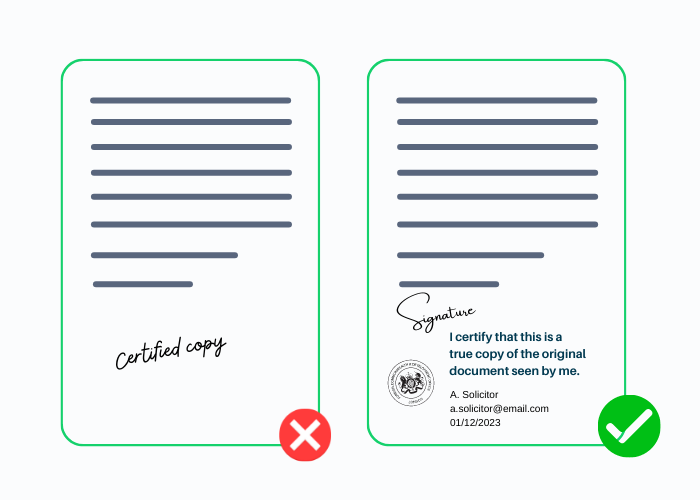
Once you receive your certified copy, take a moment to review it. Ensure the notary’s seal is clear, the signature is present, and the accompanying certificate matches the expected format. If you have any doubts, don’t hesitate to contact the certifying authority for verification.
In conclusion, a certified copy is more than just a duplicate; it’s a document that has been officially verified as a true and accurate representation of an original. Its significance spans legal, financial, and international spheres, underpinning trust and authenticity in an increasingly complex world. As technology continues to evolve, the methods of certification will undoubtedly adapt, but the fundamental need for reliable, verifiable documentation will remain a cornerstone of both our personal and professional lives.
aViewFromTheCave is a participant in the Amazon Services LLC Associates Program, an affiliate advertising program designed to provide a means for sites to earn advertising fees by advertising and linking to Amazon.com. Amazon, the Amazon logo, AmazonSupply, and the AmazonSupply logo are trademarks of Amazon.com, Inc. or its affiliates. As an Amazon Associate we earn affiliate commissions from qualifying purchases.