
The prospect of navigating the disability application process in Pennsylvania can feel daunting, especially when faced with the uncertainty of what conditions might expedite your claim. While the Social Security Administration (SSA) doesn’t technically operate with “automatic qualification” in the strictest sense, certain severe medical conditions are so debilitating that they are presumed to meet the criteria for disability benefits. These are often referred to as “compassionate allowances.” Understanding these conditions can provide clarity and direction for individuals in Pennsylvania seeking financial and medical assistance due to their health impairments.
This article will delve into the conditions that are likely to qualify for disability benefits in Pennsylvania, focusing on the financial implications and how understanding these specific medical impairments can impact your financial well-being and access to crucial support systems. We will explore the types of conditions that fall under this umbrella, how the SSA evaluates them, and the steps you can take to build a strong case for disability benefits.
Understanding the Financial Landscape of Disability in Pennsylvania
Navigating disability benefits is fundamentally a financial matter. The primary goal of these programs is to provide a financial safety net for individuals who are unable to earn a substantial income due to a medical condition. In Pennsylvania, as across the United States, the Social Security Administration (SSA) administers two main disability programs: Social Security Disability Insurance (SSDI) and Supplemental Security Income (SSI). Understanding the financial underpinnings of these programs is crucial for anyone seeking qualification.
Social Security Disability Insurance (SSDI)
SSDI is an insurance program that provides benefits to individuals who have a qualifying disability and have worked long enough and recently enough to have paid Social Security taxes. This means your eligibility is directly tied to your work history and contributions to the system.
Work Credits and Financial Eligibility for SSDI
To qualify for SSDI, you must have accumulated a certain number of work credits. Generally, you need 40 credits, with at least 20 earned in the 10 years immediately before you become disabled. The number of credits you can earn per year is capped, and each credit is equivalent to a certain amount of earnings. For 2023, for example, one credit is earned for every $1,640 in earnings, up to a maximum of four credits per year.
The amount of your SSDI benefit is based on your average lifetime earnings, similar to how your retirement benefits are calculated. This means individuals with higher past earnings will receive a higher monthly disability payment, provided they meet the disability criteria. The financial implication here is significant: SSDI aims to replace a portion of your lost income, ensuring a baseline standard of living.
Supplemental Security Income (SSI)
SSI is a needs-based program that provides financial assistance to individuals with disabilities, blindness, or who are age 65 or older, who have limited income and resources. Unlike SSDI, SSI is not based on your work history but on your financial need.
Income and Resource Limitations for SSI
To qualify for SSI, your income and the value of your assets (resources) must fall below certain thresholds set by the SSA. These limits are adjusted annually. For instance, countable income includes wages, cash benefits from other programs, and in-kind benefits (like food or shelter) you receive. Countable resources typically include bank accounts, stocks, bonds, and property other than the home you live in and one vehicle.
The financial implications of SSI are about providing a basic level of support for those who have not worked enough to qualify for SSDI or have very low incomes. The maximum federal benefit rate for SSI is a fixed amount, and state supplements may be available in Pennsylvania, further impacting the total monthly financial assistance you receive.
The Interplay of SSDI and SSI
It’s important to note that some individuals may qualify for both SSDI and SSI. This often occurs when someone has a disability and a work history but their SSDI benefit amount is very low, and their other income and resources are also limited. In such cases, they might receive a combination of SSDI and SSI to bring their total disability income up to a more adequate level. Understanding these financial distinctions is the first step in assessing your potential eligibility for disability benefits in Pennsylvania.
Compassionate Allowances: Conditions Predisposing to Expedited Financial Aid
The Social Security Administration (SSA) has a program called Compassionate Allowances (CAL) designed to identify debilitating conditions that, by their very nature, are expected to meet the criteria for disability benefits. This program aims to expedite the processing of claims for individuals with the most severe impairments, ensuring they receive financial assistance more quickly. While not every condition listed under CAL guarantees automatic approval without review, it significantly increases the likelihood of approval and streamlines the process.
Listed Impairments: The Foundation of Disability Evaluation
The SSA maintains a “Listing of Impairments,” often referred to as the “Blue Book.” This comprehensive catalog details various medical conditions that are considered severe enough to prevent an individual from engaging in Substantial Gainful Activity (SGA). SGA is defined as earning more than a certain monthly amount, which is adjusted annually. For 2023, SGA is $1,470 per month for non-blind individuals and $2,460 for blind individuals.
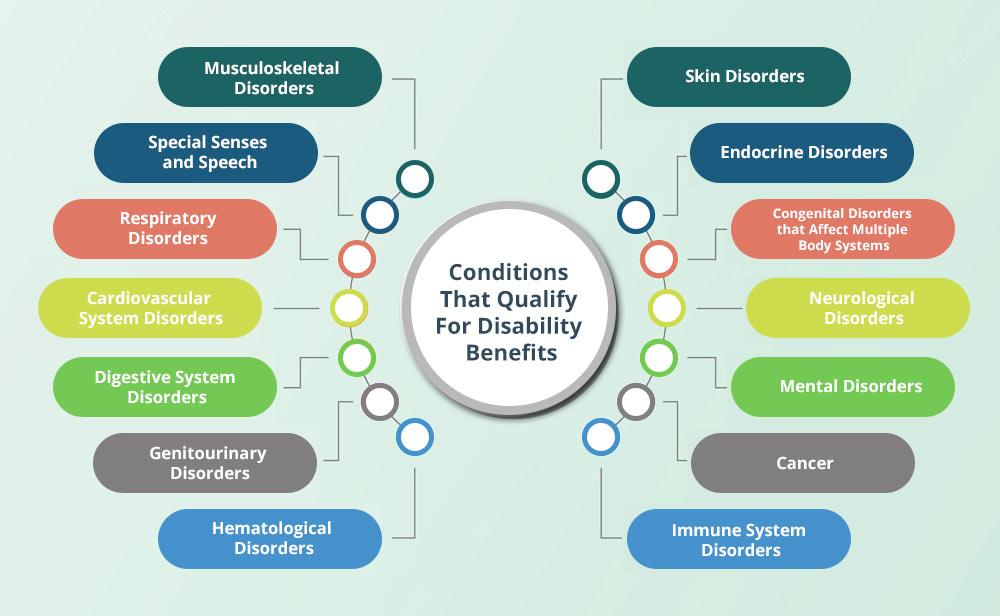
The Blue Book is divided into two volumes: Adult Listings and Childhood Listings. Within these volumes, impairments are categorized by body system, such as musculoskeletal, cardiovascular, mental disorders, and cancer. For a condition to be considered disabling under the listings, it must meet specific medical criteria outlined for that particular impairment.
How Compassionate Allowances Streamline the Financial Assessment
Compassionate Allowances are a subset of the Listing of Impairments. These are conditions that the SSA has determined are so severe that they almost always meet the disability severity requirement. The SSA uses specific diagnostic codes and severity markers to identify these cases. When a claimant’s medical records clearly indicate a condition that is on the Compassionate Allowances list, their application can be flagged for expedited review, leading to a faster decision.
The financial benefit of this expedited review is the quicker access to much-needed income. For individuals facing severe health challenges, the delay in receiving disability payments can create significant financial hardship. Compassionate Allowances aim to alleviate this by prioritizing these severely ill applicants.
Examples of Conditions Commonly Included in Compassionate Allowances
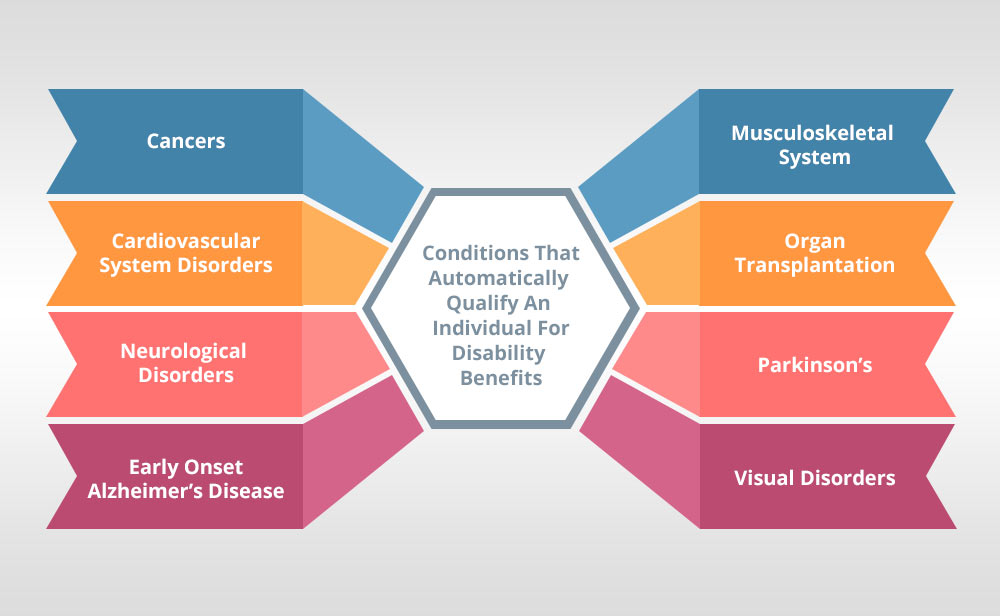
While the list is subject to updates, some examples of conditions that are frequently included under the Compassionate Allowances initiative, and thus strongly predisposed to qualifying for disability benefits in Pennsylvania, include:
- Cancers: Many advanced or aggressive forms of cancer, such as Stage IV cancers, glioblastoma, or certain leukemias and lymphomas.
- Neurological Disorders: Conditions like Amyotrophic Lateral Sclerosis (ALS), advanced Parkinson’s disease, multiple sclerosis with severe limitations, or severe traumatic brain injuries.
- Severe Organ Damage: End-stage renal disease requiring dialysis, advanced heart failure, or liver failure.
- Developmental Disorders: Severe intellectual disorders or certain congenital conditions that significantly impact functioning from a young age.
- Rare Diseases: Some rare disorders that are inherently disabling and recognized by the medical community for their severity.
It is crucial for applicants in Pennsylvania to consult the official SSA Compassionate Allowances list and discuss their specific diagnosis with their healthcare providers to determine if their condition falls under this category. A clear and well-documented medical diagnosis is paramount for any disability claim, especially those seeking expedited review through Compassionate Allowances.
Building a Strong Financial Case: Documentation and Evidence for Disability Claims
Successfully qualifying for disability benefits in Pennsylvania hinges on presenting a comprehensive and compelling financial case supported by robust medical documentation. The SSA requires definitive proof that your medical condition prevents you from engaging in Substantial Gainful Activity (SGA) and that this inability is expected to last for at least 12 months or result in death.
Medical Evidence: The Cornerstone of Your Claim
The most critical element in any disability claim is thorough medical evidence. This documentation serves as the factual basis for your assertion that you are disabled. It needs to demonstrate the severity of your condition and its impact on your functional abilities.
Types of Essential Medical Documentation
- Physician’s Records: This includes reports, notes, test results, and treatment plans from all doctors, specialists, and hospitals you have seen for your condition. These records should detail your diagnosis, symptoms, treatment, prognosis, and how your condition affects your daily activities and ability to work.
- Diagnostic Test Results: X-rays, MRIs, CT scans, blood tests, nerve conduction studies, and other diagnostic tests that objectively confirm the presence and severity of your medical condition are vital.
- Medication Lists: A comprehensive list of all medications you are prescribed, including dosage, frequency, and any side effects that may further limit your functioning, is important.
- Therapy Records: Documentation from physical therapy, occupational therapy, speech therapy, or psychological counseling that outlines your progress (or lack thereof) and limitations.
- Physician’s Statements: A detailed letter or form completed by your treating physician that specifically addresses your limitations, such as your ability to sit, stand, walk, lift, carry, remember, or concentrate. These statements are often more impactful than generic medical records.
When a condition is listed under Compassionate Allowances, ensuring that the medical records clearly and definitively document that specific condition and its severity is paramount. This allows the SSA to readily identify it and expedite the review process, thereby accelerating the flow of financial support.
Functional Limitations and Their Financial Impact
Beyond a diagnosis, the SSA evaluates how your medical condition impacts your “residual functional capacity” (RFC). This refers to what you can still do despite your impairments. The financial consequence of a limited RFC is that it directly affects your ability to earn an income.
Assessing Your RFC for Work
Your RFC assessment considers your physical and mental abilities. For physical limitations, this includes how much you can lift and carry, how long you can sit or stand, your ability to use your hands, and your stamina. For mental limitations, it includes your ability to understand and remember information, carry out instructions, maintain concentration and pace, and interact with others.
The SSA will compare your RFC to the requirements of past relevant work and any other work that exists in the national economy. If your RFC is so limited that you cannot perform your past work and cannot adjust to other types of work, you will be found disabled. This directly translates to your eligibility for the monthly financial benefits offered through SSDI or SSI. A well-documented RFC that clearly demonstrates a severe limitation in your ability to perform gainful employment is essential for a successful financial outcome in your disability claim.
Navigating the Application Process and Securing Financial Stability
Applying for disability benefits in Pennsylvania, especially when dealing with conditions that may qualify for expedited review through Compassionate Allowances, requires a strategic approach to ensure your financial needs are met as efficiently as possible. Understanding the procedural steps and leveraging available resources can significantly improve your chances of a favorable outcome and secure the financial stability you deserve.
The Application and Review Stages
The disability application process typically begins with filing an application with the Social Security Administration. This can be done online, by phone, or in person at a local SSA office. You will need to provide detailed information about your medical condition, work history, and personal circumstances.
Initial Claims and Appeals
After filing, your claim will be reviewed by the SSA. They will gather your medical records and assess whether your condition meets the disability criteria. Many initial claims are denied. If your claim is denied, you have the right to appeal. The appeals process involves several stages, including reconsideration, a hearing before an Administrative Law Judge (ALJ), and potentially further appeals to the Appeals Council and federal court.
For individuals with Compassionate Allowance conditions, the initial review is designed to be faster. However, thorough and accurate documentation remains crucial at all stages to support the claim. Even with a CAL condition, if the medical evidence is insufficient or unclear, the claim could still face delays or denial.
Seeking Professional Assistance for Financial Benefits
The complexities of the Social Security disability system and the specific requirements for proving disability can be overwhelming. Many applicants in Pennsylvania find it beneficial to seek assistance from experienced professionals.
Disability Lawyers and Advocates
Disability lawyers and advocates specialize in helping individuals navigate the application and appeals process. They understand the SSA’s rules and regulations, can help gather and present medical evidence, and can represent you at hearings. Their expertise can be particularly valuable in ensuring that your financial case is presented in the strongest possible light, especially when dealing with conditions that might qualify for Compassionate Allowances.
These professionals often work on a contingency fee basis, meaning they only get paid if you win your case, typically a percentage of your back pay. This makes their services accessible to many individuals who are unable to work and may not have immediate financial resources.
Maintaining Financial Health During the Process
While awaiting a decision on your disability claim, it’s essential to manage your finances proactively. If you have limited savings, explore any available state or local assistance programs. If you are approved, your back pay will be calculated from the date your disability began, which can provide a significant financial cushion. However, the waiting period can be stressful, making preparation and understanding the financial implications of the process all the more important. By understanding the conditions that can expedite your claim and by meticulously preparing your documentation, you can work towards securing the financial stability that disability benefits are designed to provide.
aViewFromTheCave is a participant in the Amazon Services LLC Associates Program, an affiliate advertising program designed to provide a means for sites to earn advertising fees by advertising and linking to Amazon.com. Amazon, the Amazon logo, AmazonSupply, and the AmazonSupply logo are trademarks of Amazon.com, Inc. or its affiliates. As an Amazon Associate we earn affiliate commissions from qualifying purchases.