
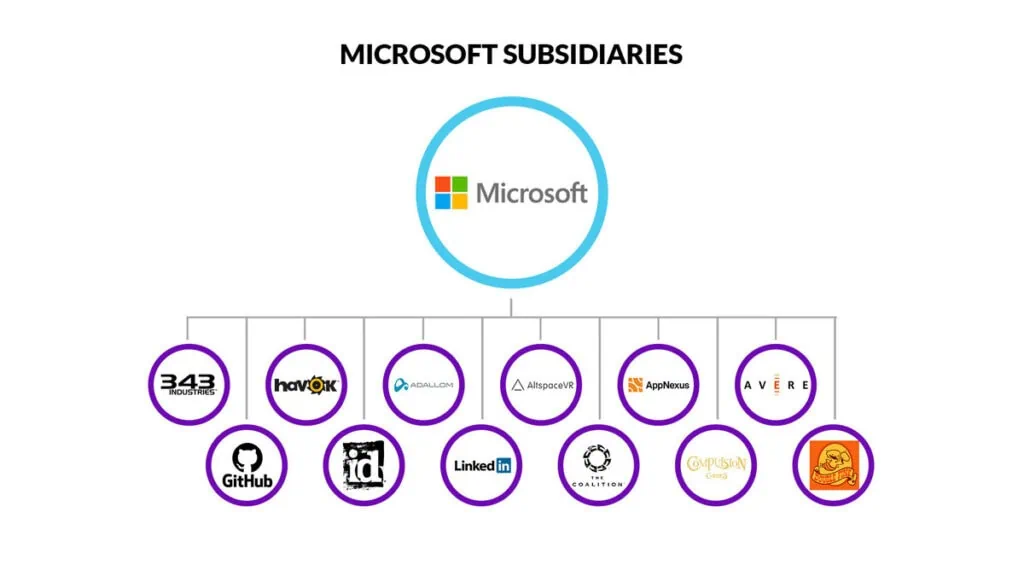
In the landscape of global finance and corporate enterprise, few entities command as much influence or capital as Microsoft Corporation. With a market capitalization that frequently dances around the $3 trillion mark, Microsoft is not merely a software provider; it is a sprawling investment conglomerate. While many consumers recognize the brand for Windows or Office, the true engine of Microsoft’s sustained financial growth lies in its aggressive and strategic acquisition history.
By systematically purchasing market leaders across various sectors, Microsoft has transformed from a desktop software giant into a diversified powerhouse with significant stakes in social media, professional networking, cybersecurity, cloud infrastructure, and interactive entertainment. Understanding what companies Microsoft owns is essential for any investor or business analyst looking to decode the company’s long-term fiscal health and its roadmap for future revenue generation.

The Financial Strategy Behind Microsoft’s Acquisition Model
Microsoft’s approach to acquisitions is a masterclass in business finance. Unlike some tech firms that acquire startups primarily for “acqui-hiring” (buying a company just for its talent), Microsoft’s major purchases are focused on scaling existing ecosystems or entering high-margin markets where they can achieve immediate dominance. This “Build vs. Buy” strategy is calibrated to ensure that every billion dollars spent contributes to the company’s “Moat”—the competitive advantage that protects its market share.
Diversification as a Hedge Against Market Volatility
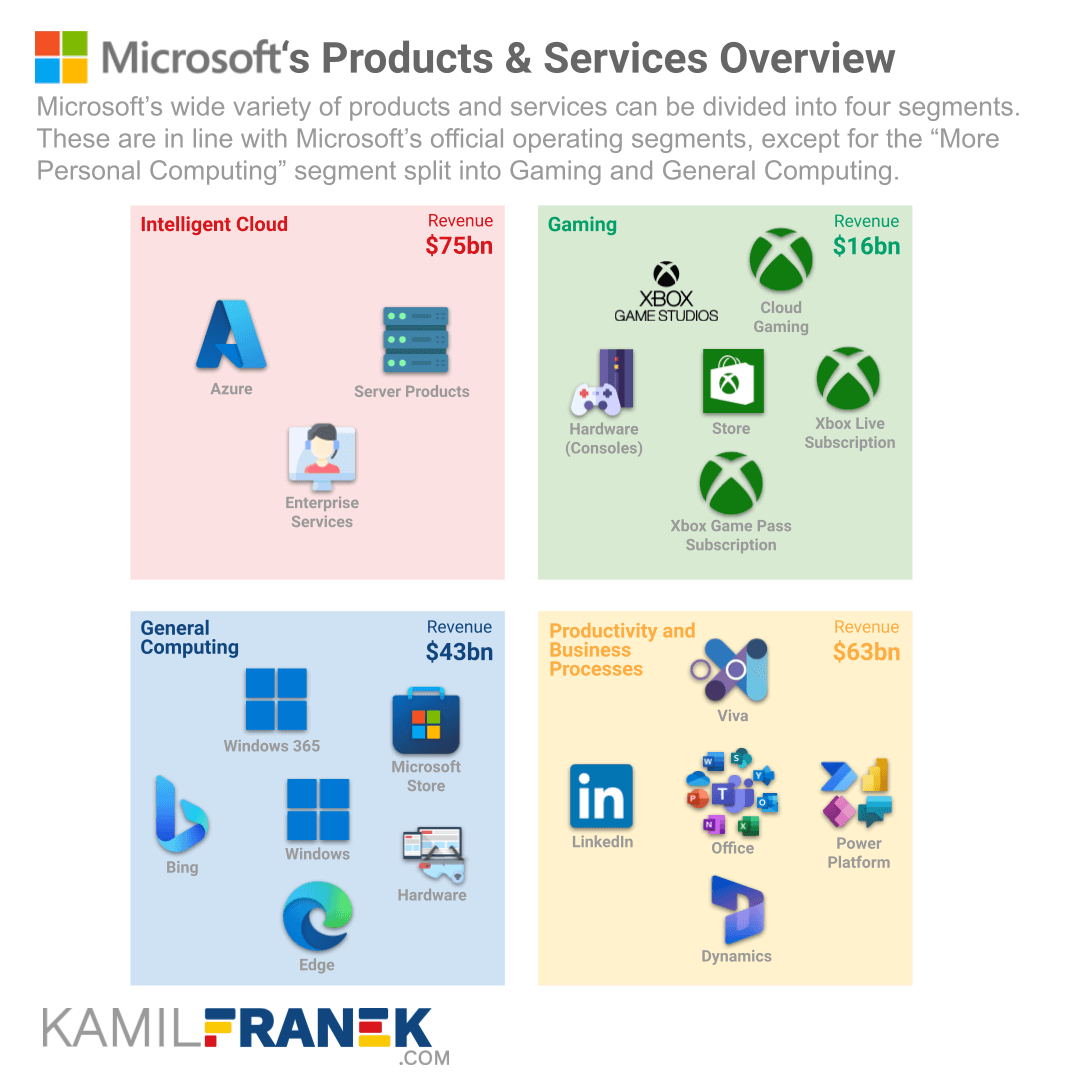
The core of Microsoft’s financial strength is its diversified revenue stream. By owning a vast array of companies, Microsoft ensures that it is not overly dependent on a single product cycle. While Windows licensing was once the primary driver of income, the acquisition of companies in the cloud and AI sectors has shifted the balance. This diversification acts as a financial hedge; if the hardware market slows down, the enterprise software or gaming divisions can compensate, maintaining a steady upward trajectory for shareholder value.
Horizontal and Vertical Integration
Microsoft utilizes both horizontal and vertical integration to maximize the ROI of its purchases. Horizontal integration is seen in its acquisition of gaming studios like Bethesda and Activision Blizzard, allowing Microsoft to control a larger share of the gaming market. Vertical integration is evident in its acquisition of GitHub and various AI startups, which provide the tools and infrastructure necessary for its primary Azure cloud services to function more efficiently and profitably.
Major Pillars of the Microsoft Empire: The Big-Ticket Purchases
To understand the financial scale of Microsoft, one must look at its most significant investments. These acquisitions represent tens of billions of dollars in capital expenditure, each serving a specific role in the broader corporate strategy to dominate the professional and consumer digital experience.
LinkedIn: The Dominance of Professional Networking
In 2016, Microsoft made one of its most daring financial moves by acquiring LinkedIn for $26.2 billion. At the time, it was the largest acquisition in the company’s history. From a business finance perspective, this was a move to own the “professional graph.” LinkedIn provides Microsoft with a massive, high-intent data set and a recurring revenue stream through premium subscriptions and recruitment tools. Today, LinkedIn is a multi-billion dollar revenue driver that integrates seamlessly with Microsoft’s CRM and productivity tools, creating a closed-loop ecosystem for the global workforce.
GitHub: Securing the Developer Ecosystem
In 2018, Microsoft acquired GitHub for $7.5 billion. While GitHub was not immediately a massive profit center, its strategic value was immeasurable. By owning the platform where the world’s software is built, Microsoft positioned itself at the center of the developer community. Financially, this move was about protecting the future of the Azure cloud platform. If developers are building on GitHub, they are more likely to deploy on Azure, ensuring long-term enterprise contracts and cloud consumption revenue.
Activision Blizzard: A Giant Leap into the Gaming Economy
Completed in 2023 for a staggering $68.7 billion, the acquisition of Activision Blizzard marked Microsoft’s intent to dominate the “Attention Economy.” By bringing franchises like Call of Duty, World of Warcraft, and Candy Crush under its umbrella, Microsoft became the third-largest gaming company in the world by revenue. This acquisition is a play for the future of subscription-based finance; Microsoft’s Game Pass service now offers a value proposition that is difficult for competitors to match, creating a predictable, recurring cash flow from millions of global subscribers.
Cloud and Enterprise: Driving the Azure Revenue Engine
While consumer-facing brands get the most headlines, Microsoft’s most consistent financial growth comes from its “Intelligent Cloud” segment. The companies acquired in this space are often less known to the general public but are critical to the company’s bottom line.
Nuance Communications and AI Healthcare
In 2022, Microsoft closed its $19.7 billion acquisition of Nuance Communications. Nuance is a leader in conversational AI and ambient intelligence, particularly within the healthcare sector. This move was a targeted financial play to capture the burgeoning market for digital health records and AI-driven clinical documentation. By integrating Nuance’s technology into Azure, Microsoft has secured a high-barrier-to-entry market, ensuring long-term contracts with major hospital systems and healthcare providers.
Cybersecurity Acquisitions: Risk Management as a Service
In the digital age, security is a top-tier financial priority for every corporation. Microsoft has quietly acquired several cybersecurity firms, such as RiskIQ and MDIoT, to bolster its security offerings. These acquisitions allow Microsoft to sell “Security as a Service,” a high-margin business model. By owning the tools that protect enterprise data, Microsoft ensures that its clients remain locked into its ecosystem, as the cost of switching to a different, less integrated security provider is both financially and operationally prohibitive.
Evaluating the ROI: How Acquisitions Fuel Microsoft’s Stock Value
The ultimate metric for the success of Microsoft’s ownership of these companies is the return on investment (ROI) provided to its shareholders. Microsoft’s ability to integrate these disparate businesses into a cohesive financial entity is what sets it apart from other tech conglomerates that often struggle with “dis-synergy.”
Synergistic Growth and Ecosystem Lock-in
The financial magic of Microsoft’s portfolio lies in “synergy.” When Microsoft buys a company, it doesn’t just let it run in isolation. It integrates the acquired technology into its existing stack. For example, the AI capabilities from its investment in OpenAI (while not a total acquisition, it is a significant ownership stake) are being integrated into Office 365, Bing, and Azure. This increases the value of the existing products, allowing Microsoft to raise subscription prices and improve profit margins across the board.
The Financial Outlook: The Next Wave of AI and Automation
Looking forward, Microsoft’s acquisition strategy is clearly pivoting toward Artificial Intelligence and automation. As the company continues to generate massive amounts of free cash flow—often exceeding $60 billion annually—it is perfectly positioned to acquire the next generation of AI startups. For investors, this represents a “compounding effect.” Each acquisition adds a new layer of data and a new revenue stream, which in turn provides the capital for the next acquisition.
Conclusion: The Business of Constant Expansion
Microsoft’s portfolio of companies is a testament to the power of strategic capital allocation. From the professional dominance of LinkedIn to the entertainment powerhouse of Activision Blizzard, and the technical foundational of GitHub, Microsoft has built a resilient, multi-faceted economic engine.
For the business-minded observer, Microsoft’s list of owned companies is more than just a roster of brands; it is a map of the modern global economy. By owning the tools of work, the platforms of play, and the infrastructure of the internet, Microsoft has ensured its place as a cornerstone of the financial world for decades to come. As the company continues to identify and absorb market leaders, its role as a premier investment vehicle and a dominant force in corporate finance remains unchallenged. The “Microsoft Empire” is not just a collection of software; it is a carefully curated portfolio designed for maximum financial endurance and growth.
aViewFromTheCave is a participant in the Amazon Services LLC Associates Program, an affiliate advertising program designed to provide a means for sites to earn advertising fees by advertising and linking to Amazon.com. Amazon, the Amazon logo, AmazonSupply, and the AmazonSupply logo are trademarks of Amazon.com, Inc. or its affiliates. As an Amazon Associate we earn affiliate commissions from qualifying purchases.