
In the vast and ever-expanding landscape of digital commerce, PayPal stands as a ubiquitous and often preferred payment method. Its widespread adoption has transformed how consumers shop online, pay for services, and even send money to friends and family. For businesses, accepting PayPal means tapping into a massive global customer base, enhancing trust, and streamlining payment processes. This guide delves into the extensive network of companies and industries that embrace PayPal, offering insights into its practical benefits for both consumers and merchants within the realm of personal and business finance.

PayPal’s journey began with a simple premise: to make online payments easier and more secure. Over two decades later, it has evolved into a financial ecosystem supporting hundreds of millions of users and millions of businesses worldwide. Knowing where you can leverage your PayPal account isn’t just about convenience; it’s about optimizing your financial transactions, securing your purchases, and making informed decisions about your digital spending.
The Ubiquity of PayPal in E-commerce: A Consumer’s Gateway to Online Shopping
The sheer convenience of PayPal – storing payment details securely, offering one-click checkouts, and providing buyer protection – has made it a staple for online shoppers. Consequently, a vast majority of e-commerce platforms and online retailers have integrated PayPal as a primary payment option. This widespread acceptance ensures that consumers can shop with confidence across a diverse range of products and services without constantly re-entering sensitive financial information.
Major Online Retailers and Marketplaces
Perhaps the most common places to find PayPal acceptance are the giants of online retail. While direct competitors like Amazon typically do not accept PayPal (due to their own payment processing solutions), the list of those that do is extensive and covers almost every conceivable product category.
- eBay: As one of PayPal’s original partners and former parent company, eBay remains a prime example of a marketplace where PayPal is not just accepted but deeply integrated into the buying and selling experience. Millions of transactions occur daily through PayPal on eBay, underscoring its role in facilitating peer-to-peer and business-to-consumer sales.
- Walmart & Target (Online): Both retail behemoths, in their online manifestations, accept PayPal, allowing customers to pay for groceries, electronics, home goods, and more with ease. This integration bridges the gap between traditional retail and digital convenience.
- Best Buy & Other Electronics Retailers: For consumers looking to purchase the latest gadgets, computers, or home entertainment systems, PayPal is widely accepted at major electronics retailers, providing a secure method for often high-value transactions.
- Fashion and Apparel: From fast fashion to high-end brands, a significant portion of online clothing stores, including ASOS, Nordstrom, Zappos, and countless independent boutiques, welcome PayPal. This caters to a demographic highly accustomed to seamless online browsing and purchasing.
- Home Goods and Furniture: Retailers like Wayfair, Overstock, and numerous smaller home décor sites offer PayPal as a payment option, making large purchases or multiple item orders simpler to manage financially.
Digital Goods, Subscriptions, and Services
Beyond physical products, PayPal is indispensable for the consumption of digital content and subscription-based services. This area highlights PayPal’s adaptability to the recurring payment models prevalent in the digital age.
- Gaming Platforms: Enthusiasts of video games frequently use PayPal on platforms like Steam, PlayStation Store, Xbox Marketplace, and Nintendo eShop to purchase games, in-game content, and subscriptions. Its speed and security are crucial for spontaneous digital purchases.
- Streaming Services: Many music and video streaming platforms, including Spotify and various regional services, accept PayPal for monthly subscriptions, offering a convenient way to manage recurring payments without direct credit card exposure.
- Software and Cloud Services: Adobe, Microsoft (for certain products/services), and a multitude of smaller software vendors and cloud service providers accept PayPal, facilitating everything from one-time software licenses to ongoing SaaS subscriptions.
- App Stores: While not always a direct payment option, PayPal accounts can often be linked to major app stores (like Google Play or Apple App Store) as a funding source, indirectly allowing users to pay for apps, games, and in-app purchases.
Beyond Retail: Diverse Industries Embracing PayPal’s Financial Reach
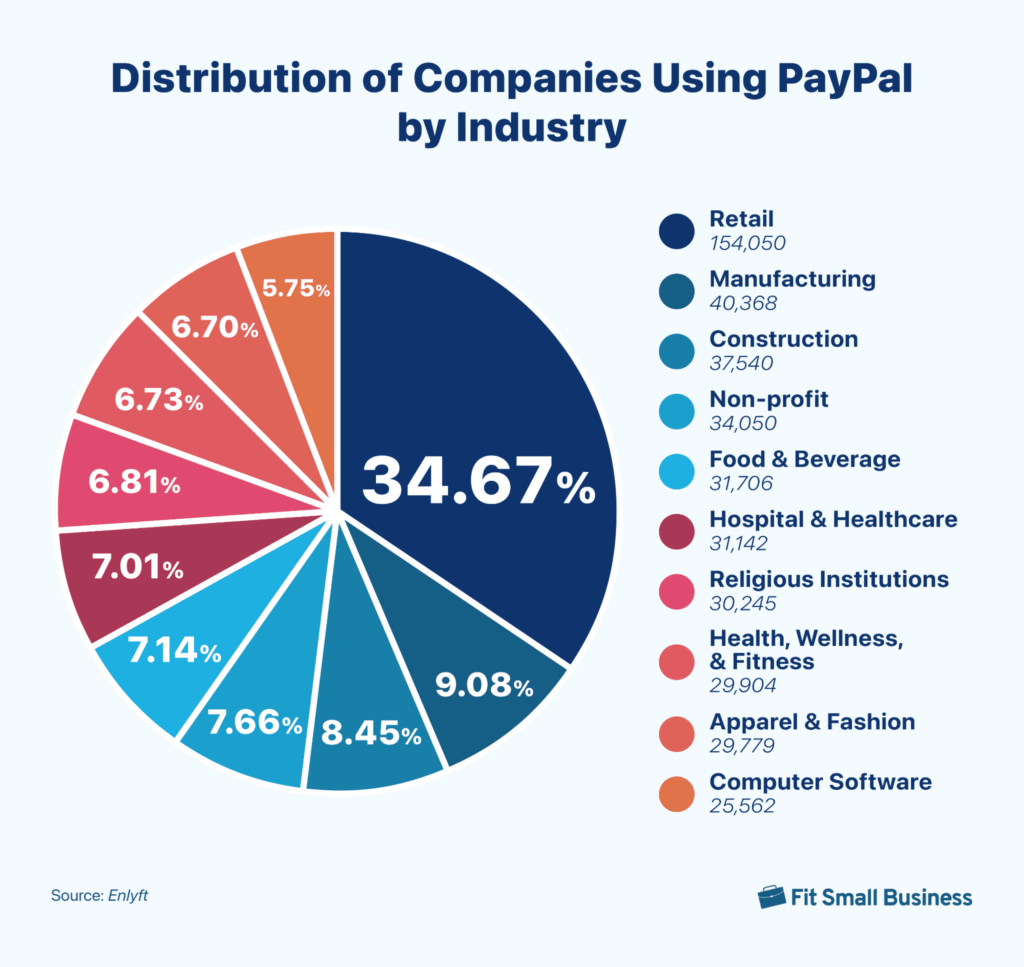
PayPal’s influence extends far beyond traditional retail, permeating various other sectors of the economy. Its flexibility makes it an attractive payment solution for businesses across a broad spectrum of industries, enabling them to reach a wider international audience and simplify payment collection.
Travel and Hospitality
The travel industry, with its complex booking systems and global customer base, has found PayPal to be a valuable asset.
- Airlines and Hotels: Major airlines (e.g., British Airways, Ryanair, Southwest) and online travel agencies (OTAs) like Expedia, Hotels.com, and Booking.com often accept PayPal for flight bookings, hotel reservations, and package deals. This is particularly beneficial for international travelers who may prefer not to use their credit cards directly in unfamiliar payment gateways.
- Ride-Sharing and Rental Services: While less direct, services like Uber and Lyft allow users to link PayPal to their accounts, using it as a funding source for rides. Car rental agencies, especially their online booking portals, increasingly accept PayPal.
- Accommodation Platforms: Airbnb, for instance, allows hosts to receive payouts via PayPal, and guests can sometimes use PayPal for bookings depending on region and host settings.
Freelancing, Services, and Creator Economy
The rise of the gig economy and the creator economy has seen PayPal emerge as a cornerstone for both payment and payout mechanisms.
- Freelance Platforms: Websites like Upwork, Fiverr, and Freelancer.com heavily rely on PayPal for both clients to pay freelancers and for freelancers to receive their earnings. Its global reach and currency conversion capabilities make it ideal for cross-border work.
- Etsy and Creative Marketplaces: Artisans and creators selling their goods or digital products on platforms like Etsy find PayPal to be an essential tool for processing payments from customers worldwide.
- Professional Services: Many independent consultants, coaches, web designers, and other service providers utilize PayPal invoicing to bill clients securely and efficiently, offering a professional and accessible payment channel.
Entertainment, Donations, and Crowdfunding
From funding passion projects to supporting charitable causes, PayPal facilitates various forms of non-retail transactions.
- Event Ticketing: Sites like Ticketmaster and StubHub often accept PayPal for concert tickets, sporting events, and other live performances, providing a quick checkout for time-sensitive purchases.
- Donations and Charities: Thousands of non-profit organizations and charities worldwide use PayPal to accept donations, leveraging its secure platform and ease of use to encourage philanthropic contributions.
- Crowdfunding Platforms: Kickstarter and GoFundMe often integrate PayPal as a payment option for backers and a payout method for campaign creators, streamlining the process of funding new ideas and personal causes.
Why PayPal Acceptance Matters: Benefits for Both Consumers and Businesses
The widespread adoption of PayPal isn’t merely a trend; it’s a strategic decision rooted in tangible benefits for every party involved in a transaction. From enhanced security to simplified financial management, PayPal addresses core needs in the digital economy.
For Consumers: Security, Convenience, and Buyer Protection
For individuals, choosing PayPal often comes down to peace of mind and an optimized user experience.
- Enhanced Security: When paying with PayPal, consumers don’t share their credit card or bank account details directly with every merchant. Instead, PayPal acts as an intermediary, encrypting sensitive information and significantly reducing the risk of data breaches or fraud.
- Streamlined Checkout: The ability to complete purchases with just a few clicks or taps, without needing to retrieve a wallet or re-enter lengthy card numbers, provides unparalleled convenience, especially on mobile devices.
- Buyer Protection: PayPal offers a robust Buyer Protection program, covering eligible purchases if an item doesn’t arrive or isn’t as described. This financial safety net instills confidence and encourages online shopping.
- Global Reach and Currency Conversion: PayPal simplifies international shopping by handling currency conversions seamlessly, allowing consumers to purchase from merchants worldwide without worrying about exchange rates or complex banking processes.
For Businesses: Expanding Reach, Trust, and Seamless Transactions
For companies, integrating PayPal is a strategic move that can significantly impact their bottom line and customer relationships.
- Access to a Massive Customer Base: With hundreds of millions of active users globally, accepting PayPal instantly opens a business up to a vast pool of potential customers who prefer or exclusively use PayPal for online payments.
- Increased Trust and Credibility: The PayPal logo is globally recognized and associated with secure transactions. Displaying it as a payment option builds immediate trust with customers, particularly those hesitant about sharing financial details with unfamiliar online stores.
- Simplified Integration and Management: PayPal offers easy-to-implement payment gateway solutions that can be integrated into most e-commerce platforms with minimal technical overhead. Its merchant dashboards provide comprehensive tools for transaction tracking, reporting, and dispute resolution.
- International Payments Made Easy: For businesses with global ambitions, PayPal simplifies cross-border transactions, handling multiple currencies and compliance, enabling them to sell to customers in different countries without complex banking setups.
- Reduced Cart Abandonment: A smooth and trusted checkout process is crucial for conversion rates. Offering PayPal as a quick payment option often reduces cart abandonment, as customers are less likely to get frustrated by lengthy forms or security concerns.
Navigating Payment Options and Discovering PayPal Acceptance
Given PayPal’s extensive reach, knowing how to identify its acceptance and manage your payment preferences is key to a smooth financial experience.
Checking Out Online
The process of using PayPal is generally straightforward, but a few tips can enhance the experience.
- Look for the PayPal Logo: The most obvious indicator is the presence of the PayPal logo (often alongside other payment methods like Visa, Mastercard, American Express) on product pages, in the shopping cart, or during the checkout process.
- “Pay with PayPal” Button: Many sites feature a dedicated “Pay with PayPal” button that directly redirects you to PayPal’s secure login to authorize the payment.
- PayPal’s Merchant Directory: PayPal itself offers a feature (often accessible through its website or app) where users can discover merchants that accept PayPal, sometimes even offering exclusive deals.
- Browser Extensions: Some third-party browser extensions or shopping assistants can also identify PayPal acceptance on various websites, adding a layer of convenience.
In-Store Payments with PayPal
While predominantly an online payment method, PayPal has made strides into physical retail.
- PayPal Debit Card: Users can obtain a PayPal Debit Mastercard, linked directly to their PayPal balance, allowing them to use it like any other debit card for in-store purchases wherever Mastercard is accepted.
- PayPal QR Codes: In some regions or specific merchant partnerships, PayPal enables in-store payments via QR codes. Customers can scan a merchant’s QR code with the PayPal app to make a secure payment directly from their balance or linked funding source.
- Integration with Digital Wallets: PayPal can often be linked as a funding source to digital wallets like Google Pay or Apple Pay, allowing for tap-to-pay functionality in stores, though this is using the digital wallet interface, not directly PayPal.
Troubleshooting and Alternatives
Despite its widespread acceptance, there will inevitably be instances where PayPal is not an option.
- Direct Credit/Debit Card: The most common alternative is to pay directly with a credit or debit card. Ensure the website uses secure encryption (look for “https://” and a padlock icon in the URL bar).
- Other Digital Wallets: Depending on the merchant, other digital payment services like Apple Pay, Google Pay, or even regional specific options might be available.
- Bank Transfers: For larger transactions or specific services, direct bank transfers might be an option, though these typically offer less buyer protection than PayPal or credit cards.
- Contacting Merchant: If you’re unsure, or believe PayPal should be an option, a quick query to the merchant’s customer service can sometimes clarify payment methods.
The Future of Digital Payments and PayPal’s Enduring Role
The financial landscape is constantly evolving, with new payment technologies and consumer preferences emerging regularly. PayPal has demonstrated a consistent ability to adapt and innovate, ensuring its continued relevance in the digital age.
Emerging Trends and PayPal’s Adaptation
PayPal is actively exploring and integrating new financial technologies to stay at the forefront.
- Buy Now, Pay Later (BNPL): Services like PayPal Credit and Pay in 4 allow consumers to split purchases into interest-free installments, a rapidly growing trend that PayPal has embraced to offer more flexible payment solutions.
- Cryptocurrency Integration: PayPal has increasingly supported cryptocurrencies, allowing users in certain regions to buy, sell, and hold various digital assets, and even use them as a funding source for purchases, signalling its commitment to future-proofing its platform.
- P2P Payments and Super Apps: With services like Venmo (owned by PayPal) and the expansion of its own app into more comprehensive financial tools, PayPal is moving towards a “super app” model, offering not just payments but also budgeting, investing, and more.
Continued Expansion and Evolution
As the global economy becomes increasingly digitized, PayPal’s role as a trusted intermediary is only set to grow. Its continuous investment in security, user experience, and merchant solutions ensures that it remains a vital component of both personal and business finance. Expect to see PayPal expand its reach into new markets, deepen its integration with emerging technologies, and continue to simplify the complex world of online transactions.
In conclusion, understanding “what companies accept PayPal” is more than just a list; it’s a window into the interconnectedness of modern digital finance. For consumers, it means unparalleled convenience, security, and a robust safety net for their online spending. For businesses, it translates into expanded market reach, enhanced customer trust, and streamlined operations. As the digital economy continues its rapid expansion, PayPal’s enduring presence and adaptability ensure its position as a cornerstone of secure and efficient online payments for years to come.
aViewFromTheCave is a participant in the Amazon Services LLC Associates Program, an affiliate advertising program designed to provide a means for sites to earn advertising fees by advertising and linking to Amazon.com. Amazon, the Amazon logo, AmazonSupply, and the AmazonSupply logo are trademarks of Amazon.com, Inc. or its affiliates. As an Amazon Associate we earn affiliate commissions from qualifying purchases.