
In an increasingly competitive retail landscape, subscription services have become a cornerstone of consumer engagement, promising convenience, savings, and exclusive perks. Walmart Plus, the retail giant’s answer to the subscription economy, has positioned itself as a comprehensive solution for everyday household needs. But for the financially savvy consumer, the crucial question isn’t just what it offers, but how these offerings translate into tangible financial benefits and overall value. This article will dissect the various components of a Walmart Plus membership, analyzing its cost-benefit equation and exploring how it can integrate into a personal finance strategy to optimize spending, save time, and unlock a range of advantages.

Unpacking the Core Value Proposition: Beyond Just Free Delivery
At its heart, Walmart Plus is designed to enhance the shopping experience while simultaneously delivering economic advantages. While often perceived primarily for its delivery service, a closer examination reveals a multi-faceted approach to saving members money and time – two invaluable commodities in modern personal finance.
The Subscription Model and Its Immediate Financial Impact
Walmart Plus operates on a clear subscription model, offering both monthly and annual payment options. As of its current iteration, members can choose between a monthly fee (typically around $12.95) or an annual fee (around $98). For the financially astute, opting for the annual plan immediately presents a significant saving, effectively getting two months free compared to the monthly cumulative cost. This initial decision is a classic personal finance calculation: if the service is used consistently, the annual commitment provides an immediate return on investment by reducing the per-month cost. This upfront cost must be weighed against the potential savings. For a household that frequently shops at Walmart for groceries and household essentials, this annual fee can quickly be offset by just a few key benefits, making it a powerful financial tool rather than merely an expense. Understanding the total outlay and comparing it against alternative spending patterns or competitor services is the first step in assessing its financial prudence.
Convenience as a Financial Saver: Time, Fuel, and Effort
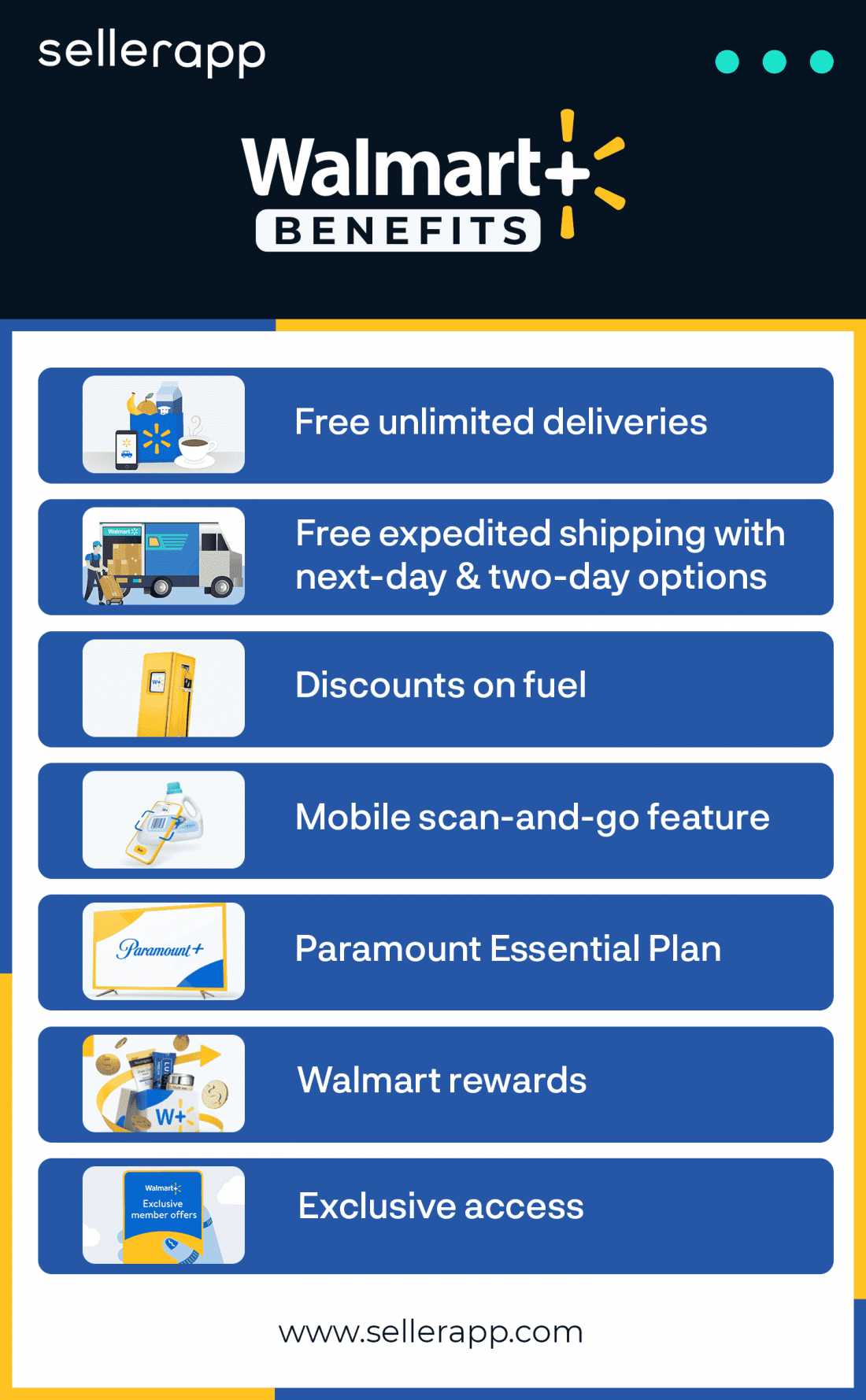
The most visible and frequently utilized benefit of Walmart Plus is unlimited free delivery from stores on orders over a certain minimum (often $35). While “free delivery” might seem like a simple convenience, its financial implications are profound. Consider the cost of gas for multiple trips to the store, the wear and tear on a vehicle, and the often-unquantified value of time. For a consumer making two grocery trips a week, each taking an hour and costing $5 in gas (conservative estimate), the savings quickly accumulate. Over a year, this could amount to hundreds of dollars in fuel costs alone, not to mention the opportunity cost of time spent commuting and shopping. Furthermore, online ordering can lead to more disciplined purchasing, reducing impulse buys that often inflate in-store bills. By shifting the burden of transportation to Walmart, members effectively outsource a costly and time-consuming task, reallocating those resources to more productive or enjoyable activities. This is a direct financial advantage, as time saved can be time earned, or at least time that isn’t spent incurring expenses.
The Array of Everyday Savings for the Savvy Consumer
Beyond groceries, Walmart Plus extends its free delivery to general merchandise, provided it’s shipped from a local store. This is crucial for urgent household items, last-minute party supplies, or forgotten essentials, preventing costly emergency trips to convenience stores or smaller, more expensive retailers. The scope of eligible items reinforces the service’s role as a comprehensive budgeting tool. For families, especially those with young children or limited mobility, the ability to have a wide range of products delivered simplifies life and helps maintain budgetary control. By centralizing purchases through Walmart, members can leverage its competitive pricing across a broader spectrum of goods, reinforcing the subscription’s value as a gateway to everyday savings.
Strategic Financial Advantages: Fuel, Rewards, and Digital Entertainment
Walmart Plus doesn’t stop at delivery; it branches into other significant areas of household expenditure, offering diversified savings that cater to various aspects of modern living, including essential transportation costs and increasingly important digital subscriptions.
Maximizing Fuel Savings Across the Pump
One of the most compelling financial benefits for many members is the discount on fuel. Walmart Plus members typically receive 10 cents off every gallon at Walmart & Murphy stations, and often gain access to member pricing at Exxon and Mobil gas stations. In an era of volatile fuel prices, this can translate into substantial annual savings, especially for commuters or larger families with multiple vehicles. For someone filling up a 15-gallon tank once a week, a 10-cent discount per gallon saves $1.50 per fill-up. Over a year, this amounts to $78 – nearly covering the cost of the annual membership on fuel savings alone. For those with higher fuel consumption, the savings can easily exceed the membership fee, making the subscription a net positive financial decision from this benefit alone. This tangible, recurring saving directly impacts a significant household expense, making it an attractive proposition for budget-conscious consumers.
Leveraging Walmart Rewards for Enhanced Purchasing Power
Walmart Rewards, while not exclusive to Walmart Plus, often integrates seamlessly with the membership experience, enhancing its financial utility. Members can earn rewards on eligible purchases, which can then be redeemed for future purchases at Walmart. While the exact mechanics and earning rates vary, the principle is clear: consistent shopping at Walmart through the Plus membership can accelerate reward accumulation. For consumers already committed to Walmart for a significant portion of their spending, this system functions like a loyalty program with an accelerated benefit. It’s a form of deferred savings, where current spending generates future purchasing power, effectively reducing the net cost of goods over time. Strategic use of Walmart Rewards, combined with the other savings offered by Plus, creates a robust ecosystem for managing household budgets more effectively.
The Unexpected Digital Bonus: Paramount+ and Its Value Proposition
In a shrewd move to enhance its appeal and differentiate itself, Walmart Plus includes a complimentary Paramount+ Essential subscription (with ads). For households already subscribed to, or considering, a streaming service, this benefit offers a direct and quantifiable financial saving. A Paramount+ Essential subscription typically costs around $5.99 per month, or approximately $72 annually. When factored into the overall cost of Walmart Plus, this effectively reduces the net annual cost of the Walmart Plus membership by a significant margin. For a $98 annual Walmart Plus subscription, the inclusion of Paramount+ essentially brings the actual cost of the core Walmart benefits down to around $26 per year ($98 – $72). This bundling strategy is a potent tool for attracting and retaining members, demonstrating a clear understanding of modern consumer spending habits where digital entertainment is a significant line item in many household budgets. For families, this adds considerable entertainment value without incurring an additional separate expense.
Streamlining Household Budgets and Lifestyle Efficiency
Beyond direct savings and bundled services, Walmart Plus offers several features designed to streamline the shopping process, reduce financial friction, and enhance overall household efficiency, indirectly contributing to better financial management.
Mobile Scan & Go: A Tool for Efficient Shopping
The Mobile Scan & Go feature, available through the Walmart app, allows members to scan items with their phone as they shop and pay directly from the app, bypassing traditional checkout lines. While seemingly a convenience feature, its financial implications are noteworthy. By eliminating wait times, it saves valuable time, which, as previously discussed, has an opportunity cost. More importantly, it can lead to a more controlled shopping experience. Seeing a running total on the phone as items are added to the cart can help shoppers stick to their budget more effectively, preventing surprises at the register. For those prone to impulse purchases while waiting in line, this feature can also mitigate such tendencies, leading to more disciplined spending and preventing budget overruns. It’s a subtle but effective tool for maintaining financial discipline during in-store visits.
Hassle-Free Returns and Automotive Care: Hidden Financial Protections
Walmart Plus offers members the convenience of returns from home for items delivered by Walmart. This eliminates the need for a physical trip to the store for returns, saving time, gas, and effort. While not a direct saving on the purchase itself, it removes a common barrier to making returns, ensuring that consumers can recoup funds for unwanted or incorrect items more easily. This translates into better management of personal finances, preventing situations where items are kept simply because the return process is too cumbersome.
Furthermore, some Walmart Plus benefits extend to automotive services, such as free flat tire repair or roadside assistance offered in conjunction with certain providers. While these may not be universally available or promoted prominently, they represent a significant form of insurance or contingency saving. An unexpected flat tire can incur costs for repair or replacement, and roadside assistance typically comes with a separate annual fee. By integrating these services, Walmart Plus offers a hidden layer of financial protection against unforeseen expenses, contributing to overall financial stability and peace of mind.
Early Access to Deals: Proactive Budgeting for Big Buys
Walmart Plus members often receive early access to special promotions, deals, and Black Friday sales events. For consumers planning larger purchases – electronics, home goods, or seasonal items – this early access is a significant financial advantage. It allows members to secure highly sought-after items at discounted prices before they sell out, preventing the need to pay full price later or miss out entirely. This feature enables proactive budgeting, allowing individuals to plan their spending around known future discounts rather than reacting to fleeting opportunities. It’s a strategic tool for maximizing savings on non-essential but desired purchases, ensuring better value for money spent.
Is Walmart Plus a Sound Financial Investment for Your Household?
The true value of Walmart Plus, like any subscription service, is highly individualized. It hinges on how frequently and effectively a member utilizes its benefits relative to its cost. For some, it will be an indispensable financial asset; for others, an unnecessary expense.
Analyzing the Cost-Benefit Equation for Different Consumer Profiles
- High-Volume Walmart Shoppers: For individuals or families who regularly purchase groceries and household items from Walmart multiple times a month, the free delivery alone can quickly justify the annual fee. Add in fuel savings and the Paramount+ subscription, and the net financial benefit becomes overwhelmingly positive.
- Fuel-Focused Commuters: Those with significant driving needs who frequently fill up at Walmart, Murphy, Exxon, or Mobil stations might find the fuel discounts alone cover a substantial portion, if not all, of the membership cost.
- Time-Strapped Individuals/Families: For busy professionals, parents, or individuals with mobility challenges, the value of time saved through delivery and Scan & Go is immense, indirectly translating into financial relief by freeing up hours that can be used for work, rest, or family.
- Occasional Shoppers: If Walmart is not a primary shopping destination, or if online ordering is infrequent, the benefits might not outweigh the annual cost. In such cases, the financial return on investment would be negligible or even negative.
It’s crucial for consumers to perform their own personal audit: track how often they shop at Walmart, estimate potential fuel savings, and consider the perceived value of the bundled services like Paramount+.
Comparing Walmart Plus to Other Subscription Services in the Financial Landscape
When evaluating Walmart Plus, it’s natural to compare it to competitors, most notably Amazon Prime. While both offer free delivery and streaming, their core strengths differ. Prime’s strength lies in its vast online marketplace and extensive digital ecosystem (Prime Video, Music, Reading). Walmart Plus excels in local store delivery, particularly for groceries and everyday essentials, and its tangible fuel discounts. For a consumer primarily focused on saving money on weekly groceries and gas, Walmart Plus might offer a more direct and impactful financial return. For someone heavily invested in Amazon’s digital services and broader online retail, Prime might be more suitable. The optimal choice often involves a blend of financial benefit analysis and lifestyle fit.
Making an Informed Decision: Calculating Your Potential ROI
To truly assess the financial viability of Walmart Plus, a simple calculation can be performed:
- Annual Membership Cost: $98 (for the annual plan)
- Estimated Annual Delivery Savings: (Number of deliveries per year) x (Average delivery fee + estimated gas/time saved per trip).
- Estimated Annual Fuel Savings: (Gallons purchased per year) x ($0.10 discount).
- Value of Paramount+: $72 per year (if you would have subscribed otherwise).
- Other Indirect Savings: (Value of time saved with Scan & Go, avoided impulse buys, hassle-free returns, early access deals, etc. – these are harder to quantify but contribute).
If the sum of estimated savings (2+3+4+5) significantly exceeds the annual membership cost ($98), then Walmart Plus represents a strong financial investment for your household.

The Future of Retail Subscriptions and Personal Finance
Walmart Plus is more than just a delivery service; it’s a strategic move by a retail giant to integrate convenience and cost-efficiency into the fabric of daily life. For the modern consumer navigating complex financial landscapes, understanding these services, analyzing their true cost, and calculating their potential return on investment is paramount. As the subscription economy continues to evolve, services like Walmart Plus will play an increasingly significant role in how households manage their budgets, save time, and ultimately, enhance their financial well-being. It underscores a fundamental shift in consumer finance: where spending wisely isn’t just about finding the lowest price, but about strategically investing in services that optimize overall value and reduce financial friction in the long run.
aViewFromTheCave is a participant in the Amazon Services LLC Associates Program, an affiliate advertising program designed to provide a means for sites to earn advertising fees by advertising and linking to Amazon.com. Amazon, the Amazon logo, AmazonSupply, and the AmazonSupply logo are trademarks of Amazon.com, Inc. or its affiliates. As an Amazon Associate we earn affiliate commissions from qualifying purchases.