
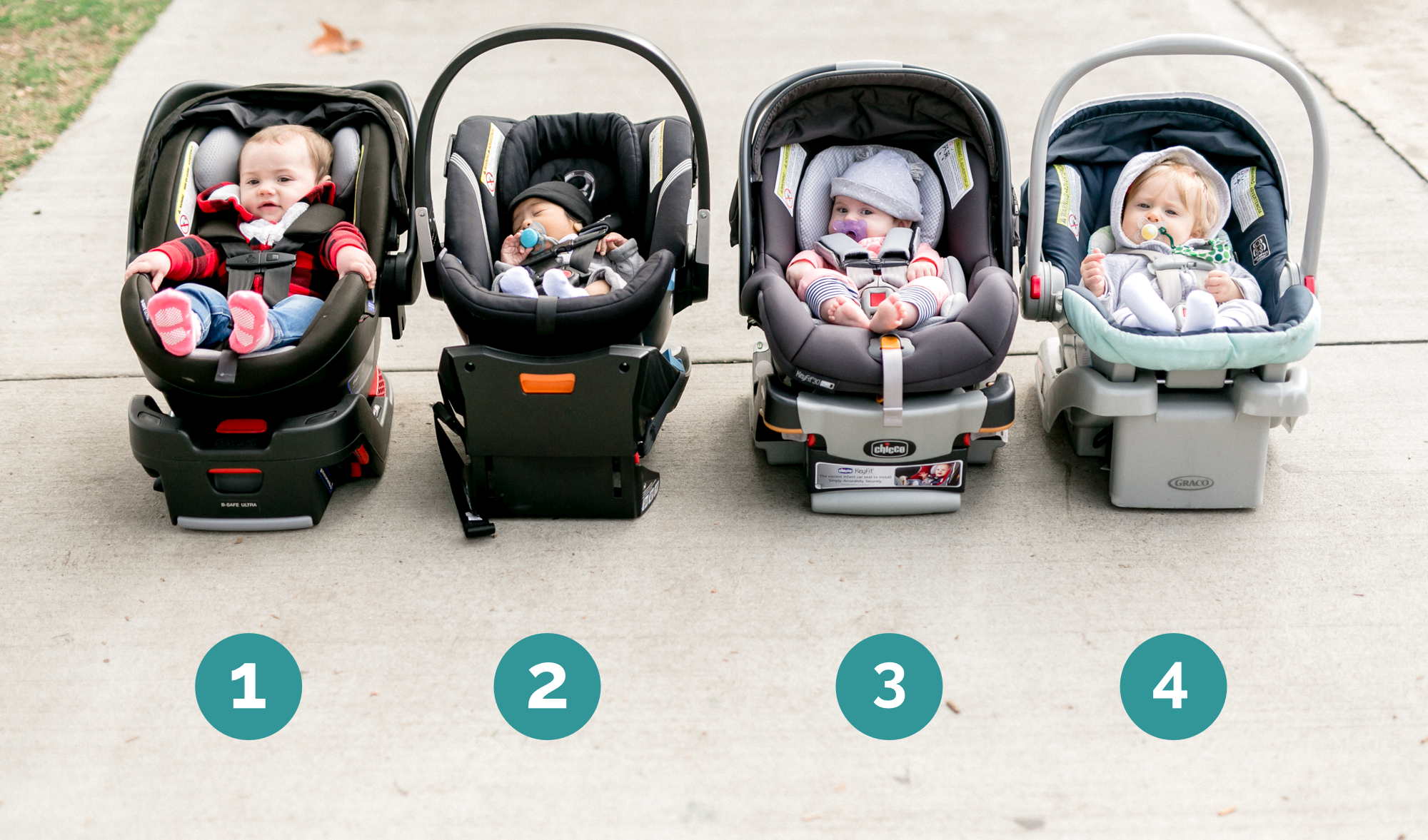
The transition from a rear-facing infant carrier—often referred to as the “bucket seat”—to the next stage of child passenger safety is more than just a milestone in a child’s physical growth. In the modern era, it represents a significant leap in automotive engineering and safety technology. As parents move away from the portability of the infant seat, they enter the world of convertible and “all-in-one” systems that utilize advanced material science, integrated IoT sensors, and complex kinetic energy management systems.
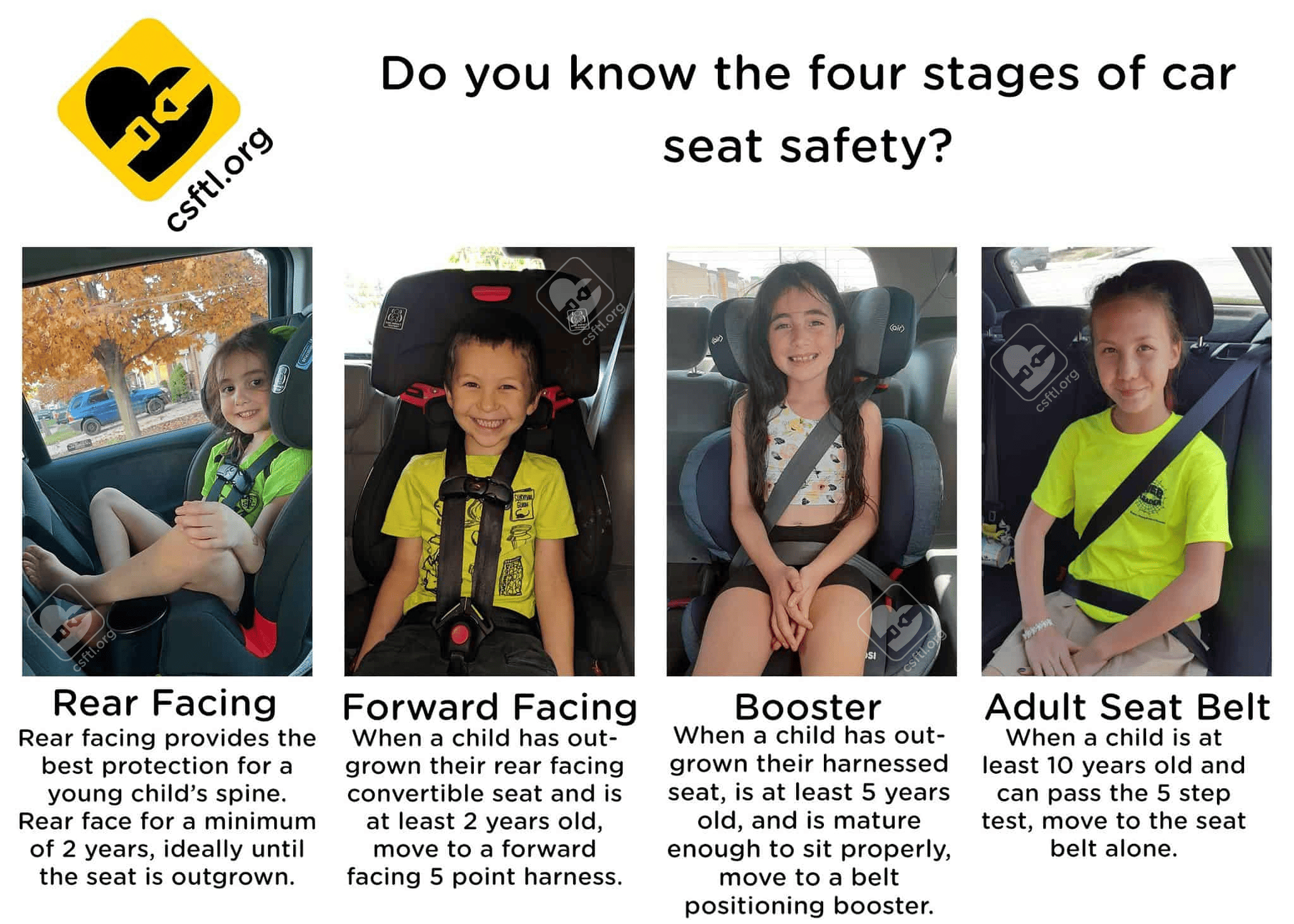
Understanding what comes after the infant car seat requires a look beyond the fabric and padding. It requires an analysis of how technology is reshaping the way we protect the most vulnerable passengers during the most dangerous miles of their lives.
The Engineering Shift: From Rear-Facing Pods to Convertible Systems
The infant car seat is designed as a specialized pod, optimized for the unique physiology of a newborn. However, as a child reaches the height or weight limit of that initial system—typically between 12 and 22 months—the technological requirements change. The next stage is almost universally the “Convertible” car seat, a piece of hardware engineered to serve dual purposes through complex mechanical reconfiguration.
Multi-Stage Chassis Design
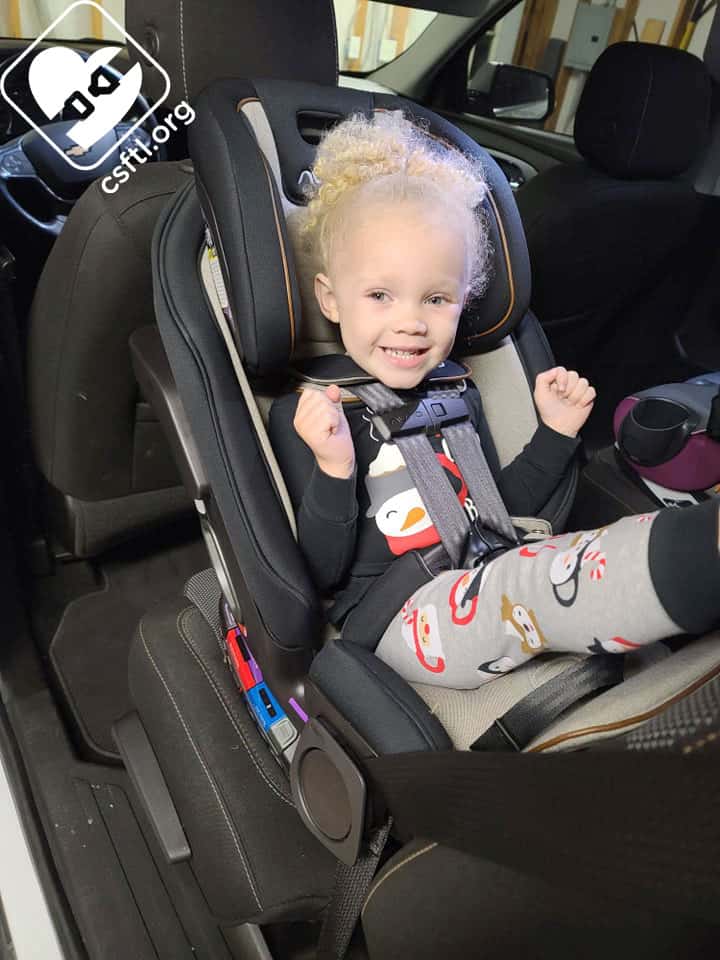
The primary technological feat of the convertible car seat is its adaptable chassis. Unlike the static shell of an infant seat, a convertible seat is a masterpiece of modular engineering. These seats are designed to remain rear-facing—the gold standard for spinal protection—for much longer, often up to 40 or 50 pounds.
The engineering challenge here involves managing a shifting center of gravity. As the child grows, the seat’s internal frame must be able to distribute force across a larger surface area. Modern manufacturers utilize reinforced steel frames and aerospace-grade aluminum to ensure that the “hinge points” of these convertible systems remain rigid during high-velocity impacts, a significant upgrade over the plastic-heavy designs of previous decades.
High-Tensile Materials and Energy Management
What follows the infant seat is also a shift in material science. While infant seats prioritize light weight for portability, convertible and booster seats prioritize energy absorption. We are seeing the integration of EPP (Expanded Polypropylene) and EPS (Expanded Polystyrene) foams, but the “tech” is moving toward honeycombed thermoplastic elastomers. These materials are designed to deform at a specific rate, mimicking the crumple zones of a high-end vehicle. By slowing down the “ride down” time of a crash, these materials significantly reduce the G-forces exerted on a child’s developing skeletal system.
The Rise of “Smart” Car Seats: IoT and Sensor Integration
As we move past the basic infant seat, we enter the territory of the “Connected Seat.” The latest iterations of toddler and booster seats are no longer passive pieces of furniture; they are active nodes in a family’s digital ecosystem.
Biometric Monitoring and Heat Regulation
One of the most significant technological advancements in the post-infant seat category is the integration of biometric sensors. High-end models now feature fabric-embedded sensors that monitor a child’s skin temperature and heart rate. This data is transmitted via Bluetooth or Wi-Fi to a smartphone app, alerting parents if a child is overheating—a critical safety feature in preventing pediatric vehicular heatstroke.
Furthermore, active ventilation systems are becoming a staple in the “next-step” seat. Using low-draw internal fans and 3D air-mesh technology, these seats use algorithms to regulate the micro-climate around the child, ensuring that comfort doesn’t come at the expense of safety-thick clothing (which can interfere with harness tension).
Real-Time Installation Feedback via Mobile Apps
The most common failure point in car seat safety is not the seat itself, but the installation. To combat this, the “tech-forward” stage of car seats utilizes digital tensioning systems. Using load cells and force-sensitive resistors (FSRs), these seats can detect if the LATCH (Lower Anchors and Tethers for Children) connectors or the vehicle seat belt is tightened to the correct Newton-meter specification.
Many modern convertible seats now feature LED interfaces or voice-guided prompts that walk the user through the installation process. If a harness becomes loose during a drive or if the seat’s angle of recline shifts out of a safe zone, the seat’s internal processor sends a push notification to the driver’s infotainment system or mobile device.
Advanced Impact Protection: The Software Behind the Hardware
When transitioning from an infant seat, the physics of a collision change. The child is higher up and has more mass. Consequently, the technology used to simulate and prevent injuries has become incredibly sophisticated, moving from physical dummy testing to high-fidelity digital simulations.
Computational Fluid Dynamics and Crash Simulation
The development of the modern convertible seat relies heavily on Computational Fluid Dynamics (CFD) and Finite Element Analysis (FEA). Engineers use these software tools to simulate thousands of crash scenarios—side-impact, rear-end, and rollovers—before a physical prototype is ever built.
This software has led to the development of “Side Impact Protection” (SIP) pods. These are often deployable units on the side of the car seat that utilize kinetic energy diversion technology. In the event of a crash, these pods are designed to compress first, diverting the initial shockwave away from the seat’s shell and the child’s torso. This is “active” technology derived from the same logic used in modern architectural seismic dampers.
Anti-Rebound Bars and Load Leg Technology
As children move into larger seats, the risk of “rebound”—the seat flipping toward the back of the vehicle seat after the initial impact—increases. The technological solution introduced in the latest generation of seats is the Anti-Rebound Bar (ARB) and the Load Leg (or Stability Leg).
The Load Leg is a telescopic metal support that extends from the car seat base to the floor of the vehicle. This piece of hardware is engineered to transfer a significant portion of the crash energy into the vehicle’s floor pan, reducing the forward rotation of the seat by up to 40%. While once only found in infant bases, this tech is now being integrated into the “next stage” convertible and all-in-one seats to provide a more stable platform for heavier children.
The Future of Mobility: AI and Autonomous Vehicle Integration
As we look at what comes after the infant car seat, we must also look at the vehicles they will inhabit. The next decade will see a deeper integration between the car seat and the vehicle’s Advanced Driver Assistance Systems (ADAS).
V2X Communication and Child Safety
Vehicle-to-Everything (V2X) technology is the next frontier. Future car seats are being prototyped with the ability to communicate directly with the vehicle’s central computer. If the car’s sensors detect an imminent collision, the car seat could theoretically “prime” itself—using motorized pre-tensioners to tighten the child’s harness milliseconds before impact, similar to how high-end luxury car seat belts behave for adults.
This level of integration ensures that the car seat is not just a secondary add-on, but a fully communicative component of the vehicle’s safety net. AI algorithms will eventually be able to adjust the seat’s internal padding or rigidity based on the specific weight and height of the child detected by the seat’s sensors.
Sustainability in Tech-Driven Manufacturing
The technological evolution of car seats also involves a move toward sustainable high-tech materials. As parents transition out of the infant phase, they are looking for longevity. This has led to the development of “circular” car seat tech—modular components that can be easily replaced or upgraded without discarding the entire unit.
Manufacturers are experimenting with bio-based polymers and recycled carbon fiber to create frames that are lighter, stronger, and more environmentally friendly. This shift ensures that the “next step” in child safety is not only protective for the individual child but also responsible for the world they will grow up in.
Conclusion: A Data-Driven Transition
Moving on from an infant car seat is no longer a simple purchase of a larger chair. It is an entry into a sophisticated world of safety tech. From the structural integrity of high-tensile steel frames to the life-saving potential of IoT biometric sensors and AI-integrated communication, the technology following the infant seat is designed to adapt to a child’s rapidly changing needs.
As we continue to innovate, the “next stage” of child passenger safety will become even more invisible and intuitive, blending seamless digital monitoring with rugged, aerospace-inspired engineering. For parents, understanding this tech-centric landscape is the key to making an informed decision that ensures their child’s safety through every growth spurt and every mile.
aViewFromTheCave is a participant in the Amazon Services LLC Associates Program, an affiliate advertising program designed to provide a means for sites to earn advertising fees by advertising and linking to Amazon.com. Amazon, the Amazon logo, AmazonSupply, and the AmazonSupply logo are trademarks of Amazon.com, Inc. or its affiliates. As an Amazon Associate we earn affiliate commissions from qualifying purchases.