
The conclusion of a high-budget prequel like 1923 marks more than just a narrative transition in the “Yellowstone” universe; it represents a pivotal shift in the business model of modern streaming entertainment. For investors, media analysts, and financial strategists, the question of “what comes after” is not merely about plot points, but about the sustainability of massive capital expenditures in a volatile media market. The transition from 1923 into the announced sequels and spin-offs—specifically 1944 and 2024—serves as a case study in how intellectual property (IP) is leveraged to ensure long-term revenue stability and brand equity in the “Peak TV” era.

The Financial Blueprint of Modern Content Franchises
The entertainment industry has shifted away from the “hit-or-miss” pilot season model toward a strategy of massive, interconnected ecosystems. In this context, 1923 was never intended to be a standalone product. It was a strategic asset designed to anchor a specific demographic to the Paramount+ platform. The financial blueprint behind what comes after this series is rooted in the concept of “ancillary longevity,” where the value of a single series is multiplied across several years of interconnected content.
Capitalizing on IP: From Single Hit to Ecosystem
The economics of a franchise like the one born from Yellowstone rely on the compounding value of a loyal audience. When a series like 1923 ends, the financial objective is to migrate that audience immediately into the next phase of the timeline. This is a low-cost acquisition strategy for subscribers. Rather than spending millions on marketing to find a new audience for a completely new concept, the studio reinvests that capital into talent and production for a known entity.
By announcing 1944 and the contemporary sequel 2024, the financial backers are effectively “future-proofing” their revenue streams. This ensures that the churn rate—the percentage of subscribers who cancel their service—remains low. From a business finance perspective, the cost of retaining an existing subscriber through a spin-off is significantly lower than the cost of acquiring a new one for an unproven original series.
The Cost of Production vs. Subscription Retention
The production costs for 1923 were reportedly upwards of $20 million per episode. This represents a staggering capital outlay that rivals major cinematic releases. For such an investment to yield a positive Return on Investment (ROI), the series must do more than just attract viewers; it must serve as a “tentpole” that supports the entire weight of a streaming platform.
What comes after 1923 is a more refined approach to this high-spending model. The subsequent series are expected to utilize existing sets, costumes, and historical research, allowing for better economies of scale. In financial terms, the “first-copy cost” of the franchise is high, but the “marginal cost” of producing subsequent seasons or spin-offs begins to decrease relative to the brand value they generate.
Diversification and Scalability: The Business of 1944 and 2024
As the franchise moves forward into the mid-20th century with 1944 and continues the modern-day saga with 2024, the focus shifts to scalability. Diversification in content allows the parent company to capture different segments of the market while maintaining the core brand identity. This is similar to how a diversified investment portfolio mitigates risk while maximizing potential gains.
Risk Management in High-Budget Period Dramas
Producing historical dramas is a high-risk financial endeavor. The requirement for period-accurate costumes, locations, and technology drives the “burn rate” of a production budget to extreme levels. To manage this risk, the productions following 1923 are increasingly leveraging tax incentives and localized production grants.
State-level tax credits in places like Montana and Texas have become essential components of the franchise’s financial health. By moving production to regions with aggressive fiscal incentives, the “net cost” of a $200 million season can be reduced by 20% to 30%. This fiscal discipline is what allows the franchise to continue expanding even as the broader streaming market faces a period of cooling and consolidation.
Strategic Partnerships and Distribution Rights
One of the most complex financial hurdles for the franchise has been the fractured distribution rights of the original Yellowstone series, which currently streams on Peacock despite being a Paramount production. The series following 1923 are designed to correct this “revenue leak.”
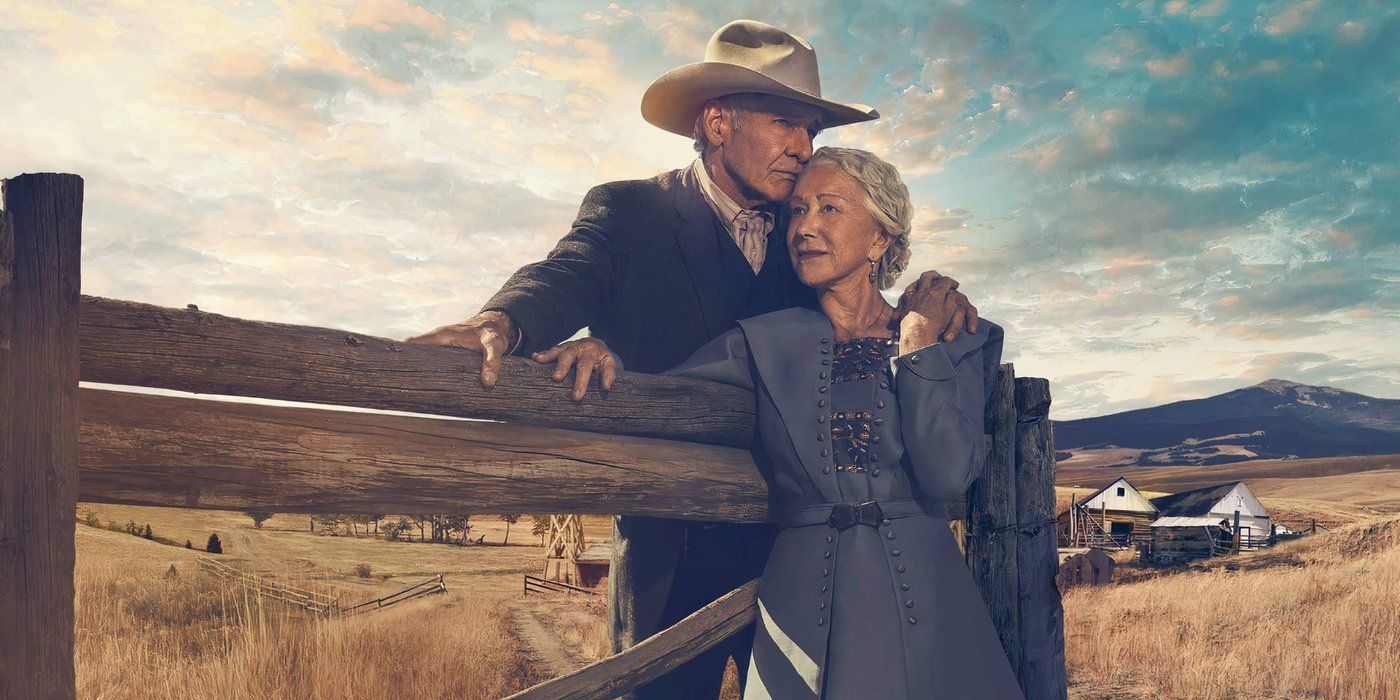
By ensuring that all subsequent prequels and sequels are exclusive to Paramount+, the company is reclaiming the full “lifetime value” (LTV) of each viewer. The financial strategy here is one of vertical integration: the company produces, distributes, and broadcasts the content on its own infrastructure. This allows for total control over advertising revenue, subscription data, and global syndication rights, which are projected to be worth billions over the next decade.
The Revenue Streams Behind the Screen
The economic impact of the series following 1923 extends far beyond the digital confines of a streaming app. The “Yellowstone” effect has created a micro-economy that encompasses merchandising, tourism, and real estate. This multifaceted revenue model is the true engine that will power the franchise through its next iterations.
Merchandising and the “Western Lifestyle” Economy
What comes after 1923 is an even deeper integration of product placement and lifestyle branding. The franchise has successfully commercialized the “modern frontier” aesthetic. This has led to lucrative licensing deals for everything from rugged apparel and work boots to high-end home decor and spirits.
From a business finance standpoint, these licensing fees represent “passive income” for the production company. Unlike the volatile nature of box office returns or streaming numbers, licensing agreements provide steady, predictable cash flow. As the franchise expands into different eras, the merchandising opportunities diversify as well, allowing the brand to sell both “heritage” goods and contemporary lifestyle products simultaneously.
Real Estate and Tourism as Hidden Revenue Drivers
The geographic locations featured in 1923 and its successors have seen a massive influx of “set-jetting” tourists. This has had a measurable impact on local economies, particularly in Montana. For the owners of the intellectual property, this presents an opportunity for high-margin real estate ventures.
The acquisition of the 6666 Ranch by Taylor Sheridan and his investment group is a prime example of “content-driven real estate.” The ranch serves as a filming location, but it also operates as a working business, a tourism destination, and a brand in its own right. This integration of physical assets with digital content creates a “moat” around the franchise, making it difficult for competitors to replicate the same level of cultural and economic immersion.
Future Outlook: Investing in the Next Era of Entertainment
As we look toward the horizon beyond 1923, the entertainment landscape is characterized by a “flight to quality.” Investors are no longer satisfied with high subscriber counts if they are not accompanied by a clear path to profitability. The strategy for the future of this franchise is built on sustainable growth rather than reckless expansion.
The Consolidation of Streaming Giants
The media industry is currently undergoing a period of intense consolidation. Companies are looking to trim fat and focus on “power brands.” The series following 1923 are well-positioned for this environment because they possess “high stickiness.” In a world where consumers are increasingly selective about their monthly subscription spend, a franchise that offers a continuous, multi-generational story becomes an essential service rather than a luxury.
Financial analysts are watching closely to see if the franchise can maintain its high production standards while improving its bottom line. The expectation is that the next phase will involve more aggressive international expansion. The “Western” theme has shown surprising resilience in global markets, offering a unique opportunity for high-margin international licensing and localized spin-offs in markets like South America or Australia.

Longevity of the “Yellowstone” Financial Model
The ultimate question for the financial future of the franchise is whether it can survive the eventual conclusion of its core narratives. The transition from 1923 to 1944 suggests that the strategy is to treat the brand like a historical anthology, capable of being renewed indefinitely with new casts and eras.
This “generational turnover” is a brilliant financial maneuver. It allows the studio to renegotiate talent contracts every few years, preventing the “salary bloat” that often kills long-running television shows. By rotating the cast and the setting while keeping the core brand identity—the struggle for land, legacy, and power—the franchise can maintain its premium status in the market for decades.
In conclusion, what comes after 1923 is a sophisticated evolution of the entertainment business model. It is an era defined by the strategic use of IP, the aggressive pursuit of vertical integration, and the cultivation of a lifestyle brand that transcends the screen. For those analyzing the intersection of media and finance, the expansion of this franchise remains one of the most compelling narratives in the modern economy.
aViewFromTheCave is a participant in the Amazon Services LLC Associates Program, an affiliate advertising program designed to provide a means for sites to earn advertising fees by advertising and linking to Amazon.com. Amazon, the Amazon logo, AmazonSupply, and the AmazonSupply logo are trademarks of Amazon.com, Inc. or its affiliates. As an Amazon Associate we earn affiliate commissions from qualifying purchases.