
Brown, often underestimated in the vibrant spectrum of brand design, is a colour with profound psychological associations and immense versatility. Far from being merely dull or utilitarian, brown, when strategically paired, can evoke powerful feelings of warmth, reliability, sophistication, and authenticity. For brands looking to convey a sense of heritage, naturalness, or grounded luxury, understanding brown’s chromatic companions is not just an aesthetic choice but a critical component of brand strategy and corporate identity.
The Psychology and Perception of Brown in Branding
The choice of brown in a brand’s colour palette is rarely arbitrary; it communicates specific values and elicits particular emotional responses. Its earthy nature grounds a brand, lending it an air of trustworthiness and stability. However, the perception of brown is nuanced, swinging between rustic charm and refined elegance, depending on its specific shade and the colours it accompanies.
Stability, Earthiness, and Authenticity
Brown is intrinsically linked to the natural world—soil, wood, stone. This connection automatically imbues brands utilizing brown with characteristics of earthiness, organic quality, and authenticity. Brands focused on sustainability, agriculture, natural products, or handcrafted goods often gravitate towards brown to visually reinforce their core values. It suggests a brand that is grounded, reliable, and committed to natural processes or enduring quality. A deep, rich chocolate brown can evoke a sense of tradition and long-standing craftsmanship, while a lighter, warmer tan or beige might suggest approachable simplicity and natural comfort. For brands aiming to build trust through transparency and genuine connection, brown serves as a powerful visual anchor.
Sophistication vs. Mundanity
The perception of brown as either sophisticated or mundane hinges almost entirely on its accompanying colours and the overall design context. On its own, or with poorly chosen partners, brown can indeed appear drab or uninspired. However, when paired intelligently with complementary or contrasting hues, brown can be elevated to a symbol of understated luxury, timeless elegance, or rugged sophistication.
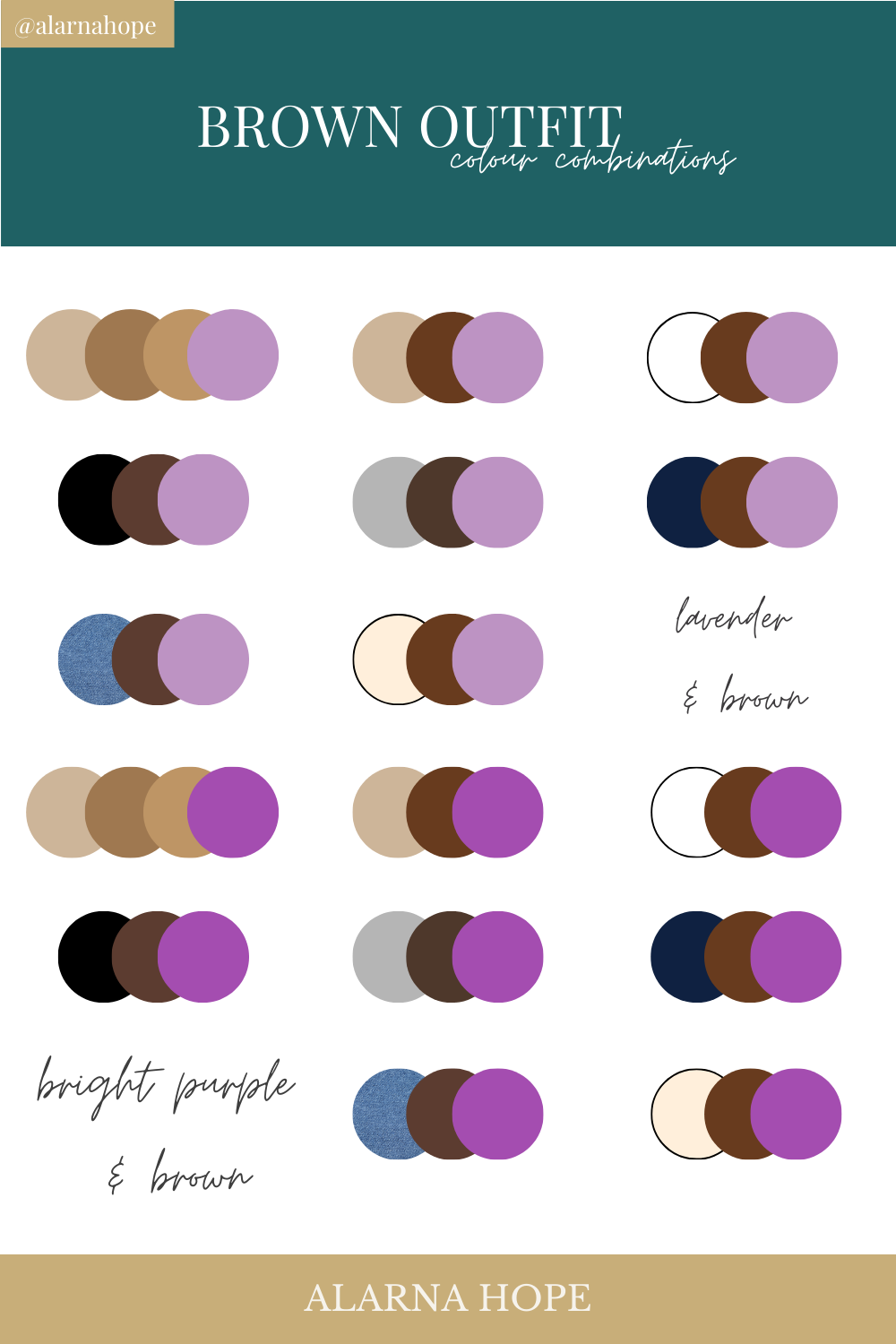
A darker, more saturated brown often carries an air of seriousness and traditional luxury, reminiscent of fine leather goods, antique furniture, or artisanal coffee. When juxtaposed with metallic accents like gold or copper, or alongside deep jewel tones, brown transcends its earthy origins to project an image of established prestige and refined taste. Conversely, lighter, warmer browns can suggest comfort and coziness without sacrificing a contemporary edge, especially when balanced with clean whites or soft pastels. The key lies in understanding that brown is a chameleon; its ultimate identity in a brand’s visual language is shaped by its chromatic neighbours.
Harmonizing Hues: Classic and Contemporary Pairings for Brown
The true magic of brown in branding comes alive through its interactions with other colours. Strategic pairings can amplify brown’s inherent qualities or introduce new dimensions to a brand’s visual identity.
Earthen Tones: Green, Cream, and Gold
For brands seeking to reinforce a natural, organic, or luxurious feel, combining brown with other earthen and metallic tones is a classic, fail-safe strategy.
- Green: The partnership of brown and green is a quintessential representation of nature. From forest green to sage or olive, green alongside brown evokes forests, meadows, and sustainability. This combination is highly effective for eco-conscious brands, outdoor adventure companies, or food brands emphasizing natural ingredients. It projects freshness, growth, and a connection to the environment, fostering a sense of wellness and responsibility.
- Cream/Off-White: Pairing brown with cream or off-white softens its intensity while maintaining its natural warmth. This creates a clean, sophisticated, yet inviting palette. It’s perfect for brands aiming for an elegant simplicity, such as artisanal bakeries, boutique hotels, or sophisticated home decor brands. The contrast is gentle, providing readability and a timeless appeal that avoids starkness.
- Gold/Copper: To infuse brown with a touch of luxury and prestige, metallics like gold or copper are invaluable. A rich chocolate brown with shimmering gold accents speaks volumes about quality, heritage, and exclusivity. This combination is a staple in high-end fashion, luxury packaging, gourmet food products, and brands wanting to convey a sense of established value and premium craftsmanship. It adds a celebratory and opulent dimension to brown’s grounded nature.
Bold Contrasts: Blue, Orange, and Pink
Beyond the harmonious earth tones, brown also excels when paired with vibrant, contrasting colours, creating dynamic and memorable brand palettes.
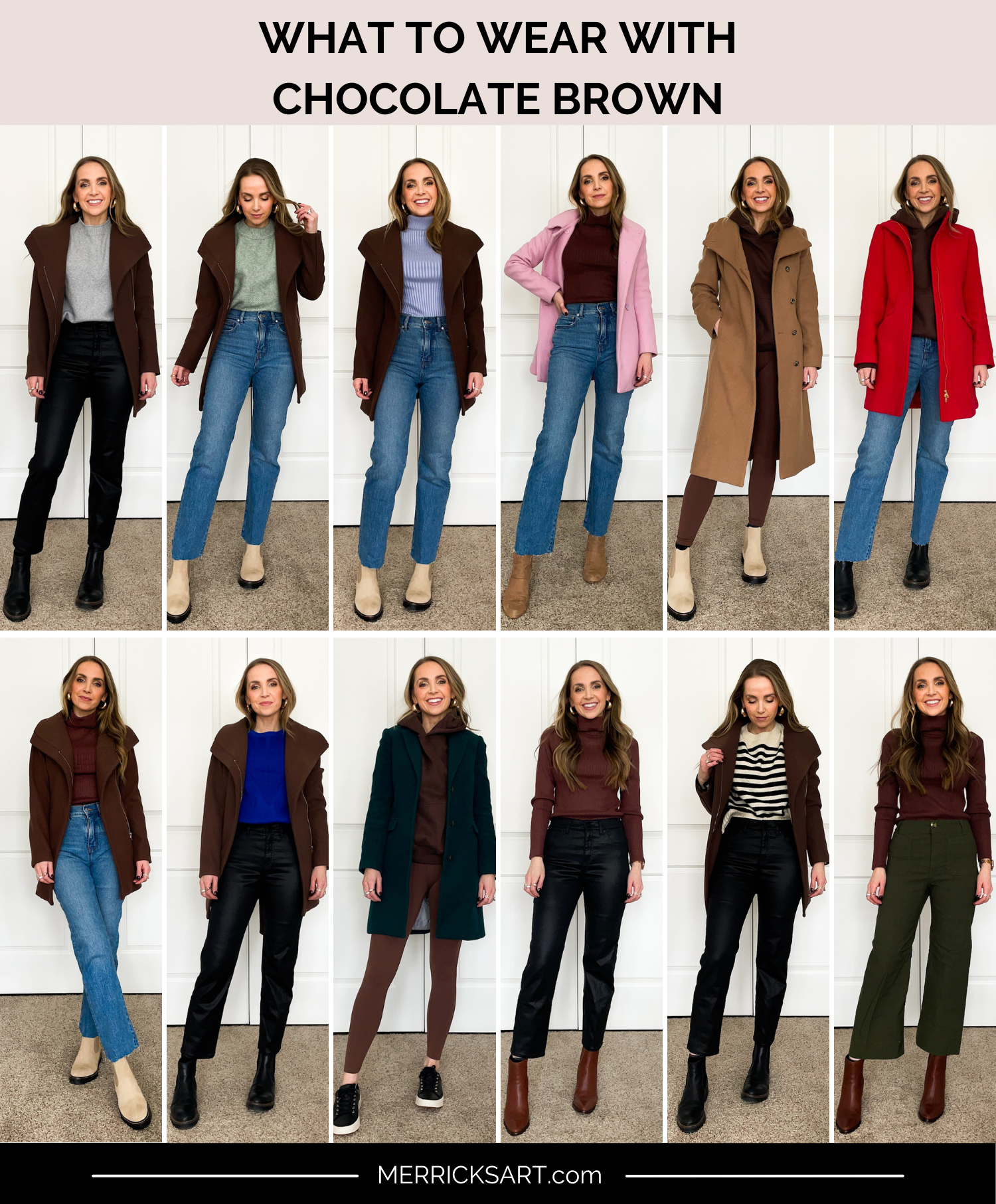
- Blue: The combination of brown and blue is a surprisingly powerful duo. While brown is warm and earthy, blue brings coolness, trust, and professionalism. A deep navy with a warm tan can feel incredibly sophisticated and corporate, suitable for financial institutions or established tech brands seeking a grounded yet forward-thinking image. Lighter blues with medium browns can evoke a sense of sky and earth, creating a balanced, approachable feel, perfect for travel or leisure brands. This pairing offers both stability and breadth, combining tradition with an expansive outlook.
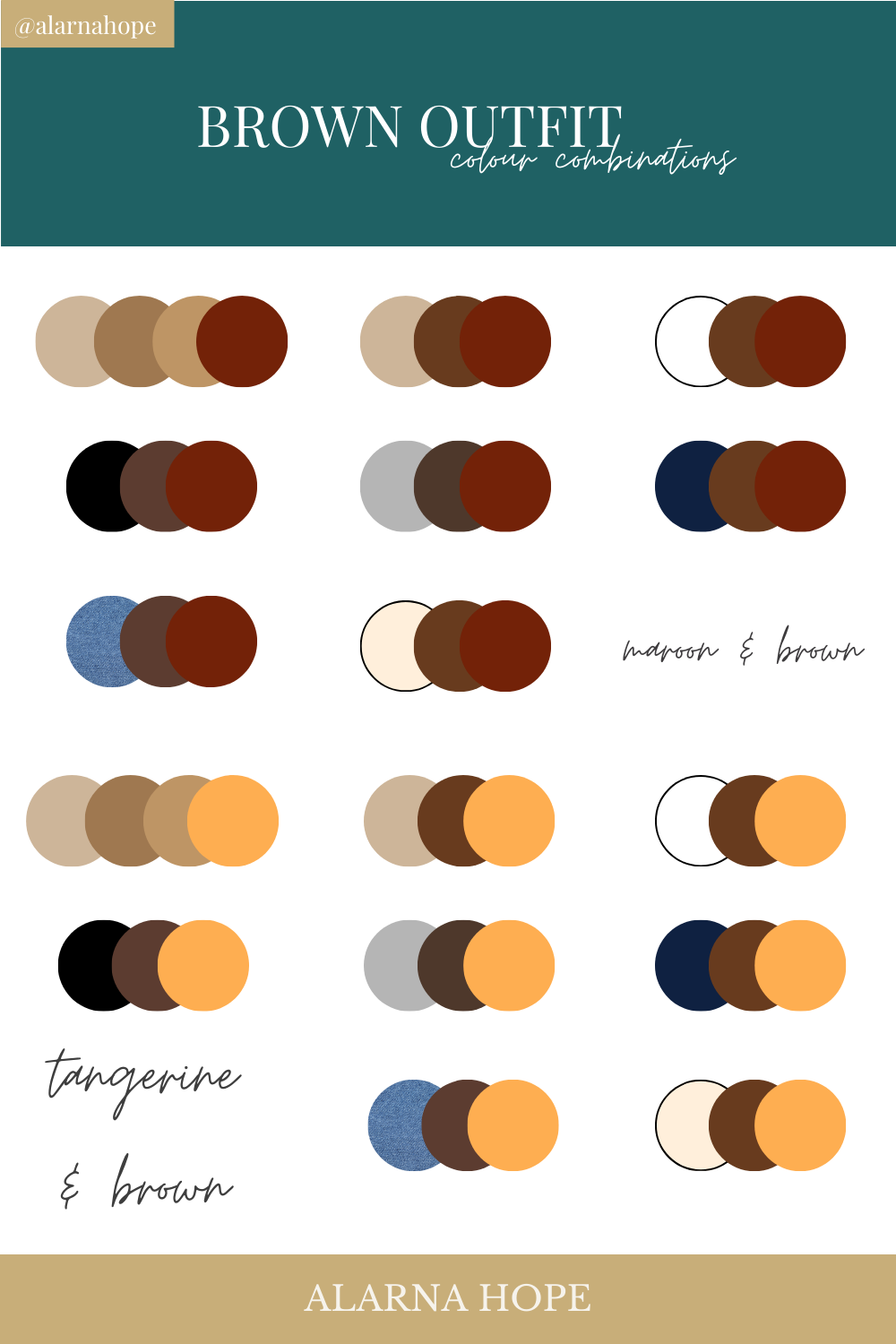
- Orange: For brands that want to communicate energy, warmth, and creativity, pairing brown with orange is a vibrant choice. Think of autumn leaves or a cozy campfire. This combination can be playful yet grounded, making it suitable for creative agencies, family-oriented brands, or food and beverage companies looking to project comfort and innovation. It’s dynamic and approachable, suggesting warmth and enthusiasm without being overly aggressive.
- Pink: Unexpectedly, brown and pink can create a very chic and modern aesthetic. A soft blush pink with a medium to dark brown offers a sophisticated, feminine, and gentle appeal. This pairing works beautifully for beauty brands, lifestyle blogs, or fashion labels aiming for a luxurious yet delicate look. It softens brown’s intensity, introducing an element of romance and contemporary elegance that can differentiate a brand in a crowded market.
Monochromatic and Analogous Palettes
Sometimes, the most compelling brand identities leverage brown within a more unified spectrum.
- Monochromatic: Utilizing various shades, tints, and tones of brown (from deep espresso to light beige) creates a rich, sophisticated, and cohesive look. This approach speaks volumes about depth, refinement, and an appreciation for subtle nuances. It’s excellent for brands aiming for understated luxury or a minimalist aesthetic that still conveys warmth and texture, often seen in high-end interiors or artisanal crafts.
- Analogous: Combining brown with colours adjacent to it on the colour wheel, such as deep reds, oranges, or muted yellows, creates a harmonious and natural flow. This can be less stark than a full contrast, offering a visually comforting and cohesive brand experience. It works well for brands that want to evoke warmth, comfort, and an organic feel without being overtly “green,” such as gourmet food brands or wellness companies.
Strategic Application: Leveraging Brown in Brand Design
The strategic application of brown and its chosen companions extends beyond mere visual appeal; it impacts brand recognition, recall, and consumer perception across various touchpoints.
Industry-Specific Considerations
The appropriateness of brown and its pairings often depends on the industry. In food and beverage, particularly coffee, chocolate, or artisanal baked goods, brown is a natural fit, signaling richness and organic quality. For luxury brands, brown leather and wood tones with metallic accents convey heritage and exclusivity. In contrast, for high-tech or ultra-modern brands, brown might be used sparingly or in very specific, desaturated tones to prevent an outdated perception. Even then, a touch of brown can add warmth to an otherwise cold tech aesthetic, humanizing the brand. Understanding industry norms and consumer expectations is paramount when integrating brown into a brand’s palette.
Digital vs. Print Media
The way brown appears can vary significantly between digital screens and print materials. Digital displays, with their RGB colour models, might render brown with more vibrancy or warmth than CMYK-based print processes. Brands must ensure consistency across all media. Achieving the desired depth and richness of brown in print often requires careful colour calibration and selection of specific Pantone or process colours. Similarly, for web design, accessible contrast ratios involving brown and its text/background pairings are crucial for usability and inclusivity.
Accessibility and Inclusivity
When designing with brown, especially in digital contexts, accessibility is a key consideration. Ensure that brown text against a background colour, or vice-versa, meets WCAG (Web Content Accessibility Guidelines) contrast ratios. While brown can be warm and inviting, poor contrast can make content illegible for individuals with visual impairments. Choosing shades that provide sufficient contrast with text and other design elements ensures that a brand’s message is accessible to all audiences, enhancing inclusivity.
Case Studies: Brands that Master Brown
Many successful brands leverage brown effectively, demonstrating its versatility and power.
High-End Fashion & Luxury Goods
Brands like Louis Vuitton (with its iconic brown monogram) and premium leather goods companies extensively use brown. Paired with gold hardware and sophisticated typefaces, their use of brown communicates heritage, craftsmanship, and timeless luxury. It’s about understated elegance that doesn’t shout but rather whispers quality.
Organic & Sustainable Brands
Patagonia, while not exclusively brown, often incorporates earthy browns and tans into its branding and apparel to underscore its commitment to the outdoors and sustainability. Similarly, many organic food brands or eco-friendly product lines use brown packaging or logos, often paired with green, to immediately convey their natural and responsible ethos.
Coffee & Confectionery
From Starbucks’ deep coffee browns to artisanal chocolate makers, brown is a dominant and evocative colour in this sector. It directly represents the product itself—coffee beans, chocolate bars—and evokes warmth, richness, indulgence, and comfort. Paired with creams, golds, or vibrant accents, it can create a delicious and inviting brand experience.
Crafting Your Brand’s Brown Narrative
Ultimately, integrating brown into a brand’s colour palette is about storytelling. What narrative do you want to tell? Is it one of enduring legacy, natural purity, rugged adventure, or refined indulgence? Brown offers a stable, grounded foundation upon which a powerful and resonant brand identity can be built. By understanding its psychological impact, exploring its diverse pairings, and applying it strategically across all brand touchpoints, brown can transform from a seemingly simple hue into a cornerstone of a compelling and memorable brand presence. Choosing the right accompanying colours is not just about aesthetics; it’s about amplifying your brand’s core message and connecting with your audience on a deeper, more authentic level.
aViewFromTheCave is a participant in the Amazon Services LLC Associates Program, an affiliate advertising program designed to provide a means for sites to earn advertising fees by advertising and linking to Amazon.com. Amazon, the Amazon logo, AmazonSupply, and the AmazonSupply logo are trademarks of Amazon.com, Inc. or its affiliates. As an Amazon Associate we earn affiliate commissions from qualifying purchases.