
In the competitive landscape of modern marketing, color is far more than an aesthetic choice; it is a silent language that communicates values, heritage, and emotional resonance. When brand designers ask, “What colour is raw umber?” they are rarely looking for a simple hex code. Instead, they are exploring a sophisticated, neutral pigment that carries centuries of history and a unique psychological profile.
Raw umber is a natural earth pigment consisting of clay colored by iron and manganese oxides. Visually, it is characterized as a cool, greenish-brown. Unlike other browns that lean toward warm, reddish undertones, raw umber is decidedly desaturated and “raw,” mimicking the appearance of natural, unrefined earth. In the context of brand strategy and corporate identity, this color serves as a foundational tool for companies aiming to project stability, authenticity, and a connection to the physical world.
Understanding the Essence: The Chemical and Visual Profile of Raw Umber
To utilize raw umber effectively in a brand palette, one must first understand its technical composition and how it differs from its more common counterparts.
The Mineral Foundation
The name “umber” is derived from terra d’ombra, or “earth of shadow,” a reference to the pigment’s origins in the Umbria region of Italy. Chemically, it is a mixture of iron oxide and manganese oxide. The presence of manganese is what gives raw umber its distinctive cool, slightly dark, and greenish-brown cast. In its “raw” state, the pigment is taken directly from the earth, dried, and ground. This lack of artificial processing is a key narrative point for brands that prioritize “organic” or “transparent” manufacturing processes.
Visual Distinctions: Raw vs. Burnt Umber
A common point of confusion in design circles is the difference between raw and burnt umber. When raw umber is heated (calcined), the manganese and iron oxides dehydrate, transforming the cool greenish-brown into a deep, warm, reddish-brown known as burnt umber. From a branding perspective, the choice between the two is critical. Burnt umber suggests warmth, comfort, and tradition. Raw umber, by contrast, suggests neutrality, clinical precision within a natural context, and a modern, “muted” sophistication that aligns with contemporary minimalist trends.
The Psychological Impact: Why Raw Umber Resonates with Consumers
Color psychology is the backbone of brand strategy. Every hue triggers a specific cognitive response. Raw umber occupies a unique space in the psychological spectrum, offering a bridge between the ruggedness of nature and the refinement of high-end design.
Communicating Reliability and Longevity
In an era of “fast” everything—fast fashion, fast tech, and fleeting digital trends—raw umber provides a visual anchor. Because it is the color of the deep earth, it is subconsciously associated with permanence. Brands that utilize raw umber in their corporate identity—such as high-end architecture firms, artisanal heritage brands, or sustainable forestry initiatives—are signaling to the consumer that they are built to last. It is the antithesis of the “neon” tech aesthetic; it is quiet, confident, and immovable.
The Aura of Authenticity and Craftsmanship
Raw umber is the color of the workshop and the studio. It evokes the image of raw timber, unprimed canvas, and shadows in a master painter’s atelier. For personal branding and boutique agencies, this color communicates “process” over “polish.” It suggests that the brand is hands-on and deeply involved in the craft. When a consumer sees a palette anchored by raw umber, they often perceive the brand as being more “honest” or “grounded” than those using highly saturated, synthetic colors.
Raw Umber in Practical Brand Design: Strategy and Execution

Incorporating raw umber into a visual identity system requires a nuanced understanding of color theory and market positioning. It is rarely used as a standalone “hero” color in the way a bold red or blue might be; rather, it functions as a “premium neutral” that elevates the entire brand ecosystem.
Establishing a “Natural Premium” Identity
In the luxury sector, there has been a significant shift away from ostentatious gold and black toward more organic, muted tones. Raw umber is a staple of this “natural premium” movement. When paired with high-quality textures—such as recycled heavy-weight paper stocks, linen-finish business cards, or matte-finish packaging—raw umber feels incredibly expensive. It provides a sense of “quiet luxury” that appeals to sophisticated consumers who shun overt branding in favor of subtle quality.
Managing Accessibility and Contrast
From a functional design standpoint, raw umber is a powerhouse for typography and iconography. It offers a softer alternative to pure black (#000000), which can often feel harsh or “digital” on a screen or page. Using raw umber for body text or secondary brand elements maintains high readability and WCAG (Web Content Accessibility Guidelines) compliance while softening the visual impact. This creates a more “organic” reading experience, reducing eye strain and making the brand’s digital touchpoints feel more inviting and human-centric.
Technical Specifications: Bringing Raw Umber to the Digital Space
While the pigment itself is ancient, modern brand strategy requires translating raw umber across various digital and physical mediums. Consistency is the hallmark of professional branding, and raw umber requires careful calibration to ensure it doesn’t shift toward a muddy gray or an overly warm chocolate brown.
Defining the Digital DNA (HEX, RGB, CMYK)
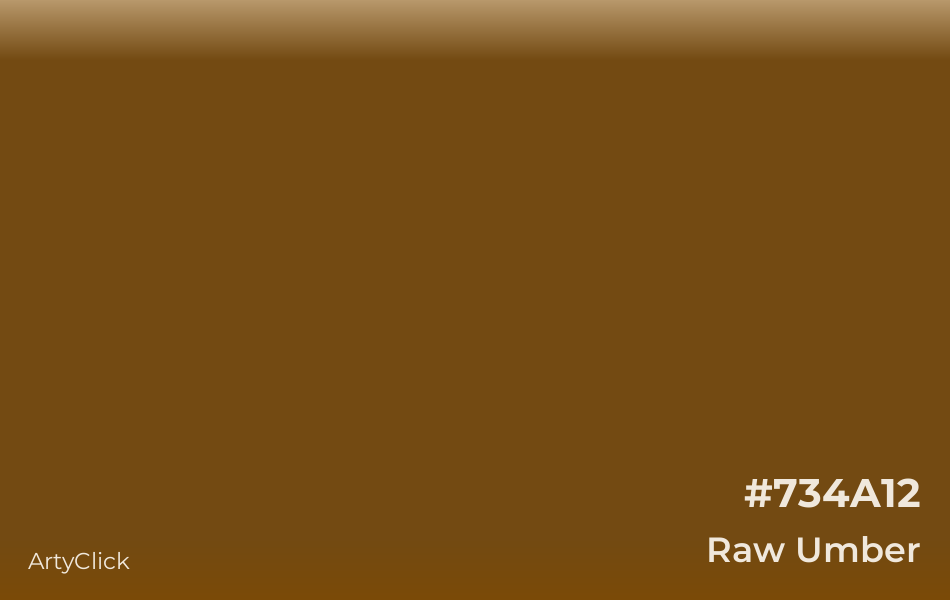
To achieve the true essence of raw umber in digital design, designers typically look for a hex code that balances brown with a hint of green and gray. A classic representation of raw umber in the digital space is HEX #826644 or #734A12, depending on the specific saturation desired. In a CMYK printing environment, it is essential to monitor the “K” (black) and “C” (cyan) levels; too much magenta will turn the color into burnt umber, losing that trademark “raw” coolness.
Cross-Platform Consistency
One of the challenges of using raw umber is its behavior on different screen types (OLED vs. LCD). Because it is a desaturated earth tone, it can easily lose its character on poorly calibrated monitors. Brand guidelines must specify “fallback” colors and provide strict CSS variables to ensure that the “cool earth” vibe remains consistent whether the customer is viewing a mobile app, a physical storefront sign, or a social media ad.
The Strategic Future: Earth Tones in a Digital-First World
As we move deeper into the 21st century, the role of earth tones like raw umber is evolving. In a world dominated by blue-light screens and artificial interfaces, there is a growing consumer desire for “biophilic” design—design that connects us back to the natural world.
Counteracting “Digital Fatigue”
“Digital fatigue” is a recognized phenomenon where consumers become overwhelmed by the high-contrast, high-saturation environments of the internet. Brands that adopt a raw umber-based palette offer a visual “rest.” This strategy is increasingly seen in wellness apps, mental health platforms, and “slow-living” lifestyle brands. By using the colors of the natural world, these brands create a digital sanctuary, making the user feel calmer and more grounded while interacting with their software.

Conclusion: Why Raw Umber is a Timeless Asset
When we ask “What colour is raw umber?”, we find an answer that spans from the caves of early humans to the high-res displays of modern Silicon Valley. In brand strategy, raw umber is the color of substance. It is a tool for designers who want to build a corporate identity that is both sophisticated and deeply rooted in reality.
By choosing raw umber, a brand moves away from the “noise” of the marketplace and toward a position of quiet authority. Whether it is used to denote sustainability, craftsmanship, or premium quality, this humble earth pigment remains one of the most versatile and powerful assets in a brand strategist’s toolkit. It is not just a brown; it is a statement of authenticity in an increasingly synthetic world.
aViewFromTheCave is a participant in the Amazon Services LLC Associates Program, an affiliate advertising program designed to provide a means for sites to earn advertising fees by advertising and linking to Amazon.com. Amazon, the Amazon logo, AmazonSupply, and the AmazonSupply logo are trademarks of Amazon.com, Inc. or its affiliates. As an Amazon Associate we earn affiliate commissions from qualifying purchases.