
Engine oil, the lifeblood of any internal combustion engine, plays a critical role in lubrication, cooling, cleaning, and protection. Its color, often overlooked, is a crucial indicator of its condition and, by extension, the health of the engine it serves. Far from being a uniform standard, engine oil’s hue can vary significantly, reflecting its formulation, age, and the environment within the engine. Understanding these subtle shifts in color is a fundamental skill for anyone involved in vehicle maintenance or appreciating the intricate technology beneath the hood.
The Pristine Palette: New Oil’s Appearance and Composition
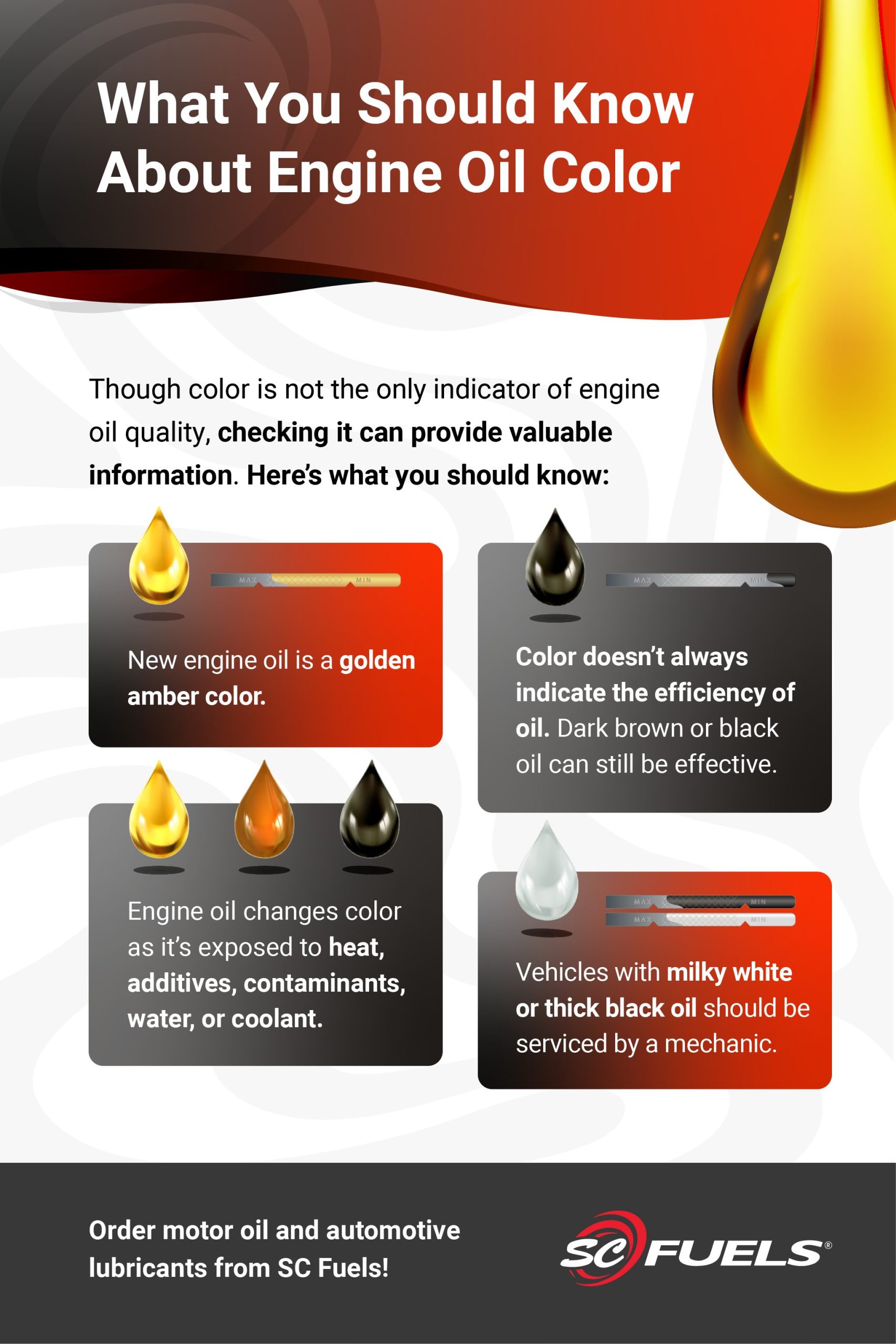
When fresh out of the bottle, engine oil typically presents as a clean, translucent amber or honey-gold. This characteristic color is largely a result of the base oils used in its formulation. These base oils can be mineral, synthetic, or a blend of both, each contributing slightly different visual properties.
Base Oils: The Foundation of Lubrication
The base oil, comprising 70-90% of the lubricant’s volume, is derived from crude petroleum through a refining process, or synthesized chemically from other compounds (e.g., natural gas) for synthetic variants. Mineral oils, less refined, often retain more of their natural golden-brown coloration. Fully synthetic oils, due to their highly controlled molecular structure and purity, often appear lighter, almost clear, or a very light golden hue. The clarity and consistent color of new oil signify its virgin state, free from contaminants and with all its protective additives intact and ready for activation.
Additive Packages: Enhancing Performance
Beyond the base oil, a complex cocktail of additives forms the remaining 10-30% of the lubricant. These additives are engineered to enhance specific properties of the oil, such as viscosity modifiers, detergents, dispersants, anti-wear agents, antioxidants, and corrosion inhibitors. While most additives are designed to be colorless or to not significantly alter the base oil’s natural shade, some specialized additives can impart a slight tint. For instance, certain dyes might be added for specific product lines to distinguish them, or to assist in leak detection. However, the dominant initial color remains a testament to the purity and readiness of the lubricant to perform its multifaceted duties within the engine’s demanding environment.
Decoding the Shades: What Used Oil Colors Reveal
As engine oil circulates through a running engine, it begins to change color. These changes are not arbitrary; they are direct reflections of the oil’s performance, its degradation, and the internal conditions of the engine. Observing these shifts is an invaluable diagnostic tool, offering insights into oil life, engine wear, and potential issues.
Darkening: A Sign of Work and Wear
One of the most common and immediate changes in engine oil color is a progression from golden amber to dark brown or even black. This darkening is primarily due to several factors:
- Heat Degradation: The extreme temperatures within an engine cause the oil to oxidize and break down. This chemical process creates carbon deposits and sludge, which darken the oil. The oil’s antioxidants work to mitigate this, but over time, they are depleted, leading to accelerated degradation.
- Soot and Combustion Byproducts: During the combustion process, carbon particles (soot) are generated, especially in diesel engines but also in gasoline engines, particularly direct-injection ones. The oil’s dispersant additives are designed to suspend these tiny soot particles, preventing them from clumping together and forming harmful deposits. As the oil collects more soot, it naturally darkens. A very dark, almost opaque black oil, especially in a diesel engine, often indicates the dispersants are performing their job effectively by keeping these combustion byproducts suspended rather than letting them settle.
- Contaminants: Small metallic particles from engine wear, dust, dirt, and other airborne particulates that bypass air filters can also contribute to oil darkening. These contaminants are suspended by the oil, further contributing to its murky appearance.
While a dark brown or black color generally indicates that the oil is doing its job of cleaning and protecting, an exceptionally rapid darkening, or an oil that appears granular or sludgy, might signal more serious issues like excessive soot loading, severe oxidation, or an engine running too rich.
Milky or Frothy Appearance: Water Contamination
If engine oil appears milky white, cloudy, or frothy, it is a definitive sign of water contamination. Water can enter the oil system through several pathways:
- Condensation: Short trips where the engine doesn’t reach operating temperature can lead to condensation building up inside the crankcase.
- Coolant Leak: A more serious cause is a breach in the cooling system, such as a blown head gasket, a cracked engine block or cylinder head, or a failing oil cooler, allowing coolant (which is primarily water-based) to mix with the oil. This condition, often termed “milkshake oil,” severely compromises the oil’s lubricating properties and can lead to catastrophic engine failure if not addressed promptly. The oil loses its ability to protect moving parts, leading to increased friction and wear.

Metallic Sheen or Glitter: Internal Wear
Upon inspection, if the oil exhibits a metallic sheen, contains visible glitter-like particles, or has a gritty texture, it indicates significant internal engine wear. These metallic particles are microscopic fragments of engine components (bearings, camshafts, piston rings, cylinder walls) that are being shed due to excessive friction or abnormal wear. While a very faint, almost imperceptible shimmer might occur due to normal wear over the oil’s lifespan, pronounced glitter is a red flag, pointing towards potential component failure. In such cases, a professional diagnostic is essential to prevent extensive damage.
The Science of Lubricant Degradation and Advanced Diagnostics
Beyond visual inspection, the chemical breakdown of engine oil is a complex process influenced by heat, oxygen, and contaminants. Understanding these mechanisms highlights the engineering marvels of modern lubricants and the necessity of regular maintenance.
Oxidation and Thermal Breakdown
Engine oil is constantly exposed to high temperatures and oxygen, particularly around the piston rings and turbocharger bearings. This environment promotes oxidation, where oxygen molecules react with the oil’s hydrocarbons, forming acids, sludge, and varnish. Antioxidant additives are crucial in delaying this process, but they are consumed over time. Thermal breakdown, caused by extreme heat, can also crack the oil’s molecular structure, reducing its viscosity and protective capabilities. These processes contribute to the oil’s darkening and thickening.
Depletion of Additives
The effectiveness of engine oil diminishes as its additive package is depleted. Dispersants become saturated with soot, detergents are used up in neutralizing acids, and anti-wear agents form protective films that eventually wear away. When additives are exhausted, the oil can no longer perform its functions effectively, leading to increased wear, sludge formation, and engine damage. The oil’s color change is a visible manifestation of this chemical battle.
Laboratory Oil Analysis
For fleet managers, performance enthusiasts, or those seeking a deeper understanding of engine health, laboratory oil analysis offers a far more precise diagnostic tool than visual inspection alone. Technicians analyze oil samples for:
- Viscosity: To determine if the oil has thickened or thinned excessively.
- Presence of Contaminants: Identifying water, fuel, antifreeze, and dirt.
- Wear Metals: Measuring levels of iron, copper, lead, aluminum, etc., indicating wear on specific engine components.
- Additive Levels: Tracking the depletion of critical additives.
- Total Acid Number (TAN) and Total Base Number (TBN): TAN measures corrosive acids, while TBN indicates the oil’s ability to neutralize them.
This detailed analysis provides a comprehensive report on the oil’s remaining useful life and the overall mechanical integrity of the engine, allowing for proactive maintenance and preventing costly failures.
Proactive Maintenance: When to Change Your Oil
The color of engine oil, while informative, should not be the sole determinant for oil change intervals. Modern engine oils are formulated to darken as they perform their cleaning duties. A dark oil is often a working oil. Relying solely on visual cues can lead to premature oil changes, wasting resources, or, conversely, extending oil life beyond its safe limit, risking engine damage.
Manufacturer Recommendations and Service Intervals
The most reliable guide for oil changes comes from the vehicle manufacturer’s recommendations. These intervals, typically found in the owner’s manual, are based on extensive engineering tests and consider factors like engine design, oil type (conventional, synthetic blend, full synthetic), and typical operating conditions. Modern vehicles often feature an Oil Life Monitoring System (OLMS) that uses algorithms based on mileage, engine temperature, RPMs, and other operational data to calculate when an oil change is due. This is generally a more accurate indicator than a simple visual check.

Driving Conditions and Oil Type
Driving habits and conditions significantly impact oil life. Frequent short trips, heavy towing, extreme temperatures, or dusty environments accelerate oil degradation, necessitating more frequent changes. Conversely, consistent highway driving is generally less taxing on the oil. The type of oil also plays a role: full synthetic oils offer superior resistance to thermal breakdown and oxidation, allowing for extended drain intervals compared to conventional mineral oils.
Ultimately, the goal is to maintain the engine’s longevity and efficiency. Regular oil changes, adhering to manufacturer guidelines or OLMS indications, and performing periodic visual checks of the oil’s condition provide a comprehensive approach to engine health. While the engine oil’s color offers a fascinating glimpse into the internal workings of an engine, it is part of a larger technological ecosystem designed for optimal performance and durability.
aViewFromTheCave is a participant in the Amazon Services LLC Associates Program, an affiliate advertising program designed to provide a means for sites to earn advertising fees by advertising and linking to Amazon.com. Amazon, the Amazon logo, AmazonSupply, and the AmazonSupply logo are trademarks of Amazon.com, Inc. or its affiliates. As an Amazon Associate we earn affiliate commissions from qualifying purchases.