
In the realm of modern technology, we often look to the most sophisticated machines for inspiration. However, some of the most groundbreaking advancements in materials science, soft robotics, and display technology are currently being derived from a creature that has mastered “optical engineering” over millions of years: the octopus. When we ask the question, “what colour is an octopus,” we are not asking for a static hexadecimal code or a single pigment. We are asking about one of the most complex, decentralized, and high-speed communication systems found in nature.
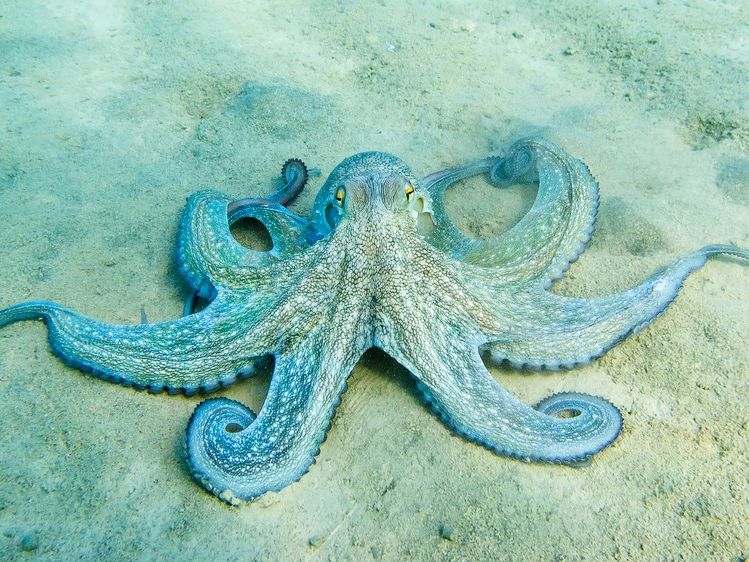
To the technologist, an octopus is not just a marine animal; it is a living, breathing liquid crystal display (LCD). Its ability to change color, pattern, and texture in milliseconds provides a blueprint for the future of adaptive technology. By deconstructing the “how” behind an octopus’s color, engineers are developing new frontiers in “bio-inspired” tech that could revolutionize everything from military stealth to the smartphones in our pockets.
The Biological Hardware: Understanding the Natural ‘Pixel’ System
To understand how technology mimics the octopus, we must first analyze the biological “hardware” that allows for such rapid transitions. The octopus skin is essentially a multilayered organic monitor. Unlike human skin, which relies on static pigments like melanin, the octopus utilizes a tiered system of cells that function remarkably like modern electronic components.
Chromatophores and the Mechanics of Biological Displays
The first layer of this biological tech stack consists of chromatophores. These are tiny, sac-like organs containing pigment granules. Each chromatophore is surrounded by a ring of muscles controlled directly by the octopus’s nervous system. When the muscles contract, the sac expands, making the color visible. When they relax, the sac shrinks, and the color “turns off.”
In the tech world, this is the ultimate mechanical analogy for a pixel. Modern display researchers are using this concept to develop “mechanical pixels” in e-paper and low-power displays. By using microfluidics or elastic membranes to expand and contract pockets of dye, engineers can create screens that require zero backlighting, drastically reducing energy consumption while maintaining high visibility in direct sunlight.
Iridophores and Leucophores: The Structural Engineering of Light
Beneath the chromatophores lie the iridophores and leucophores. These do not use pigments; instead, they use structural coloration. Iridophores are composed of stacks of thin proteins that reflect light at specific wavelengths, creating shimmering iridescence—blues, greens, and silvers. Leucophores act as broadband reflectors, scattering all incoming light to create a perfect white.
This is a masterclass in photonics. Tech innovators are studying these protein structures to create “structural color” coatings for vehicles and gadgets. Unlike paint, which fades over time, structural color derived from the octopus’s blueprint never loses its vibrancy because it is a result of the physical shape of the material rather than chemical pigments.
Engineering the Camouflage: Materials Science and Soft Robotics
The true technological marvel of the octopus is its ability to blend into its environment perfectly. This “active camouflage” is the holy grail for various industries, particularly in defense and aerospace. By answering “what colour is an octopus” with “whatever it needs to be,” we unlock the potential for truly adaptive materials.
Flexible Electronics and Synthetic Skin
One of the primary challenges in tech today is the creation of “soft” electronics. Traditional hardware is rigid, but the octopus is entirely malleable. Researchers have developed “synthetic octopus skin”—a flexible, stretchable material embedded with sensors and light-emitting elements.
These materials use thermochromic or electrochromic polymers that change color in response to electrical impulses or temperature shifts. The goal is to create wearable tech that can change its aesthetic based on the user’s environment or even “cloaking” fabrics that can mimic the patterns of the background, effectively rendering an object invisible to the naked eye or infrared sensors.

Applications in Defense and Stealth Technology
The military applications of octopus-inspired “color” are profound. Current stealth technology relies on “static” camouflage—patterns designed for a specific environment (like a forest or a desert). However, the octopus provides a model for “dynamic” camouflage.
Advanced tech firms are experimenting with panels of “active skin” for tanks and aircraft. Using high-resolution cameras to scan the surrounding terrain, onboard AI can project that exact pattern onto the vehicle’s surface using octo-inspired adaptive materials. This would allow a vehicle to transition from a sandy environment to a rocky one without ever being visually compromised.
Beyond the Visual: Octopus Logic in AI and Data Visualization
The color-changing ability of an octopus is not just a physical feat; it is a computational one. The sheer amount of data required to map a 3D environment and project it onto 2D skin in real-time is immense. This has led to a new branch of tech focused on decentralized intelligence.
Decentralized Intelligence: The Tech Behind the Tentacles
What makes the octopus unique is that its “processing power” is distributed. Two-thirds of an octopus’s neurons are in its arms, not its head. When an octopus changes color to match a coral reef, it isn’t always waiting for a command from the brain. The skin itself often “sees” and reacts.
AI developers are looking at this “peripheral processing” to improve edge computing. In an era of IoT (Internet of Things), having every sensor send data back to a central cloud server is inefficient. By mimicking the “octopus logic,” tech systems can allow local sensors (the “skin”) to make immediate decisions, such as a self-driving car’s camera instantly identifying a color change in a traffic light without needing to ping a central processor.
Dynamic Color Mapping in High-Resolution Displays
In the world of high-end graphics and VR (Virtual Reality), the “what colour is an octopus” question is answered through advanced color mapping algorithms. The way an octopus blends colors to create depth and texture is being used to improve the realism of CGI. By studying how the animal mixes pigmentary and structural colors, software engineers are developing more sophisticated “shaders” that can replicate how light interacts with complex surfaces, leading to more immersive digital environments.
The Future of Urban Tech: Adaptive Architecture and Sustainable Surfaces
As we look toward the future of “Smart Cities,” the octopus serves as a primary inspiration for sustainable, reactive environments. If our buildings could change color like an octopus, we could solve many of our modern energy crises.
Smart Windows and Energy-Efficient Cladding
“What colour is an octopus” often depends on its need to regulate temperature or absorb light. Tech firms are applying this to “smart windows” and building exteriors. Using electrochromic glass, buildings can darken their “skin” during the hot afternoon to block UV rays and heat, reducing air conditioning costs. In the winter, the skin can turn translucent or dark to absorb heat. This “dynamic envelope” approach mimics the cephalopod’s ability to change its state to maintain homeostasis.
The Ethical Implications of ‘Invisible’ Technology
As we perfect the technology that allows objects to change color and texture seamlessly, we face new ethical frontiers in digital security and privacy. If a camera can be perfectly camouflaged using octopus-inspired tech, or if a drone can become “transparent” against the sky, the tech industry must establish new protocols for transparency and identification. The ability to disappear—a gift for the octopus—becomes a complex challenge for a regulated society.
Conclusion: The Fluid Future of Technology
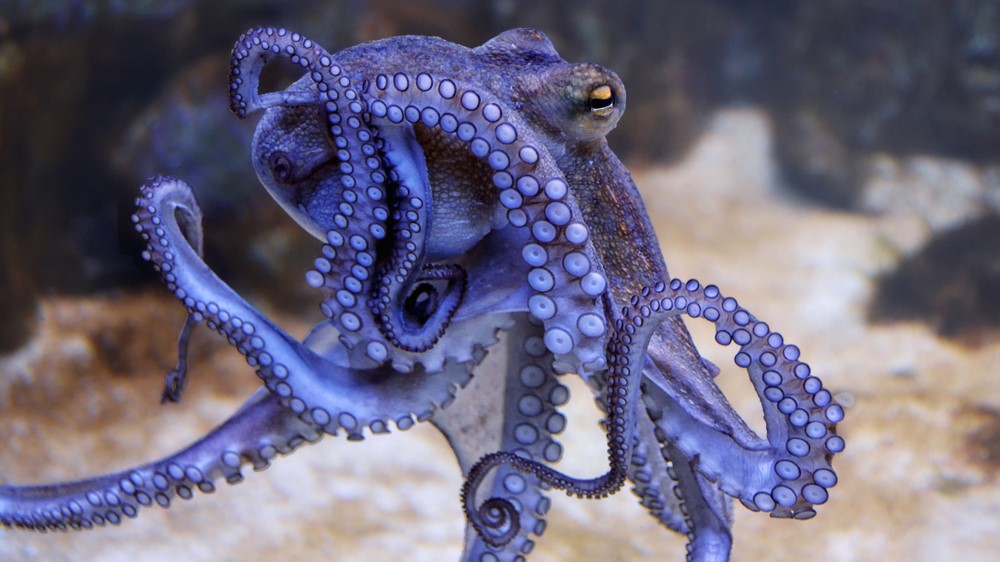
The question “what colour is an octopus” reveals a fundamental shift in how we view technology. We are moving away from a world of static, rigid, and monochromatic machines toward a future of fluid, adaptive, and hyper-responsive systems.
From the development of “soft” robots that can squeeze into tight spaces and change color to signal their status, to the creation of ultra-efficient displays that use the principles of chromatophores, the octopus remains our most vital consultant. By bridging the gap between marine biology and cutting-edge engineering, we are not just mimicking nature; we are evolving our technology to be as versatile as life itself. The “color” of the future, much like the octopus, will not be a single shade, but a brilliant, ever-changing spectrum of possibilities.
aViewFromTheCave is a participant in the Amazon Services LLC Associates Program, an affiliate advertising program designed to provide a means for sites to earn advertising fees by advertising and linking to Amazon.com. Amazon, the Amazon logo, AmazonSupply, and the AmazonSupply logo are trademarks of Amazon.com, Inc. or its affiliates. As an Amazon Associate we earn affiliate commissions from qualifying purchases.