
Achieving a healthy, sun-kissed glow is a perennial aspiration for many, and while sun exposure can be detrimental to skin health, the illusion of a tan can be artfully crafted through strategic color choices. This isn’t merely about makeup; it extends to the colors we choose to wear, the environments we curate, and the visual language we employ to project an image. In the realm of branding, understanding these color associations can significantly enhance how individuals and brands are perceived, influencing everything from personal presentation to product appeal. This article delves into the science and psychology of color, revealing which hues amplify a tanned complexion, thereby offering insights for individuals seeking to enhance their appearance and for brands aiming to evoke specific feelings of warmth, vitality, and health.
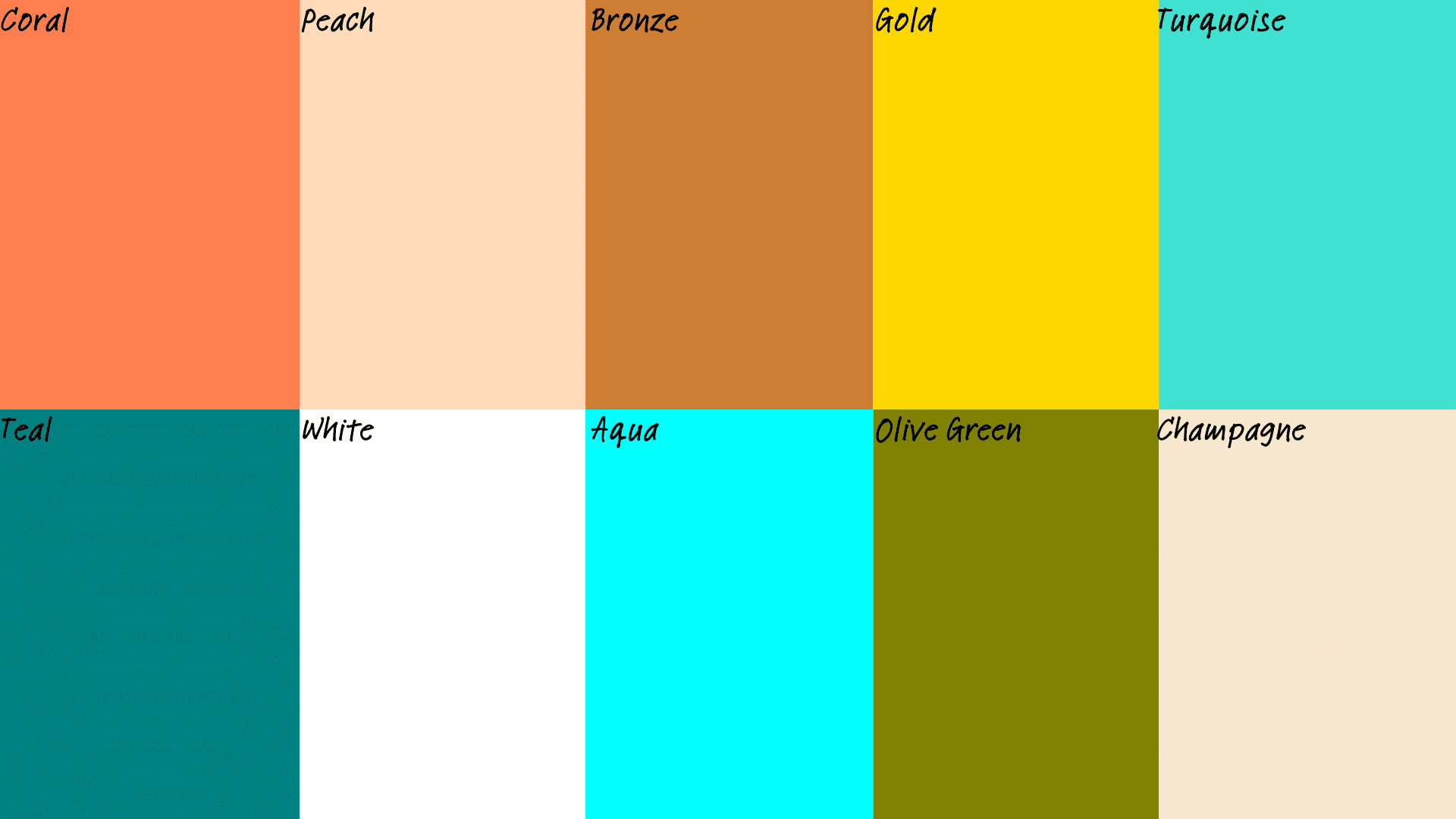
The Psychology of Warmth: Colors That Mimic and Enhance Sun-Kissed Skin
The perception of a “tan” is often associated with warmth, vitality, and a healthy glow. Certain colors inherently possess these qualities, and when juxtaposed with skin tones, they can create the visual effect of increased pigmentation. Understanding these color dynamics is crucial for both personal styling and brand messaging, as it directly impacts perceived attractiveness and well-being.
Warm Tones: The Direct Illuminators
Warm colors are the most direct allies in creating a tanned appearance. These hues, residing on the warmer side of the color spectrum, naturally resonate with the visual cues of sunlight and tanned skin. Their inherent warmth can make the skin appear more luminous and radiant, as if it has absorbed the sun’s golden rays.
- Golden Yellows and Ochres: These shades are the closest to the color of golden hour sunlight. When worn against the skin, they reflect light in a way that mimics a natural tan, making the skin appear richer and more deeply colored. Think of buttery yellows, mustard shades, and earthy ochres. These colors can bring out the warmth in any skin tone, but they are particularly effective at enhancing the look of a tan by harmonizing with and amplifying existing golden undertones.
- Caramel and Honey Tones: These colors are directly reminiscent of tanned skin itself. A caramel-colored garment or accessory can create a seamless blend, making the skin appear naturally darker and more even-toned. Honey and amber shades offer a similar effect, adding a lustrous sheen that suggests a healthy, sun-kissed complexion. The richness of these tones creates a sophisticated and subtly enhanced appearance.
- Warm Oranges and Terracottas: From soft peach to deep burnt orange and earthy terracotta, these colors are powerful in their ability to evoke warmth. They can make the skin appear flushed and healthy, much like the natural flush one might get from a day spent outdoors. These hues can also highlight any golden or olive undertones present in the skin, making them appear more pronounced and radiant.
Earthy Browns and Deep Beiges: The Sophisticated Enhancers
Beyond the overtly warm spectrum, certain shades of brown and beige play a crucial role in enhancing a tanned look, offering a more grounded and sophisticated approach. These colors work by providing a backdrop that makes the skin’s natural warmth stand out.
- Rich Chocolates and Deep Coffees: Darker browns offer a striking contrast that can make lighter or moderately tanned skin appear even richer and more deeply bronzed. The depth of these colors creates a visual anchor, allowing the subtle golden and red undertones of the skin to become more apparent. This is particularly effective for creating a dramatic and luxurious look.
- Warm Beiges and Tans: These are the colors that directly mirror tanned skin. Wearing a beige or tan that closely matches or is slightly deeper than one’s natural tan can create a harmonious and unified appearance. This approach smooths out any imperfections and makes the skin appear naturally flawless and bronzed. It’s about subtle amplification rather than overt contrast.
- Olive Greens and Khakis: These muted, earthy greens often contain underlying warm undertones. When worn, they can bring out the golden and yellow undertones in the skin, contributing to a natural-looking tan. Olive tones, in particular, are known for their ability to complement and enhance olive and darker skin tones, making them appear more vibrant and radiant.
Creating Contrast and Depth: Colors That Make Tan Pop
While warm colors can directly enhance a tanned look, strategic use of contrasting colors can make existing tan appear even more pronounced and vibrant. This is about creating a visual separation that highlights the richness of tanned skin.
Cool Tones: The Unexpected Amplifiers
It might seem counterintuitive, but certain cooler colors can actually make tanned skin appear more striking. The contrast they create draws attention to the warmth and depth of the skin, making the tan seem more apparent.
- Deep Blues and Navy: A rich, deep navy or sapphire blue provides a sophisticated contrast to tanned skin. The coolness of the blue makes the golden and reddish undertones of the tan appear more intense. This is a classic pairing, often seen in summer wardrobes, because the depth of the blue makes the skin look richer and more sun-kissed.
- Emerald and Forest Greens: Similar to deep blues, these rich, cool greens offer a beautiful contrast. They can make the golden and olive tones in tanned skin stand out, creating a vibrant and healthy appearance. The depth of these greens suggests a connection to nature, further enhancing the natural vitality associated with a tan.
- Burgundy and Deep Reds: While red is a warm color, deep, saturated burgundies and wines lean towards the cooler side of the spectrum. These colors provide a dramatic and alluring contrast to tanned skin, making the golden and bronze tones appear more pronounced. The richness of these shades adds a touch of elegance and sophistication.
Jewel Tones: The Luxurious Luminosity
Jewel tones, known for their richness and intensity, often possess a depth that can beautifully accent tanned skin. Their inherent luminosity reflects light in a way that can make tanned skin appear even more radiant.
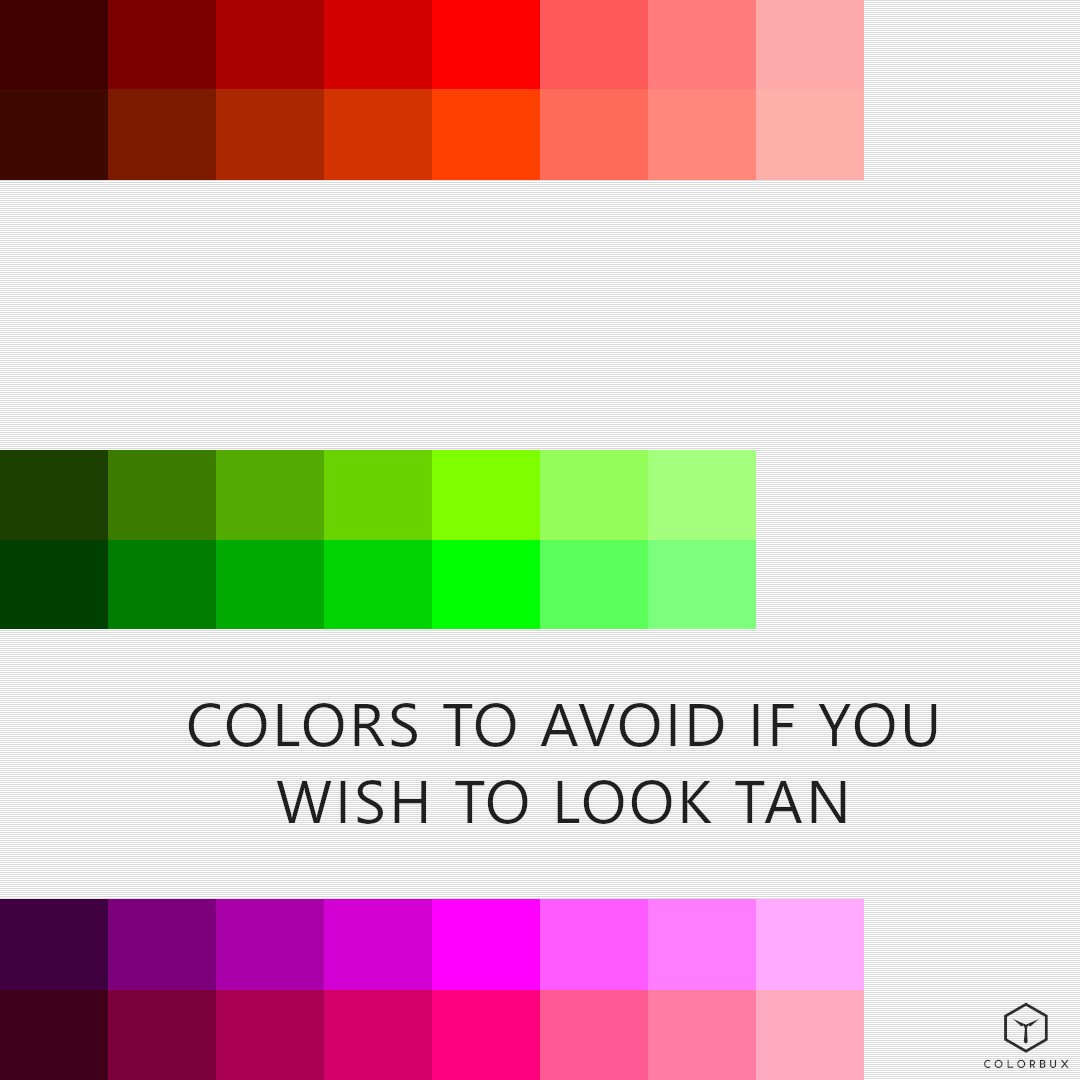
- Amethyst and Deep Purples: Rich purples, like amethyst, offer a unique contrast that can make tanned skin look exceptionally luminous. The interplay of the cool purple with the warm undertones of the tan creates a captivating visual.
- Ruby and Garnet Reds: While lighter reds can sometimes wash out tanned skin, deeper, jewel-toned reds like ruby and garnet offer a striking and flattering contrast. They enhance the warmth of the tan, creating a bold and glamorous effect.
Beyond Apparel: Color in the Environment and Branding
The influence of color on perceived tan extends beyond personal wardrobes. The environments we create and the branding choices we make can also subtly or overtly enhance the appearance of a tanned complexion. This understanding is particularly valuable for businesses operating in sectors where a healthy, vibrant image is paramount.
Environmental Palette: Creating a Sun-Kissed Ambiance
The colors present in our surroundings can influence how our skin tone is perceived. Warm, inviting environments can naturally amplify a tanned look, while cooler, sterile environments might diminish it.
- Warm Neutrals: Spaces decorated with warm neutrals like cream, beige, and light taupe create a soft, inviting atmosphere. These colors provide a gentle backdrop that allows tanned skin to stand out without harsh contrast, promoting a sense of understated elegance.
- Natural Wood Tones: The rich, earthy tones of natural wood – from light oak to deep mahogany – exude warmth and organic beauty. When a person with a tan is in a space featuring these materials, their skin can appear more vibrant and in harmony with the natural elements.
- Golden Accents: Incorporating elements with golden finishes, such as brass, gold metal accents, or even subtle golden light fixtures, can directly reflect warm light onto the skin, enhancing the illusion of a tan. This creates a luxurious and radiant effect.
Brand Color Strategies: Evoking Vitality and Health
For brands, particularly in the beauty, wellness, and travel industries, understanding color psychology is integral to their visual identity and marketing campaigns. The strategic use of color can communicate a brand’s association with vitality, health, and a sun-kissed aesthetic.
- Beauty Brands: Many beauty brands, especially those focused on bronzers, self-tanners, and summer collections, utilize warm color palettes in their packaging and marketing. Think of golden hues, sandy beiges, and rich terracotta. These colors immediately signal warmth, sun exposure, and a desirable tan.
- Travel and Lifestyle Brands: Brands promoting beach destinations, tropical getaways, or active outdoor lifestyles often employ color schemes that evoke sunshine and outdoor living. This includes vibrant blues, sunny yellows, and natural earth tones. Such palettes subconsciously link the brand to the experience of being outdoors and achieving a tan.
- Retail Environments: High-end boutiques and stores selling summer apparel often use store design and visual merchandising that highlights warmer tones. This can include lighting, wall colors, and display materials that are chosen to make customers with a tan look their best, encouraging purchases and creating a positive shopping experience. The goal is to make the customer feel and look vibrant, which in turn makes the products more appealing.
The Nuances of Skin Tone: Tailoring Color Choices for Maximum Impact
While general principles apply, the effectiveness of specific colors in making you look tan also depends on your natural skin undertones. Understanding these nuances allows for a more personalized and impactful color strategy.
Undertone Dynamics: How Your Natural Hue Interacts with Color
Skin undertones are the subtle colors beneath the surface of your skin, which can be warm (yellow, peachy, golden), cool (pink, red, bluish), or neutral (a mix of both). These undertones significantly influence how colors appear against your skin.
- Warm Undertones: If you have warm undertones, you will find that colors that are closely aligned with your undertones will enhance your tan most effectively. Golden yellows, peachy oranges, and warm browns will harmonize with your skin, making it appear richer and more luminous. Even jewel tones will appear more vibrant against this warm base.
- Cool Undertones: For those with cool undertones, the key is often contrast. Deep blues, emerald greens, and rich burgundies will make your skin’s natural rosiness and subtle warmth pop, creating a more pronounced tanned appearance. Whites and off-whites can also serve as a clean canvas to highlight your tan.
- Neutral Undertones: Individuals with neutral undertones have the most flexibility. They can experiment with a wider range of colors, often benefiting from both warm tones that mimic a tan and cooler tones that create contrast. The key for neutral undertones is to find shades that add warmth and dimension without overpowering the skin.

Beyond Color: Texture, Sheen, and Light
While color is paramount, other elements contribute to the perception of a tan. Texture, sheen, and the quality of light all play a role in how radiant and sun-kissed skin appears.
- Lustrous Fabrics: Fabrics with a slight sheen, such as silk, satin, or even a subtle metallic thread, can reflect light beautifully. This added luminosity can enhance the glow of tanned skin, making it appear even more radiant and healthy.
- Matte vs. Shiny: While shiny finishes can amplify luminescence, matte finishes in earthy tones can provide a sophisticated depth. A matte terracotta dress, for example, can make tanned skin appear richer by absorbing light in a way that highlights the skin’s natural texture and color.
- Lighting Conditions: The type of light you are in has a profound impact. Warm, incandescent lighting, or natural sunlight, will always make tanned skin appear more vibrant and golden. Conversely, harsh fluorescent or cool-toned LED lighting can make the skin appear duller, regardless of the color of your clothing. When considering color choices, it’s always beneficial to see how they look under the lighting conditions you will most frequently encounter.
In conclusion, the art of appearing tanned is a sophisticated interplay of color psychology, personal undertones, and environmental context. By strategically selecting colors that either mimic the warmth of the sun, create harmonious contrasts, or evoke a sense of vitality, individuals can enhance their natural glow. For brands, understanding these color dynamics offers a powerful tool to craft compelling visual identities that resonate with aspirations of health, warmth, and vibrancy, ultimately influencing perception and connection with their audience.
aViewFromTheCave is a participant in the Amazon Services LLC Associates Program, an affiliate advertising program designed to provide a means for sites to earn advertising fees by advertising and linking to Amazon.com. Amazon, the Amazon logo, AmazonSupply, and the AmazonSupply logo are trademarks of Amazon.com, Inc. or its affiliates. As an Amazon Associate we earn affiliate commissions from qualifying purchases.