
In the dynamic world of brand strategy and design, the concept of “flesh tone” has evolved from a singular, often Eurocentric, idea to a nuanced understanding of diverse human skin tones. For brands aiming for authenticity, inclusivity, and global resonance, mastering the representation of various skin tones is not merely an artistic challenge but a strategic imperative. This exploration delves into the foundational colors, the psychological impact, and the practical applications of accurately portraying the full spectrum of human complexions in brand identity, marketing, and design.
The Imperative of Inclusive Skin Tones in Branding
The days of a single, default “flesh tone” are long gone, replaced by a recognition that true representation reflects the vast tapestry of humanity. For brands, this isn’t just about social responsibility; it’s about market relevance, consumer connection, and building a robust brand identity that speaks to everyone.

Beyond a Single “Flesh Tone” – Embracing Diversity
Modern branding understands that humanity is diverse. Relying on a singular “flesh tone” in marketing materials, product design, or brand iconography alienates vast segments of the global population. Successful brands actively seek to portray a wide array of skin tones, recognizing that each shade carries cultural significance and contributes to a sense of belonging. This commitment to diversity moves beyond mere tokenism, embedding inclusive visual language into the core of the brand narrative. It signals an understanding and respect for a global consumer base, fostering deeper loyalty and expanding market appeal.
The Psychological Impact of Representation
The visual representation of skin tones carries profound psychological weight. When consumers see themselves, their families, and their communities accurately reflected in a brand’s imagery, it builds trust, fosters empathy, and strengthens connection. Conversely, a lack of representation, or worse, stereotypical portrayals, can lead to feelings of exclusion, alienation, and resentment. Brands that consciously craft inclusive visual identities harness the power of positive self-identification, creating emotional resonance that transcends mere product features. This emotional connection is a powerful driver of brand preference and advocacy in today’s crowded marketplace.
Decoding Skin Tones: A Designer’s Palette
Understanding the fundamental colors that combine to create realistic skin tones is crucial for designers and marketers. While the specific ratios vary infinitely, the underlying principles revolve around a core set of hues and an appreciation for subtle modifiers.
Understanding Undertones: Warm, Cool, and Neutral
Beyond the surface color, every skin tone possesses an undertone:
- Warm undertones manifest as hints of peach, yellow, or gold, giving the skin a sun-kissed appearance.
- Cool undertones reveal subtle shades of pink, red, or blue, often making the skin appear more rosy or porcelain.
- Neutral undertones are a balanced blend of both warm and cool, without any dominant color.
Recognizing and accurately representing these undertones adds depth, realism, and authenticity to brand visuals. Ignoring them can lead to flat, unnatural, or even unhealthy-looking depictions, undermining the brand’s aesthetic quality and potentially its credibility. Designers must train their eye to detect these subtle nuances, which are critical for achieving true-to-life representation across all media.
The Core Colors: Red, Yellow, Blue, and White
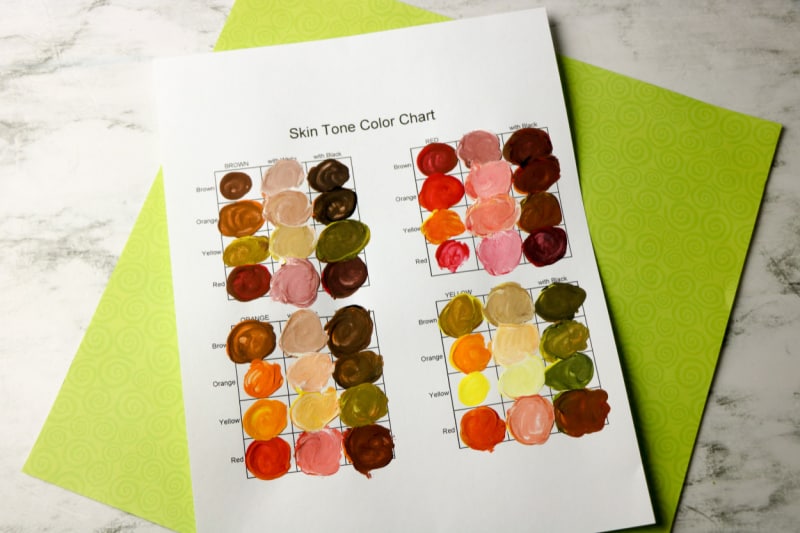
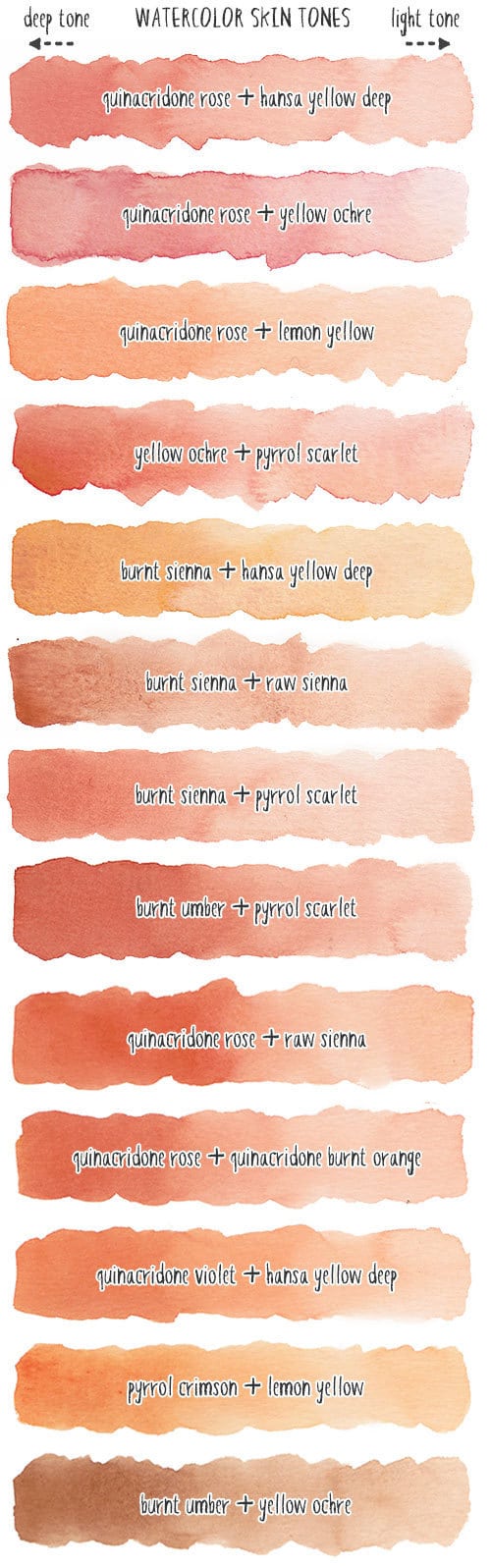
At a foundational level, most skin tones can be built from a combination of primary and secondary colors, modulated by white and black (or muted browns):
- Red: Provides the vital warmth and blood flow visible beneath the skin’s surface. It’s essential for avoiding a grayish or lifeless complexion. Too much red, however, can make a tone appear sunburned or irritated.
- Yellow: Contributes to the golden and olive hues prevalent in many skin types. It’s a key component for creating a healthy, vibrant glow. A lack of yellow can make skin appear pale or sallow.
- Blue: Used sparingly, blue (or sometimes green) can introduce cool undertones, create depth in shadows, or neutralize excessive warmth. It’s crucial for achieving the subtle variations seen in darker skin tones and for rendering the vascularity beneath lighter skin.
- White: Primarily used to lighten and add luminosity. It helps create the brighter areas and highlights, giving the skin a sense of form and light reflection.
Modifiers and Nuances: Green, Orange, Brown
Beyond the core, several other colors play vital roles in achieving specific skin tone nuances:
- Orange: Often a combination of red and yellow, orange is foundational for many mid-range skin tones, providing a natural warmth and healthy glow. It’s crucial for avoiding overly yellow or overly red results.
- Green: While not a primary skin color, green is invaluable as a modifier. Small amounts can neutralize excess red (common in rosacea or flushed skin) or introduce subtle olive undertones. It’s also critical for creating realistic shadow areas, especially in darker complexions where shadows often lean towards cool greens or blues.
- Browns (Umbers and Siennas): These earthy tones are indispensable for creating depth, shadows, and the vast spectrum of darker skin tones. From rich umbers to warm siennas, browns contribute to the natural pigmentation and varying saturation levels across different complexions. They are often mixed with reds, yellows, and hints of blue to achieve complex, rich, and authentic representations.
The art lies in the proportions and subtlety of these colors. A slight shift in one can dramatically alter the perception of the tone, making it appear healthy, aged, vibrant, or tired.
Practical Application in Brand Design and Marketing
Understanding skin tone color theory translates directly into tangible brand assets, from product packaging to digital campaigns. Brands must meticulously apply this knowledge to ensure consistency, accuracy, and inclusivity across all touchpoints.
Product Design and Packaging
For products directly associated with skin (e.g., cosmetics, healthcare, personal care), accurate skin tone representation on packaging is paramount. Foundation ranges, for instance, must display an exhaustive and true-to-life palette to guide consumer choices and build trust. Beyond direct association, any product featuring human figures – from toys to apparel – benefits from diverse skin tone options, making the brand more relatable and appealing to a broader audience. Even abstract design elements might subtly leverage skin tone palettes to evoke feelings of warmth, inclusivity, or human connection.
Advertising and Digital Campaigns
In advertising, the visual portrayal of people is central. Campaigns must feature a diverse cast with authentically rendered skin tones to connect with a multicultural audience. This includes photography, illustrations, and video content. Digital campaigns, in particular, offer opportunities for dynamic representation, where brands can tailor visuals to specific demographic segments, ensuring that their target audience sees themselves reflected. The choice of models, the lighting, and the post-production color grading all contribute to how skin tones are perceived, directly impacting a brand’s message of inclusivity.
Character Design and Illustration
For brands utilizing mascots, animated characters, or illustrated narratives, the design of skin tones is a critical element of character development and brand storytelling. Creating characters with a range of believable skin tones not only enriches the narrative but also demonstrates a brand’s commitment to reflecting the real world. From children’s media to corporate explainer videos, authentic character design fosters relatability and reinforces positive brand values.
UI/UX and Digital Experience
Even in digital interfaces, skin tone considerations play a role. Emojis, avatars, and user profile icons often include skin tone modifiers. Brands designing digital products or platforms must ensure these options are comprehensive, respectful, and easily accessible. Furthermore, in any UI/UX where human images or illustrations are used to guide users or convey emotion, consistent and inclusive skin tone representation contributes to a welcoming and user-friendly experience, reinforcing the brand’s empathetic approach.
Strategic Considerations for Authentic Representation
Beyond the technical aspects of color mixing, brands must adopt a strategic mindset to ensure their skin tone representation is authentic, respectful, and effective.
Auditing Your Brand’s Visual Language
Regularly auditing all brand assets – from logos and website imagery to advertising campaigns and social media content – is crucial. Brands should ask: Does our visual language reflect the diversity of our target audience? Are we inadvertently defaulting to a single skin tone? Are our representations accurate and respectful? This ongoing assessment helps identify gaps and ensures that the brand’s visual identity remains current, relevant, and truly inclusive.
Avoiding Stereotypes and Tokenism
Genuine inclusivity goes beyond simply including a person of color. It means avoiding stereotypical portrayals, ensuring diverse representation is integrated naturally, and giving individuals agency within the narrative. Tokenism – including a single non-dominant skin tone simply to appear diverse – can be counterproductive, leading to cynicism and alienating the very audience the brand aims to engage. Authentic representation celebrates individuals in all their complexity, without reducing them to their physical characteristics.
Leveraging Technology for Accuracy
While the human eye is paramount, technology can assist in achieving accuracy. Color sampling tools, digital color palettes, and advanced rendering software allow designers to meticulously match and reproduce a vast spectrum of skin tones. AI-powered tools are emerging that can analyze image libraries for diversity gaps and suggest improvements, helping brands maintain consistency across large volumes of content. However, these tools must always be guided by human insight and a deep understanding of cultural nuances.
The Business Value of Inclusive Visuals
The commitment to understanding and accurately representing diverse skin tones is not just an ethical choice; it’s a strategic business decision that yields tangible benefits for brand health and growth.
Building Trust and Resonance
When consumers see themselves reflected authentically in a brand’s visuals, it fosters a deeper sense of trust and resonance. It signals that the brand understands and values its diverse customer base, leading to stronger emotional connections and increased loyalty. This trust is invaluable in an age where consumers are increasingly critical of corporate values and authenticity.
Expanding Market Reach and Appeal
By embracing a truly inclusive visual language, brands naturally expand their market reach. They become appealing to broader demographics, including underserved communities who often feel overlooked by mainstream marketing. This broadened appeal translates into increased brand visibility, higher engagement, and ultimately, greater market share.
Enhancing Brand Reputation and Equity
Brands known for their commitment to diversity and inclusivity are perceived more favorably. This positive reputation enhances brand equity, making the brand more valuable and resilient in the long term. It attracts not only customers but also top talent, partners, and investors who align with progressive values. In today’s socially conscious landscape, a strong stance on inclusivity is a differentiator that can significantly boost a brand’s standing and future prospects.
aViewFromTheCave is a participant in the Amazon Services LLC Associates Program, an affiliate advertising program designed to provide a means for sites to earn advertising fees by advertising and linking to Amazon.com. Amazon, the Amazon logo, AmazonSupply, and the AmazonSupply logo are trademarks of Amazon.com, Inc. or its affiliates. As an Amazon Associate we earn affiliate commissions from qualifying purchases.