
In the realm of professional branding and personal identity, color is far more than an aesthetic choice; it is a silent communicator that dictates how an individual is perceived before they even speak. Green, a color traditionally associated with growth, stability, and renewal, has become a powerhouse in modern corporate and creative wardrobes. However, the efficacy of green as a branding tool depends heavily on how it is paired. Understanding what colors go with green clothing is essential for any professional looking to leverage visual semiotics to project authority, innovation, or trustworthiness.
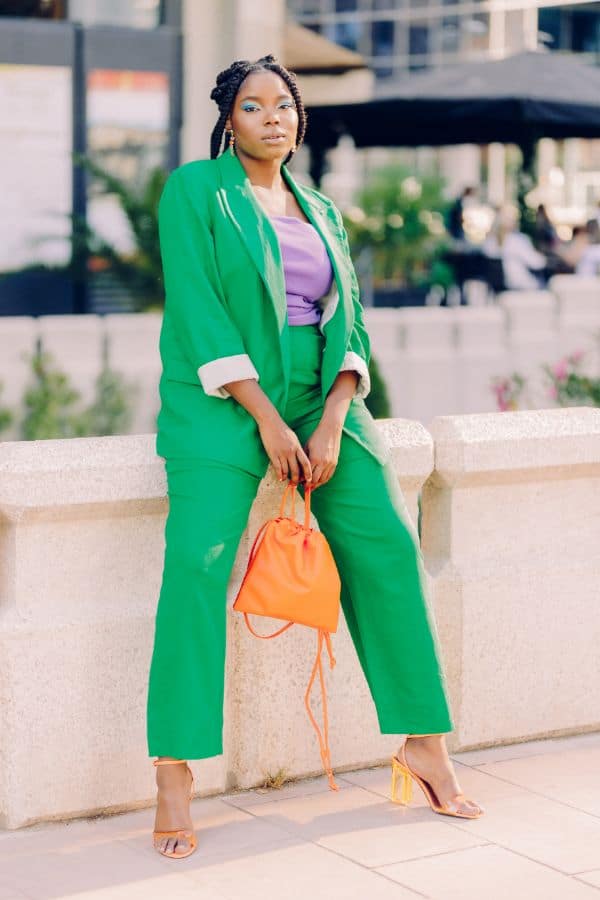
From a brand strategy perspective, green represents a unique middle ground between the stoic reliability of blue and the energetic aggression of red. It is the color of the “calm leader”—someone who is balanced yet moving forward. Whether you are preparing for a high-stakes keynote, a corporate photoshoot, or a series of networking events, the color palette you build around green will define your personal brand’s narrative.
The Psychology of Green in Brand Strategy
Before selecting a secondary color, one must understand the psychological weight of green itself. In brand design and corporate identity, green is multifaceted. It can signal environmental consciousness, financial prosperity, or creative freshness. The specific shade of green chosen acts as the foundation for the entire visual strategy.
The Spectrum of Professional Green
Forest green and hunter green are synonymous with tradition, wealth, and reliability. These shades are frequently utilized in sectors like finance, law, and high-end consultancy where established trust is paramount. Conversely, shades like sage or olive suggest approachability and organic growth, making them ideal for leaders in tech, wellness, or social entrepreneurship. Emerald green, with its vibrant intensity, projects luxury and a “maverick” spirit, suited for creative directors and visionary founders.
Establishing the Message
When we ask what colors go with green clothing, we are really asking: “What secondary message do I want to send?” Pairing green with a soft white conveys transparency and clarity. Pairing it with a deep navy suggests a disciplined, systematic approach. The strategic selection of a complementary palette allows a professional to fine-tune their brand personality to match their career objectives.
Strategic Color Pairings: Building a Cohesive Visual Identity
In design theory, color harmonies—complementary, analogous, and monochromatic—provide the roadmap for building a wardrobe that aligns with a corporate or personal brand. When applying these to clothing, the goal is to create a look that is memorable without being distracting.
The Sophistication of Neutrals: Grey, Navy, and Cream
Neutrals are the backbone of professional attire. When paired with green, they serve to ground the look and allow the green to act as a focal point without overwhelming the viewer.
- Charcoal and Slate Grey: These are perhaps the most effective pairings for forest or olive green in a corporate setting. Grey tempers the vibrancy of green, providing a sophisticated, modern edge. A charcoal suit with a forest green tie or blouse suggests a leader who is both creative and grounded in reality.
- Navy Blue: Combining green and blue creates an analogous color scheme that is naturally pleasing to the eye. This combination suggests stability and intelligence. A navy blazer over an emerald top is a classic power-move pairing that works exceptionally well in media appearances and high-level board meetings.
- Beige and Camel: For those in industries that value human connection and accessibility, such as coaching or non-profit leadership, green paired with warm neutrals creates an “earthy” and approachable brand. Camel-colored trousers with an olive sweater suggest reliability and warmth.
High-Impact Contrasts: Burgundy, Gold, and Mustard
For personal brands that want to project boldness and innovation, high-contrast pairings are essential. These combinations are designed to stand out in a crowded market and signify a high level of confidence.
- Burgundy and Maroon: Sitting across the color wheel from certain shades of green, burgundy provides a rich, scholarly contrast. This is a pairing used by brands that want to appear established yet avant-garde. It is a powerful choice for authors, academics, and thought leaders.
- Gold and Metallic Accents: In brand design, gold signifies excellence and “the gold standard.” In professional attire, gold accessories or jewelry paired with deep greens create an aura of exclusivity and premium status. This is particularly effective for luxury brand consultants and high-end real estate professionals.
- Mustard Yellow: This is a high-energy pairing that works best for creative entrepreneurs. Mustard yellow adds a layer of optimism to the stability of green. It is a combination that signals a brand is not afraid to break conventions and think outside the box.
Contextual Execution: Selecting Shades for Your Industry
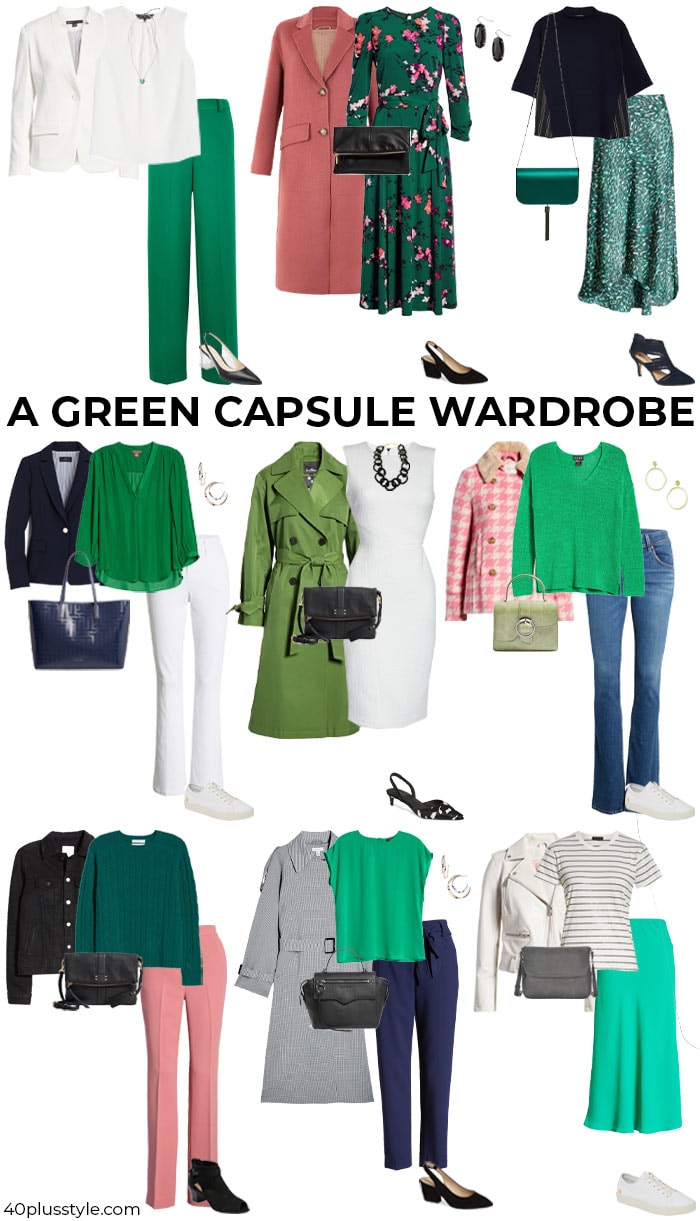
Just as a brand agency selects different color palettes for a tech startup versus a legacy bank, your personal brand must adapt its use of green to the industry context. The “correct” colors to pair with green clothing depend heavily on your professional ecosystem.
The Tech and Innovation Sector
In the tech world, the “suit and tie” culture has largely been replaced by a “smart-casual” aesthetic that prioritizes innovation. Here, mint green or sage paired with crisp white or light grey sneakers and chinos creates a look that is fresh, modern, and agile. This palette suggests a “disruptor” who is nonetheless focused on sustainable growth.
The Corporate and Legal World
In more conservative fields, green should be used as an accent or in its darkest, most muted forms. A deep forest green silk tie or scarf paired with a classic white shirt and a dark grey suit is a subtle way to stand out from the sea of blue and black. It signals that you are part of the establishment but possess an independent streak of creativity.
Creative and Lifestyle Branding
Creatives have the most latitude when deciding what colors go with green. Here, monochromatic layering—wearing different shades of green together—can be a powerful branding statement. Pairing a lime green accessory with a dark olive base shows a mastery of design and a willingness to experiment. This high-concept approach is perfect for those whose brand identity is built on their unique vision and aesthetic sense.
Mastering Visual Semiotics in Public Speaking and Media
For a brand to be successful, it must be consistent across all touchpoints. When a professional appears on camera or on a stage, their clothing becomes a key component of their brand’s visual storytelling.
Coordinating with Digital Backgrounds
In the age of virtual meetings and digital keynotes, the colors you pair with green must also account for your physical or digital background. If you are being filmed against a neutral grey or white studio backdrop, a vibrant emerald or forest green will pop, making you the undeniable center of attention. However, you should avoid wearing green if you are using a “green screen” for digital backgrounds, as this will lead to technical glitches. In such cases, your “green” branding should be integrated through accessories or slides rather than the main garment.
The Power of the “Pop”
Sometimes, the best way to answer “what colors go with green clothing” is to treat green itself as the secondary “pop.” A monochromatic navy or black outfit with a green blazer or emerald shoes creates a “signature look.” Consistency is the hallmark of great branding. If a public figure wears a specific shade of green in every public appearance, that color eventually becomes synonymous with their name and their mission. Think of the way certain CEOs or political figures use a signature color to create an instantly recognizable silhouette.
Case Studies: Successful Branding Through Green
To understand the strategic application of these color theories, we can look at how successful entities and individuals use green to define their corporate identity.
The “Eco-Innovator” Brand
Many sustainable tech companies use a palette of forest green and white. This combination suggests a return to nature powered by modern transparency. When executives from these companies speak, they often wear olive or sage green paired with light grey, reinforcing the company’s mission through their personal attire.
The “Wealth Management” Aesthetic
Legacy brands in the financial sector often utilize dark “racing green” or “British racing green” paired with gold or silver. This evokes the feeling of old-money stability and prestige. When a personal brand in the financial coaching space adopts this palette—pairing a dark green suit with a crisp white shirt and silver cufflinks—they are tapping into centuries of visual cues related to prosperity and trust.

Conclusion: The Strategic Integration of Green
Determining what colors go with green clothing is an exercise in strategic alignment. It is not merely about what looks good in a mirror, but what resonates with your target audience and your professional goals. By understanding the psychological underpinnings of green and utilizing color theory to create sophisticated pairings, you can transform your wardrobe into a powerful tool for brand storytelling.
Whether you choose the stability of navy, the sophistication of charcoal, or the boldness of mustard, your color choices should be intentional. In a competitive professional landscape, a well-defined visual identity centered around a versatile color like green can provide the distinction needed to elevate a personal brand from ordinary to iconic. Choose your palette with purpose, and let your visual identity speak for the quality and growth your brand represents.
aViewFromTheCave is a participant in the Amazon Services LLC Associates Program, an affiliate advertising program designed to provide a means for sites to earn advertising fees by advertising and linking to Amazon.com. Amazon, the Amazon logo, AmazonSupply, and the AmazonSupply logo are trademarks of Amazon.com, Inc. or its affiliates. As an Amazon Associate we earn affiliate commissions from qualifying purchases.