
In the intricate world of Gas Tungsten Arc Welding (GTAW), often known as TIG welding, the choice of electrode is paramount to achieving high-quality, precise welds. Far from a simple accessory, the tungsten electrode is a critical component that dictates arc stability, weld penetration, and ultimately, the integrity and aesthetic of the final product. For stainless steel, a material renowned for its corrosion resistance and strength, selecting the correct “color” tungsten electrode is not merely a preference but a technical imperative that ensures optimal performance and prevents costly material defects. This deep dive explores the science behind tungsten electrode color coding and provides a definitive guide for welding stainless steel, framed within the broader context of industrial technological optimization.
The Science of Tungsten Electrode Classification
Tungsten, with its exceptionally high melting point (3,422 °C or 6,192 °F), is the material of choice for non-consumable electrodes in GTAW. However, pure tungsten alone often lacks the desired arc starting and stability characteristics required for advanced welding applications. To enhance these properties, various rare earth oxides are added or “doped” into the tungsten. These doping agents reduce the work function of the electrode, meaning less energy is required to emit electrons, leading to easier arc initiation, improved arc stability, and extended electrode lifespan.
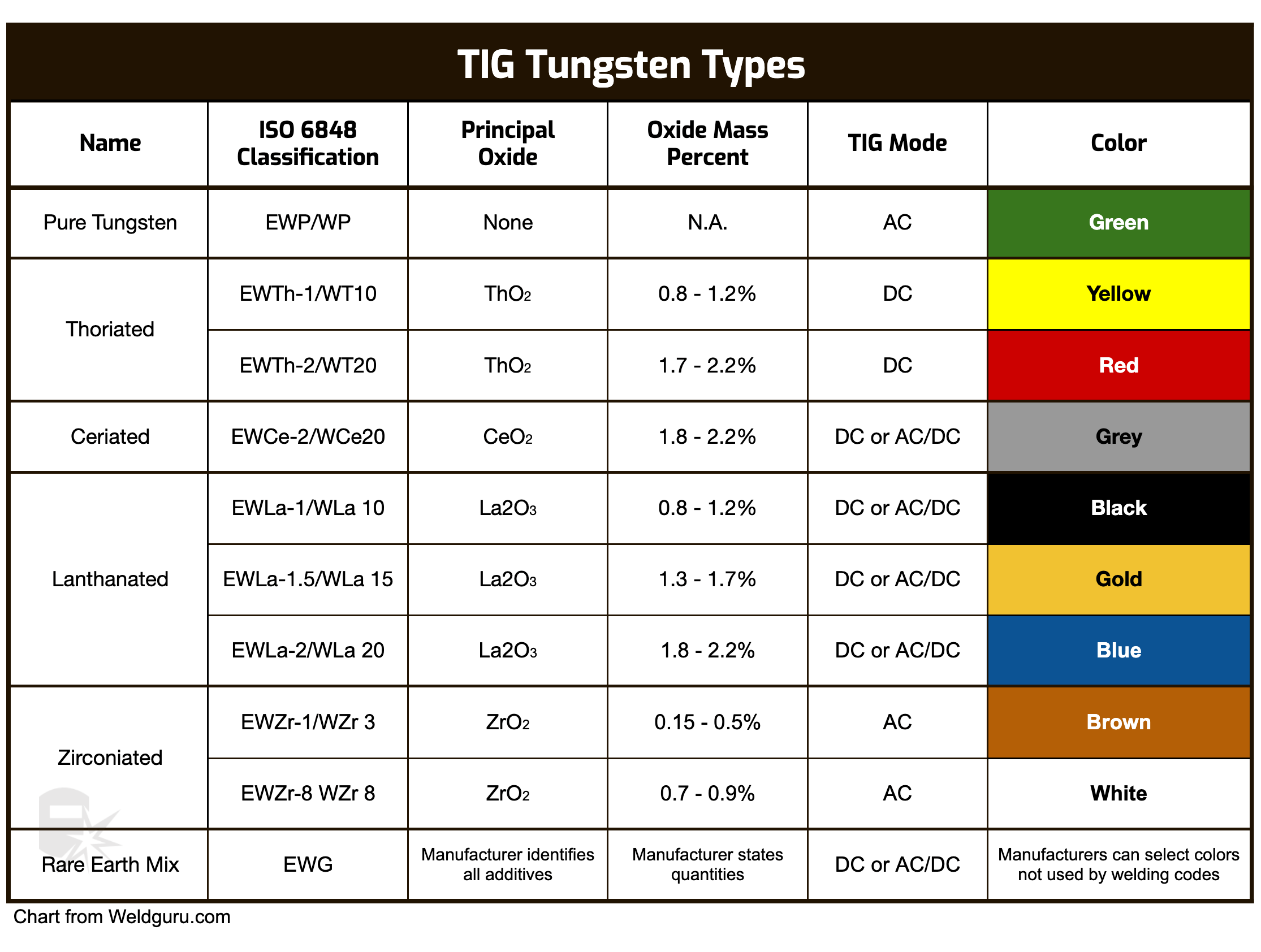
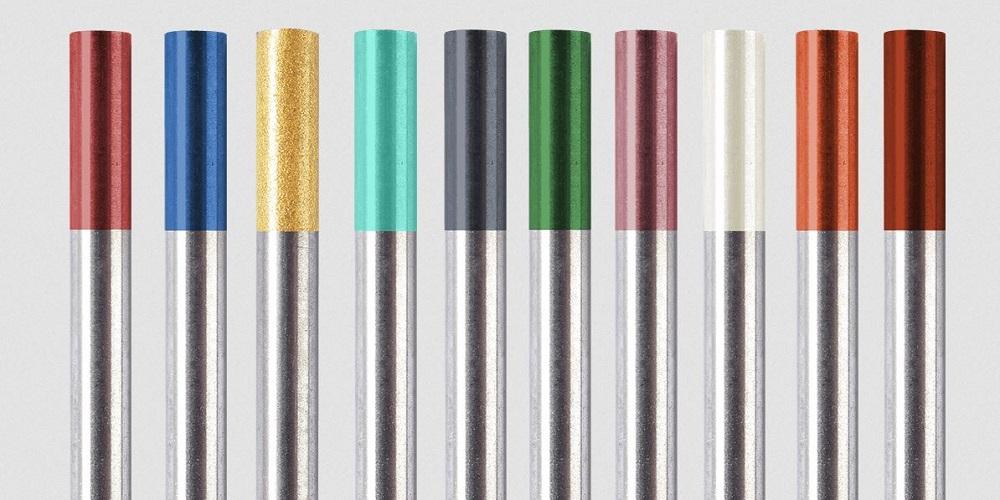
The specific type and percentage of the doping agent determine the electrode’s performance characteristics, such as current carrying capacity, resistance to contamination, and suitability for alternating current (AC) or direct current (DC) welding. To simplify identification and prevent misapplication, manufacturers adhere to an international color-coding standard (ISO 6848 and AWS A5.12/A5.12M). Each color on the tip of the tungsten electrode signifies a unique composition, guiding technicians toward the optimal choice for specific base metals and welding parameters. Understanding this classification is foundational to mastering GTAW for any material, especially for demanding applications like stainless steel.
Decoding Tungsten Colors: Composition and Application
The array of tungsten electrode colors represents a spectrum of compositions, each engineered for distinct welding scenarios. While numerous types exist, a few are particularly prevalent in industrial applications:
Pure Tungsten (Green Tip)
Pure tungsten electrodes (EWP) contain a minimum of 99.5% tungsten. These electrodes have a high work function, which means they require higher voltage to initiate an arc. They are primarily used with AC for welding aluminum and magnesium alloys, as they form a balled tip that provides a stable arc. However, their lower current capacity and relatively poor arc stability on DC make them unsuitable for stainless steel.
Thoriated Tungsten (Red Tip)
Thoriated tungsten (EWTh-2) contains 2% thorium oxide (ThO2). Historically, red-tipped electrodes have been a staple for DC welding due to their excellent arc starting and stability, high current carrying capacity, and long life. Thorium is a radioactive material, albeit mildly, which has led to concerns regarding grinding dust and fumes. Despite their performance benefits, particularly for welding carbon steel, stainless steel, nickel alloys, and titanium with DCEN (Direct Current Electrode Negative), the health implications and environmental considerations are leading many facilities to transition to thorium-free alternatives.
Ceriated Tungsten (Orange/Grey Tip)
Ceriated tungsten (EWCe-2, EWCe-4) contains 2% or 4% cerium oxide (CeO2). These electrodes are an excellent non-radioactive alternative to thoriated tungsten, offering similar, if not superior, performance. Ceriated electrodes perform exceptionally well in DC applications, providing stable arcs at lower amperages and offering good arc starting. They are versatile, suitable for welding carbon steel, stainless steel, nickel alloys, and titanium. Their ability to operate effectively at low amperages makes them ideal for orbital tube welding and other automated applications requiring precise arc control.
Lanthanated Tungsten (Blue/Gold Tip)
Lanthanated tungsten electrodes, available in 1.5% (EWLa-1.5, Gold Tip) and 2% (EWLa-2, Blue Tip) lanthanum oxide (La2O3), are another popular non-radioactive option. They share many benefits with ceriated tungsten, including excellent arc starting and stability with both AC and DC, high current carrying capacity, and a longer electrode life compared to pure tungsten. Blue-tipped (2% lanthanated) electrodes are particularly noted for their versatility, performing well across a broad range of materials and current types, and are often recommended as a general-purpose electrode. Gold-tipped (1.5% lanthanated) electrodes also offer superior arc starts and stability, particularly for AC welding, but are also effective for DC applications.
Zirconiated Tungsten (Brown Tip)
Zirconiated tungsten (EWZr-1) contains 0.8% zirconium oxide (ZrO2). These electrodes offer excellent arc stability and resist contamination, particularly when used with AC. They tend to form a more stable, smaller balled tip than pure tungsten, which provides a more focused arc. While primarily used for AC welding of aluminum and magnesium, their application for stainless steel is limited due to their specific AC-optimized characteristics.
The Optimal Tungsten for Stainless Steel: A Technical Mandate
When welding stainless steel with GTAW, the vast majority of applications call for Direct Current Electrode Negative (DCEN). This polarity directs the electron flow from the electrode to the workpiece, concentrating heat on the base metal and resulting in deep penetration and a narrow bead profile. The primary considerations for electrode selection for stainless steel are:
- Arc Stability: Stainless steel demands a very stable arc to prevent wandering, ensure consistent penetration, and minimize weld defects like porosity and undercut.
- Low Contamination Risk: Contamination from the electrode can severely compromise the corrosion resistance and mechanical properties of stainless steel.
- Good Arc Starting: Consistent and smooth arc initiation is crucial for precise work, especially in thin gauge stainless steel or intricate joint designs.
- Long Electrode Life: Minimizing electrode consumption and regrinding reduces downtime and operational costs.
Based on these criteria, the following tungsten electrode types are technically superior for welding stainless steel:
1. Ceriated Tungsten (Orange/Grey Tip)
Ceriated tungsten electrodes (EWCe-2 or EWCe-4) are exceptionally well-suited for stainless steel. They excel in DCEN applications, offering:
- Superior Arc Stability: The cerium oxide promotes a very stable arc, even at low amperages, which is critical for precise control over the weld pool.
- Excellent Arc Starting: Ceriated electrodes ignite easily, reducing instances of arc wander and providing immediate control.
- Low Contamination: They are less prone to spitting or fragmenting, minimizing the risk of tungsten inclusions in the weld.
- Non-Radioactive: This is a significant advantage for worker safety and environmental compliance.
- Versatility: Beyond stainless steel, they perform well on various alloys, making them a good general-purpose DC electrode.
2. Lanthanated Tungsten (Blue/Gold Tip)
Lanthanated tungsten electrodes (EWLa-1.5 or EWLa-2) are equally, if not more, popular for stainless steel applications. Their benefits include:
- Outstanding Arc Stability: Lanthanated electrodes maintain a very stable arc across a wide range of current settings, from very low to high.
- Exceptional Arc Starting and Re-ignition: They are particularly noted for their ease of arc initiation, a valuable trait for repetitive welding tasks.
- Long Electrode Life: These electrodes typically last longer and maintain their tip geometry better than many other types, reducing the frequency of regrinding.
- Non-Radioactive: Similar to ceriated, they are a safe alternative to thoriated electrodes.
- Broad Application Range: While excellent for DC stainless steel welding, they also perform very well on AC for aluminum and magnesium, making them highly versatile for shops working with diverse materials.
Why Avoid Other Colors for Stainless Steel?
- Pure Tungsten (Green): Poor arc stability on DC, low current capacity, and rapid tip deterioration make it unsuitable for the demands of stainless steel welding.
- Thoriated Tungsten (Red): While performance-wise it can weld stainless steel effectively, the radioactivity concerns (especially with grinding dust and fumes) strongly advocate for safer alternatives like ceriated or lanthanated tungsten in modern technical environments.
- Zirconiated Tungsten (Brown): Optimized for AC welding and balled tip formation, it does not offer the precise, focused arc stability and penetration required for DCEN stainless steel welding.
Best Practices for Welding Stainless Steel with Optimal Tungsten
Beyond electrode selection, several technical practices are crucial for superior stainless steel GTAW:
Electrode Grinding and Preparation
For DCEN welding, regardless of whether you choose ceriated or lanthanated tungsten, the electrode tip should be ground to a sharp, tapered point. This concentrates the arc, allowing for precise control and deep penetration. The grind lines should run axially along the tungsten to facilitate smooth electron flow and prevent arc instability. A typical grind angle is between 25 and 45 degrees, depending on the desired penetration and bead width. The flatter the taper, the more diffused the arc, while a sharper point provides a more focused arc.
Current Settings and Shielding Gas
Stainless steel welding typically utilizes 100% argon as the shielding gas due to its excellent arc starting characteristics and inert properties that prevent oxidation. The amperage should be precisely tuned to the material thickness and joint type to achieve full penetration without excessive heat input, which can lead to warping or carbide precipitation (sensitization) in certain stainless steel grades. High-frequency arc starting is always recommended to prevent direct contact with the workpiece, preserving the tungsten tip and minimizing contamination.
Maintenance and Contamination Prevention
Maintaining a clean, sharp tungsten tip is paramount. Any contamination of the tip (e.g., touching the weld pool, filler metal, or workpiece) will cause arc instability, tungsten inclusions in the weld, and potential defects. If the tip becomes contaminated, it must be immediately removed, broken back, and reground. Consistent monitoring of the electrode’s condition and adherence to strict hygiene practices in the welding area are critical for high-quality stainless steel fabrication.

Conclusion: Driving Technical Excellence in Fabrication
The choice of tungsten electrode is a small but profoundly impactful decision in the realm of GTAW. For stainless steel, prioritizing ceriated (orange/grey) or lanthanated (blue/gold) tungsten electrodes ensures a combination of superior arc stability, consistent arc starting, minimal contamination risk, and enhanced operator safety. These non-radioactive alternatives represent the pinnacle of current electrode technology, delivering repeatable, high-quality results that meet the stringent demands of modern industrial fabrication. By understanding the technical properties behind each color and applying best practices in electrode preparation and welding technique, technicians can unlock the full potential of GTAW for stainless steel, driving efficiency, reducing rework, and elevating the overall standard of craftsmanship in critical applications.
aViewFromTheCave is a participant in the Amazon Services LLC Associates Program, an affiliate advertising program designed to provide a means for sites to earn advertising fees by advertising and linking to Amazon.com. Amazon, the Amazon logo, AmazonSupply, and the AmazonSupply logo are trademarks of Amazon.com, Inc. or its affiliates. As an Amazon Associate we earn affiliate commissions from qualifying purchases.