
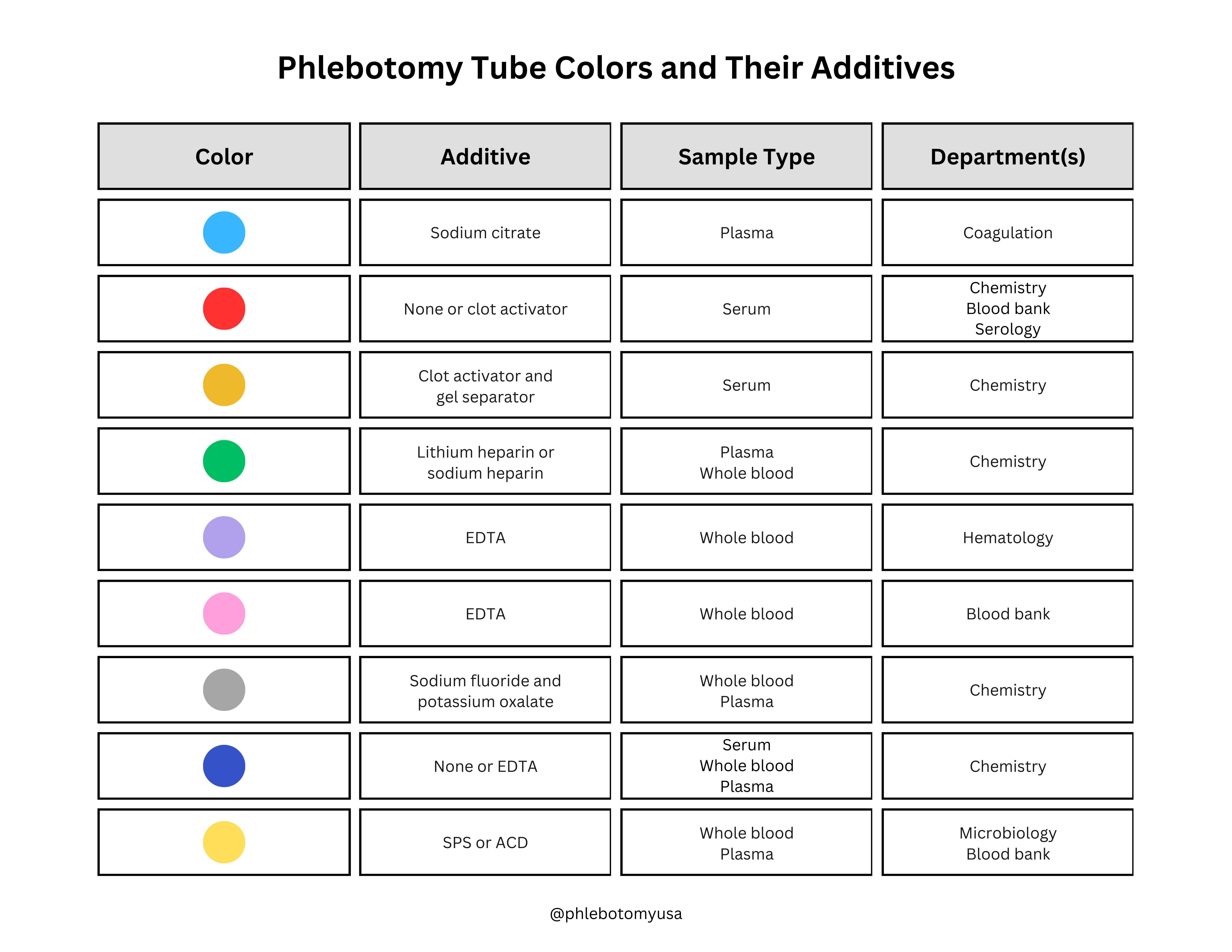
The seemingly simple question of “what color tube for a basic metabolic panel” unveils a complex interplay of clinical accuracy, operational efficiency, and significant financial implications for healthcare organizations. While the immediate answer for a Basic Metabolic Panel (BMP) often points to a Serum Separator Tube (SST), typically with a gold or “tiger top” stopper, or sometimes a green top (heparin) tube, depending on specific laboratory protocols, the true depth of this inquiry lies in understanding why selecting the correct tube is a critical business decision. This article explores how meticulous attention to pre-analytical procedures, beginning with the correct blood collection tube, profoundly impacts a laboratory’s financial health, operational stability, and overall contribution to a robust healthcare revenue cycle.
The Economic Imperative of Correct Specimen Collection
In the intricate machinery of healthcare, diagnostic laboratories serve as vital engines, providing the data necessary for patient care decisions. The Basic Metabolic Panel, a fundamental diagnostic tool, measures key components like glucose, calcium, sodium, potassium, carbon dioxide, chloride, BUN (blood urea nitrogen), and creatinine, offering a snapshot of a patient’s kidney function, blood sugar levels, and electrolyte balance. The reliability of these results hinges entirely on the quality of the specimen, which starts with the correct collection tube. From a financial perspective, any deviation from established protocols for tube selection and specimen handling can trigger a cascade of costly errors.
The Ripple Effect of Pre-analytical Errors on Laboratory Budgets
Pre-analytical errors, occurring before the specimen reaches the analytical instrument, are the most frequent source of laboratory errors, accounting for an estimated 60-70% of all mistakes. Among these, using the wrong blood collection tube stands out as a preventable yet common issue with substantial financial consequences. When the incorrect tube is used for a BMP, it necessitates a redraw. Each redraw incurs a direct financial cost, including:
- Wasted Supplies: The initial incorrect tube, additional tubes for the redraw, needles, bandages, and other disposable materials.
- Increased Labor Costs: Phlebotomist time for the initial draw and the redraw, nursing time for patient interaction, laboratory technician time for receiving and processing the rejected specimen, and administrative time for documenting the error and re-ordering the test.
- Wasted Reagents: If the incorrect sample is processed before the error is detected, valuable analytical reagents are consumed unnecessarily.
- Delayed Results: Delays can extend patient hospital stays, particularly for inpatients awaiting critical diagnostic information. For example, if a BMP is delayed, a patient’s discharge might be postponed, incurring additional bed-day costs for the hospital, which can run into hundreds or thousands of dollars per day depending on the facility and region.
- Reduced Patient Satisfaction: Patients often find redraws inconvenient, uncomfortable, and distressing, potentially impacting patient satisfaction scores, which can influence hospital reimbursement models.
- Potential for Medical-Legal Ramifications: In rare but serious cases, delayed or inaccurate results due to pre-analytical errors could contribute to adverse patient outcomes, leading to expensive litigation.
A single redraw, when factoring in all these elements, can cost a healthcare organization anywhere from $25 to over $100, depending on the complexity of the test and the setting. Multiply this by hundreds or even thousands of such errors annually across a large healthcare system, and the cumulative financial drain becomes staggering. This highlights why ensuring the correct tube, such as the gold-top SST for a BMP, is not just a clinical best practice but a fundamental economic safeguard.
Standardizing Protocols for Cost Avoidance
To mitigate these financial losses, robust standardization of specimen collection protocols is paramount. For a BMP, clear, unambiguous guidelines must dictate the specific tube type (e.g., gold-top SST), the order of draw, and proper handling procedures.
- Clarity and Accessibility: Protocols must be readily accessible, easy to understand, and consistently reinforced through training. Visual aids, laminated guides at draw stations, and digital reminders within electronic health record (EHR) systems can significantly reduce ambiguity.
- Reduced Training Burden: Standardized protocols simplify training for new staff and reduce the need for extensive retraining due to varying practices. This directly translates to lower training costs and faster onboarding times for phlebotomists and other collection personnel.
- Minimized Errors: When every healthcare professional involved in specimen collection follows the same precise steps, the likelihood of errors decreases dramatically, directly leading to a reduction in costly redraws and wasted resources. This proactive approach to quality control is a direct investment in financial stability, turning a clinical detail into a powerful tool for cost avoidance.
Optimizing Laboratory Operations: A Financial Lens on Supply Chain and Workflow
Beyond the immediate costs of redraws, the choice and management of blood collection tubes for tests like the BMP ripple through the broader financial landscape of laboratory operations, influencing procurement, inventory, and workflow efficiency.
Strategic Procurement and Inventory Management of Blood Collection Tubes
Blood collection tubes, including those for BMPs, represent a significant line item in a laboratory’s operational budget. Effective financial management requires a strategic approach to their procurement and inventory.
- Volume-Based Savings: Labs must leverage their purchasing power. Given the high volume of BMPs performed, tubes like the gold-top SST are consumed in large quantities. Negotiating bulk discounts, long-term contracts, and favorable payment terms with suppliers can yield substantial savings. Establishing strong relationships with reliable vendors ensures consistent supply and competitive pricing.
- Inventory Optimization: Balancing inventory levels is a delicate financial act. Overstocking tubes ties up valuable capital, increases storage costs, and risks expiration, leading to write-offs. Understocking, conversely, can lead to critical shortages, necessitating costly rush orders or, worse, delaying patient care. Implementing just-in-time (JIT) inventory systems, closely monitoring usage rates for specific tubes (like the BMP tube), and utilizing inventory management software are financial tools that optimize capital utilization and minimize waste. For example, a system that tracks usage of gold-top SSTs can predict demand and automate reordering, ensuring optimal stock levels.
Workflow Efficiency and Labor Cost Mitigation
The financial impact of correct tube usage extends directly to the efficiency of laboratory workflows and the associated labor costs. Each step in the lab process involves personnel time, which is a major component of operational expenditure.

- Streamlined Processing: When specimens arrive at the lab in the correct tube with appropriate labeling, they can be processed immediately. Incorrect tubes, however, require additional handling: rejection, relabeling (if possible), or preparation for a redraw. Each of these steps consumes valuable technician time, diverting resources from analytical tasks.
- Reduced Automation Interruption: Many modern labs use sophisticated automation systems to process samples. An incorrectly collected tube can interrupt these automated workflows, requiring manual intervention, troubleshooting, and potential recalibration, all of which are time-consuming and costly. Ensuring samples like the BMP in a gold-top SST conform to automation requirements is critical for sustained efficiency.
- Enhanced Productivity: By minimizing errors at the collection point, laboratory staff can focus on analysis and quality control, maximizing their productivity. This translates into more tests processed per hour, lower cost per test, and a higher return on labor investment. Financial forecasting for laboratories heavily relies on expected throughput and error rates; reducing errors at the source directly improves these financial metrics.
Revenue Cycle Management and Payer Relations in Diagnostic Testing
The journey of a diagnostic test, from ordering to result, culminates in billing and reimbursement. For a Basic Metabolic Panel, proper tube selection plays an indirect yet crucial role in ensuring a clean revenue cycle and maintaining positive relationships with payers.
Ensuring Reimbursement: CPT Codes and Claim Integrity for BMPs
In the United States, diagnostic tests are billed using Current Procedural Terminology (CPT) codes. The BMP typically uses CPT code 80053. For a claim to be processed and reimbursed successfully, it must adhere to strict payer guidelines, including the medical necessity of the test and the proper execution of the procedure.
- Avoidance of Denials: An incorrect tube leading to a rejected sample and redraw, or even worse, an erroneous result that necessitates a re-test, can complicate billing. Payers may question multiple claims for the same test within a short period, potentially leading to denials or requests for additional documentation. Each denial or appeal adds administrative costs and delays revenue realization.
- Audit Readiness: Healthcare organizations must be prepared for audits from government programs (Medicare, Medicaid) and commercial insurers. Consistent adherence to specimen collection protocols, including using the correct tube for a BMP, provides a robust audit trail, demonstrating compliance and reducing the financial risk associated with audits. A well-documented process for the gold-top SST for BMP contributes to claim integrity.
- Clean Claims and Faster Payments: A “clean claim”—one submitted without errors—is processed faster and reimbursed more efficiently. Pre-analytical errors at the point of collection introduce variables that can make claims “dirty,” delaying payments and impacting cash flow, a critical component of business finance.
The Financial Impact of Quality Assurance on Payer Confidence
Payer relationships are not solely transactional; they are built on trust and demonstrated quality. Laboratories with consistently high error rates or frequent re-tests due to collection issues may face heightened scrutiny.
- Contractual Implications: Payer contracts often include clauses related to quality metrics and performance. A track record of poor specimen quality can negatively impact a lab’s ability to negotiate favorable reimbursement rates in future contracts. Conversely, high-quality performance can strengthen a lab’s position, leading to better financial terms.
- Reduced Administrative Burden: Each query from a payer regarding a disputed claim or re-tested panel requires administrative time and resources to resolve. Reducing errors through robust quality assurance, including proper tube selection for BMPs, directly reduces this administrative overhead, freeing up staff for other value-generating activities. This is a direct financial gain in operational efficiency.
The ROI of Training and Technology in Error Prevention
Ultimately, preventing pre-analytical errors, particularly those related to tube selection for crucial tests like the BMP, is an investment with a clear and measurable return. This return manifests in reduced costs, enhanced revenue capture, and improved operational efficiency.
Investing in Staff Education: A Preventative Financial Measure
The most effective strategy for error reduction is continuous, comprehensive staff training.
- Upfront Cost, Long-Term Savings: While training programs incur an upfront cost (instructor time, materials, staff time away from duties), these are dwarfed by the long-term savings generated by preventing redraws, optimizing workflows, and ensuring clean claims. Educating phlebotomists and other healthcare professionals on the specific requirements for each test, such as the gold-top SST for BMP, is a foundational financial safeguard.
- Competency and Confidence: Well-trained staff are more confident, make fewer mistakes, and contribute to a positive work environment. This reduces staff turnover, lowering recruitment and retraining costs—another direct financial benefit. Regular competency assessments reinforce best practices and identify areas for further education.

Leveraging Technology for Enhanced Financial Control
Technological advancements offer powerful “financial tools” to minimize pre-analytical errors and their associated costs.
- Barcode Scanning and LIS Integration: Implementing barcode scanning systems at the point of care for both the patient and the collection tube can verify that the correct tube (e.g., gold-top SST for BMP) is being used for the ordered test. Integrating these scanners with the Laboratory Information System (LIS) provides real-time error alerts, preventing samples from even reaching the analytical stage if a mismatch is detected. This upfront error prevention is vastly more cost-effective than detecting errors downstream.
- Automated Specimen Processing: Automated sorters and aliquotters in the lab can identify and route specimens based on tube type and test orders, further reducing human error and improving efficiency.
- Data Analytics: Leveraging data from LIS and other systems can identify trends in pre-analytical errors (e.g., specific shifts, collection sites, or personnel with higher error rates related to BMP tube selection). This data-driven approach allows for targeted interventions, maximizing the financial return on quality improvement initiatives. The investment in these technologies has a clear ROI through reduced waste, improved turnaround times, and enhanced revenue integrity.
In conclusion, the decision of “what color tube for a basic metabolic panel” transcends a purely clinical instruction; it is a pivotal point in the financial viability and operational excellence of a healthcare diagnostic service. By rigorously adhering to correct tube protocols—such as utilizing the appropriate gold-top SST or green-top for a BMP—and investing in education, standardization, and technology, healthcare organizations can transform a seemingly small detail into a significant driver of financial efficiency and sustainable success.
aViewFromTheCave is a participant in the Amazon Services LLC Associates Program, an affiliate advertising program designed to provide a means for sites to earn advertising fees by advertising and linking to Amazon.com. Amazon, the Amazon logo, AmazonSupply, and the AmazonSupply logo are trademarks of Amazon.com, Inc. or its affiliates. As an Amazon Associate we earn affiliate commissions from qualifying purchases.