
The selection of a ceiling color in a basement is a pivotal design decision that significantly influences the spatial perception, ambiance, and overall aesthetic coherence—or “brand identity”—of the subterranean environment. Unlike upper floors, basements often contend with lower ceiling heights and limited natural light, making the color choice a strategic tool to counteract these inherent challenges and forge a desirable atmosphere. This decision moves beyond mere aesthetics; it’s an exercise in perception management, where color acts as a primary lever in defining the space’s character and functionality.
The Strategic Impact of Ceiling Color on Space Perception
The perceived dimensions and openness of a basement are profoundly shaped by the color applied to its ceiling. This is not merely an optical trick but a fundamental principle of interior design that leverages how light reflects and absorbs different hues.
Expanding Perceived Volume with Light Hues
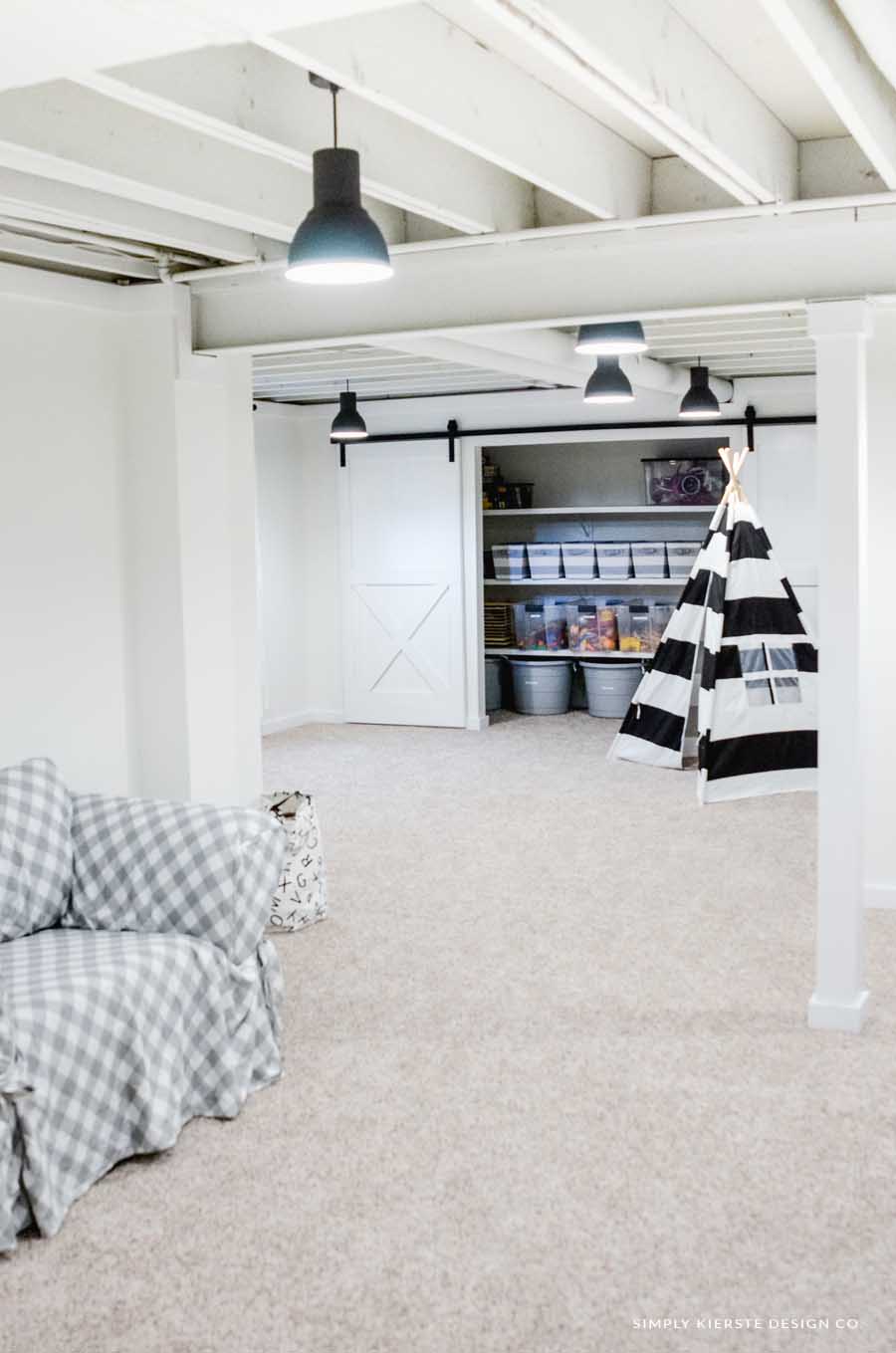
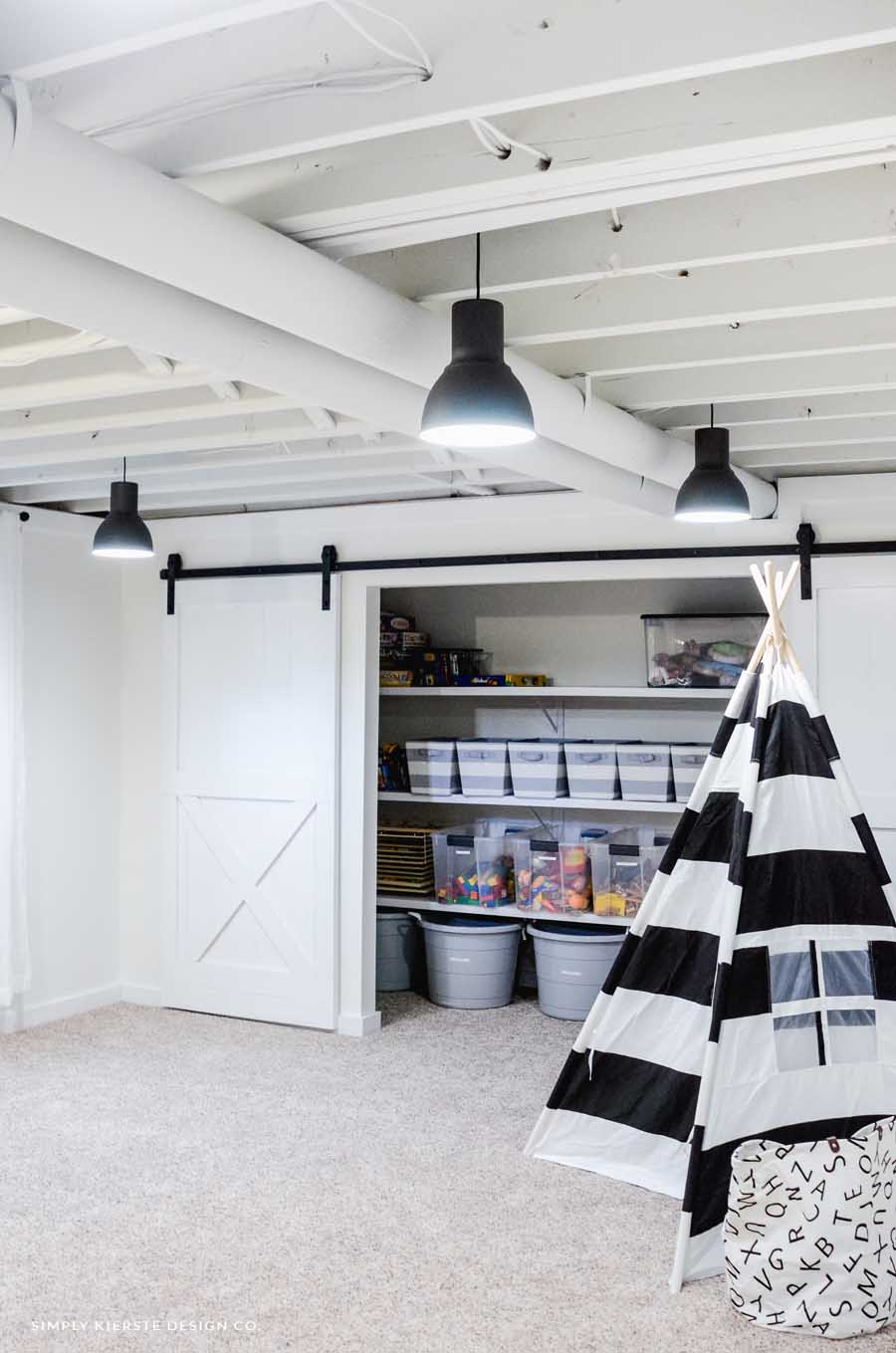
For basements aiming to feel more expansive and less confined, light colors are an indispensable choice. Whites, off-whites, and very light grays or pastels reflect the maximum amount of available light, whether natural or artificial, across the ceiling plane. This reflection brightens the entire space, creating an illusion of greater height and breadth. A ceiling that visually recedes allows the eye to travel upwards unimpeded, diminishing the sensation of a low overhead. This strategy is particularly effective in basements intended for general living, recreation, or guest accommodations, where an open, airy feel is paramount to the user experience and overall “brand” of comfort. The subtle nuances between different whites—cool whites can feel crisp and modern, while warm whites offer a softer, more inviting glow—allow for precise tuning of the room’s character.
Grounding the Space with Darker Tones
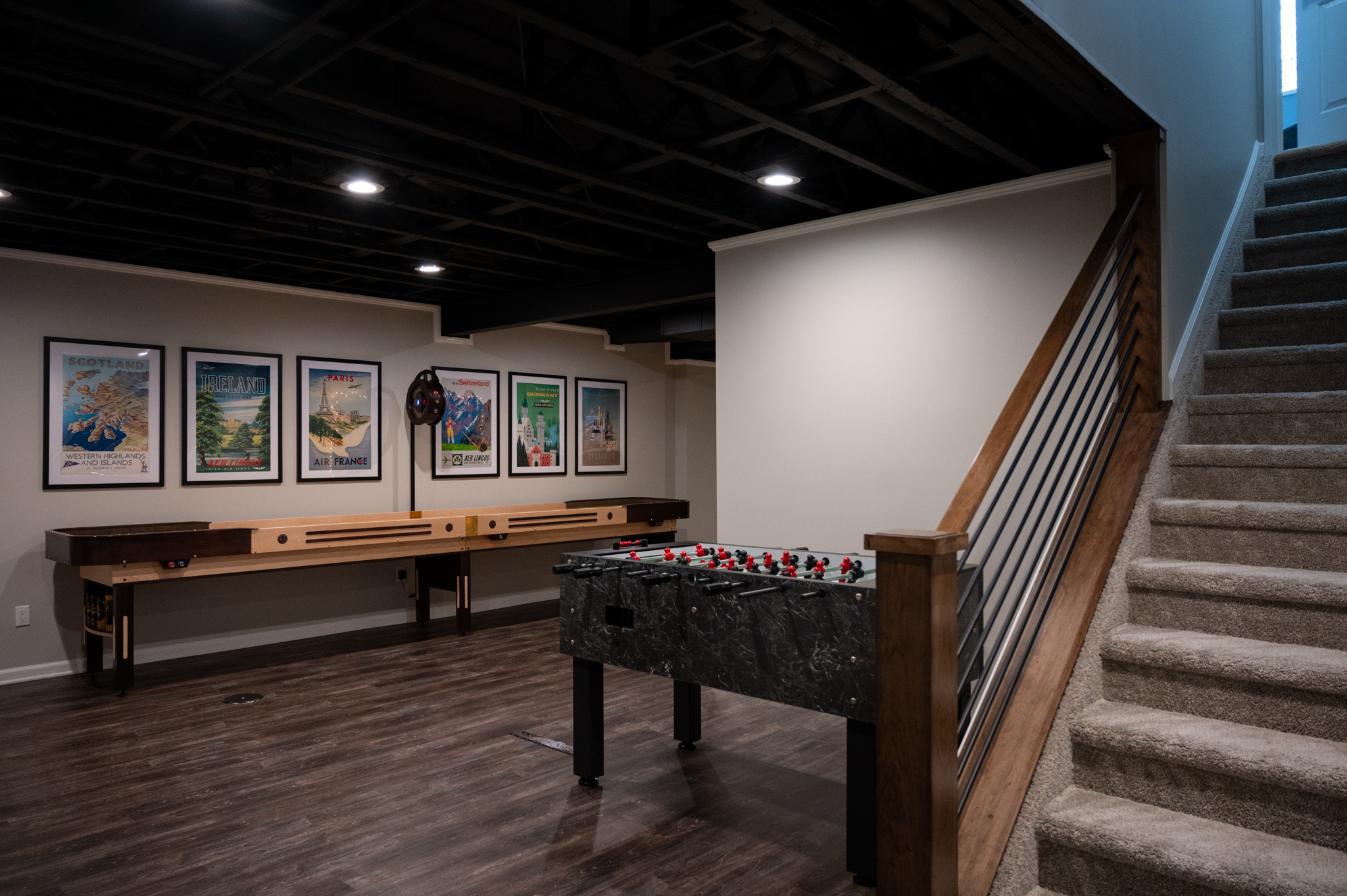
Conversely, darker ceiling colors—such as charcoal grays, deep blues, or even black—can create a sense of intimacy, drama, or sophisticated enclosure. While counterintuitive for spaces often perceived as cramped, this approach is highly effective in basements designated for specific purposes where a cozy or bold “brand identity” is desired. Think home theaters, sophisticated lounges, wine cellars, or meditation spaces. Dark ceilings tend to visually lower the perceived height, making the room feel more grounded and enveloping. In a home theater, a dark ceiling minimizes light reflection, enhancing screen visibility and creating an immersive experience. When combined with strategic lighting, a dark ceiling can actually draw attention to design features below, framing the space rather than making it disappear. This daring design choice communicates a distinct, confident aesthetic.
The Illusion of Height and Width
Beyond light and dark, specific color applications can manipulate perceived dimensions. Painting the ceiling the same color as the walls blurs the boundary between vertical and horizontal planes, often making the walls appear taller and the room more unified. This monochromatic approach can be very effective in low-ceilinged basements, fostering a seamless, continuous flow that visually lifts the space. Alternatively, painting the ceiling a color that is lighter than the walls can still offer a sense of lift, while a ceiling color darker than the walls will emphasize the ceiling and bring it visually closer. Understanding these optical principles allows for precise control over the spatial narrative and supports the desired “brand” presentation of the basement area.
Defining Your Basement’s Brand Identity Through Color
The chosen ceiling color is a foundational element in establishing the “brand identity” or overarching theme of your basement. It’s an opportunity to intentionally design the user’s emotional and functional experience.
Modern Minimalism and Monochromatic Schemes
For basements aiming for a sleek, contemporary, and uncluttered “brand,” monochromatic or near-monochromatic ceiling schemes are ideal. Crisp whites, cool grays, or even light neutrals create a clean backdrop that supports minimalist furniture and decor. This approach prioritizes functionality and visual simplicity, conveying a sophisticated, no-fuss aesthetic. When paired with recessed lighting and subtle textures, a minimalist ceiling reinforces a modern brand identity that values clean lines and open space.
Rustic Charm and Earthy Tones
If the desired “brand” for your basement leans towards rustic, cozy, or traditional, earthy ceiling tones can provide warmth and character. Think muted greens, soft beiges, or even a very light, weathered wood stain effect (if a natural wood ceiling is present). These colors evoke a sense of comfort and natural connection, complementing exposed wooden beams, stone accents, or comfortable, textured furnishings. This design choice communicates a welcoming, grounded atmosphere that aligns with a traditional or farmhouse-inspired aesthetic.
Vibrant Playfulness and Bold Statements
For bas basement spaces designed for recreation, creativity, or as a children’s play area, a bold or vibrant ceiling color can establish a playful and energetic “brand identity.” Bright yellows, sky blues, or even a soft orange can inject personality and stimulate activity. This approach is about creating a memorable and engaging environment. However, careful consideration of saturation and overall room balance is crucial to avoid overwhelming the space. Such choices are less about subtle perception and more about an overt declaration of the space’s purpose and mood.
Industrial Chic and Exposed Ceilings
The “industrial chic” brand identity often embraces the raw character of a basement, turning perceived imperfections into design features. Painting an exposed ceiling—complete with ducts, pipes, and electrical conduits—a uniform dark color (like matte black or dark gray) can transform these elements into an intentional design statement. This approach consolidates the visual clutter, creating a cohesive, edgy aesthetic. The dark color recedes, drawing attention to the textured mechanics of the ceiling, embodying a bold, functional, and contemporary brand. It communicates a deliberate choice to highlight the building’s infrastructure, lending an authentic, urban loft feel.
Integrating Ceiling Color with Lighting and Finishes
The success of a ceiling color choice is not standalone; it is deeply intertwined with the lighting strategy and the overall material palette of the basement. A holistic design approach considers these elements in concert.
Amplifying Natural and Artificial Light
Basements are notorious for their lack of natural light. Therefore, the ceiling color’s interaction with light sources is paramount. Lighter ceiling colors are superior at reflecting both natural light (if any windows are present) and artificial light, helping to distribute illumination more effectively throughout the space. This is critical for creating a brighter, more inviting environment. When selecting artificial lighting, consider the Kelvin temperature of your bulbs; warm lights (2700K-3000K) can enhance the richness of warm ceiling colors, while cool lights (4000K+) can crisp up cool-toned ceilings, refining the “brand” ambiance. Strategically placed recessed lighting, track lighting, or even indirect cove lighting can interact with the ceiling color to achieve desired effects, from widespread illumination to dramatic accentuation.
Harmonizing with Walls, Floors, and Furnishings
A cohesive “brand identity” for the basement demands that the ceiling color harmonizes with the surrounding elements. The relationship between ceiling color and wall color is particularly critical. As mentioned, matching them can create continuity and height. Alternatively, a lighter ceiling than walls can lift the eye, while a darker ceiling can ground the space. The floor color and texture also play a role; a light ceiling with a dark floor can create a “sandwich” effect, while a consistent light palette across all surfaces fosters an expansive, ethereal feel. Furthermore, furniture, textiles, and decorative accents should be considered. The ceiling color acts as a backdrop, either allowing these elements to pop or blending in to support a unified scheme. Each element contributes to the overall message and feeling of the designed space.
Strategic Use of Sheen and Texture
Beyond color, the paint’s sheen (or finish) and any inherent texture on the ceiling surface significantly impact the final look and feel. Flat or matte finishes absorb light, minimizing imperfections and creating a sophisticated, velvety appearance, which is often favored for dark ceilings in media rooms. Eggshell or satin finishes offer a subtle glow and are more durable, making them suitable for high-traffic areas or spaces where some light reflection is desired. High-gloss finishes, while highly reflective and dramatic, can magnify every imperfection and are less common for entire basement ceilings unless an extremely modern, architectural statement is intended. Texture, such as a smooth drywall finish versus a textured acoustic tile or an exposed joist, will also influence how light interacts with the color, affecting the overall visual weight and contributing to the basement’s unique “brand.”
Practical Design Considerations for Basement Ceilings
While aesthetic impact is primary, practical considerations are also vital in the strategic design process for a basement ceiling, ensuring longevity and functionality alongside visual appeal.
Concealing or Highlighting Utilities
Basement ceilings often expose a labyrinth of pipes, ducts, and wiring. The chosen color can either help to obscure these utilitarian elements or intentionally integrate them into the design. Painting everything, including the infrastructure, a uniform dark color (e.g., matte black or dark gray) effectively camouflages the clutter, creating a cohesive, albeit industrial, aesthetic. This approach makes the ceiling recede, focusing attention on the finished living space below. Alternatively, a bold design choice might involve painting these elements in contrasting colors or a single bright color against a neutral ceiling, transforming them into a deliberate graphic statement that enhances an artistic or eclectic “brand” for the space.
Moisture Resistance and Durability
Basements are prone to higher humidity levels than other parts of a home, which can impact paint performance. Selecting paints formulated for high-moisture environments, such as those with mildew resistance, is a critical practical consideration. Latex paints are generally preferred for ceilings due to their breathability and ease of application and cleanup. The chosen paint should offer good adhesion and durability to withstand environmental conditions and potential minor impacts, ensuring the ceiling maintains its aesthetic integrity over time and protects the “brand” image of a well-maintained home.
The Role of Samples and Testing
Before committing to a full-scale paint job, testing samples directly on the basement ceiling is an indispensable step in the design process. Colors appear dramatically different under varying light conditions (natural versus artificial, warm versus cool bulbs). A small swatch on a paint chip will not accurately represent the final effect. Paint large swatches (at least 2×2 feet) in several areas of the ceiling and observe them at different times of day and under various lighting scenarios. This crucial step prevents costly errors and ensures the chosen color truly aligns with the envisioned “brand identity” and spatial impact for the basement.
aViewFromTheCave is a participant in the Amazon Services LLC Associates Program, an affiliate advertising program designed to provide a means for sites to earn advertising fees by advertising and linking to Amazon.com. Amazon, the Amazon logo, AmazonSupply, and the AmazonSupply logo are trademarks of Amazon.com, Inc. or its affiliates. As an Amazon Associate we earn affiliate commissions from qualifying purchases.