
The Science Behind Insect Phototaxis: A Technological Perspective
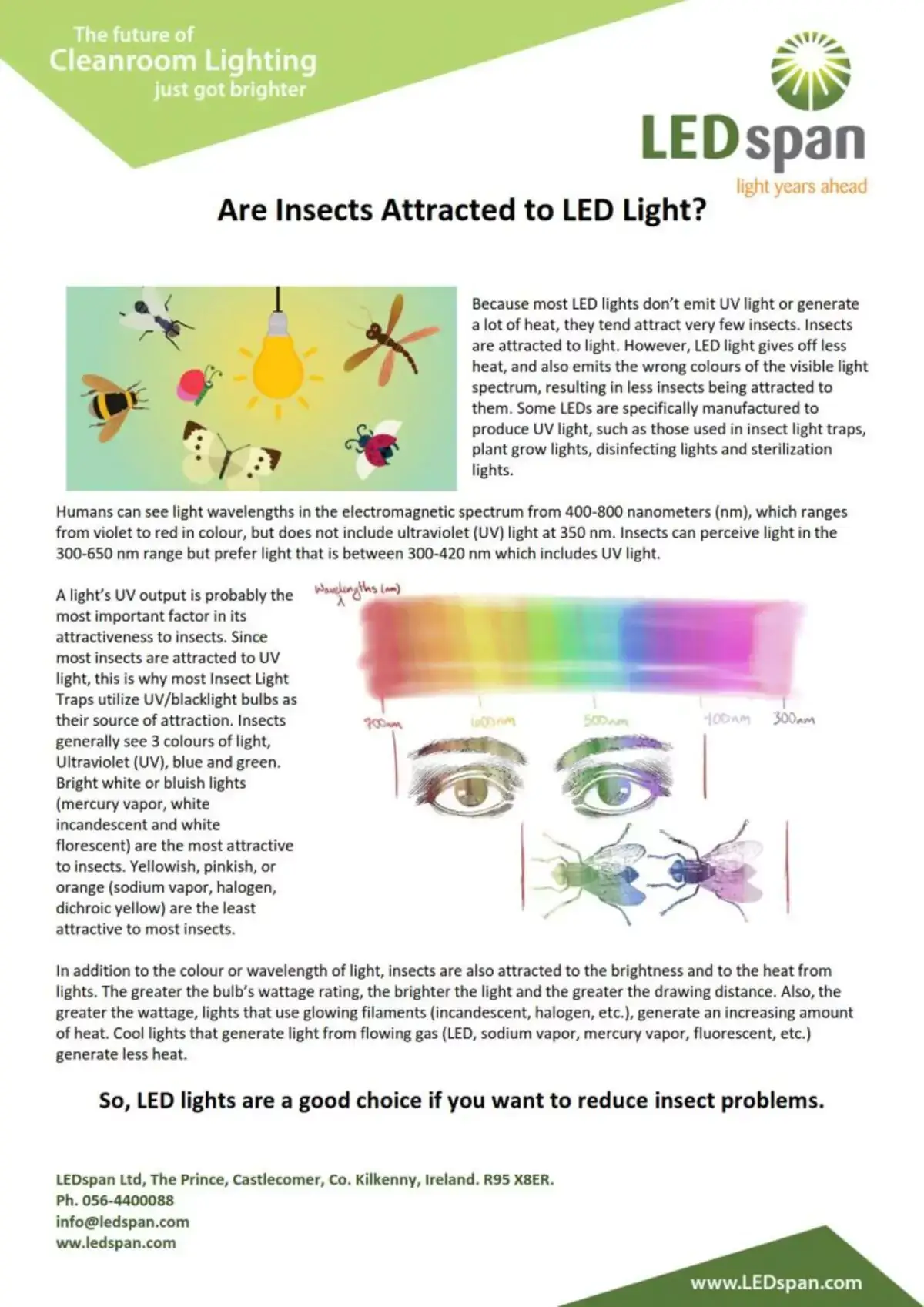
Understanding which light colors attract bugs and which repel them is a fascinating intersection of entomology and optical engineering. From a technological standpoint, the critical factor lies in how different light wavelengths interact with insect photoreceptors. Unlike human vision, which primarily relies on red, green, and blue light, most insects possess compound eyes highly sensitive to ultraviolet (UV), blue, and green light. This evolutionary adaptation means that traditional incandescent or mercury vapor lights, which emit a broad spectrum including significant UV, are veritable beacons for nocturnal insects.
Insect Vision: A Different Spectrum of Perception
The core technological challenge in designing bug-repellent lighting stems from this fundamental difference in visual perception. Insect eyes are remarkably adept at detecting shorter wavelengths, particularly within the UV-A range (315-400 nm), which is largely invisible to humans. Many insects use UV light for navigation, finding mates, and locating food sources like flowers, which often reflect UV patterns. When artificial lights emit these highly attractive wavelengths, insects are drawn towards them—a phenomenon known as positive phototaxis.
Conversely, wavelengths on the longer end of the visible spectrum, specifically yellow, orange, and red light (above 550 nm), are far less visible or appealing to most common nuisance insects like mosquitoes, moths, and certain flies. Their photoreceptors are simply not optimized for these longer wavelengths. This scientific understanding forms the foundational principle for developing specialized lighting technologies designed to minimize insect attraction, moving beyond mere anecdotal observations to precise optical engineering.
Understanding UV Attraction: The Technological Achilles’ Heel
The widespread use of fluorescent lights, traditional “white” LEDs, and older incandescent bulbs has inadvertently exacerbated insect attraction due to their substantial UV output. Fluorescent lights, for instance, work by converting UV light (generated by an electric discharge through mercury vapor) into visible light via a phosphor coating. While efficient for human vision, imperfections or variations in this coating can allow significant UV leakage, turning them into bug magnets. Similarly, some “cool white” LEDs, particularly those with higher color temperatures, may still emit enough blue and near-UV light to be attractive. Technological advancements in LED manufacturing now allow for precise control over the emitted spectrum, offering the ability to filter out or entirely avoid wavelengths known to attract insects, marking a significant leap forward in outdoor and residential lighting design.
Technological Solutions for Bug-Repellent Lighting Systems
The application of spectral knowledge has led to a range of sophisticated lighting technologies aimed at reducing insect populations around illuminated areas. These solutions move beyond simple bulb replacements, integrating advanced material science and smart controls.
LED Advancements and Wavelength Specificity
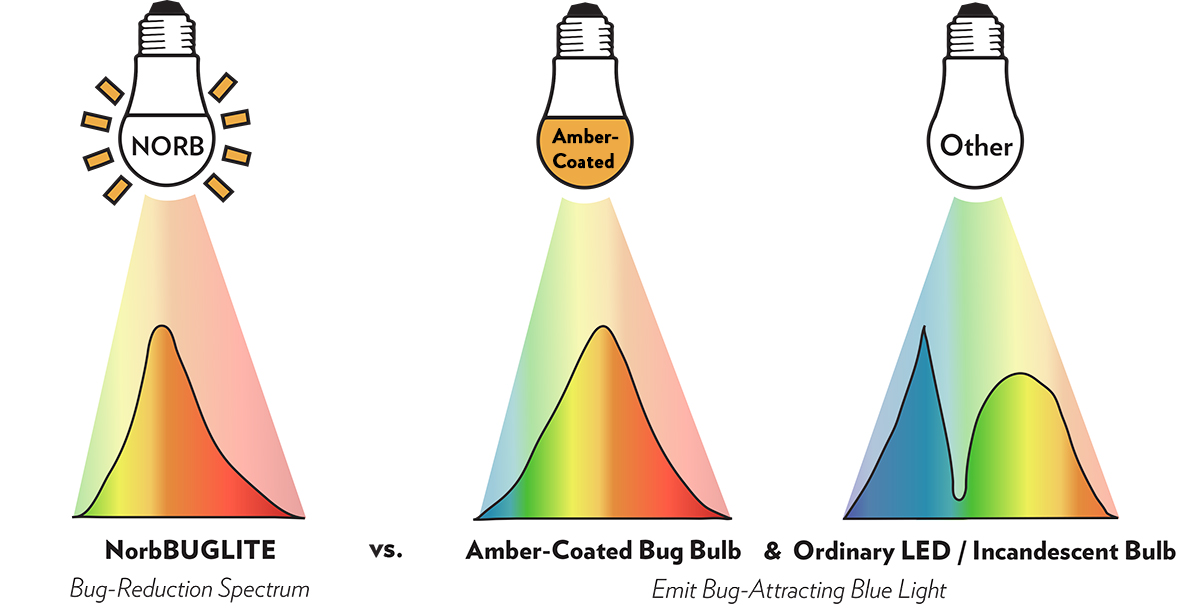
Light Emitting Diodes (LEDs) are at the forefront of bug-repellent lighting technology due to their inherent ability to produce light in very specific wavelengths with high efficiency. Unlike broad-spectrum light sources, LEDs can be engineered to emit light predominantly in the yellow, orange, or red parts of the spectrum, effectively sidestepping the wavelengths most attractive to insects (UV and blue).
- Yellow/Amber LEDs: These are the most common and effective technological solution. By emitting light primarily in the 570-590 nm range, yellow or amber LEDs significantly reduce insect attraction. This is because these wavelengths are poorly perceived by most insect species. Advances in phosphor technology for LEDs allow manufacturers to tune the output precisely, creating lights that appear warm white or amber to humans but are largely “invisible” or uninteresting to bugs.
- Orange/Red LEDs: For even greater deterrence, particularly in highly sensitive environments, orange (600-620 nm) and red (620-750 nm) LEDs are employed. These longer wavelengths are almost completely imperceptible to many insects, offering near-zero attraction. While their applications might be more niche due to their distinct color, they represent the pinnacle of wavelength-specific insect deterrence technology. This also opens avenues for specialized outdoor security lighting where human vision needs are balanced with minimal insect disturbance.
- “Bug Light” Specifics: Modern “bug lights” are almost exclusively LED-based, moving away from older incandescent yellow-coated bulbs. The LED versions offer superior energy efficiency, longer lifespan, and a much cleaner, more precise spectral output, ensuring minimal UV and blue light emission. This isn’t just about painting a bulb yellow; it’s about the semiconductor material and phosphor composition meticulously engineered to generate light in a narrow, insect-unattractive band.
Smart Lighting Systems for Outdoor Spaces
Beyond individual bulbs, integrated smart lighting systems offer dynamic control and optimization for bug deterrence. These systems leverage connectivity and automation to provide a comprehensive solution for outdoor areas.
- Zoned Lighting Control: Smart home platforms and outdoor lighting systems allow users to create specific zones. For instance, patio or deck areas, where human activity is high, can be programmed to use yellow or amber bug-repellent LEDs, while pathways or landscape lighting might use different spectrally tuned lights. This level of granular control is a technological leap from traditional static lighting.
- Scheduled Spectral Shifts: Advanced systems could theoretically implement scheduled light shifts, perhaps transitioning from a brighter, cooler white (less bug-friendly) during daytime activities to warmer, insect-repelling amber tones as dusk approaches, when insects become most active. While still emerging, the underlying LED technology and control protocols (like Zigbee, Z-Wave, Wi-Fi) make this a highly feasible future application.
- Integration with Environmental Sensors: Future iterations could integrate with environmental sensors that detect ambient light levels, temperature, and even insect activity patterns, automatically adjusting light spectrums and intensities for optimal deterrence and energy efficiency. This represents a true IoT (Internet of Things) approach to pest management through lighting.
Specialized Bug Lights: From Yellow to Orange LEDs
The market for specialized bug lights has evolved significantly. Early versions were merely incandescent bulbs coated in a yellow filter, which reduced some visible blue light but still emitted heat and a broader spectrum. Modern technology has revolutionized this. Today’s specialized bug lights are high-efficiency LEDs meticulously designed to emit light only in the wavelengths least attractive to insects. This includes:
- Outdoor Fixtures with Integrated LEDs: Many contemporary outdoor light fixtures, from porch lights to landscape accents, now come with integrated yellow or amber LEDs, purpose-built for bug deterrence. These are not interchangeable bulbs but are part of a sealed unit, often with specific optical designs for light distribution.
- Smart Bug Bulbs: For existing fixtures, smart LED bulbs are available that offer tunable white light, allowing users to select a warm, yellow-spectrum light specifically for insect deterrence via an app. Some even have dedicated “bug mode” settings. These bulbs represent an accessible technological upgrade for homeowners.
- Industrial and Commercial Applications: Large-scale outdoor installations, such as those in restaurants with outdoor seating, industrial facilities, or public spaces, increasingly use robust, purpose-built amber or sodium vapor (which emits a predominantly yellow/orange spectrum) lighting systems to minimize insect disturbance without resorting to chemical repellents, showcasing a blend of optical engineering and public health considerations.
Beyond Color: Design and Placement of Outdoor Lighting Tech
While the color (wavelength) of light is paramount, advanced technological approaches to outdoor lighting also consider fixture design, placement, and intelligent control to further reduce insect attraction and optimize human utility.
Shielding and Directional Lighting
Technological advancements in fixture design play a crucial role. Modern outdoor light fixtures are often engineered to direct light precisely where it’s needed, minimizing light spill into surrounding areas where insects might congregate.
- Full Cut-off Fixtures: These designs prevent any light from escaping horizontally or upwards, focusing illumination downwards. This minimizes the “halo” effect that attracts insects from a distance and contributes to light pollution.
- Shielded Optics: Advanced diffusers and reflectors within fixtures are designed not only to distribute light evenly but also to control the emission of any residual attractive wavelengths, ensuring that the light reaching the environment is optimized for human use and insect deterrence.
- Low-Level Pathway Lighting: Employing down-lighting for pathways and steps keeps light close to the ground, where human navigation is most critical, while reducing the overall volume of illuminated air space that could draw flying insects.
Motion Sensors and Adaptive Brightness
Integrating smart control technologies like motion sensors and adaptive brightness further enhances bug-repellent strategies while conserving energy.
- Motion-Activated Lighting: By only illuminating an area when movement is detected, motion-sensor lights drastically reduce the cumulative time insects are exposed to light, thereby reducing attraction. Paired with yellow or amber LEDs, this offers a dual layer of deterrence.
- Dimming and Adaptive Brightness: Smart dimmable outdoor lighting allows users to lower light intensity when full illumination isn’t necessary. Lower light levels are generally less attractive to insects, even if the color spectrum isn’t perfectly optimized. Adaptive systems can even adjust brightness based on ambient light conditions, ensuring efficient operation.
- Timed Shut-offs: Programmable timers ensure lights are only active during specific periods, for example, turning off outdoor lights automatically after bedtime, when most human activity ceases and insect activity peaks. This systematic reduction in light exposure is a simple yet effective technological application.
The Future of Pest Control Lighting: Integrated Smart Tech
The trajectory of lighting technology indicates a future where insect-repellent lighting is not just a passive feature but an active, intelligent component of our living environments. This involves deep integration with smart home ecosystems and advanced analytical capabilities.
AI-Powered Environmental Optimization
The next generation of pest control lighting will likely incorporate AI and machine learning. Imagine systems that learn local insect patterns, weather conditions, and human usage habits.
- Predictive Adjustments: AI could analyze data to predict peak insect activity times and automatically adjust light spectrum, intensity, and timing to proactively deter bugs without manual intervention.
- Personalized Lighting Profiles: Based on user preferences and observed insect populations, an AI could create personalized lighting schedules and spectral shifts for different zones of an outdoor space.
- Real-time Feedback: Systems could potentially integrate with micro-sensors that detect insect density, providing real-time feedback to the AI to fine-tune lighting parameters for maximum effectiveness, an active loop of sensing and adjusting.

IoT Integration and Automated Solutions
The Internet of Things (IoT) will facilitate a holistic approach to outdoor pest management, with lighting playing a central, interconnected role.
- Seamless Smart Home Integration: Bug-repellent lighting will integrate effortlessly with broader smart home ecosystems, allowing control via voice assistants, mobile apps, or automated routines that link lighting with other smart devices like outdoor fans, misters, or even drone-based surveillance systems (for larger properties).
- Automated Environmental Control: Future systems might coordinate lighting adjustments with other environmental controls, such as activating ultrasonic pest repellents or outdoor fan systems when insect activity is detected, creating a layered defense strategy.
- Energy Efficiency and Sustainability: By leveraging smart controls, AI optimization, and highly efficient LED technology, these integrated systems will not only provide superior bug deterrence but also minimize energy consumption and light pollution, aligning with broader sustainability goals in smart city and smart home development.
In essence, the future of not attracting bugs with light is deeply rooted in sophisticated technological solutions that go far beyond a simple yellow bulb, leveraging precise spectral engineering, smart automation, and interconnected systems to create smarter, more comfortable outdoor living spaces.
aViewFromTheCave is a participant in the Amazon Services LLC Associates Program, an affiliate advertising program designed to provide a means for sites to earn advertising fees by advertising and linking to Amazon.com. Amazon, the Amazon logo, AmazonSupply, and the AmazonSupply logo are trademarks of Amazon.com, Inc. or its affiliates. As an Amazon Associate we earn affiliate commissions from qualifying purchases.