
In the realm of interior design, branding, and visual communication, the concept of “soft white” is as pervasive as it is elusive. It’s the color that graces countless walls, logos, and product interfaces, often chosen for its perceived neutrality and elegance. Yet, pinning down precisely what color soft white is, and why it’s so effective, requires a nuanced understanding that transcends a simple definition. This exploration delves into the subtle variations of soft white, its strategic application in branding and design, and its impact on perception, offering a comprehensive guide for anyone seeking to harness its power.
The Spectrum of Soft White: Beyond a Single Shade
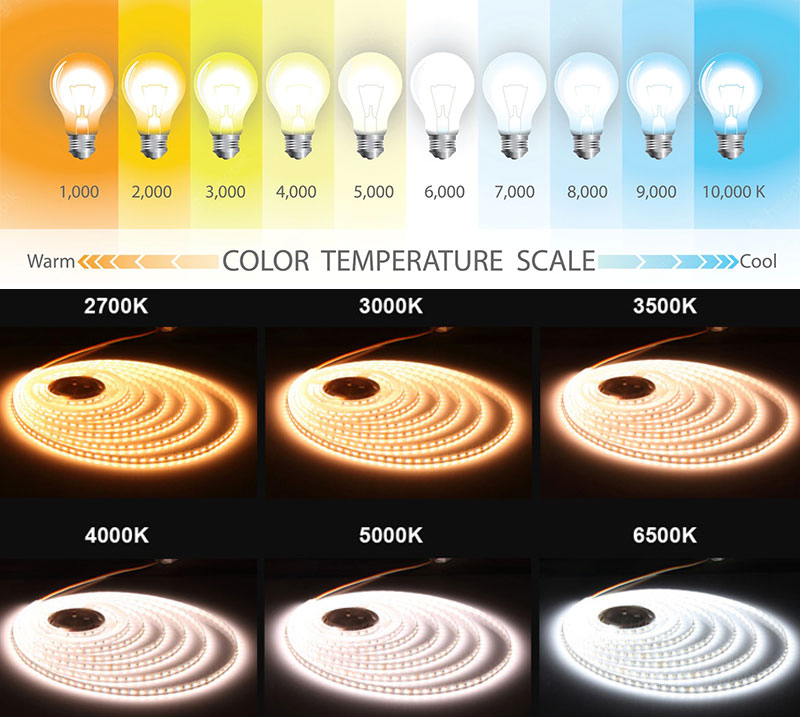
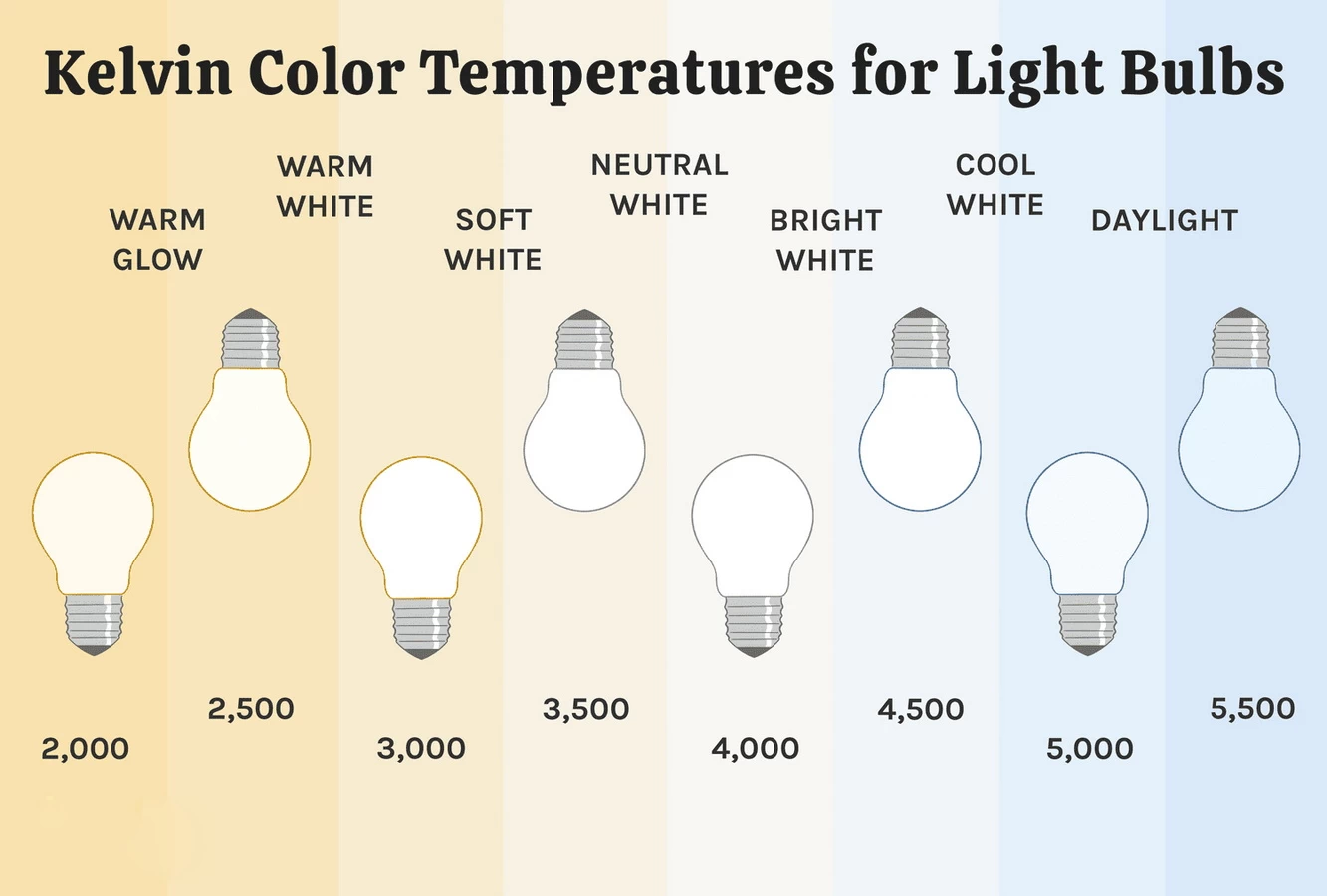
The term “soft white” itself is a misnomer if interpreted as a singular hue. It represents a spectrum of off-whites, each possessing subtle undertones that differentiate them and dictate their impact. Understanding these variations is crucial for effective visual communication.
Understanding Undertones: The Key to Soft White’s Personality
Most colors, even seemingly neutral ones, are built upon a base of primary colors. For soft whites, these undertones are the secret sauce that gives them their distinct character.
Warm Undertones: The Comforting Embrace
Soft whites with warm undertones lean towards yellow, beige, or even a hint of pink. These shades evoke feelings of warmth, comfort, and coziness. Think of creamy off-whites that mimic the hue of aged parchment or natural linen. These are often described as “warm whites” and are excellent choices for creating inviting and intimate spaces. In branding, a warm soft white can convey a sense of tradition, familiarity, and approachable luxury. It’s the color that might be used by artisanal bakeries, boutique hotels, or brands aiming for a handcrafted, personal feel. These whites can also soften the harshness of brighter colors, making them feel more grounded and less clinical. For example, a stark blue might appear more gentle and sophisticated when paired with a soft white that has a subtle yellow undertone.
Cool Undertones: The Crisp Serenity
Conversely, soft whites with cool undertones possess hints of blue, green, or even grey. These shades exude a sense of crispness, clarity, and sophistication. They can feel more modern, clean, and airy. Consider the subtle coolness of a winter sky or the delicate sheen of pearl. These “cool whites” are often preferred in contemporary design and minimalist branding. They offer a sense of spaciousness and can make a design feel more expansive and polished. In branding, a cool soft white can be associated with technology, healthcare, or brands that want to convey professionalism, efficiency, and trustworthiness. A cool soft white can also act as a brilliant canvas for vibrant colors, allowing them to pop with increased intensity without appearing overwhelming. Think of how a bright, saturated red can command attention against a backdrop of a cool, almost ethereal white.
Neutral Undertones: The Balanced Versatility
Some soft whites aim for a true balance, minimizing overt warm or cool tones. These neutral soft whites are the chameleons of the color palette, offering maximum versatility. They can lean slightly in either direction depending on the surrounding colors and lighting conditions, making them incredibly adaptable. These are the soft whites that feel effortlessly sophisticated and don’t impose a strong personality of their own, allowing other design elements to take center stage. They are excellent for establishing a clean, understated foundation. In branding, a neutral soft white can be used across a wide range of industries, from financial services to high-end fashion, signifying reliability, quality, and a timeless aesthetic.
The Psychology and Perception of Soft White
Beyond its technical composition, soft white carries significant psychological weight. Its inherent qualities influence how we perceive a space, a product, or a brand. This psychological impact is a powerful tool in the hands of designers and marketers.
Creating Atmosphere: The Emotional Resonance of Soft White
The choice of soft white is not merely aesthetic; it’s an emotional decision. The subtle undertones directly influence the mood and atmosphere of a design.
Warmth and Invitation: Cultivating a Sense of Belonging
As discussed, warm soft whites are masterful at creating an inviting and comfortable atmosphere. They make spaces feel more lived-in, approachable, and safe. This is why they are a perennial favorite for residential interiors, hospitality venues, and businesses that prioritize a welcoming customer experience. In a branding context, a warm soft white can foster a sense of intimacy and trust, making consumers feel like they are part of a community. It can evoke feelings of nostalgia and tradition, connecting with consumers on an emotional level. For instance, a heritage brand might use a soft white with a subtle creaminess to reinforce its long-standing presence and commitment to quality.
Serenity and Clarity: Promoting Focus and Calm
Cool soft whites, on the other hand, promote a sense of calm, clarity, and focus. They are less distracting and can help to reduce visual clutter. This makes them ideal for environments where concentration is key, such as offices, educational institutions, or healthcare facilities. In digital interfaces, a cool soft white background can improve readability and reduce eye strain, leading to a more positive user experience. Branding that utilizes cool soft whites often aims to convey efficiency, modernity, and a sense of calm reassurance. Think of a tech company launching a new productivity app or a wellness brand emphasizing peace and mindfulness.
Sophistication and Minimalism: The Power of Restraint
Neutral soft whites, while less emotionally charged, offer a profound sense of sophistication and understated elegance. They convey a message of discernment and refined taste. This is particularly effective in luxury branding, where simplicity and quality are paramount. A minimalist approach often relies on negative space, and a neutral soft white provides the perfect, unobtrusive canvas. It allows for the deliberate placement of other elements, ensuring that each component has maximum impact. This deliberate restraint speaks volumes, suggesting that the brand is confident in its core offering and doesn’t need to shout for attention.
Practical Applications: Soft White in Action
The versatility of soft white extends to its widespread application across various design disciplines. Its ability to complement, enhance, and define makes it an indispensable tool.
Interior Design: The Foundation of Ambiance
In interior design, soft white is often the go-to choice for walls. It acts as a neutral backdrop that allows furniture, artwork, and decor to shine. Depending on the chosen undertone, it can transform a room’s mood. A warm soft white can make a large room feel cozier, while a cool soft white can make a small room feel more expansive. It also plays a crucial role in how natural and artificial light interacts within a space, influencing the overall brightness and warmth.
Branding and Identity: Crafting a Visual Voice
For brands, soft white is a powerful element in establishing a visual identity. It can be the primary color on a logo, a recurring element in marketing materials, or the background of a website. The specific shade of soft white chosen communicates subtle messages about the brand’s personality. Is it an artisanal, approachable brand (warm soft white)? Is it a modern, cutting-edge company (cool soft white)? Or is it a timeless, sophisticated entity (neutral soft white)? The careful selection of soft white can significantly contribute to brand recognition and customer perception.
Product Design and Packaging: Enhancing Appeal
On product packaging and in the design of products themselves, soft white can convey a sense of premium quality and cleanliness. For electronics, skincare, or food products, a soft white often signifies purity, natural ingredients, or advanced technology. It can make a product look more sophisticated and desirable. The tactile experience of a product with a soft white finish can also contribute to its perceived value.
Mastering Soft White: Considerations for Effective Use
While soft white is inherently versatile, its effective application requires careful consideration of context, surrounding elements, and desired outcomes.
Lighting: The Unseen Collaborator
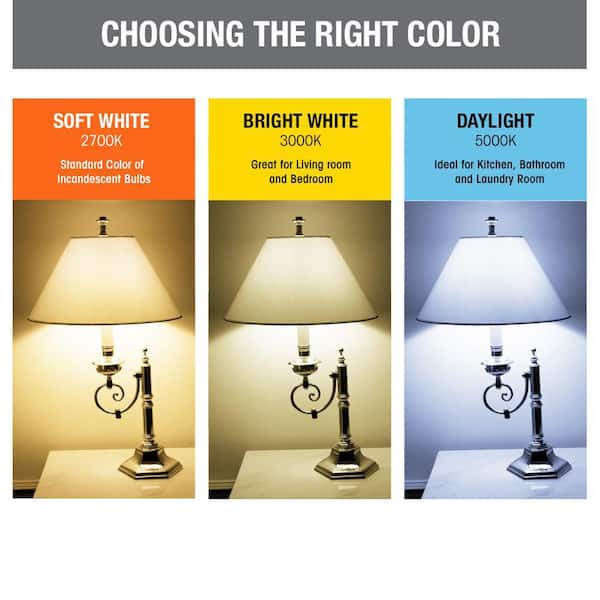
The perceived color of soft white is heavily influenced by lighting. Natural daylight, warm incandescent bulbs, and cool LED lights will all render a soft white differently. A soft white that appears creamy under warm light might look slightly greyish under cool light. Therefore, it’s essential to test soft white paint samples or digital swatches in the intended environment and under the anticipated lighting conditions. Understanding how light interacts with the chosen shade is paramount to achieving the desired effect. Designers often consider the time of day a space will be most used and the type of artificial lighting to be installed to make the most informed decision.
Color Pairings: The Art of Complementarity
Soft white is rarely used in isolation. Its true power is unleashed when paired with other colors. Its ability to act as a harmonizing element is one of its greatest strengths.
Bold and Vibrant Companions: Creating Contrast and Emphasis
When paired with bold or vibrant colors, soft white provides a much-needed counterpoint. It prevents the brighter colors from becoming overwhelming, offering visual breathing room and allowing them to stand out more effectively. A deep emerald green can feel more luxurious against a soft, slightly warm white, while a bright coral might feel more playful and energetic against a crisp, cool white. This contrast is fundamental to creating visually appealing compositions in both interior design and branding.
Subtle and Muted Partners: Building Sophistication and Depth
Soft white also harmonizes beautifully with other muted tones and neutrals. This pairing creates a sophisticated, layered look that exudes understated elegance. Think of pairing a soft, creamy white with gentle greys, dusty blues, or muted earth tones. This approach builds a sense of depth and texture without resorting to jarring contrasts. It’s a strategy often employed by high-end fashion brands or interior designers aiming for a serene and refined aesthetic.
Avoiding the Pitfalls: When Soft White Can Go Wrong
Despite its ubiquity, there are instances where soft white might not be the optimal choice, or where its application can fall flat.
The “Too Yellow” Trap: Mimicking Aging
One common pitfall is selecting a soft white that is too yellow, particularly in spaces with limited natural light. This can inadvertently make the walls look dingy or aged, rather than warm and inviting. Careful consideration of the undertones and the amount of light available is crucial to avoid this. Similarly, a soft white that is too grey can appear drab and uninspired if not carefully balanced with other elements.
The Loss of Impact: When Soft White Becomes Too Dominant
In some branding contexts, an over-reliance on soft white, or the choice of a very stark off-white, can lead to a lack of visual impact. If not balanced with strong typography, imagery, or other contrasting colors, the brand’s message can become diluted or feel too generic. The key is to use soft white strategically as a foundation or a complementary element, rather than the sole defining characteristic.
In conclusion, “soft white” is far from a simple color. It is a spectrum of nuanced shades, each carrying its own personality and psychological weight. Its power lies in its ability to evoke warmth, serenity, sophistication, and versatility. By understanding its undertones, considering the impact of lighting, and strategically pairing it with other colors, designers and brands can harness the profound influence of soft white to create compelling, memorable, and effective visual experiences. It is a testament to the fact that even in the realm of the seemingly simple, immense depth and complexity can reside.
aViewFromTheCave is a participant in the Amazon Services LLC Associates Program, an affiliate advertising program designed to provide a means for sites to earn advertising fees by advertising and linking to Amazon.com. Amazon, the Amazon logo, AmazonSupply, and the AmazonSupply logo are trademarks of Amazon.com, Inc. or its affiliates. As an Amazon Associate we earn affiliate commissions from qualifying purchases.