
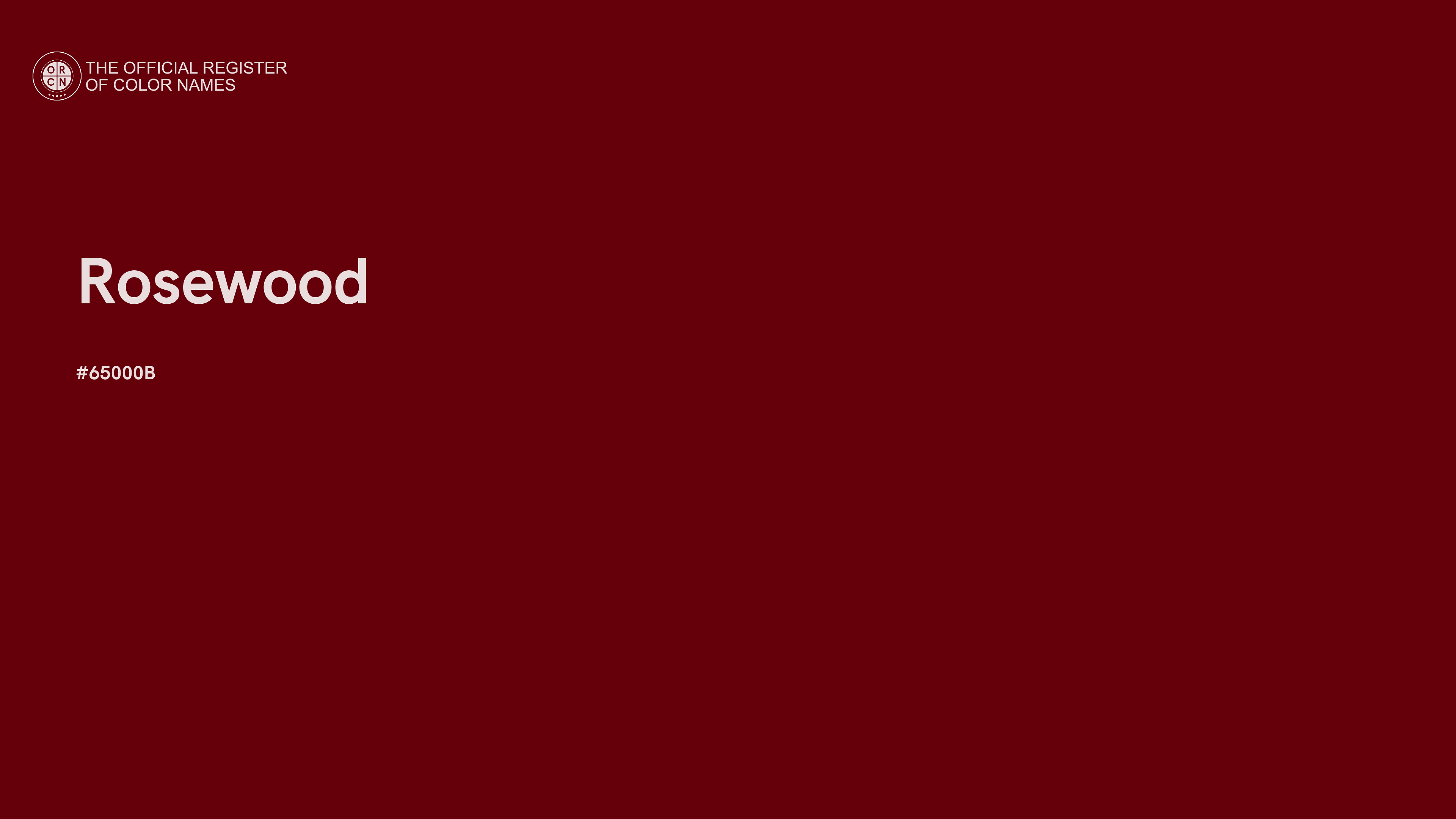
The mere mention of “rosewood” conjures an image of sophistication, luxury, and timeless appeal. It’s a term frequently associated with high-end furniture, exquisite musical instruments, and premium interior design. Yet, when a brand considers incorporating “rosewood” into its aesthetic, either directly through the material or by evoking its essence, the question “What color is rosewood?” becomes far more complex than a simple RGB value. It delves into brand strategy, consumer perception, and the very emotional resonance a particular hue can convey.
The Allure of Rosewood in Brand Identity
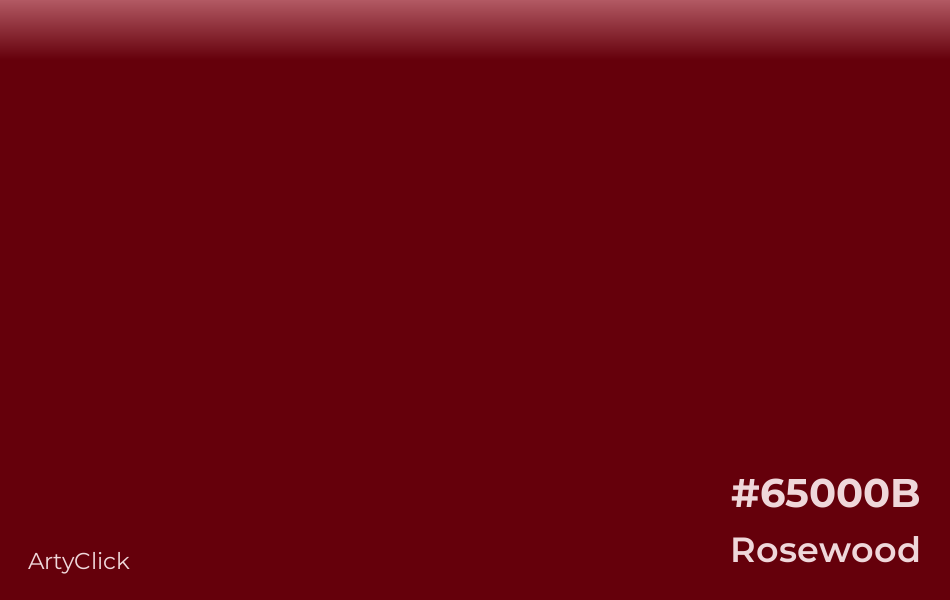
Rosewood isn’t just a color; it’s a narrative. For centuries, its rich, distinctive appearance has been synonymous with quality, craftsmanship, and exoticism. Brands across various sectors—from automotive interiors to luxury fashion accessories, from high-fidelity audio equipment to premium spirits—have strategically leveraged the visual and associative power of rosewood. Its color palette, ranging from deep reddish-browns to purplish-blacks, often with striking darker streaking, communicates a sense of gravitas and heritage.
In brand strategy, color plays a pivotal role in shaping consumer perception. It can evoke emotions, differentiate a product from competitors, and reinforce core brand values. Rosewood, in its authentic form, projects warmth, stability, and understated elegance. When a brand chooses to incorporate rosewood tones, it’s often making a deliberate statement about its commitment to enduring quality, classic design, and a certain level of exclusivity. The color acts as a non-verbal cue, instantly signaling to the target audience that this product or brand occupies a premium space, often associated with tradition and skilled artistry rather than fleeting trends. This deliberate choice impacts not only product design but also marketing materials, packaging, and even digital interfaces, all contributing to a cohesive brand identity that capitalizes on rosewood’s intrinsic appeal.
Decoding the Rosewood Palette: More Than Just a Color
To understand how rosewood impacts brand identity, one must look beyond its superficial hue. It’s an intricate tapestry of visual characteristics that collectively contribute to its powerful branding potential.
Warmth and Richness: Emotional Resonance
The predominant characteristic of rosewood’s color is its inherent warmth and richness. Most species, such as Brazilian Rosewood (Dalbergia nigra) or Indian Rosewood (Dalbergia latifolia), display deep, reddish-brown tones, often with hints of purple, orange, or even gold. This warmth is not merely aesthetic; it’s psychological. Warm colors like reds and browns are often associated with comfort, security, earthiness, and luxury. For brands, this translates into an opportunity to foster a sense of belonging, intimacy, and reliability.
A brand employing rosewood-inspired colors might aim to position itself as trustworthy and established, appealing to consumers who value tradition and longevity. Think of a high-end watch manufacturer using a rosewood-finished display box; the warm, deep tones elevate the perception of the timepiece itself, suggesting that the watch is a timeless heirloom, not just a functional gadget. Similarly, in digital branding, web interfaces or application themes that subtly incorporate these deep, rich tones can create an inviting and sophisticated user experience, contrasting with more stark or minimalist aesthetics and fostering a sense of warmth and reliability for the brand.
Grain and Texture: A Tactile Brand Story
Beyond the base color, the characteristic grain of rosewood is equally vital to its branding power. Rosewood typically features a prominent, often wavy or interlocked grain pattern, interspersed with darker streaks. This visual texture adds depth and dynamism that a solid color simply cannot achieve. For a brand, this means that “rosewood color” isn’t a flat swatch but a complex pattern that suggests natural origin, authenticity, and intricate detail.
In product design, replicating or referencing this grain pattern, even synthetically, allows brands to tell a story of natural beauty and intricate craftsmanship. A luxury car interior might feature a dashboard trim designed to mimic the swirling patterns of rosewood, instantly conveying opulence and meticulous attention to detail. This isn’t just about color; it’s about the visual narrative of texture. It implies that the product has a history, a natural process behind it, rather than being mass-produced and artificial. This tactile association, even when only visually perceived, contributes significantly to a brand’s narrative of quality, uniqueness, and artisan heritage.
Leveraging Rosewood in Product Design and Marketing
The strategic integration of rosewood’s color and aesthetic extends across numerous industries, serving as a powerful tool in product differentiation and market positioning.

From Furniture to Fragrance: Versatility in Branding
The versatility of rosewood’s aesthetic is evident in its widespread application. In the realm of furniture, original rosewood pieces from the mid-20th century are highly prized, defining an era of sophisticated design. Modern furniture brands often replicate its characteristic deep, lustrous finish to imbue contemporary pieces with a sense of classic elegance and robust quality.
Beyond physical products, the essence of rosewood is distilled into other sensory experiences. Perfume houses create fragrances with “rosewood notes,” aiming to evoke its warm, woody, slightly sweet and spicy aroma. Here, the “color” translates into an olfactory profile that maintains the same brand associations: natural, refined, luxurious, and perhaps a touch exotic. Marketing collateral for such fragrances often uses visual palettes echoing rosewood’s deep reds and browns, creating a cohesive multi-sensory brand experience. Similarly, in packaging design, a brand might use a rosewood-colored box or label to signal the premium nature of its contents, whether it’s fine chocolate, spirits, or high-end cosmetics. The choice of this color communicates a tacit promise of quality and a certain indulgence.
Crafting Exclusivity: The Luxury Association
One of the most potent branding attributes of rosewood’s color is its ingrained association with luxury and exclusivity. Historically, rosewood was a rare and expensive timber, used primarily for bespoke items and royal commissions. This legacy persists. Brands tapping into rosewood aesthetics are often striving to position themselves at the higher end of the market. The deep, rich tones convey a sense of gravitas and timelessness that resonates with consumers seeking products that are an investment, not a fleeting purchase.
This strategy is particularly effective in industries where status and perceived value are paramount. Consider high-end audio equipment manufacturers; a speaker with a rosewood veneer finish immediately looks more expensive and sounds, to the discerning eye, more refined than one in a simple black finish. This is not just about the material cost but the visual signaling. The color implies superior craftsmanship, acoustic properties, and an appreciation for classic design. For brands, utilizing rosewood’s color is a shorthand for communicating “premium,” “exclusive,” and “heirloom quality” without needing extensive copy.
Consistency and Authenticity in Rosewood Branding
While the allure of rosewood is undeniable, brands must approach its integration with strategic consistency and authenticity to avoid diluting its powerful message.
Digital Representation vs. Physical Reality
A critical challenge for brands is ensuring that the digital representation of “rosewood” aligns with its physical reality. In e-commerce or digital marketing, the subtle nuances of rosewood’s color and grain can be lost or misrepresented due to screen calibration, lighting, and compression. A brand must meticulously manage its digital assets to accurately convey the depth, warmth, and texture that defines rosewood. This involves using high-resolution imagery, consistent color profiles, and descriptive language that evokes its multi-faceted nature. Inconsistency between how “rosewood” appears online versus how it’s perceived in person can lead to customer dissatisfaction and erode brand trust. Brands investing in rosewood’s appeal must also invest in ensuring that the digital experience matches the tangible expectation, from website product shots to social media campaigns.
The Ethical Dimension: Sustainability as a Brand Value
The increasing awareness of environmental sustainability adds another layer of complexity and opportunity to rosewood branding. Many true rosewood species are now endangered or subject to strict trade regulations due to over-harvesting. For brands committed to ethical sourcing and sustainability, this presents a critical consideration. Brands can choose to address this in several ways:
- Synthetic alternatives: Developing high-quality synthetic finishes that accurately mimic rosewood’s aesthetic while being sustainable. This allows brands to maintain the visual appeal without the ethical burden.
- Responsibly sourced alternatives: Using other sustainable woods that can be stained or treated to achieve a similar visual effect, often marketed with transparency about their origin.
- Highlighting heritage: For brands that possess true antique rosewood pieces, emphasizing their provenance and the historical value contributes to a narrative of preservation and timelessness.
By transparently addressing the sustainability aspect, brands can reinforce a modern commitment to ethical practices, turning a potential challenge into a powerful brand value. This aligns the traditional luxury of rosewood with contemporary consumer demands for responsible consumption, positioning the brand as forward-thinking and conscientious.
The Future of Rosewood in Design and Branding
The enduring appeal of rosewood’s color and aesthetic ensures its continued relevance in brand strategy. As technology advances, new methods for replicating its intricate patterns and rich hues will emerge, offering brands more sustainable and versatile ways to incorporate its luxurious appeal. The future may see advanced material science creating more convincing synthetic rosewood, or digital rendering tools allowing for hyper-realistic visual experiences that celebrate its timeless beauty without impacting natural resources. Regardless of the medium, the deep, warm, and visually complex color palette of rosewood will remain a cornerstone for brands seeking to convey sophistication, heritage, and uncompromising quality. Its story is not just about a specific shade, but about the enduring human appreciation for natural beauty, meticulous craftsmanship, and enduring value—all potent elements in building a resilient and appealing brand.
aViewFromTheCave is a participant in the Amazon Services LLC Associates Program, an affiliate advertising program designed to provide a means for sites to earn advertising fees by advertising and linking to Amazon.com. Amazon, the Amazon logo, AmazonSupply, and the AmazonSupply logo are trademarks of Amazon.com, Inc. or its affiliates. As an Amazon Associate we earn affiliate commissions from qualifying purchases.