
In the competitive landscape of modern marketing, color is rarely just an aesthetic choice; it is a psychological tool. When a brand strategist asks, “What color is pistachio?” they aren’t looking for a botanical description of a nut. They are looking for a specific emotional resonance that sits at the intersection of nature, luxury, and tranquility. Pistachio—a muted, milky green with yellow undertones—has emerged as a powerhouse in brand identity, offering a sophisticated alternative to the overused “mint” or the overly utilitarian “forest green.”
To understand pistachio is to understand the nuance of modern consumer behavior. It is a color that suggests health without being clinical, and premium quality without being exclusionary. In this exploration, we will dissect the anatomy of pistachio within brand strategy, analyze its psychological impact on consumers, and provide a framework for integrating this versatile hue into a cohesive corporate identity.

The Anatomy of Pistachio: Beyond the Hex Code
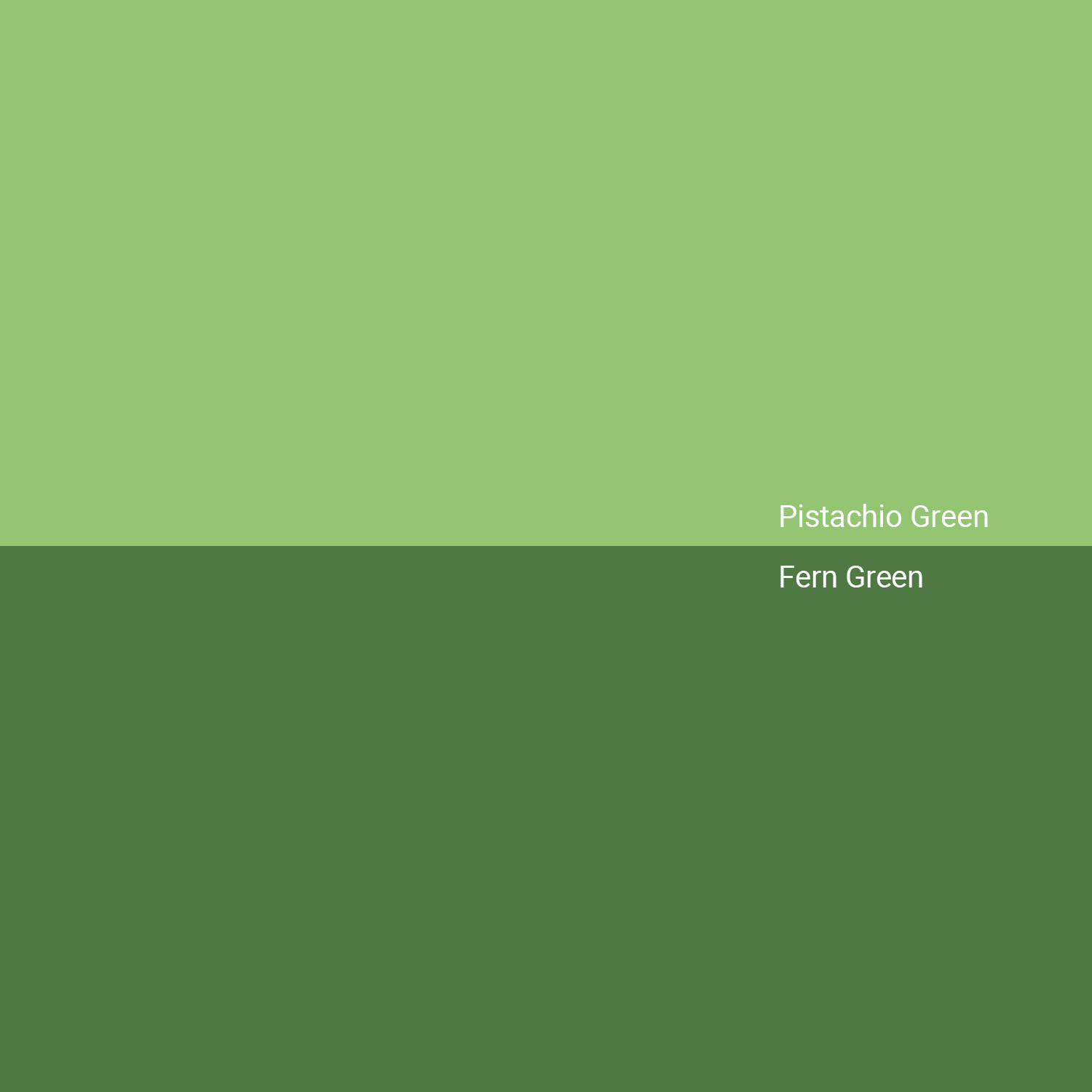
Defining pistachio requires a delicate balance of saturation and brightness. In the digital design world, pistachio is often identified by Hex code #93C572 or similar variations, but its brand value lies in its versatility across different mediums. Unlike neon greens that demand attention through intensity, pistachio commands attention through its unique position on the color wheel.
Defining the Pistachio Spectrum
Pistachio is fundamentally a desaturated green. It contains a high proportion of white, which lends it a “milky” or creamy quality, and a significant touch of yellow, which provides warmth. This warmth is what separates it from “Seafoam” (which leans blue) or “Sage” (which leans gray). For a brand, this distinction is vital. A yellow-leaning green like pistachio feels energetic and fresh—reminiscent of spring and new growth—whereas a gray-leaning green can feel somber or institutional.
When developing a brand style guide, defining the “pistachio” can range from a pale, almost-neutral tint to a more vibrant, earthy shade. The key for brand consistency is ensuring the “lightness” of the color remains high enough to evoke feelings of cleanliness and modernity.
Complementary Palettes in Brand Design
Pistachio rarely works alone; its strength is amplified by its neighbors. In high-end branding, we often see pistachio paired with:
- Deep Charcoal or Navy: To provide a grounding, professional contrast.
- Warm Terracotta or Sand: To emphasize an “earth-first” or organic philosophy.
- Cream or Off-White: To lean into a minimalist, “clean-label” aesthetic.
By understanding these pairings, brand designers can use pistachio to bridge the gap between “natural” and “sophisticated.”
Color Psychology: Why Brands are Choosing Pistachio in the 2020s
The rise of pistachio in corporate identity is not accidental. It is a response to a global shift toward wellness, sustainability, and digital detoxing. As consumers become increasingly overwhelmed by high-contrast digital interfaces and aggressive “sale” red-and-blue palettes, pistachio offers a visual reprieve.
The Intersection of Nature and Luxury
Historically, green was associated with growth and money. However, the specific tint of pistachio brings in the element of “lifestyle luxury.” It is the color of high-end French macarons, boutique hotel linens, and organic skincare. It signals to the consumer that a product is high-quality and thoughtfully made.
For a brand, using pistachio signals an “approachable premium” status. It tells the customer, “This product is better for you and the planet, but it is also a treat.” This dual messaging is highly effective in the beauty, food and beverage, and interior design sectors.
Evoking Calm and Reliability
In an era of high anxiety, pistachio serves as a “calming” green. Psychologically, it is low-arousal. Unlike bright yellow which can cause fatigue or red which signals danger, pistachio encourages the eye to linger. When a consumer visits a website or sees packaging dominated by this hue, their cortisol levels theoretically drop. This makes it an ideal choice for brands in the wellness space, mental health apps, or any service-oriented business that wants to build a foundation of trust and serenity.
Case Studies: Successful Integration of Pistachio in Corporate Identity

Looking at the marketplace, we can see how pistachio has been used to redefine entire categories. From legacy brands rebranding for a younger demographic to startups carving out a niche, this color has become a shorthand for “modern-organic.”
The Wellness and Organic Sector
The most obvious use of pistachio is in the “Clean Label” movement. Consider contemporary yogurt brands or plant-based milk alternatives. By moving away from the “neon green” that previously signified “lime” or “artificial energy,” these brands use pistachio to suggest the product is “straight from the earth.”
In these cases, pistachio is often used as a primary brand color to differentiate from the sterile whites of traditional dairy or the muddy browns of older “health food” stores. It represents a new generation of wellness: one that is bright, tasty, and aesthetically pleasing.
High-End Fashion and Lifestyle Branding
In the world of fashion, pistachio (often referred to in this context as “matcha” or “pale lime”) has transitioned from a seasonal trend to a brand staple for “quiet luxury” labels. It functions as a “new neutral.” It is adventurous enough to be interesting but muted enough to be worn as a staple.
Brands that adopt pistachio in their packaging—think of the luxury jewelry brand boxes or high-end stationery—are often targeting a consumer who values “subtle flex” over loud logos. The color itself becomes the logo; the specific shade of pistachio is instantly recognizable to the “in-the-know” consumer.
Implementing Pistachio: A Guide for Brand Strategists
Choosing pistachio is only the first step. The success of the brand identity depends on the execution across various touchpoints. Because pistachio is a light, desaturated color, it presents unique challenges in production and digital accessibility.
Consistency Across Digital and Print Media
One of the primary difficulties with pistachio is “metamerism”—the way a color looks different under different lighting conditions. On a backlit OLED smartphone screen, pistachio can look vibrant and glowing. On recycled cardboard packaging, it can look muddy or gray.
To maintain a strong brand identity, strategists must:
- Specify Pantone Matching System (PMS) Colors: Ensure that the printer uses a specific ink mix rather than a standard CMYK process to avoid the color turning “swampy.”
- Test Digital Accessibility: Pistachio often has low contrast against white backgrounds. To meet WCAG (Web Content Accessibility Guidelines), brand designers must ensure that text placed over pistachio—or pistachio text over white—is legible for all users. This often involves using a darker “accent green” for typography.
Balancing Trends with Longevity
Is pistachio a “trend” color that will look dated in five years? The risk is real. The “Millennial Pink” of the mid-2010s eventually became a cliché. To avoid this, brand strategists should not use pistachio as a standalone gimmick. Instead, it should be integrated into a broader brand narrative.
If a brand uses pistachio because it represents “freshness” and “innovation,” it must back that up with product performance. The color should be an extension of the brand’s core values—if those values are timeless, the color will feel timeless too. By pairing pistachio with classic typography (like elegant serifs or clean, geometric sans-serifs), a brand can ensure that its identity feels modern today and classic tomorrow.
The Future of the “Pistachio” Identity
As we move further into a decade defined by the “Green Transition,” colors that evoke the natural world will only grow in importance. Pistachio is unique because it is a “cultivated” green. It isn’t the wild, untamed green of a jungle; it is the refined, soft green of a garden or a carefully crafted product.
For a brand, answering the question “What color is pistachio?” is about more than choosing a paint chip. It is about deciding to position a business as a source of calm, quality, and contemporary taste. Whether it is used in the UI of a new fintech app to reduce the stress of banking, or on the packaging of a luxury candle to signify its botanical origins, pistachio is a color that speaks softly but carries immense strategic weight.
In conclusion, pistachio is the color of the “new premium.” It is a shade that respects the consumer’s intelligence and their desire for a more harmonious visual environment. Brands that master this hue will find themselves well-positioned to lead the conversation in a market that increasingly values aesthetics, ethics, and emotional resonance.
aViewFromTheCave is a participant in the Amazon Services LLC Associates Program, an affiliate advertising program designed to provide a means for sites to earn advertising fees by advertising and linking to Amazon.com. Amazon, the Amazon logo, AmazonSupply, and the AmazonSupply logo are trademarks of Amazon.com, Inc. or its affiliates. As an Amazon Associate we earn affiliate commissions from qualifying purchases.