
In the intricate world of electrical systems, where safety and functionality are paramount, understanding the basic components is crucial, even for those deeply entrenched in the digital realm. While your daily interactions might involve sophisticated software and bleeding-edge hardware, the underlying infrastructure that powers it all relies on fundamental electrical principles. One such fundamental element, often overlooked but critically important, is the neutral wire. Its color, far from being an arbitrary aesthetic choice, serves a vital purpose in electrical safety, system integrity, and troubleshooting. This article will demystify the neutral wire, exploring its role, its common color codings across different regions, and the technological implications of understanding these distinctions.
The Indispensable Role of the Neutral Wire in Electrical Systems
At its core, an electrical circuit requires a complete loop for current to flow. This loop typically consists of a power source, a load (the device consuming electricity), and conductors to carry the current. In most AC (Alternating Current) systems, the current flows from the “hot” or “live” wire to the load, and then returns to the source via the neutral wire. Without the neutral wire, the circuit would be incomplete, and the appliance or device would not function.
Completing the Circuit: The Path of Current
The hot wire carries the voltage potential from the power source. When a switch is closed or a device is powered on, this voltage drives current through the load. The neutral wire acts as the return path for this current, completing the circuit and allowing electricity to flow continuously. It is designed to be at or very near ground potential, meaning it doesn’t carry a significant voltage difference relative to the earth. This is a key safety feature.
Grounding vs. Neutral: A Crucial Distinction
It’s essential to differentiate the neutral wire from the ground wire, although they are often connected at the main service panel. The ground wire is a safety conductor that provides a low-resistance path to the earth in case of a fault, such as a hot wire accidentally touching the metal casing of an appliance. If this happens, the ground wire quickly carries the fault current to the ground, tripping a breaker or blowing a fuse, thus preventing electric shock. The neutral wire, on the other hand, is part of the normal current-carrying circuit during operation. While it is intentionally connected to ground at the utility’s transformer and the building’s main panel, it is still a conductor through which current normally flows.
Why Color Coding Matters: A Universal Language of Safety
Imagine a complex network of wires within a server rack, a smart home hub, or even a sophisticated piece of industrial machinery. Without standardized color coding, identifying specific wires during installation, maintenance, or troubleshooting would be a daunting and dangerous task. Color coding provides a visual language that electricians and technicians rely on to quickly and accurately distinguish between different conductors. This not only speeds up work but, more importantly, significantly reduces the risk of miswiring, which can lead to equipment damage, fires, or severe electrical shocks.
Global Variations in Neutral Wire Color Coding: Navigating International Standards
The seemingly simple question of “what color is the neutral wire” reveals a fascinating divergence in international electrical standards. While there’s a prevailing trend, regional differences exist, and understanding these variations is critical for anyone working with electrical systems that cross borders or involve equipment from different origins.
The Dominant Standard: Blue and White in the IEC System
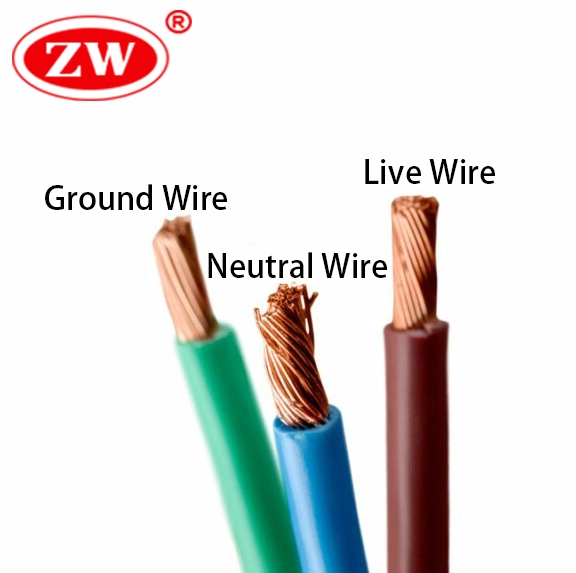
The International Electrotechnical Commission (IEC) sets global standards for electrical equipment and systems. In countries that follow IEC standards, which include most of Europe, Asia, and many other parts of the world, the neutral wire is typically colored blue. This is part of a system where:
- Blue signifies the neutral conductor.
- Brown signifies the live or hot conductor.
- Green and Yellow stripe signifies the protective earth (ground) conductor.
This blue standard is widely adopted and forms the basis for much of the world’s electrical wiring. The choice of blue is thought to be less likely to be confused with other common colors used in electrical systems, offering a clear distinction.
The North American Approach: White as the Standard
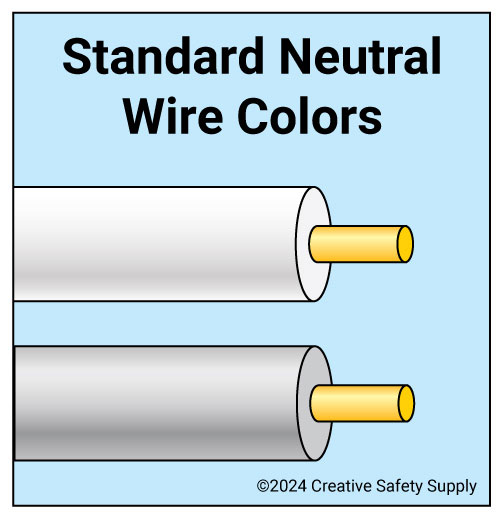
In North America (United States and Canada), a different set of standards prevails, primarily governed by the National Electrical Code (NEC) in the US and similar regulations in Canada. Here, the neutral wire is almost universally colored white. The North American system typically uses:
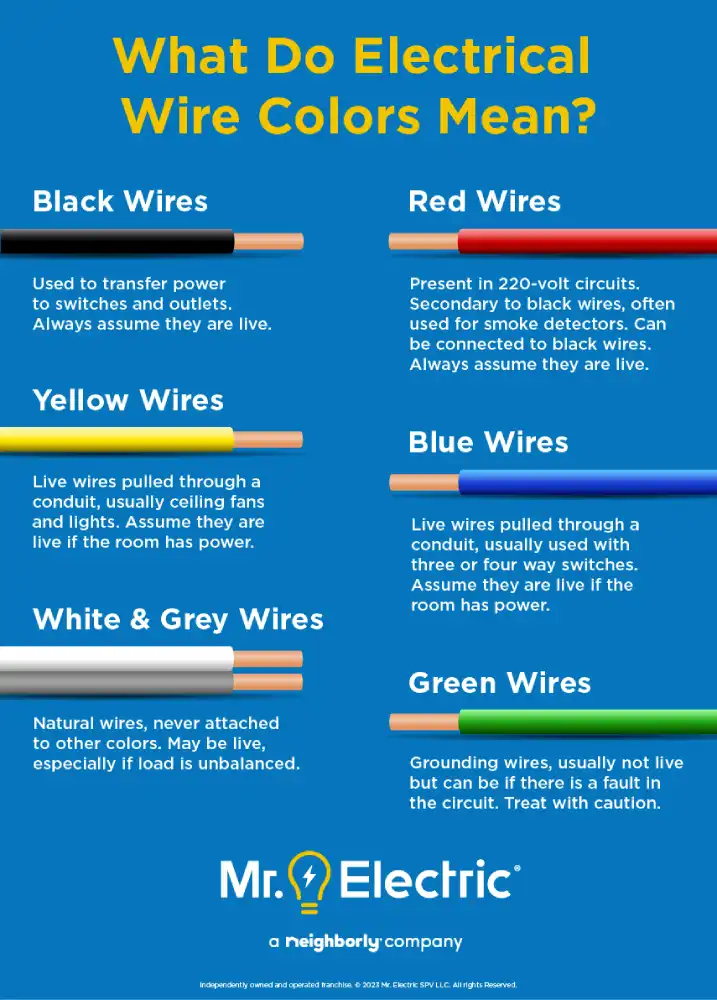
- White for the neutral conductor.
- Black for the hot or live conductor (though other colors like red, blue, or yellow are used for switched or multi-wire branch circuits).
- Green or Green and Yellow stripe for the protective earth (ground) conductor.
The prevalence of white for neutral in North America is deeply ingrained in the region’s electrical history and practices.
Other Regional and Older Standards: A Spectrum of Possibilities
While blue and white are the most common, other color codings have existed and may still be encountered, particularly in older installations or specific industrial applications.
- Gray: In some older US installations, gray was also used as a neutral wire color. While white has largely superseded it, older wiring might still feature gray neutral wires.
- Black (in specific contexts): While black is typically a hot wire in North America, in certain historical or specialized wiring configurations (e.g., some old two-wire systems where a ground was not present, or in some low-voltage DC applications), black could sometimes have been used for neutral. However, this is not standard practice for modern AC systems and should be treated with extreme caution.
- Red: While red is often used as a secondary hot wire in North American multi-wire branch circuits, in some European older installations, red could have been a neutral conductor. Again, this is less common with modern IEC standards.
The existence of these variations underscores the critical importance of verifying wire colors on-site rather than relying solely on assumed standards, especially when working with unfamiliar electrical systems or equipment.
Technological Implications and Safety Considerations in a Connected World
Understanding the color of the neutral wire extends beyond basic electrical knowledge; it has direct implications for the safe and efficient operation of the technologies we rely on daily. From the server farms that power the internet to the smart devices in our homes, proper wiring is fundamental.
Troubleshooting and Maintenance in Tech Environments
For IT professionals, network engineers, and data center technicians, electrical systems are an integral part of their operational environment. Power distribution units (PDUs), uninterruptible power supplies (UPS), and server racks all rely on correctly wired power cords and internal wiring.
- Identifying Faults: When a device loses power or exhibits erratic behavior, a quick visual inspection of power connections is often the first step. Knowing the expected color of the neutral wire in the region allows technicians to quickly identify potential issues like a loose connection on the neutral conductor, a miswired plug, or a fault within the power supply unit itself.
- Preventing Damage: Incorrectly plugging in a device, especially if it has different wiring standards between the plug and the receptacle, can be catastrophic. For example, plugging a device with a North American white neutral into a European blue neutral receptacle without proper adapter or understanding could potentially lead to the neutral and hot wires being swapped in a way that bypasses safety features or causes immediate damage. While modern power supplies often have built-in protection, it’s not always foolproof.
- Server Rack Management: In densely packed server racks, power cords are numerous and often routed in complex ways. Clear color-coding aids in managing these cables, ensuring that power is supplied correctly to each component and facilitating quick replacement of faulty power cords.
The Rise of Smart Homes and IoT Devices
The proliferation of smart home devices, the Internet of Things (IoT), and home automation systems has blurred the lines between traditional electrical work and consumer-level interaction with electrical systems. Many smart devices, such as smart plugs, smart thermostats, and smart lighting systems, require direct connection to mains power.
- DIY Installations: While many smart home installations are designed for DIY enthusiasts, understanding basic electrical safety is paramount. Incorrect wiring of a smart device can not only damage the device itself but also create fire hazards or pose a risk of electric shock. Knowing the neutral wire color in your region is a fundamental piece of this knowledge.
- International Product Compatibility: As consumers purchase smart devices from global marketplaces, they might encounter products designed for different electrical standards. Understanding the wiring conventions, including neutral wire color, helps in using appropriate adapters and ensuring safe operation.
Designing for Global Markets: A Manufacturer’s Perspective
For electronics manufacturers, designing products for a global market necessitates a deep understanding of international electrical codes and wiring conventions.
- Universal Power Cords: Many electronic devices come with universal power cords designed to accept a wide range of voltages and frequencies. However, the physical plug and the internal wiring of the connector must still conform to local standards. Manufacturers must ensure that their products’ power cords correctly identify the neutral, hot, and ground wires according to the destination market’s regulations.
- Compliance and Safety Certifications: Failing to adhere to correct wiring standards can lead to products failing safety certifications (e.g., UL in North America, CE in Europe), preventing them from being legally sold in those markets. This adds significant cost and time to product development.
Conclusion: The Enduring Importance of Fundamental Knowledge
The question “what color is the neutral wire” might seem deceptively simple, but it opens a window into the standardized world of electrical engineering that underpins all our technological advancements. While our focus in the tech industry often lies in the abstract realms of code, algorithms, and digital experiences, the physical infrastructure that enables these is built upon fundamental principles of electricity.
The neutral wire, though often unglamorous, is a critical component of every electrical circuit, facilitating the return path for current and playing a vital role in system operation. Its color, dictated by regional standards (predominantly blue in IEC regions and white in North America, with historical variations), is not a mere aesthetic choice but a crucial safety and identification marker.
For technologists, engineers, installers, and even tech-savvy consumers, understanding these basic electrical conventions is not just good practice; it’s a necessity. It ensures the safe installation and maintenance of equipment, prevents costly damage, and ultimately contributes to the reliable functioning of the digital world we inhabit. So, the next time you look at a power cord or a piece of electrical equipment, remember that the seemingly mundane colors of the wires tell a story of safety, standardization, and the fundamental principles that keep our technological society powered.
aViewFromTheCave is a participant in the Amazon Services LLC Associates Program, an affiliate advertising program designed to provide a means for sites to earn advertising fees by advertising and linking to Amazon.com. Amazon, the Amazon logo, AmazonSupply, and the AmazonSupply logo are trademarks of Amazon.com, Inc. or its affiliates. As an Amazon Associate we earn affiliate commissions from qualifying purchases.