
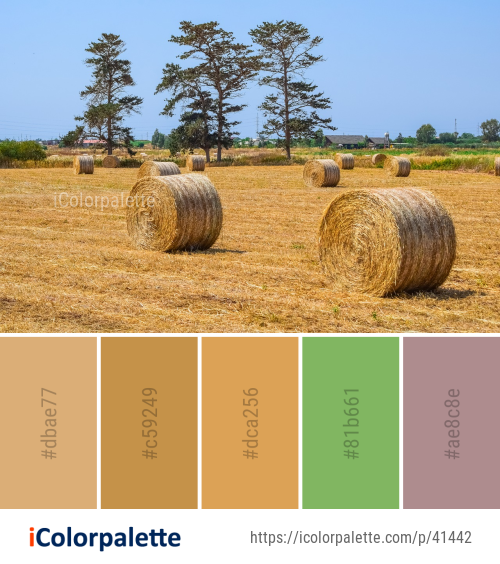
The seemingly simple question, “What color is hay?” belies a complex and profound financial indicator within the agricultural sector. Far from a mere aesthetic detail, the hue of baled forage is a critical barometer of its quality, nutritional value, and ultimately, its economic worth. For farmers, ranchers, and agribusinesses, understanding the subtle nuances of hay color is not just about animal nutrition; it’s about optimizing feed costs, maximizing livestock productivity, commanding market prices, and mitigating significant financial risks. In an industry where razor-thin margins can dictate success or failure, interpreting the visual cues of hay provides indispensable insights into asset value, investment returns, and sustainable profitability.
The Spectrum of Value: Understanding Hay Color and Its Quality Metrics
The color of hay is the most immediate and often the most reliable visual indicator of its quality and, by extension, its financial value. A vibrant, consistent color signals a well-cured product, whereas deviations can warn of nutrient degradation, spoilage, or even outright financial loss.
Green Gold: Optimal Color and Nutritional Density
The ideal color for hay is a bright, fresh green. This “green gold” signifies that the forage was harvested at the optimal stage of maturity and cured properly, largely preserving its chlorophyll content. From a financial perspective, green hay is paramount because it indicates high nutritional density. It retains crucial proteins, digestible energy, vitamins (especially Vitamin A precursors), and minerals that are essential for livestock health and productivity.
For producers, selling green hay translates directly into higher market prices due to its superior nutrient profile. For buyers, investing in green hay means healthier animals, which in turn leads to increased milk production in dairy cattle, faster weight gain in beef cattle, improved reproductive rates, and enhanced performance in horses. This reduces the need for costly supplemental feeds, minimizes veterinary expenses due to nutritional deficiencies, and ultimately improves the financial bottom line of livestock operations. The cost savings and productivity gains from feeding high-quality, green hay represent a significant return on investment.
The Telltale Tones: Yellow, Brown, and Bleached Hay
As hay quality diminishes, its color shifts, reflecting various degrees of nutrient loss and potential spoilage, each with distinct financial implications:
- Yellow Hay: Often results from moderate sun-bleaching during the curing process or slight over-maturity at harvest. While still generally acceptable for most livestock, yellow hay indicates some loss of chlorophyll and potentially a reduction in certain vitamins, notably Vitamin A. Financially, yellow hay typically fetches a lower price than bright green hay due to its slightly reduced nutritional value. Buyers may secure it at a discount, but they must factor in potential needs for supplementation.
- Brown Hay: A more concerning color, brown hay suggests significant nutrient degradation. This can occur due to excessive rain damage during curing, resulting in leaching of soluble nutrients, or, more critically, from overheating within the bale. Overheating, caused by baling hay with too high a moisture content, can lead to Maillard reactions, which reduce protein digestibility and overall energy content. From a financial standpoint, brown hay carries a lower market value and poses greater risks. Severe overheating can even lead to spontaneous combustion, representing a catastrophic financial loss of the entire hay inventory and potentially storage structures. Feeding brown hay can result in poor animal performance and increased feed conversion ratios, costing producers more to achieve target outcomes.
- Bleached or Washed-Out Hay: This pale, dull appearance is typically caused by prolonged exposure to sun and rain during storage, especially for hay stored outdoors without adequate cover. Bleaching indicates substantial nutrient loss, particularly soluble carbohydrates and vitamins. Financially, bleached hay is considered low-grade forage, commanding the lowest prices and often being difficult to sell. Its low nutritional value means animals will derive minimal benefit, increasing the reliance on expensive concentrates and supplements.
Dark and Dangerous: Black or Moldy Hay
The darkest hues of hay — black, dark gray, or hay mottled with white, green, or black patches — are clear indicators of severe spoilage and the presence of mold. This category represents a significant financial liability and health risk.
Mold growth occurs when hay is baled with excessive moisture and is not properly dried. These molds can produce mycotoxins, which are highly toxic to livestock. Feeding moldy hay can lead to a host of health problems, including respiratory issues, digestive disturbances, reduced feed intake, reproductive failures, and in severe cases, even death. The financial repercussions are immense: complete loss of the spoiled hay inventory, expensive veterinary treatments, reduced animal productivity, and potential mortality. Furthermore, selling moldy hay can lead to legal disputes and damage a producer’s reputation, affecting future sales and market access. In essence, black or moldy hay transforms a valuable asset into a costly liability.
Hay Color as a Market Indicator and Pricing Lever
In the competitive world of forage sales, the visual appeal of hay, particularly its color, serves as a primary driver of market value and a critical lever in pricing negotiations for both buyers and sellers.
Buyer’s and Seller’s Perspective: Valuing the Visual
From a buyer’s perspective, the color of hay is often the first, and sometimes the only, quality assessment they make during initial inspection. A vibrant, consistent green color instantly signals quality, proper curing, and higher nutritional value. This visual assurance reduces perceived risk, making buyers more willing to pay a premium price. Conversely, hay with off-colors (yellow, brown, bleached) immediately triggers suspicion about its nutritional content and potential for issues, leading buyers to demand discounts or reject the lot entirely. For a buyer, selecting hay by color is a financial decision aimed at securing optimal feed for their livestock while minimizing the risk of purchasing inferior product that could harm animal health or productivity.
For sellers, maintaining excellent hay color is paramount to maximizing revenue. High-quality, green hay commands higher prices, attracts a broader base of serious buyers, and facilitates quicker sales. A reputation for consistently producing visually appealing hay establishes trust and can lead to repeat business, further cementing financial stability. Poorly colored hay, on the other hand, forces sellers to reduce prices significantly, makes it harder to find buyers, and can result in prolonged storage costs and potential spoilage, directly impacting their profitability. The effort invested in achieving good hay color translates directly into enhanced marketability and financial returns.
Beyond the Bale: Integrating Color with Other Quality Tests
While color is undeniably the initial visual determinant of hay quality, savvy buyers and sellers understand its limitations. Professional transactions often integrate visual assessment with laboratory analyses to provide a comprehensive nutritional profile. Parameters such as Relative Feed Value (RFV), Acid Detergent Fiber (ADF), Neutral Detergent Fiber (NDF), and crude protein content offer a precise measure of nutritional value.
However, the financial relevance of color remains strong: it often dictates whether further testing is even pursued. A buyer is unlikely to invest in costly lab analysis for hay that visually appears to be of poor quality. Thus, good color acts as the “gatekeeper” to further consideration and negotiation. For sellers, investing in lab analysis for visually superior hay can validate its premium price, providing concrete data to justify a higher financial return. Conversely, lab tests for poor-colored hay might confirm its low value, helping sellers to price it appropriately to avoid disputes, or decide to hold it for a different use, minimizing further financial loss. The strategic use of both visual (color) and analytical data allows for more informed purchasing and pricing decisions, optimizing financial outcomes for all parties.
Regional Differences and Market Demand
The financial premium placed on hay color can also vary based on regional demands, local market conditions, and the specific livestock being fed. For instance, the dairy industry and high-performance horse markets typically place an extremely high premium on bright green, high-quality hay due to the exacting nutritional requirements of these animals. In these segments, even slight deviations in color can significantly impact market price and desirability.
Conversely, for maintenance feed for less demanding livestock (e.g., dry cows, goats, or for erosion control), the color might be a less stringent financial factor, and producers might be able to sell slightly off-color hay at a lower price point. Understanding these market nuances allows producers to tailor their production and marketing strategies. Investing in the infrastructure and techniques to consistently produce top-tier, green hay can unlock access to lucrative niche markets, offering a substantial financial advantage over producers who only aim for “good enough.”
Mitigating Financial Losses: Strategies for Optimal Hay Color and Preservation

The journey from standing forage to premium hay is fraught with challenges that can compromise color and, consequently, financial value. Implementing best practices in harvesting, curing, and storage is crucial for preserving quality and minimizing economic setbacks.
Timely Harvesting and Curing Techniques
The timing of harvest is paramount. Cutting forage at its optimal maturity stage (typically pre-bloom to early bloom for legumes, and boot stage for grasses) ensures a high concentration of nutrients and vibrant green color. Delaying harvest allows plants to mature further, reducing digestibility and protein content, and often leading to duller, less appealing hay.
Proper curing is equally critical. This involves reducing the hay’s moisture content quickly and uniformly to safe levels (typically 12-18% for baling). Techniques such as using hay conditioners to crimp stems, tedding to spread out cut forage, and raking into windrows all aim to expedite drying. The financial benefit here is twofold: rapid drying minimizes nutrient respiration losses in the field and reduces the risk of rain damage, which leaches nutrients and causes browning. Every rain shower on cut hay means a direct hit to its financial potential, reducing both its color and its market value. By optimizing these steps, producers can maximize the retention of that valuable green color and its associated nutritional and financial worth.
Storage Solutions and Their Economic Impact
Once baled, hay remains vulnerable to environmental degradation, making proper storage a significant financial decision.
- Indoor Storage (Barns, Sheds): This is the gold standard for preserving hay color and quality. Storing hay inside protects it from sun, rain, and ground moisture, which are primary causes of bleaching, browning, and mold. While constructing barns or sheds represents a substantial upfront capital investment, the long-term financial returns can be considerable. It minimizes spoilage, ensures consistent high-quality forage throughout the year, and allows producers to command premium prices, justifying the initial outlay. It’s an investment in asset preservation.
- Outdoor Storage (Covered vs. Uncovered): Storing hay outdoors without any cover is the riskiest and most financially detrimental approach. Exposed to the elements, the outer layers of bales will inevitably bleach, weather, and potentially mold, significantly reducing the usable quantity and quality of the hay. Even if the inner core remains somewhat intact, the overall market value plummets. Covering outdoor hay with tarps or specialized wraps offers a cost-effective compromise, protecting against rain and some sun exposure, thereby maintaining better color and reducing spoilage. The cost-benefit analysis of various storage methods is a crucial financial calculation for any hay producer, directly impacting the final usable quantity and quality of their harvest.
Technology’s Role in Quality Assurance
Technological advancements offer increasingly sophisticated tools to safeguard hay quality and, by extension, its financial value:
- Moisture Meters: These handheld devices are indispensable for accurately determining hay moisture content before baling. Baling hay too wet leads to mold and spontaneous combustion; too dry results in leaf shatter and nutrient loss. Precise moisture readings empower producers to bale at the optimal time, preventing costly spoilage and ensuring the preservation of color and nutrients, directly impacting the marketable yield.
- Temperature Probes: Essential for monitoring the internal temperature of haystacks. Elevated temperatures indicate ongoing microbial activity and the risk of spontaneous combustion – a catastrophic financial event that can destroy inventory, equipment, and structures. Regular temperature checks are a vital risk management strategy.
- Predictive Weather Analytics: Advanced weather forecasting models allow producers to make more informed decisions about harvest timing, minimizing exposure to unexpected rain and optimizing the drying process. This proactive approach significantly reduces the financial risk associated with weather-damaged hay.
Investment in Quality: The Long-Term Financial Returns
Considering hay color as a foundational element of quality is not merely about avoiding immediate losses; it’s about making strategic investments that yield substantial long-term financial returns across the entire agricultural enterprise.
Livestock Health and Productivity as a Bottom Line
The most direct financial benefit of producing and feeding high-quality, visually appealing hay is its profound impact on livestock health and productivity. Animals consuming nutrient-dense, green hay are healthier, more resilient, and perform better. This translates into:
- Reduced Veterinary Costs: Healthy animals are less prone to illness, significantly lowering expenditures on medications and vet services.
- Improved Reproductive Performance: Better nutrition supports higher conception rates, fewer stillbirths, and healthier offspring, directly enhancing the farm’s future stock and revenue potential.
- Higher Weight Gains and Milk Production: Efficient nutrient utilization from quality forage leads to faster growth rates in meat animals and increased milk yield in dairy operations, boosting market-ready output.
- Optimized Feed Conversion: Animals utilize nutrients from quality hay more efficiently, meaning less feed is wasted, and more financial value is extracted from each pound of forage.
These factors collectively contribute to a stronger bottom line, transforming feed quality from an expense into a strategic investment in animal capital.
Reputation and Repeat Business in the Forage Market
In any market, reputation is currency. For hay producers, consistently delivering high-quality, visually attractive hay — hay with that coveted green color — builds an invaluable reputation for reliability and excellence. This reputation:
- Attracts Premium Buyers: Producers known for quality can access discerning buyers who are willing to pay top dollar for guaranteed feed.
- Ensures Consistent Sales: A strong reputation reduces the effort and cost associated with finding buyers, leading to more predictable income streams.
- Fosters Repeat Business: Satisfied customers become loyal clients, reducing marketing expenses and providing a stable foundation for ongoing sales.
In essence, the investment in processes that ensure optimal hay color becomes an investment in brand equity, market trust, and sustainable financial growth within the agricultural community.
Risk Management and Insurance Considerations
The quality of hay, heavily reflected in its color, also plays a crucial role in risk management and insurance considerations. Poor-quality hay can lead to financial disputes between buyers and sellers, resulting in costly returns, rejections, or even legal action. Documenting hay quality, including visual assessments (color) and lab analysis, can serve as vital evidence in such scenarios, protecting the financial interests of both parties.
Furthermore, agricultural insurance policies related to crop loss, spoilage, or animal health issues may have clauses tied to feed quality. Understanding how hay quality (and thus its observable color) impacts these policies is essential. For instance, losses due to spontaneous combustion of poorly cured hay might be viewed differently by insurers than losses from external factors, highlighting the financial responsibility tied to quality control. Proactive management of hay quality, starting with its color, serves as a fundamental layer of financial risk mitigation.
Conclusion
The seemingly straightforward question, “What color is hay?” reveals itself as a profound financial query within the agricultural industry. The spectrum of hay colors—from vibrant green to dull brown or dangerous black—serves as a critical visual indicator of forage quality, nutritional integrity, and ultimately, economic value. For producers, maintaining optimal hay color through meticulous harvesting, curing, and storage techniques is an investment that translates directly into higher market prices, reduced spoilage, and a stronger reputation. For livestock operations, selecting high-quality, visually appealing hay means healthier, more productive animals, fewer veterinary expenses, and a significantly improved financial bottom line. In an industry where profitability often hinges on efficiency and shrewd decision-making, understanding and prioritizing the “green gold” of premium hay is not just good agricultural practice; it is an indispensable financial strategy that underpins sustained success and growth.
aViewFromTheCave is a participant in the Amazon Services LLC Associates Program, an affiliate advertising program designed to provide a means for sites to earn advertising fees by advertising and linking to Amazon.com. Amazon, the Amazon logo, AmazonSupply, and the AmazonSupply logo are trademarks of Amazon.com, Inc. or its affiliates. As an Amazon Associate we earn affiliate commissions from qualifying purchases.