
In the world of visual communication, color is never just an aesthetic choice; it is a psychological trigger. When we ask, “What color is envy?” the immediate, culturally ingrained answer is green. For brand strategists, designers, and marketers, this association is not a hurdle to be cleared but a potent tool to be harnessed. The “green with envy” idiom represents a complex spectrum of human emotion—ranging from the negative sting of jealousy to the positive pull of aspiration.
In brand strategy, leveraging the color of envy means understanding how to transform a consumer’s desire for what someone else has into a loyal commitment to a brand. Green occupies a unique space in the visible spectrum, sitting at the balance point between warm and cool tones. It is the color of nature, wealth, and growth, but it is also the color of competition and social signaling. By dissecting the nuances of this shade, brands can craft identities that resonate with the deepest drivers of consumer behavior.

The Green Paradox: From Natural Growth to Social Covetousness
To master the use of green in branding, one must first understand its inherent paradox. On one hand, green represents the organic world: vitality, health, and sustainability. On the other, it is the universal symbol for currency and the psychological weight of envy. This duality allows brands to position themselves as both ethical and aspirational, a combination that is increasingly valuable in the modern marketplace.
The Dual Identity of Green
The psychological impact of green depends heavily on its saturation and value. A soft, sage green communicates tranquility and wellness, often used by organic food brands or skincare lines to denote “clean” living. However, as the shade deepens into emerald or forest green, the message shifts toward prestige, tradition, and wealth. This is where the “envy” aspect begins to surface.
In a branding context, envy is not necessarily about malice; it is about the “upward social comparison.” When a consumer sees a brand associated with a deep, rich green, it often triggers a sense of established success. The brand isn’t just selling a product; it is selling a status that others will notice. This “perceived status” is the engine of envy-driven marketing.
Why Envy Drives Brand Engagement
In marketing theory, “benign envy” is a powerful motivator. Unlike “malicious envy,” which seeks to pull others down, benign envy inspires the observer to improve their own situation by acquiring the same goods or status as the person they admire. Brands that successfully navigate the “color of envy” use green to signal that their product is the key to closing that social gap.
When a luxury brand utilizes a specific shade of green—think of the iconic Rolex box or the British Racing Green of high-end automotive history—it creates a visual shorthand for achievement. The color becomes a badge. The envy of others confirms the value of the purchase for the owner, creating a feedback loop of brand desirability and social proof.
Leveraging Color Psychology to Create Aspirational Brands
Strategic branding requires more than just picking a color that “looks good.” It requires an understanding of how color affects the subconscious mind. Because green is the most restful color for the human eye to process, it can create a sense of security and trust, which is the necessary foundation for any aspirational purchase.
The Prestige of Emerald: Luxury and Exclusivity
Darker, jewel-toned greens like emerald and hunter green carry a historical weight of nobility and exclusivity. These colors are frequently used by brands that want to emphasize their heritage and “old money” sensibilities. In this niche, the color of envy is used to create a “walled garden” effect.
For a brand like Harrods or Jaguar, green signals a level of sophistication that is earned, not just bought. The envy generated here is rooted in the desire for history and permanence. By utilizing these shades, a brand positions itself as an heirloom rather than a commodity. The marketing strategy focuses on the “long-term value” and the “enviable legacy” the consumer inherits by joining the brand’s ecosystem.
The Vibrancy of Mint and Neon: Modernity and Disruption
On the opposite end of the spectrum, bright, high-chroma greens like mint or neon green represent a different kind of envy: the envy of being “first” or “in the know.” This is the green of the tech disruptor and the trendsetter. In this context, envy is driven by the fear of missing out (FOMO).
Modern fintech companies and digital-first brands often use vibrant greens to signal growth and a departure from traditional, “stodgy” blue-toned corporate identities. Here, the color of envy is about agility. The consumer wants to be seen as someone who understands the future of money or technology. The brand strategy is built on being the most modern, most efficient, and most enviable version of a service provider.
Designing for the ‘Envy Effect’
Applying the color of envy to a brand’s visual identity requires a surgical approach to design. It is not enough to simply use green; it must be framed in a way that highlights the product’s desirability.

Visual Hierarchy and Contrast
In brand design, green is often most effective when paired with neutrals or metallics. Gold and emerald green is a classic combination that screams luxury and high-stakes success. This pairing leverages the “wealth” aspect of green to heighten the sense of envy. Conversely, pairing a vibrant green with a stark black or deep charcoal creates a high-contrast look that feels cutting-edge and aggressive.
The goal of the visual hierarchy is to make the product the hero of the “envy narrative.” Whether it is a watch, a car, or a software interface, the green elements should guide the eye toward the “value proposition.” By using green as an accent or a primary brand color, designers can subconsciously signal that this specific touchpoint is where “growth” or “status” resides.
Social Proof and the ‘Fear of Missing Out’ (FOMO)
In the digital age, envy is amplified by social media. Brands that understand the “color of envy” design their packaging and physical assets to be “shareable.” A specific, recognizable shade of green can become a visual viral component. When a consumer sees a distinctive green shopping bag or a green-themed digital dashboard on their feed, the immediate recognition triggers a desire to participate.
This is the “unboxing” effect of brand strategy. The color is the first thing the viewer sees, and it immediately categorizes the brand in their mind. If the brand has successfully associated its specific green with quality and social standing, every social media post becomes an advertisement that leverages the envy of the viewer to build the brand’s equity.
Case Studies: Brands that Mastered the Palette of Jealousy
To see the “color of envy” in action, we can look at global leaders who have turned their specific shades of green into multi-billion dollar brand assets.
Rolex: The Gold Standard of Green
Rolex is perhaps the most prominent example of a brand that owns a shade of green. Their use of deep forest green is so consistent and so tied to their corporate identity that the color itself has become synonymous with “making it.” In the horological world, a Rolex “Green Dial” or “Green Bezel” often commands a higher resale value simply because of the color’s association with the brand’s prestige.
Rolex uses green to signify stability and triumph. It is the color of the winner’s circle. By strictly controlling the use of this color, they ensure that every time a consumer sees that specific shade, they think of the pinnacle of Swiss watchmaking. The envy here is quiet, dignified, and incredibly lucrative.
Starbucks: Transforming Utility into Community
Starbucks presents a different use of the color of envy. Their siren logo and deep green aprons are designed to create a “third place”—a space between home and work. While the envy here is less about “wealth” in the traditional sense, it is about the “lifestyle envy” of the urban professional.
The Starbucks green represents a consistent, accessible luxury. The envy is found in the “Starbucks experience”—the idea that by holding that green-logoed cup, you are part of a global, sophisticated community. They have successfully used green to bridge the gap between a commodity (coffee) and a lifestyle brand that people are proud to display.
Strategic Implementation: Choosing Your Shade of Success
For businesses looking to integrate the “color of envy” into their own brand strategy, the process must be intentional and data-driven.
Consistency Across Touchpoints
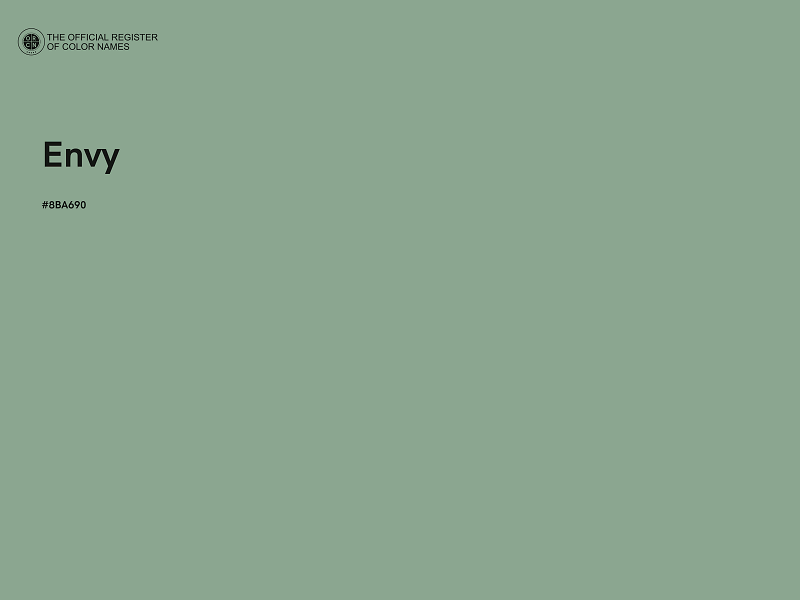
The power of a brand color lies in its repetition. If a company chooses a specific shade of green to evoke envy or aspiration, that shade must be identical across digital platforms, print materials, and physical products. Discrepancies in color can lead to a perception of low quality, which immediately kills the aspirational vibe. Brand guidelines must be rigorous in defining HEX, RGB, and Pantone matches to ensure the “psychological anchor” remains firm.
Testing Emotional Resonance
Before finalizing a brand’s “green,” it is essential to conduct market testing. Because green carries so many different meanings—from “eco-friendly” to “greedy”—the specific emotional resonance of a chosen shade can vary across demographics and cultures.
In some Western cultures, green is the color of money and envy; in some Eastern cultures, it represents youth and fertility. A brand strategy that ignores these cultural nuances risks sending the wrong signal. The goal is to ensure that the “envy” being generated is the benign, aspirational kind that leads to a purchase, rather than a negative association that alienates the target audience.
In conclusion, “What color is envy?” is more than a rhetorical question for a brand strategist. It is a starting point for building a visual identity that taps into one of the most powerful drivers of human behavior. By understanding the psychology of green—its capacity to signal wealth, growth, and social status—brands can move beyond simple recognition and move into the realm of true consumer desire. When a brand owns the color of envy, it doesn’t just sell a product; it sells a vision of who the consumer wants to become.
aViewFromTheCave is a participant in the Amazon Services LLC Associates Program, an affiliate advertising program designed to provide a means for sites to earn advertising fees by advertising and linking to Amazon.com. Amazon, the Amazon logo, AmazonSupply, and the AmazonSupply logo are trademarks of Amazon.com, Inc. or its affiliates. As an Amazon Associate we earn affiliate commissions from qualifying purchases.