
In an era increasingly shaped by technological innovation, even fundamental aspects of personal health, such as the color of our gums, are being re-evaluated through a digital lens. While traditionally a domain for manual inspection by dental professionals, technology is now empowering individuals and practitioners alike to understand, monitor, and maintain optimal oral health with unprecedented precision. The seemingly simple question, “what color gums are healthy,” unlocks a complex interplay of biological indicators, now augmented by cutting-edge tech that moves beyond mere visual assessment to provide data-driven insights.
The Digital Lens on Oral Health: Beyond the Naked Eye
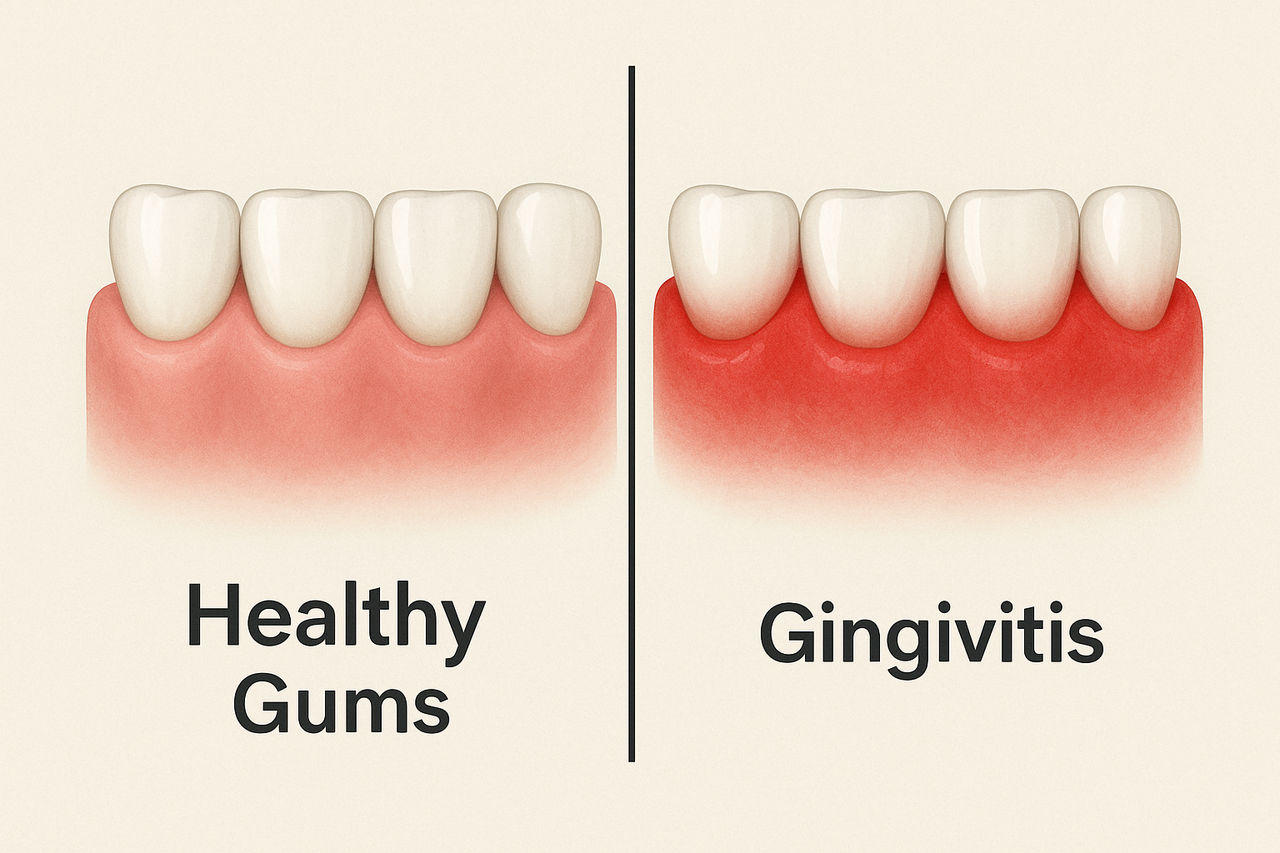
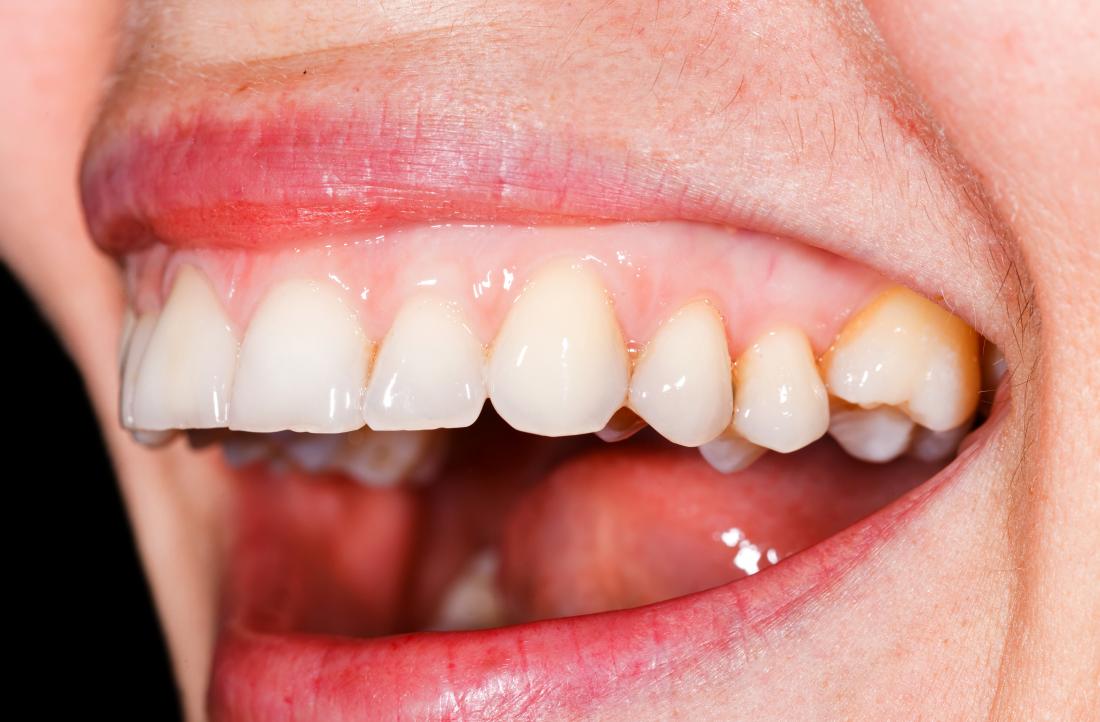
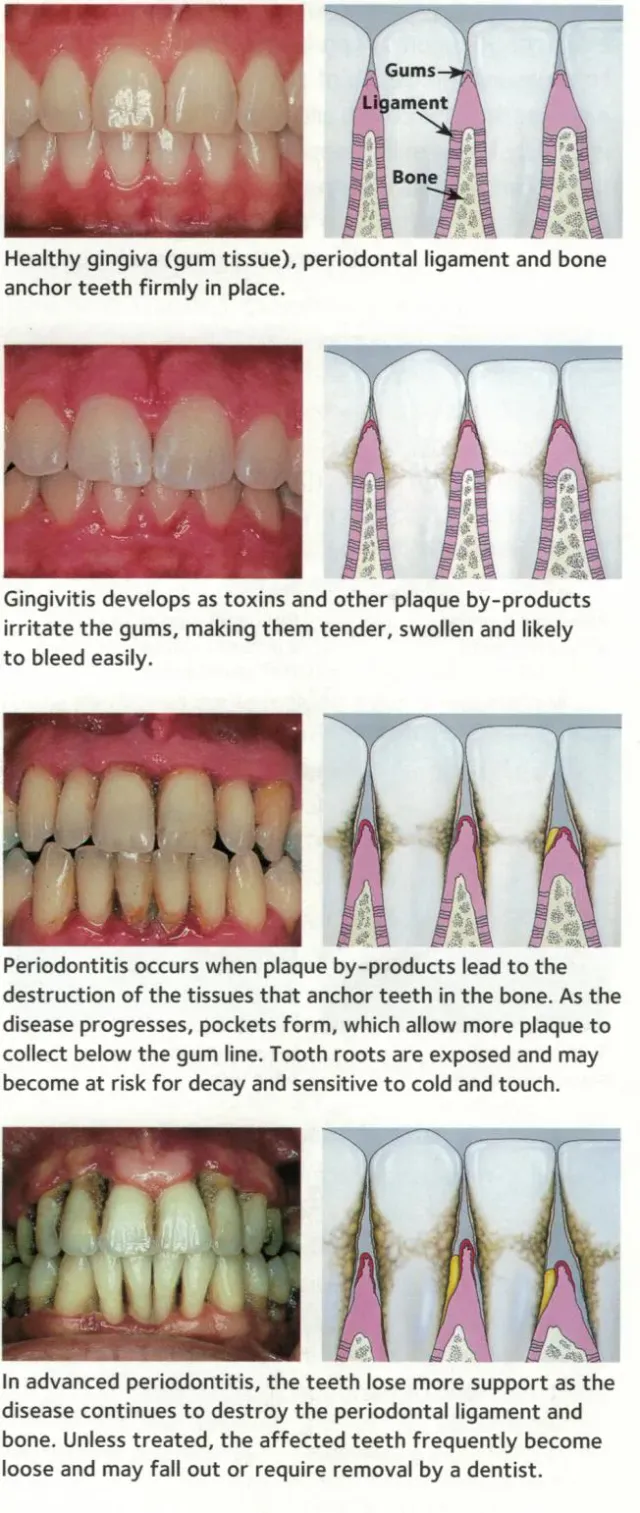
For centuries, assessing gum health relied primarily on visual inspection and tactile examination. Healthy gums are typically a shade of pink, firm, and do not bleed easily. Deviations to red, purple, or pale colors, alongside swelling or tenderness, often signal underlying issues. Today, technology is revolutionizing this diagnostic process, offering enhanced visualization, quantitative analysis, and early detection capabilities that surpass the limitations of the human eye.
AI-Powered Diagnostics for Gum Health
Artificial intelligence (AI) is rapidly becoming a cornerstone of advanced oral diagnostics. Machine learning algorithms are being trained on vast datasets of intraoral images, allowing them to identify subtle patterns indicative of gum disease (gingivitis or periodontitis) long before they become apparent to the untrained eye or even to some experienced professionals. AI tools can analyze factors such as gum texture, contour, and color variations with incredible accuracy, flagging areas of concern that might otherwise be missed during a routine check-up. These systems can provide quantitative scores for gum inflammation, predict disease progression, and even suggest personalized treatment pathways, significantly enhancing the precision of diagnosis. The ability of AI to process and interpret visual data at scale offers a consistent and objective assessment, reducing diagnostic variability and improving patient outcomes.
High-Resolution Imaging and Intraoral Cameras
Intraoral cameras have transformed the dental examination experience, moving beyond static X-rays to provide dynamic, high-definition views of the oral cavity. These miniature, wand-like devices capture incredibly detailed images and video footage of gums, teeth, and other soft tissues, projecting them onto a screen for both the patient and dentist to review. This visual clarity allows for precise identification of plaque buildup, calculus, early signs of inflammation, recession, and subtle color changes. Magnification capabilities expose microscopic details that would be invisible during a standard visual examination. Furthermore, advanced imaging systems can utilize specific light wavelengths (e.g., fluorescence imaging) to highlight bacterial activity or early lesions, providing a deeper diagnostic insight into the physiological state of the gums. This technology not only aids in accurate diagnosis but also serves as a powerful patient education tool, helping individuals visualize and understand their oral health status, fostering greater compliance with hygiene recommendations.
Smart Devices and Wearables: Proactive Gum Care
The proliferation of smart devices and wearables has extended oral health monitoring beyond the dental office and into daily life. These personal tech tools empower individuals to take a more proactive role in maintaining their gum health, often providing real-time feedback and data-driven insights that can prevent issues from escalating.
Connected Toothbrushes and Oral Hygiene Trackers
Smart toothbrushes are perhaps the most widespread example of personal oral health tech. Equipped with sensors, accelerometers, and Bluetooth connectivity, these devices track brushing duration, pressure, coverage, and frequency. Companion apps translate this data into actionable insights, guiding users to improve their brushing technique. For gum health, specific metrics like excessive pressure (which can lead to gum recession) or inadequate coverage (leading to plaque buildup and gingivitis) are particularly relevant. Some advanced models even incorporate AI to map the mouth in real-time, ensuring no area is neglected. By providing immediate feedback and historical data, these devices help users consistently maintain the optimal brushing habits necessary for healthy, pink gums, flagging potential areas of concern that warrant a closer look by a professional.
Wearable Sensors for Early Detection
Beyond toothbrushes, the landscape of wearables for health monitoring is expanding to include more sophisticated sensors that could impact gum health. While still an emerging field, research is exploring wearable sensors that can detect biomarkers in saliva indicative of inflammation or early disease. These miniature, non-invasive devices, potentially integrated into dental retainers or other oral appliances, could continuously monitor subtle physiological changes related to gum health. Imagine a sensor that could detect elevated levels of inflammatory markers or specific bacterial DNA associated with periodontitis before any visible symptoms like redness or swelling appear. Such technology promises truly personalized and preventative care, allowing for intervention at the earliest possible stage, thereby preserving gum tissue and preventing more severe complications.
Telehealth and Remote Monitoring: Bridging the Dental Divide
Telehealth has emerged as a critical tool, especially in expanding access to dental care and facilitating continuous monitoring. For gum health, teledentistry offers a convenient and efficient way to consult with professionals, receive advice, and track progress without needing frequent in-person visits.
Virtual Consultations and Diagnostic Support
Virtual consultations allow patients to connect with dentists and periodontists remotely via secure video conferencing platforms. Patients can share images or videos of their gums, describe symptoms, and receive preliminary assessments or urgent advice. This is particularly valuable for individuals in remote areas, those with mobility issues, or for follow-up appointments. AI-powered diagnostic support can be integrated into these platforms, allowing practitioners to upload patient-provided images for AI analysis, cross-referencing with clinical data, and improving the accuracy of remote diagnoses. This model facilitates quicker access to expertise, helping to determine if a gum issue requires immediate in-person attention or can be managed with at-home care and monitoring.
Data-Driven Insights for Personalized Care
Remote monitoring leverages smart device data (from connected toothbrushes, for instance) alongside patient-reported symptoms and images to provide a comprehensive, longitudinal view of gum health. Dental professionals can access this aggregated data through secure portals, allowing them to track trends, identify potential risks, and tailor recommendations more effectively. This continuous data stream moves beyond episodic care, enabling a truly personalized approach to gum health management. For instance, if a patient consistently brushes too hard in a particular area, leading to gum irritation, the dentist can intervene with specific advice or recommend a different brushing technique based on objective data. This proactive, data-driven strategy ensures that care is responsive to individual needs, promoting sustained gum health.
Future Frontiers: AI, VR, and Robotics in Periodontal Health
The horizon of dental technology promises even more transformative tools for understanding and preserving gum health, with AI, virtual reality (VR), and robotics leading the charge.
Predictive Analytics for Gum Disease Risk
Building on current AI capabilities, future systems will likely move beyond just diagnosing existing conditions to predicting the risk of developing gum disease. By integrating genetic data, lifestyle factors, microbiome analysis, and continuous monitoring data, advanced AI algorithms could identify individuals at high risk for periodontal issues well in advance. This predictive analytics approach would enable hyper-personalized prevention strategies, including tailored dietary advice, specific oral hygiene regimens, and targeted interventions before any signs of disease manifest. Imagine receiving a notification that your genetic predisposition combined with your current lifestyle choices puts you at a higher risk for gum recession, prompting early preventative measures.
Virtual Reality for Dental Education and Training
Virtual Reality (VR) is already making strides in medical education and surgical training, and its application in dentistry, particularly for patient education and professional training in periodontology, is gaining traction. VR simulations can offer immersive experiences that allow patients to visualize the impact of gum disease, understand proper brushing and flossing techniques in a 3D environment, or even “experience” a complex periodontal procedure before undergoing it. For dental students and professionals, VR provides a risk-free environment to practice intricate gum surgeries, refine diagnostic skills, and learn about the nuances of gum tissue health, ultimately leading to more skilled practitioners and better patient care.
Protecting Your Digital Oral Health Data: Security and Privacy
As technology increasingly integrates into sensitive areas like oral health, the security and privacy of personal health information become paramount. The digital transformation of gum health management necessitates robust safeguards to protect patient data.
Ensuring HIPAA Compliance in Teledentistry
In regions like the United States, healthcare providers utilizing teledentistry platforms must rigorously adhere to regulations such as the Health Insurance Portability and Accountability Act (HIPAA). This means ensuring that all digital communication, data storage, and transmission of patient information are encrypted, secure, and protected from unauthorized access. Teledentistry platforms must implement stringent authentication protocols, secure servers, and comprehensive data breach prevention measures to maintain patient trust and legal compliance. The integrity of diagnostic images, video consultations, and personal health data is critical for accurate care and patient confidence.
The Ethical Implications of AI in Health Diagnostics
The increasing reliance on AI for gum health diagnostics also brings significant ethical considerations. Ensuring that AI algorithms are developed and deployed without bias is crucial, as skewed training data could lead to misdiagnoses for certain demographics. Transparency in how AI makes its diagnostic recommendations, accountability for AI-assisted errors, and the ongoing need for human oversight remain key ethical challenges. While AI offers incredible potential to enhance diagnostic accuracy and accessibility, it must always serve as a tool to augment, rather than replace, the judgment and empathetic care of human dental professionals. Protecting patient privacy, ensuring data security, and upholding ethical AI practices are foundational to leveraging technology responsibly in the quest for healthy gums.
aViewFromTheCave is a participant in the Amazon Services LLC Associates Program, an affiliate advertising program designed to provide a means for sites to earn advertising fees by advertising and linking to Amazon.com. Amazon, the Amazon logo, AmazonSupply, and the AmazonSupply logo are trademarks of Amazon.com, Inc. or its affiliates. As an Amazon Associate we earn affiliate commissions from qualifying purchases.