
Dark green is a color of profound depth and versatile appeal, making it a powerful choice for brands aiming to convey a specific set of values. When contemplating “what color goes well with dark green,” the inquiry extends beyond mere aesthetics; it delves into strategic brand psychology, design principles, and the art of crafting a cohesive visual identity. The right color pairings can amplify dark green’s inherent strengths, refine its message, and ensure a memorable, impactful brand presence.
The Psychology of Dark Green in Branding
To effectively pair colors with dark green, it’s essential to first understand the psychological associations it evokes. Dark green is not just a hue; it’s a statement, steeped in rich connotations that can profoundly influence brand perception.

Stability, Growth, and Sophistication
One of the most potent psychological effects of dark green is its immediate connection to stability, growth, and prosperity. It’s the color of flourishing nature, abundant wealth, and deep-rooted endurance. For brands, this translates into an image of reliability, tradition, and established authority. Financial institutions, luxury brands, and long-standing enterprises often lean on dark green to communicate trustworthiness, security, and a timeless sense of sophistication. It suggests a brand that is enduring, wise, and capable of sustained success, appealing to audiences who value heritage, quality, and a sense of calm assurance. This depth of character makes dark green an anchor color, providing a solid foundation upon which a brand’s visual identity can be built.
Eco-Consciousness and Natural Appeal
Beyond its association with wealth and stability, dark green has an undeniable link to the natural world. It evokes images of lush forests, verdant landscapes, and the vital energy of the earth. This makes it an intuitive choice for brands championing eco-friendly practices, organic products, sustainability, or wellness. Brands in the health, outdoor, and environmental sectors leverage dark green to communicate authenticity, a commitment to natural ingredients, and a responsible, ethical approach. It signals a brand that is grounded, wholesome, and in harmony with nature, resonating deeply with environmentally conscious consumers. This natural appeal also lends an air of freshness and vitality, suggesting products or services that are pure, invigorating, and beneficial for well-being.
Strategic Color Pairings for Dark Green
Selecting complementary colors for dark green is about creating a harmonious, impactful palette that reinforces your brand’s core message. The goal is to choose colors that either provide elegant contrast, enhance its natural qualities, or introduce a strategic accent.
Elegant Neutrals: Cream, Beige, and Gray
Neutrals are the backbone of many sophisticated brand palettes, offering a refined backdrop that allows primary colors to shine. When paired with dark green, cream, beige, and various shades of gray create an aura of understated elegance and professionalism.
- Cream and Beige: These warm neutrals soften dark green’s intensity, introducing a welcoming, natural warmth. Cream, with its subtle yellow undertone, can evoke a vintage charm or a luxurious, gentle feel, perfect for brands emphasizing comfort, artisanal quality, or classic elegance. Beige offers a slightly more grounded, earthy feel, suggesting authenticity and simplicity. Together, they create a sophisticated, approachable palette often seen in high-end lifestyle brands, natural skincare, or interior design firms.
- Gray (Warm and Cool): Gray provides a contemporary and versatile partner. A charcoal or slate gray can amplify dark green’s seriousness and sophistication, creating a very professional and corporate look, suitable for consulting firms or technology companies seeking a refined edge. Lighter grays can offer a modern, airy feel, allowing dark green to feel less heavy. The key is to consider the undertones: warm grays harmonize well with dark green’s earthy qualities, while cool grays can lend a sleek, minimalist aesthetic.
Earthy Tones: Browns and Terracottas
To deepen dark green’s connection to nature and heritage, pairing it with other earthy tones is highly effective. These combinations speak of authenticity, craftsmanship, and a grounded presence.
- Rich Browns: From deep chocolate to warm tan, browns naturally complement dark green, reinforcing its organic and stable associations. This pairing is excellent for brands related to woodworking, outdoor adventure gear, natural foods, or traditional craftsmanship. It creates a robust, trustworthy, and ruggedly elegant feel, suggesting enduring quality and a connection to the earth’s raw beauty.
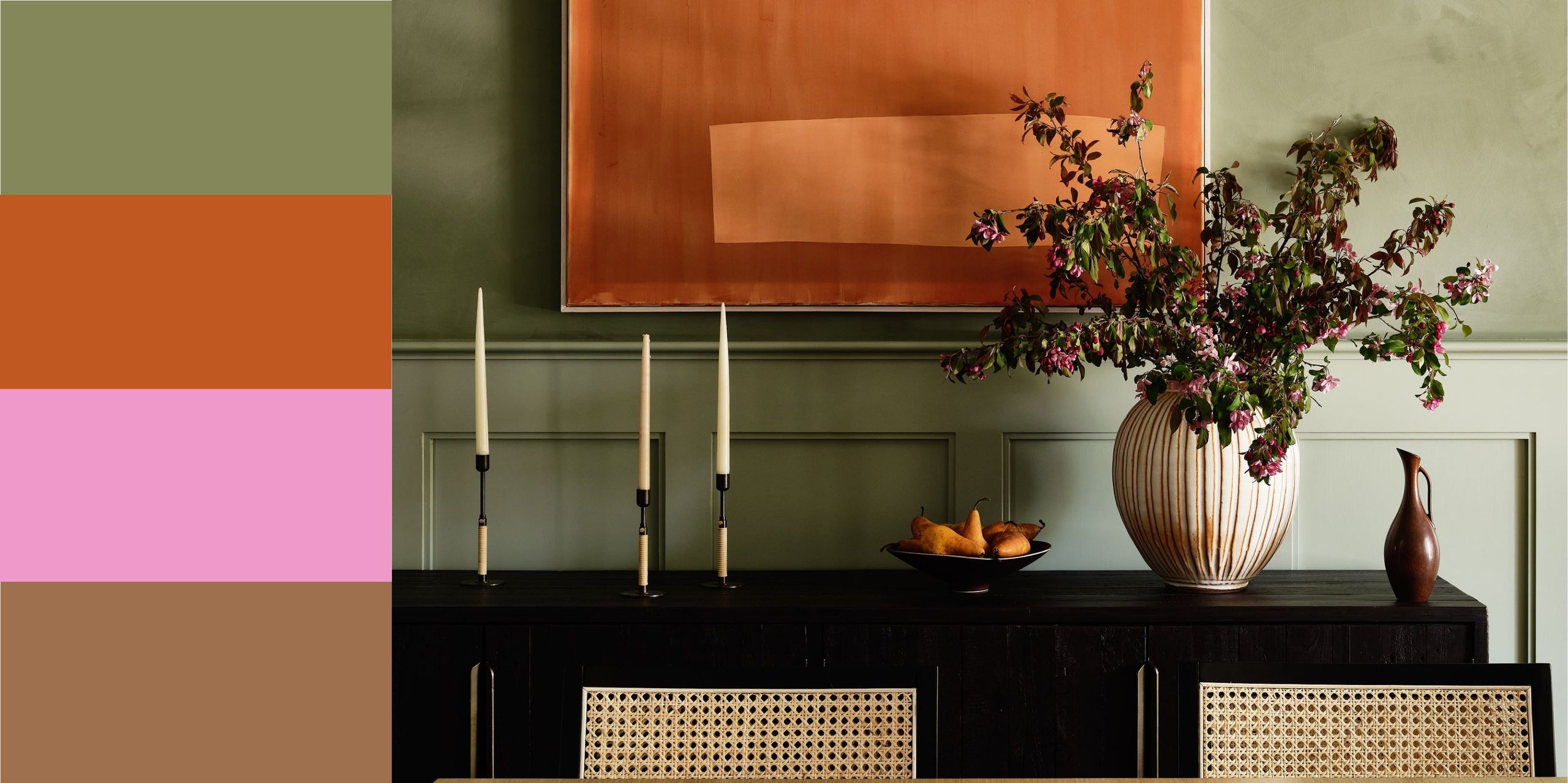
- Terracotta: This reddish-brown hue adds a rustic warmth and an artistic, handmade touch to a dark green palette. Terracotta can introduce a subtle pop of color without clashing, evoking Mediterranean landscapes, artisanal pottery, or traditional architecture. It’s ideal for brands wanting to convey a sense of heritage, warmth, and a unique, artistic flair, often found in home goods, specialty foods, or bespoke services.
Vibrant Accents: Gold, Copper, and Mustard
For brands looking to infuse dark green with a touch of luxury, energy, or creative flair, strategic use of vibrant accent colors is crucial. These colors should be used sparingly to draw attention and highlight key elements.
- Gold and Copper: These metallic hues are synonymous with luxury, prestige, and quality. Gold, in particular, elevates dark green to a premium status, often seen in high-end fashion, jewelry, or exclusive services. It suggests success, elegance, and a regal touch. Copper offers a slightly warmer, more rustic yet refined metallic sheen, implying craftsmanship, authenticity, and a modern edge often found in boutique distilleries or bespoke design.
- Mustard Yellow: This deep, warm yellow injects a vintage, artistic, or energetic twist. Mustard can add a sense of playful sophistication or creative confidence when used as an accent. It provides a striking contrast that can make a brand feel more dynamic and approachable without losing dark green’s inherent stability. It’s well-suited for creative agencies, sustainable fashion, or brands seeking a retro-chic appeal.
Cool Complements: Teal, Navy, and Slate Blue
Exploring analogous colors on the color wheel—hues adjacent to green—can create harmonious and sophisticated palettes. Teal, navy, and slate blue offer cool, composed complements that can expand dark green’s narrative.
- Teal: This captivating blend of blue and green adds a refreshing, modern vibrancy. Teal enhances dark green’s natural elements while introducing a subtle oceanic or technological edge. It creates a serene yet energetic feel, perfect for wellness brands, modern eco-conscious companies, or innovative service providers looking for a unique, calming yet dynamic identity.
- Navy Blue: A classic pairing, navy blue reinforces dark green’s professionalism, trustworthiness, and depth. This combination is inherently authoritative and traditional, ideal for corporate entities, educational institutions, or legal services. It conveys serious intent, reliability, and a conservative strength that resonates with established trust.
- Slate Blue: A muted, sophisticated blue-gray, slate blue offers a subtle contrast that maintains a calm and elegant demeanor. It can make a dark green palette feel more contemporary and less overtly natural, providing a balanced, intelligent, and refined aesthetic for tech companies, architectural firms, or high-end design services.
Subtle Contrasts: Soft Pinks and Lavenders
For brands aiming for a distinctive, modern, and memorable identity that breaks from conventional pairings, introducing subtle contrasting colors can be highly effective.
- Soft Pinks (Blush, Rose): While seemingly counterintuitive, a soft, muted pink can introduce a gentle, approachable, or even unexpected feminine touch to dark green. It softens dark green’s intensity, creating a sophisticated and unique balance often found in contemporary fashion, beauty, or lifestyle brands seeking to merge strength with delicacy.
- Lavender or Muted Lilac: These hues bring an element of creativity, calm, and luxury. Lavender, with its soothing yet intriguing quality, can elevate dark green, making the brand feel innovative, thoughtful, and premium. This pairing is ideal for brands in creative industries, unique wellness offerings, or products that emphasize artistry and introspection.
Crafting a Cohesive Brand Palette
Beyond selecting individual colors, successful branding requires integrating them into a cohesive system that governs all visual communication.
The 60-30-10 Rule for Brand Design
A practical guideline for balancing colors within a brand’s visual identity is the 60-30-10 rule. This principle suggests that 60% of your visual presence should be your dominant color, 30% a secondary color, and 10% an accent color. For a dark green brand:
- Dark Green as Dominant (60%): If your brand identity heavily relies on dark green’s stability and natural associations, it might serve as the primary color for backgrounds, large graphics, or significant branding elements.
- Dark Green as Secondary (30%): If you prefer a lighter, more neutral primary color (like cream or light gray), dark green can provide the crucial depth and brand identity as the secondary color, used for headers, key graphics, or product highlights.
- Accent Color (10%): The vibrant accents like gold, copper, or mustard are perfectly suited for this role, drawing attention to calls-to-action, important details, or adding a touch of luxury.
Adhering to this rule helps create visual hierarchy, prevent a palette from becoming overwhelming, and ensures a balanced, professional appearance across all brand touchpoints.
Accessibility and Readability Considerations
In the digital age, color choices for branding extend beyond aesthetics to crucial accessibility requirements. When pairing dark green with other colors, especially for text or interactive elements, ensuring sufficient contrast is paramount. Web Content Accessibility Guidelines (WCAG) recommend specific contrast ratios to make content readable for individuals with visual impairments. This means avoiding low-contrast pairings (e.g., dark green text on a very dark gray background) and prioritizing clarity. A beautifully designed brand is incomplete if it’s not accessible to all users, underscoring the importance of thoughtful color contrast in both print and digital applications.
Case Studies: Dark Green in Successful Brands
Observing how various industries successfully employ dark green and its complementary colors offers tangible inspiration.
- Sustainable Luxury Brand: Imagine a brand of high-end organic skincare. Their primary color might be a deep forest green (60%), paired with rich gold accents for product typography and packaging details (10%), set against creamy, off-white backgrounds (30%) on their website and print materials. This palette communicates both opulence and a commitment to natural, ethical ingredients.
- Artisanal Coffee Roastery: A brand focused on ethically sourced, handcrafted coffee could use a dark olive green as its dominant color (60%), combined with earthy terracotta for illustrations and packaging elements (30%), and a subtle mustard yellow as an accent for call-to-action buttons or special product highlights (10%). This evokes a sense of tradition, warmth, and grounded authenticity.
- Modern Financial Advisory: A fintech startup aiming for trust and innovation might use a sophisticated hunter green as a secondary color (30%), complementing a sleek charcoal gray primary (60%) for their main interface. A vibrant teal or copper could serve as a carefully placed accent (10%) for interactive elements, signaling forward-thinking reliability.

Implementing Your Dark Green Palette Across Channels
Once the ideal dark green palette is defined, consistent implementation is the linchpin of a strong brand identity. Every visual element, regardless of the medium, must reflect the chosen color scheme.
- Omnichannel Consistency: From your logo and website to social media graphics, product packaging, physical signage, employee uniforms, and marketing collateral, the chosen dark green and its complementary colors must be applied uniformly. Inconsistency can dilute brand recognition and confuse your audience, undermining the strategic choices made in your palette development.
- Digital vs. Print Nuances: Be mindful of the differences in color reproduction between digital (RGB) and print (CMYK) mediums. Ensure your brand guidelines include specific color codes for both, and conduct test prints to verify accuracy. Calibrated monitors and professional printing partners are essential to maintain color integrity across all platforms.
- Emotional Resonance: Ultimately, the success of your dark green palette lies in its ability to resonate emotionally with your target audience. Does it convey the desired feelings? Does it align with your brand’s core values and aspirations? A well-chosen color palette should not merely look good; it should feel right, fostering an intuitive connection that strengthens brand loyalty and recognition over time.
By carefully considering the psychology of dark green and strategically selecting its companions, brands can construct a visual identity that is not only aesthetically pleasing but also powerfully communicates their essence, values, and promises.
aViewFromTheCave is a participant in the Amazon Services LLC Associates Program, an affiliate advertising program designed to provide a means for sites to earn advertising fees by advertising and linking to Amazon.com. Amazon, the Amazon logo, AmazonSupply, and the AmazonSupply logo are trademarks of Amazon.com, Inc. or its affiliates. As an Amazon Associate we earn affiliate commissions from qualifying purchases.