
For individuals managing kidney disease, every healthcare decision comes with an added layer of complexity. This complexity isn’t limited to medical safety and efficacy; it extends profoundly into the financial realm. A colonoscopy, a vital screening and diagnostic tool, requires meticulous preparation, and for kidney patients, selecting the “best” prep often involves a delicate balance between medical suitability and financial prudence. This guide delves into the economic landscape surrounding colonoscopy prep for kidney patients, offering a comprehensive look at how to navigate costs, leverage financial tools, and make informed decisions that safeguard both health and financial well-being.

The Unique Financial Landscape for Kidney Patients
Kidney disease, particularly in its advanced stages, is a chronic condition that places a substantial and often debilitating financial burden on patients and their families. Understanding this unique economic environment is the first step toward making financially sound healthcare choices, including those related to preventative screenings like colonoscopies.
Chronic Disease and Healthcare Costs
Living with kidney disease means continuous medical management, which includes regular doctor visits, specialized medications, dietary restrictions, and potentially dialysis or transplantation. These ongoing needs translate into high out-of-pocket expenses, even for those with robust insurance. Deductibles, co-pays, and co-insurance for chronic care can quickly accumulate, eroding savings and creating significant financial stress. When additional procedures like a colonoscopy become necessary, these costs compound, making the “best” choice not just about clinical outcomes but also about affordability and accessibility. Financial planning for kidney patients, therefore, must be proactive and comprehensive, integrating both routine care and intermittent procedures.
The Intersection of Kidney Disease and Preventative Care Expenses
Preventative care, such as colonoscopies, is crucial for early detection and treatment of conditions like colorectal cancer, which can have even more severe health and financial repercussions if overlooked. However, for kidney patients, the cost of preventative screenings can feel like an extra strain on an already stretched budget. The prescribed colonoscopy prep, while seemingly a minor component, can vary significantly in price. Furthermore, the need for specialized preps due to compromised kidney function might limit options, potentially steering patients towards more expensive alternatives. Evaluating the cost-effectiveness and insurance coverage of different prep regimens becomes essential, as patients must weigh the immediate cost of the prep against the long-term benefits of early disease detection and the avoidance of potentially more expensive future treatments.
Deconstructing the Costs of Colonoscopy Prep
The cost of colonoscopy preparation isn’t a monolithic figure; it’s a composite of various elements. For kidney patients, understanding these components is crucial to identifying the most financially viable option that aligns with their medical needs.
Understanding Different Prep Regimens and Their Price Tags
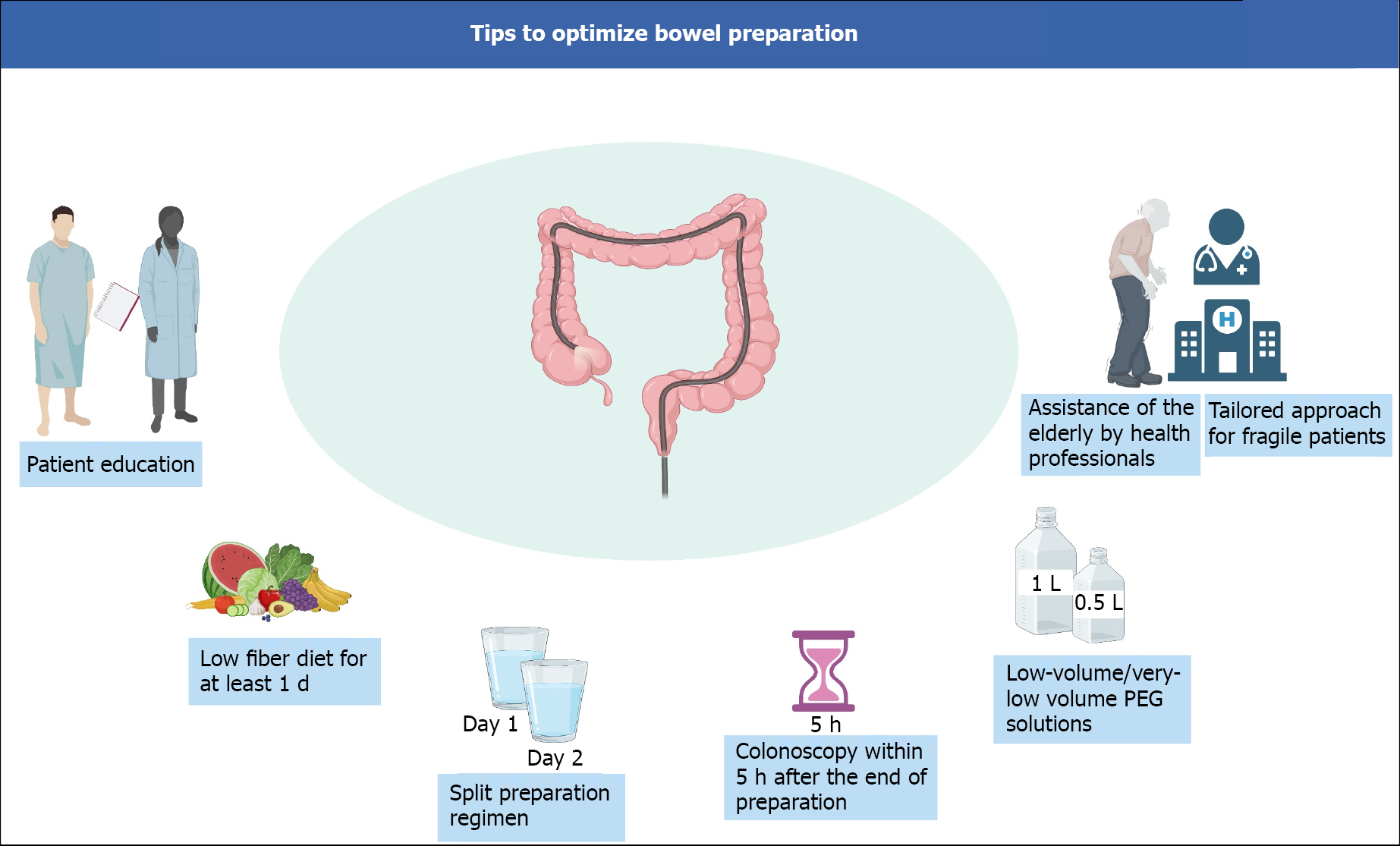
Colonoscopy preps primarily fall into two categories: high-volume (e.g., polyethylene glycol solutions) and low-volume (e.g., sodium picosulfate with magnesium citrate, or phosphate-based solutions). For kidney patients, phosphate-based preps are generally avoided due to the risk of electrolyte disturbances. This often narrows the field to specific polyethylene glycol (PEG) solutions, which are safer but can vary in brand and formulation.
The price difference between these options can be significant. Generic PEG solutions are typically the most affordable, often costing anywhere from $20 to $60. Brand-name versions or specialized low-volume preps, while potentially offering greater convenience, can range from $70 to $150 or more out-of-pocket, depending on the pharmacy and insurance coverage. Comparing these costs directly and discussing generic alternatives with your physician and pharmacist is a key step in financial optimization.
Beyond the Medication: Hidden Costs of Procedure Preparation
The direct cost of the prep solution is just one piece of the puzzle. Patients must also account for other potential expenses. These can include:
-
Prescription Co-pays: Even with insurance, a co-pay for the prep medication will apply.
-
Dietary Adjustments: The clear liquid diet required before a colonoscopy might necessitate purchasing specific items like broths, gelatin, clear juices, and sports drinks. While seemingly minor, these can add up, especially if they are not typically part of a patient’s regular grocery list.
-
Transportation: Travel to and from the procedure, including potential ride-sharing services if a patient cannot drive themselves post-sedation, incurs costs.
-
Lost Wages: Taking time off work for the prep day and the procedure day can result in lost income, a critical consideration for hourly wage earners or those without generous paid time off.
-
Follow-up Appointments: If the colonoscopy reveals findings that require further investigation, additional doctor visits and potential procedures will follow, each with its own financial implications.
A holistic financial assessment should consider all these factors to paint a true picture of the overall cost of a colonoscopy for a kidney patient.
Generic vs. Brand-Name Preps: A Cost-Benefit Analysis
The choice between a generic and a brand-name colonoscopy prep often boils down to a balance of cost, perceived convenience, and physician preference. From a purely financial standpoint, generic versions nearly always offer substantial savings without compromising medical efficacy for the vast majority of patients. For kidney patients, the key is to ensure the generic formulation is still renally safe and approved by their nephrologist.
-
Financial Benefit: Generic medications are often 80-85% cheaper than their brand-name counterparts. This difference can be critical for kidney patients managing numerous other prescriptions.
-
Efficacy and Safety: Regulatory bodies ensure that generic drugs contain the same active ingredients, strength, dosage form, and route of administration as brand-name drugs and meet the same standards for quality and purity. Provided the physician confirms its suitability for kidney function, a generic prep is typically just as effective.
-
Discussion with Provider: Always discuss generic alternatives with your gastroenterologist and nephrologist. They can confirm if a generic prep is appropriate given your specific kidney function and overall health profile, ensuring that the cost savings do not come at the expense of safety or effectiveness.
Navigating Insurance and Reimbursement Challenges
For kidney patients, insurance coverage is a lifeline, yet understanding its nuances is paramount to managing colonoscopy prep costs. The complexities of deductibles, co-pays, and specific coverage policies can be daunting.
Coverage Specifics: What to Ask Your Provider
Before scheduling a colonoscopy, contact your insurance provider to clarify what is covered. Key questions to ask include:
-
Is the colonoscopy considered preventative screening or diagnostic? Preventative screenings are often covered at 100% with no cost-sharing under the Affordable Care Act (ACA), but if a polyp is found and removed, it may shift to diagnostic and incur patient responsibility.
-
What is the coverage for the colonoscopy prep medication? This is often covered under your prescription drug benefits. Inquire about preferred drug lists, tier levels, and potential pre-authorization requirements for specific preps, especially if a more expensive brand-name product is prescribed.
-
Are there any specific facilities or providers that are in-network for the procedure? Out-of-network services can lead to significantly higher out-of-pocket costs.
-
What is my current deductible status and out-of-pocket maximum? Knowing these figures helps you understand your potential liability.
Document all conversations, including dates, names of representatives, and reference numbers, as this information can be invaluable if disputes arise.
Out-of-Pocket Maxima and Deductibles: Planning Ahead
Kidney patients are likely to hit their annual deductible and out-of-pocket maximums due to ongoing care. If you are near or have already met these limits, a colonoscopy (including prep) might be covered at a much higher percentage, significantly reducing your cost burden. Conversely, if you are early in your insurance year, the procedure could contribute substantially to these limits.
Strategically timing a colonoscopy, if medically appropriate, can be a valuable financial planning tool. For example, if you know you will have other significant medical expenses later in the year, scheduling your colonoscopy after those costs have pushed you closer to your deductible or out-of-pocket maximum could make the colonoscopy effectively “cheaper.” This requires careful coordination with your medical team to ensure medical necessity and safety are always prioritized.
Appeals and Advocacy: When Coverage is Denied
Despite diligent planning, insurance denials can occur. This can be particularly frustrating for kidney patients who are already navigating complex health systems. If coverage for a colonoscopy or its prep is denied, don’t give up.
-
Understand the Reason for Denial: Request a written explanation from your insurer detailing why the claim was denied.
-
Internal Appeal: Most insurance companies have an internal appeals process. Submit a formal appeal with supporting documentation from your physician explaining the medical necessity, especially regarding any specialized prep for kidney function.
-
External Review: If the internal appeal is unsuccessful, you may have the right to an independent external review, where an impartial third party evaluates your case.
-
Patient Advocates: Organizations specializing in kidney disease or patient advocacy can offer guidance and support through the appeals process, sometimes even directly assisting with paperwork and communication.
Strategies for Financial Optimization and Assistance
Proactive financial management is key for kidney patients. There are several avenues to explore for minimizing the financial impact of colonoscopy prep and other medical expenses.
Comparing Costs Across Pharmacies and Providers
Just like any other consumer product, the price of colonoscopy prep can vary significantly between pharmacies.
-
Shop Around: Call different local pharmacies (e.g., major chains, independent pharmacies, warehouse clubs) to inquire about the cash price of the prescribed prep. Websites and apps like GoodRx, SingleCare, or Optum Perks can also provide coupon codes or price comparisons that can offer substantial savings, even if you have insurance.
-
Hospital vs. Outpatient Centers: For the procedure itself, inquire whether performing the colonoscopy at an outpatient surgical center is an option, as these are often less expensive than hospital-based procedures. Always confirm that the facility is equipped to handle patients with kidney disease.
Patient Assistance Programs and Manufacturer Discounts
Pharmaceutical manufacturers often offer patient assistance programs (PAPs) for individuals who meet specific income requirements or lack adequate insurance coverage. These programs can provide prescription medications, including some brand-name colonoscopy preps, at a reduced cost or even free of charge.
-
Eligibility: Review the eligibility criteria for each program carefully. Kidney patients, often facing high medical costs, might qualify.
-
Manufacturer Websites: Visit the websites of the manufacturers of specific brand-name preps to check for available programs or discount cards.
-
Non-Profit Organizations: Kidney disease foundations or patient advocacy groups sometimes have resources or partnerships that can connect patients with financial assistance for medications and medical care.
Health Savings Accounts (HSAs) and Flexible Spending Accounts (FSAs)
For those with high-deductible health plans (HDHPs), Health Savings Accounts (HSAs) offer a triple tax advantage: tax-deductible contributions, tax-free growth, and tax-free withdrawals for qualified medical expenses. Flexible Spending Accounts (FSAs) are employer-sponsored accounts that allow you to set aside pre-tax money for eligible healthcare expenses.
-
Pre-tax Savings: Both HSAs and FSAs allow you to pay for colonoscopy prep, co-pays, deductibles, and other out-of-pocket medical costs with pre-tax dollars, effectively reducing your taxable income and saving you money.
-
Long-Term Savings (HSA): HSAs are particularly beneficial for kidney patients due to their chronic care needs. Funds roll over year to year and can be invested, growing over time to cover future medical expenses, including those for colonoscopies and ongoing kidney care.
-
Strategic Use: Maximize contributions to these accounts if possible, as they represent one of the most effective ways to make healthcare expenses more affordable.
Seeking Financial Counseling for Chronic Illness
Navigating the financial complexities of chronic kidney disease and preventative care can be overwhelming. Financial counselors specializing in healthcare or chronic illness can provide invaluable guidance.
-
Hospital Resources: Many hospitals employ financial navigators or social workers who can help patients understand billing, insurance, and available assistance programs.
-
Non-Profit Services: Various non-profit organizations offer free or low-cost financial counseling for individuals with chronic diseases.
-
Personalized Planning: These professionals can help create a personalized financial plan, optimize insurance benefits, identify cost-saving opportunities, and advocate on behalf of the patient.
Long-Term Financial Planning for Kidney Health
Beyond immediate costs, a colonoscopy prompts a broader consideration of long-term financial planning, particularly for kidney patients where health needs are ongoing and evolving.
Budgeting for Ongoing Medical Needs
Integrate expected and potential medical costs into your annual budget. This includes not just kidney disease management but also preventative screenings like colonoscopies.
-
Estimate Costs: Use past medical bills, insurance Explanation of Benefits (EOBs), and discussions with your healthcare providers to estimate future expenses.
-
Dedicated Savings: Consider setting up a separate savings account specifically for medical expenses, replenishing it regularly.
-
Review Regularly: Healthcare costs can change, as can your insurance plan. Review your budget and financial plan annually, or whenever there are significant changes to your health or financial situation.
The Value of Early Detection vs. Long-Term Treatment Costs
From a financial perspective, investing in preventative care like a colonoscopy, despite its upfront cost, is often a fiscally responsible decision. Detecting colorectal cancer early can mean less invasive and less expensive treatment options (e.g., polyp removal during colonoscopy) compared to treating advanced cancer, which might involve surgery, chemotherapy, radiation, and long-term supportive care—all of which carry astronomical price tags. For kidney patients, who are already managing a chronic illness, avoiding an additional major disease burden is not only medically critical but also a significant financial relief.
Building an Emergency Fund for Health Crises
Despite the best planning, unforeseen health crises can arise. An emergency fund, typically three to six months’ worth of living expenses, is crucial for everyone, but particularly for those with chronic conditions like kidney disease. This fund can cover unexpected medical bills, lost income during periods of illness, or the costs associated with new or escalated treatments not immediately covered by insurance. For kidney patients, this safety net provides critical financial security, allowing them to focus on recovery and health rather than compounding financial stress during vulnerable times.
In conclusion, while the choice of colonoscopy prep for kidney patients must prioritize medical safety and effectiveness, a truly “best” choice integrates a careful financial assessment. By proactively understanding costs, navigating insurance, leveraging assistance programs, and engaging in sound financial planning, kidney patients can ensure they receive essential preventative care without unduly compromising their financial well-being.
aViewFromTheCave is a participant in the Amazon Services LLC Associates Program, an affiliate advertising program designed to provide a means for sites to earn advertising fees by advertising and linking to Amazon.com. Amazon, the Amazon logo, AmazonSupply, and the AmazonSupply logo are trademarks of Amazon.com, Inc. or its affiliates. As an Amazon Associate we earn affiliate commissions from qualifying purchases.