
In an increasingly digital world, the question of “what coding language does Code.org use?” is more than just a technical query; it’s an inquiry into the foundational tools shaping the next generation of innovators, problem-solvers, and digital citizens. Code.org, a non-profit organization dedicated to expanding access to computer science education, has become a global phenomenon, introducing tens of millions of students to the fundamentals of programming. Their approach isn’t about advocating for a single, monolithic language, but rather employing a carefully curated spectrum of tools, each designed to serve specific pedagogical goals and prepare learners for diverse pathways in technology, branding, and even personal finance. Understanding Code.org’s linguistic toolkit reveals much about their mission, their strategic brand positioning, and the tangible economic opportunities they unlock for individuals worldwide.
Code.org’s Pedagogical Philosophy: A Multi-Language Approach
Code.org’s genius lies in its nuanced understanding of learning curves and future relevance. Instead of overwhelming beginners with complex syntax, they adopt a progressive, layered approach, starting with intuitive visual tools before gradually introducing more robust text-based languages. This multi-language strategy is central to their educational philosophy, ensuring accessibility while maintaining a clear trajectory towards industry-standard skills.
Starting with Visual Blocks: Blockly and the Foundation
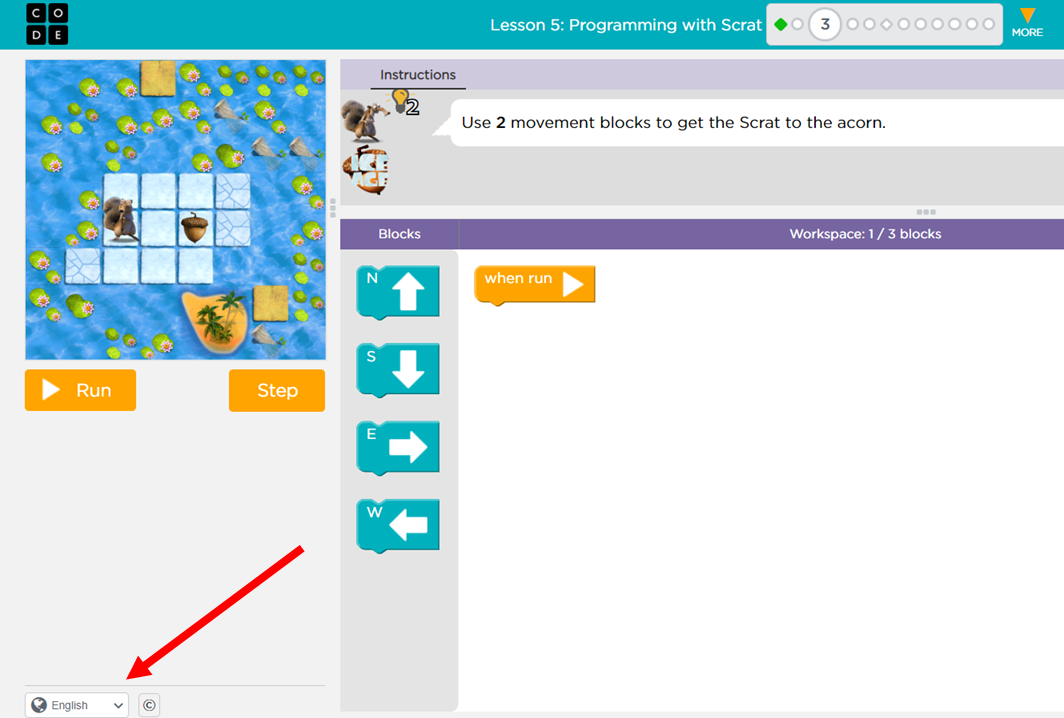
For the absolute beginner, particularly younger students, Code.org predominantly uses Blockly. Developed by Google, Blockly is a visual programming editor that allows users to create code by dragging and dropping pre-made blocks of commands. These blocks snap together like LEGOs, representing various programming constructs such as loops, conditionals, and variables. The beauty of Blockly is its ability to abstract away the intimidating syntax errors that often discourage novices. Students learn core computational thinking concepts – sequencing, iteration, selection, and decomposition – without needing to worry about semicolons or parentheses.
Code.org customizes Blockly extensively for various courses, most notably their popular “Hour of Code” activities, which feature characters from Frozen, Minecraft, Star Wars, and other beloved franchises. This gamified, visually engaging introduction makes coding feel less like a chore and more like a creative puzzle. By removing the initial barrier of text-based syntax, Blockly fosters immediate engagement and builds confidence, proving that anyone can learn the logic behind coding. It’s a powerful testament to their brand strategy of making computer science approachable and fun, effectively lowering the entry barrier into the vast world of tech.
Transitioning to Text: JavaScript, Python, and Beyond
As students progress beyond the foundational block-based exercises, Code.org strategically introduces them to actual text-based programming languages that are widely used in the professional world. The primary transition language is JavaScript. Many of Code.org’s “App Lab” and “Game Lab” courses leverage JavaScript, allowing students to build interactive web applications and games. Students can still use blocks initially, but they are given the option to toggle to a “text view” to see the underlying JavaScript code, providing a bridge between the visual and textual representations. This immediate translation helps solidify their understanding of how block-based logic maps directly to industry-standard code. JavaScript’s ubiquity in web development makes it an excellent choice, opening doors to front-end development, mobile app creation, and even server-side programming with Node.js.
Beyond JavaScript, Code.org also incorporates elements of Python in more advanced courses. Python is celebrated for its readability and versatility, making it a favorite for data science, artificial intelligence, web development, and scripting. Its clear syntax allows students to focus on algorithms and problem-solving rather than wrestling with complex language rules. For students exploring data analysis or more sophisticated computational tasks, Python offers a robust and highly sought-after skill.
Furthermore, Code.org touches upon other fundamental languages and concepts:
- HTML/CSS: Essential for web development, HTML (Hypertext Markup Language) structures web content, and CSS (Cascading Style Sheets) styles it. Students learn how to build and design web pages, understanding the components that make up virtually every site they visit.
- SQL (Structured Query Language): In some advanced contexts, students might encounter SQL, the standard language for managing and querying relational databases. Understanding SQL is crucial for anyone interested in data management, a core skill in virtually every industry today.
This carefully orchestrated progression from visual blocks to widely-used text languages ensures that learners gain a comprehensive understanding, not just of a single language, but of the transferable principles of computer science.
The Rationale Behind Language Choices: Accessibility and Relevance
The rationale behind Code.org’s diverse language portfolio is twofold: accessibility and relevance. By starting with Blockly, they ensure that computer science is accessible to the broadest possible audience, regardless of age or prior experience. This aligns perfectly with their brand mission to democratize computer science education. It demystifies coding, turning an often-intimidating subject into an engaging activity.
As students mature, the introduction of JavaScript, Python, HTML/CSS, and potentially SQL becomes critical for real-world relevance. These languages are the backbone of modern technology. JavaScript powers the interactive web, Python drives AI and data science, HTML/CSS builds the user interface of the internet, and SQL manages the vast oceans of data. By teaching these languages, Code.org ensures that its curriculum is not merely academic but directly applicable to current technology trends and future career opportunities. This strategic choice reinforces their brand as a forward-thinking educational leader, providing skills that are genuinely valuable in the job market. It bridges the gap between foundational understanding and practical application, setting students up for success whether they pursue further education or enter the workforce.
The Tech Behind the Education: Languages, Tools, and Trends
Code.org is not just teaching about tech; it is itself a significant piece of educational technology. The languages and tools it employs in its curriculum are carefully selected to not only educate but also to reflect the broader technological landscape, preparing students for an evolving digital future. Their platform serves as a powerful entry point into understanding software development, AI tools, and the crucial aspects of digital security and productivity.
Demystifying Core Programming Concepts
The core of Code.org’s tech-driven education lies in demystifying complex programming concepts. Through its chosen languages, students learn about:
- Algorithms: Step-by-step procedures to solve problems. Even with Blockly, students are designing algorithms to guide characters through mazes.
- Data Structures: How data is organized and stored. This becomes more apparent with variables in JavaScript and data handling in Python.
- Control Flow: How programs make decisions (conditionals) and repeat actions (loops). These are fundamental across all programming paradigms.
- Functions: Reusable blocks of code that perform specific tasks, promoting modularity and efficiency.
- Object-Oriented Programming (OOP) principles: While not explicitly taught in depth for beginners, languages like JavaScript offer a gentle introduction to objects and their properties.
By presenting these concepts through a progression of languages, Code.org ensures a deep, transferable understanding. A student who learns a for loop in Blockly can easily recognize its equivalent in JavaScript or Python, demonstrating the universal principles underlying diverse syntaxes. This pedagogical approach equips learners with not just language-specific skills, but a robust computational thinking toolkit.
Preparing for the Future: AI, Software Development, and Digital Literacy
Code.org’s curriculum directly addresses the needs of a future increasingly dominated by AI and advanced software. By teaching Python, they are giving students a direct pathway into machine learning and artificial intelligence, fields that are rapidly transforming industries worldwide. The ability to understand and manipulate data, a skill fostered by both Python and SQL, is paramount in the age of big data and AI. Students don’t just consume AI-powered tools; they begin to grasp how they are built.
Moreover, the emphasis on JavaScript and HTML/CSS lays a strong foundation for software development, particularly in web and mobile applications. These are the front lines of innovation, where new apps and digital experiences are constantly being created. Learning these languages isn’t just about coding; it’s about understanding how software is engineered, how user interfaces are designed, and how digital products come to life. This broad exposure is crucial for developing holistic digital literacy, enabling students to become not just users, but creators and critical evaluators of technology.
Beyond creation, Code.org subtly integrates aspects of digital security and productivity. Students learn to debug their code, which is a form of systematic problem-solving akin to identifying vulnerabilities. They learn to organize their projects, manage files, and collaborate (in some contexts), all essential productivity skills in any digital workspace. The platform itself, with its secure login and managed learning environment, exemplifies best practices in digital security, even if not explicitly taught as a subject. This holistic approach ensures that students are not just coders, but responsible and effective digital citizens ready to navigate complex technological landscapes.

Code.org’s Own Tech Stack
It’s also worth noting that Code.org itself is a sophisticated piece of technology. While the languages it teaches are diverse, the platform itself runs on a robust technical stack. It primarily uses Ruby on Rails for its backend web application, leveraging Ruby’s elegance and Rails’ convention-over-configuration philosophy for rapid development and maintenance. The frontend would involve JavaScript, HTML, and CSS, much like what they teach, demonstrating real-world application of these languages in building a large-scale educational platform. Their infrastructure likely relies on cloud services (like AWS or Azure) to handle millions of simultaneous users and process vast amounts of learning data. This internal tech stack subtly reinforces the power and versatility of the very languages and frameworks that underpin modern digital services, offering a meta-lesson in practical software engineering.
Building a Brand of Accessibility: Code.org’s Impact and Identity
Code.org’s choice of coding languages and its pedagogical approach are meticulously crafted to support its overarching brand identity: making computer science accessible and engaging for everyone. This brand strategy has not only solidified its reputation as a leading educational innovator but has also profoundly impacted how society perceives coding and who can pursue a career in technology.
Fostering Inclusivity in Tech Education
At its heart, Code.org’s brand is about inclusivity. The strategic use of Blockly as an entry point removes the historical barriers to coding, such as a perceived need for advanced math skills or an inherent “tech genius.” By showing that coding is fundamentally about logic and creativity, they actively work to dismantle stereotypes that have historically marginalized women and underrepresented minorities in tech. Their diverse range of tutorials and partnerships with popular culture icons (like Disney or Minecraft) ensures that the appeal of coding extends far beyond traditional demographics, making it relatable and enjoyable for children from all backgrounds and interests. This focus on broadening participation directly contributes to building a more diverse and equitable tech workforce, aligning with global calls for social responsibility and equal opportunity.
The brand message is clear: coding is not an exclusive club for a select few; it is a fundamental literacy for the 21st century, as important as reading and writing. This message is amplified by their extensive outreach campaigns, featuring testimonials from celebrities and tech leaders, further solidifying their image as a movement rather than just an educational platform. By making the first step into coding as easy and fun as possible, Code.org successfully fosters a sense of belonging and capability among learners who might otherwise never consider a path in computer science.
Strategic Partnerships and Global Reach
Code.org’s brand strength is significantly bolstered by its strategic partnerships and impressive global reach. Collaborations with major tech companies like Microsoft, Google, Apple, and Amazon not only provide funding and resources but also lend immense credibility to their curriculum and mission. These partnerships validate the relevance of the languages and skills taught, directly connecting classroom learning to industry needs. Such collaborations reinforce Code.org’s brand as a bridge between foundational education and the cutting-edge of technology.
Furthermore, Code.org has successfully scaled its impact globally, delivering its curriculum in over 180 countries and supporting local teachers with professional development. This worldwide presence amplifies its brand as a universal standard for introductory computer science education. The “Hour of Code” initiative, their most recognizable brand campaign, has introduced hundreds of millions of people to coding, becoming a cultural phenomenon. This mass appeal and global adoption are testaments to a highly effective brand strategy focused on broad accessibility, simple execution, and a powerful, unifying message: “Every student in every school should have the opportunity to learn computer science.”
Shaping the Narrative: Coding for Everyone
Code.org has undeniably played a pivotal role in shaping the public narrative around computer science. They have transformed coding from an obscure, niche skill into a mainstream topic of educational policy and public discourse. Through their advocacy and high-profile campaigns, they’ve positioned coding not just as a career path, but as a critical skill for critical thinking, problem-solving, and future readiness, regardless of one’s ultimate profession.
Their brand communicates that computer science education is not merely about preparing future programmers, but about cultivating logical thinkers, creative problem-solvers, and informed citizens capable of navigating an increasingly digital world. By making coding accessible and relatable, they’ve fostered a generation that views technology not with intimidation, but with curiosity and a sense of empowerment. This shift in perception is a monumental brand achievement, fundamentally altering how parents, educators, and students view computer science and its importance in modern education. It’s a brand built on impact, vision, and a relentless pursuit of educational equity.
The Financial Dividend: Empowering Future Innovators and Entrepreneurs
Beyond the technical skills and brand building, the languages taught by Code.org carry a significant financial dividend, empowering individuals to pursue lucrative career pathways, engage in profitable side hustles, and make informed financial decisions in a tech-driven economy. Learning to code is an investment with a substantial return on investment (ROI), directly addressing the “Money” aspect of the website’s focus.
Career Pathways and Economic Opportunities
The coding languages offered by Code.org’s curriculum are direct gateways to some of the most in-demand and well-compensated careers in the modern workforce. A solid understanding of JavaScript, HTML, and CSS can lead to roles as a Front-End Developer, Web Designer, or UI/UX Engineer – positions consistently ranked among the best jobs in terms of salary and growth potential. These roles are critical for every company that has an online presence, which in today’s world means virtually every company.
For those who delve into Python, opportunities expand into rapidly growing fields like Data Science, Machine Learning Engineering, AI Development, and Backend Development. These roles are at the forefront of technological innovation and command premium salaries due to the specialized skills required. Even foundational knowledge of SQL opens doors to Data Analyst or Database Administrator positions, which are essential for managing the vast amounts of information businesses rely on. By providing exposure to these languages, Code.org is equipping individuals with the foundational toolkit necessary to enter and thrive in the competitive tech job market, contributing significantly to their long-term financial stability and growth. The economic reality is that coding skills translate directly into higher earning potential and greater career flexibility.
Unleashing Entrepreneurial Spirit: Side Hustles and Online Income
The financial benefits of learning to code extend far beyond traditional employment. The skills acquired through Code.org’s curriculum are invaluable for aspiring entrepreneurs and those looking to generate online income or pursue profitable side hustles. With proficiency in JavaScript, HTML/CSS, and even basic Python, individuals can:
- Build Websites and Web Applications: Create custom websites for small businesses, personal portfolios, or niche online communities, offering services as a freelance web developer.
- Develop Mobile Apps: Using web technologies with frameworks like React Native (which builds on JavaScript), one can create apps for iOS and Android, opening up avenues for app sales or service offerings.
- Automate Tasks and Create Tools: Python, in particular, is excellent for scripting and automation, allowing individuals to build tools that solve specific problems for clients or for their own internal use, potentially selling these tools or services.
- Offer Technical Consulting: Even entry-level coding knowledge can allow individuals to advise on digital strategy, troubleshoot basic technical issues, or help others get started with online ventures.
These skills empower individuals to take control of their financial destiny, creating their own streams of income, building their own digital products, or offering high-value services independently. In the gig economy, the ability to code is a superpower, enabling unprecedented flexibility and entrepreneurial freedom, directly supporting the “Online Income” and “Side Hustles” aspects of the website’s mission.

The Long-Term ROI of Coding Education
Ultimately, investing time in learning the languages and concepts taught by Code.org yields a profound long-term return on investment, not just in terms of direct income but also in broader financial literacy and strategic thinking. Understanding how technology works makes individuals more discerning consumers of digital products and services. They can better evaluate software, understand digital security risks, and make more informed decisions about personal financial tools and online investments, as they grasp the underlying mechanisms.
The logical and problem-solving skills honed through coding are transferable to every aspect of personal finance, from budgeting and investment analysis to strategic business planning. Learning to break down complex problems into manageable steps, a core principle of coding, is invaluable for managing personal finances, identifying investment opportunities, and navigating the complexities of business finance. Code.org, by democratizing access to these essential skills, is not just creating coders; it is cultivating financially savvy, empowered individuals ready to thrive in the digital economy and beyond, making the long-term ROI of their education truly immense.
aViewFromTheCave is a participant in the Amazon Services LLC Associates Program, an affiliate advertising program designed to provide a means for sites to earn advertising fees by advertising and linking to Amazon.com. Amazon, the Amazon logo, AmazonSupply, and the AmazonSupply logo are trademarks of Amazon.com, Inc. or its affiliates. As an Amazon Associate we earn affiliate commissions from qualifying purchases.