
New York City in November is a masterclass in atmospheric unpredictability. As the vibrant foliage of Central Park gives way to the biting winds of the Hudson River, the city’s microclimates demand more than just aesthetic sensibility; they demand engineering. Navigating the transition from a crowded, overheated MTA subway car to the wind-whipped canyons of Wall Street requires a sophisticated approach to apparel that leverages the latest advancements in material science and digital integration.
For the modern traveler or the tech-forward resident, choosing what to wear in New York is no longer a matter of simple wool and cotton. It is an exercise in optimizing performance through wearable technology, advanced textiles, and data-driven planning. This guide explores the intersection of fashion and technology, ensuring your November wardrobe is as smart as the city itself.
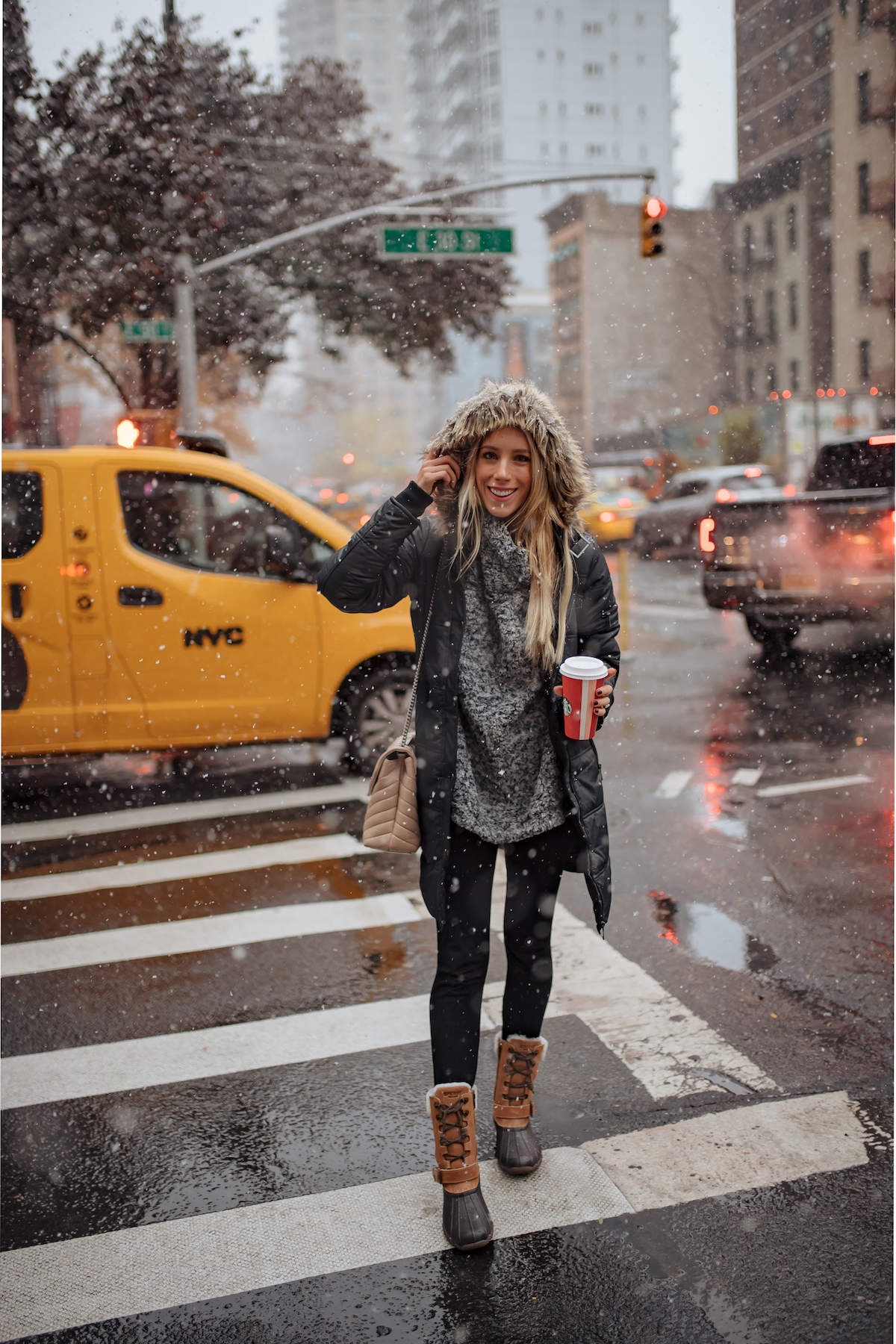
Engineering the Perfect Layer: Advanced Textile Science for NYC’s Microclimates
The fundamental challenge of a New York November is the temperature delta. You may experience 50°F (10°C) in the afternoon sun and 30°F (-1°C) after dark, compounded by humidity and wind. To solve this, we look toward textile engineering rather than bulk.
Phase Change Materials (PCMs) and Thermal Regulation
The core of a high-tech November wardrobe lies in Phase Change Materials (PCMs). Originally developed for NASA, PCMs—such as Outlast technology—are integrated into base layers and mid-layers to actively manage body heat. These materials absorb, store, and release heat to maintain a consistent skin temperature.
When you are walking briskly toward a meeting in Midtown, the PCMs absorb the excess heat your body produces, preventing sweat. When you stop to wait for a light or enter a drafty outdoor plaza, the material releases that stored energy back to your body. For NYC, where you are constantly moving between heated indoors and frigid outdoors, PCMs are the ultimate thermal buffer.
Hydrophobic Coatings and Nanotechnology in Outerwear
November in New York is notoriously damp. Traditional raincoats lack breathability, leading to a “greenhouse effect” inside the garment. Modern tech-wear utilizes GORE-TEX Pro or eVent membranes, which rely on billions of microscopic pores that are 20,000 times smaller than a water droplet but 700 times larger than a water vapor molecule.
However, the real innovation lies in the “Durable Water Repellent” (DWR) treatments. The latest C0 DWR finishes use nanotechnology to create a “lotus effect” on the fabric surface. Water droplets sit on nanostructures that minimize surface area contact, causing them to bead and roll off instantly. This ensures that even in a surprise Manhattan drizzle, your outer shell remains lightweight and breathable, never becoming “wetted out” and heavy.
Synthetic Insulation vs. Aerogel
While down has long been the gold standard for warmth, New York’s humidity can collapse natural feathers, stripping them of their insulating properties. Enter PrimaLoft and the integration of Silica Aerogel—the lightest solid material known to man. Companies like OROS use Aerogel-infused thermal barriers that provide the warmth of a heavy parka with the thickness of a light windbreaker. This allows for a sleek, “Matrix-esque” New York silhouette without sacrificing the thermal protection required for a late-night walk across the Brooklyn Bridge.
Wearable Tech and Smart Integration for the Urban Explorer
In a city that runs on data, your clothing should be an extension of your digital ecosystem. The integration of gadgets and conductive materials into November attire has moved from niche “bio-hacking” to functional urban utility.
Integrated Heating Elements and App-Controlled Insulation
For those who are particularly sensitive to the cold, the latest generation of “smart” outerwear features integrated carbon fiber heating elements. Brands like 8K Flexwarm and Ministry of Supply have developed jackets that connect via Bluetooth to your smartphone or Apple Watch.
Through a dedicated app, users can set a target temperature for specific zones of the jacket—such as the lower back or chest. Sensors within the garment monitor your core temperature and adjust the power output of the internal heating pads accordingly. This is particularly useful for New York’s “waiting periods”—whether you are in a long line for a Broadway show or waiting for an Uber in the Meatpacking District.

Conductive Threads and Haptic Navigation
Navigating the grid system of Manhattan is significantly easier when you don’t have to constantly pull your phone out in the cold. Tech-enabled gloves are now standard, but the latest versions use silver-plated nylon fibers woven directly into the fingertips for 1:1 capacitive touch precision.
Going a step further, some high-end tech-wear now incorporates haptic feedback sleeves. By syncing with Google Maps, your jacket sleeve can provide a subtle vibration on the left or right arm to signal an upcoming turn. This “eyes-up” navigation is essential for safety and efficiency on New York’s crowded sidewalks, allowing you to keep your hands warm in your pockets while still receiving directions.
Smart Fabric Sensors: Monitoring Biometrics in the Cold
The physical toll of walking 15,000+ steps a day in New York shouldn’t be underestimated. Advanced base layers now come equipped with silver-printed sensors that monitor heart rate, respiratory rate, and even muscle fatigue. This data is transmitted to an app, providing insights into how your body is responding to the cold and physical exertion. For the tech professional, this is the ultimate way to optimize recovery and ensure that a busy day of New York networking doesn’t lead to burnout.
The Digital Wardrobe: Apps and AI for Seasonal Optimization
Deciding what to wear is no longer a guessing game based on the morning news. A suite of AI tools and hyper-local software can now dictate your wardrobe choices with mathematical precision.
Hyper-Local Weather APIs and Precision Forecasts
General weather apps are often insufficient for New York’s micro-climates. The “canyon effect” of skyscrapers creates wind tunnels that can drop the perceived temperature by 10 degrees on a single block. Apps like Carrot Weather or Apple Weather (which integrated the high-precision Dark Sky API) provide “next-hour” precipitation alerts and “feels like” temperatures that account for wind chill and humidity.
For the savvy traveler, setting up “Smart Notifications” is key. You can program your digital assistant (Siri or Google) to trigger a “Bring an Umbrella” or “Wear the Heavy Shell” alert at 8:00 AM based on the specific probability of precipitation in the ZIP code you’ll be visiting that day.
AI-Driven Outfit Planning and Virtual Fitting Rooms
Artificial Intelligence is revolutionizing how we assemble New York wardrobes. AI styling apps like Cladwell or Indyx allow you to digitize your closet. Their algorithms then cross-reference your available items with the 24-hour New York forecast and your scheduled activities (extracted from your digital calendar).
If the AI sees a high-level corporate meeting at 10:00 AM followed by an outdoor walking tour at 2:00 PM, it will suggest a modular “tech-formal” outfit—perhaps a moisture-wicking dress shirt paired with a technical blazer and a packable, insulated vest. This eliminates decision fatigue and ensures you are never under-dressed for a boardroom or over-exposed to the elements.
Sustainable Tech: The Future of Eco-Friendly Insulation
As New York moves toward a more sustainable future, the technology behind our clothes is also shifting. The “tech” in your November wardrobe isn’t just about electronics; it’s about the bio-engineering of sustainable materials.
Lab-Grown Fibers and Synthetic Downs
The environmental impact of traditional fashion is a significant concern for the tech-conscious consumer. Innovation in “Lab-to-Closet” technology has produced materials like Spinnova (made from wood pulp without harmful chemicals) and Brewed Protein fibers by Spiber. These lab-grown textiles offer the structural integrity of silk and the warmth of wool but are engineered at the molecular level for superior durability and water resistance.
Circular Tech: Recycling Performance Gear
New York is home to some of the most advanced textile recycling initiatives. Technology now exists to break down old polyester and nylon garments into their chemical monomers, which are then rebuilt into high-performance fibers that are indistinguishable from “virgin” synthetics. When selecting your November gear, look for brands utilizing Econyl or Repreve. This “circular tech” ensures that your high-performance gear doesn’t contribute to the global waste crisis while still providing the technical specs needed to survive a Manhattan winter.

Conclusion
What you wear in New York in November is a reflection of your relationship with technology. By embracing phase-change materials, integrated wearables, and AI-driven planning, you transform your clothing from a simple necessity into a sophisticated tool for urban survival. In the city that never sleeps, staying warm, dry, and connected isn’t just about fashion—it’s about the seamless integration of human biology and technological innovation.
aViewFromTheCave is a participant in the Amazon Services LLC Associates Program, an affiliate advertising program designed to provide a means for sites to earn advertising fees by advertising and linking to Amazon.com. Amazon, the Amazon logo, AmazonSupply, and the AmazonSupply logo are trademarks of Amazon.com, Inc. or its affiliates. As an Amazon Associate we earn affiliate commissions from qualifying purchases.