
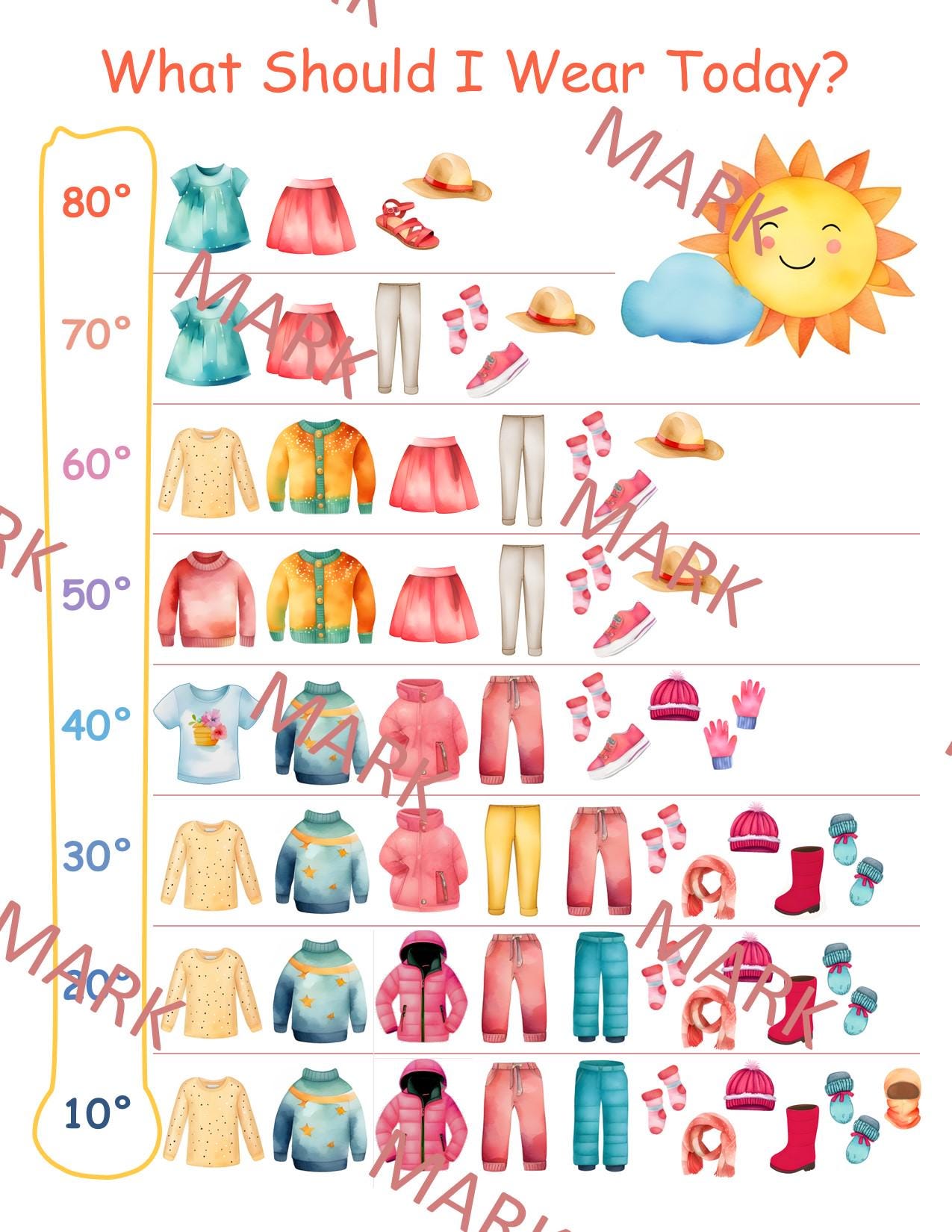
The perennial question, “What clothes should I wear today?” echoes in closets worldwide with every sunrise. For millennia, this decision has been a blend of intuition, habit, and a somewhat rudimentary assessment of the external environment. However, in our increasingly digitized world, technology offers a sophisticated and data-driven approach to this everyday challenge, transforming it from a potentially frustrating morning ritual into an opportunity for informed, efficient, and even predictive decision-making. This article explores how various technological advancements can be harnessed to optimize your wardrobe choices, ensuring you’re not just dressed, but dressed smartly for the day ahead.
The Dawn of the Smart Wardrobe: Beyond the Hangers
The concept of a “smart wardrobe” is no longer confined to science fiction. It represents a convergence of data, connectivity, and intelligent algorithms designed to enhance our interaction with our clothing. This isn’t just about having a digital inventory; it’s about leveraging technology to understand your clothing’s potential, its performance, and how it best suits your daily needs and external conditions.
Digitalizing Your Closet: The Foundation of Tech-Enhanced Dressing
The first crucial step in building a tech-integrated approach to your wardrobe is digitizing your existing clothing collection. This forms the bedrock upon which all subsequent technological enhancements will be built.
Inventory Management and Cataloging Apps
Gone are the days of physically sifting through every item. Numerous applications now exist to help you catalog your wardrobe. These apps allow you to:
- Photograph and Tag: Upload images of each garment and assign descriptive tags. These tags can include color, fabric type, season, occasion suitability (e.g., formal, casual, business casual), brand, and even specific care instructions.
- Categorization and Filtering: Organize your clothes into logical categories (tops, bottoms, outerwear, dresses, etc.) and use filters to quickly locate specific items.
- Outfit Creation and Planning: Many apps allow you to virtually assemble outfits by pairing different items. This feature is invaluable for planning ahead, avoiding last-minute scrambling, and ensuring a cohesive look. You can save these virtual outfits for future reference.
- Wishlists and Style Inspiration: Some platforms integrate with fashion blogs and online retailers, allowing you to create wishlists for future purchases and draw inspiration from curated style feeds.
The primary benefit of such an inventory system is visibility. By having a comprehensive digital overview, you gain a clearer understanding of what you own, identify underutilized pieces, and prevent the common pitfall of buying duplicates. This meticulous cataloging also lays the groundwork for more advanced functionalities.
Leveraging Data for Personal Style Analytics
Once your wardrobe is digitized, the real power of technology begins to manifest through data analysis. Your digital closet becomes a repository of personal style data, ripe for interpretation.
- Usage Tracking and Popularity Metrics: Many advanced apps can track how often you wear certain items. This data can reveal your go-to pieces, identify neglected garments, and inform future purchasing decisions. You might discover, for instance, that you wear your neutral-colored blouses far more frequently than patterned ones, prompting you to invest in more versatile basics.
- Outfit Performance and Feedback: Some platforms are exploring features where users can provide feedback on outfits they’ve worn, linking this to the weather or the success of the event. Over time, this data can build a profile of what “works” for you in various scenarios.
- Identifying Style Gaps: By analyzing your most frequently worn items and saved outfits, the technology can help you pinpoint areas where your wardrobe might be lacking. If you consistently find yourself without a suitable option for a specific type of event, the system can highlight this deficiency.
This analytical layer moves beyond simple organization to intelligent insight, empowering you to make more strategic and style-conscious decisions about your personal presentation.
The Predictive Power of Technology: Dressing for the Environment
The weather is, perhaps, the most significant external factor influencing our daily sartorial choices. Traditional methods involve a quick glance out the window or a check of a weather app. However, technology can provide a far more nuanced and predictive approach to dressing for the elements.
Integrating Real-Time Weather Data
The core of predictive dressing lies in integrating real-time and forecasted weather information directly into your wardrobe decision-making process.
Smart Weather Apps and Wearable Integration

Modern weather applications offer much more than just temperature and precipitation forecasts. They are becoming increasingly sophisticated, providing granular details crucial for outfit selection:
- Hyperlocal Forecasts: Access to weather predictions for your specific location, down to the neighborhood level, can be critical. A few degrees difference or a sudden gust of wind can significantly impact comfort.
- UV Index and Air Quality Alerts: Beyond temperature, apps now provide UV index readings and air quality reports. This information can guide decisions about sun protection (e.g., choosing long sleeves, hats) and selecting breathable fabrics for poor air quality days.
- “Feels Like” Temperatures: This crucial metric accounts for wind chill and humidity, offering a more accurate representation of how the temperature will actually feel on your skin. This directly influences layering decisions and the choice between different types of outerwear.
- Wearable Integration: Smartwatches and fitness trackers can provide immediate environmental data directly to your wrist. Some are even starting to offer personalized clothing recommendations based on your activity level and the current weather.
The seamless integration of this data transforms the passive act of checking the weather into an active input for your wardrobe selection.
Algorithmic Outfit Recommendations
This is where the true synergy of your digital wardrobe and weather data comes into play. Intelligent algorithms can now analyze your inventory, your style preferences, and the current environmental conditions to propose optimal outfits.
- Personalized Suggestions: Based on the tags and usage data within your digital closet, combined with the weather forecast, the system can suggest specific garments or entire outfits. For example, if the forecast predicts rain and cool temperatures, and you’ve tagged a specific waterproof jacket and warm sweater as suitable for such conditions, the app might recommend pairing them.
- Comfort and Performance Optimization: The algorithms consider factors like fabric breathability, insulation properties, and water resistance. If it’s a humid day, the system might suggest lighter, moisture-wicking fabrics. For a windy day, it might prioritize windproof materials.
- Contextual Awareness: Some advanced systems are beginning to incorporate calendar data. If you have a meeting scheduled, the algorithm can cross-reference the weather with the dress code typically associated with such an event, providing a tailored recommendation that balances practicality and professionalism.
- Learning and Adaptation: The more you interact with these systems – by accepting, rejecting, or modifying recommendations – the smarter they become. They learn your preferences, your tolerance for different temperatures, and your interpretation of various dress codes, continuously refining their suggestions.
This algorithmic approach moves beyond simply telling you “it’s cold”; it guides you towards wearing the right warm clothes for the specific conditions and your personal needs.
Beyond the Basics: Advanced Tech for Enhanced Wardrobe Management
As technology continues to evolve, so too will the ways it can augment our clothing choices. We are on the cusp of a new era in personal styling, driven by innovation and data.
Smart Textiles and Wearable Technology
The integration of technology directly into the fabric of our clothing is a burgeoning field that promises to revolutionize how we experience and manage our attire.
Responsive Fabrics and Embedded Sensors
Imagine clothing that actively adapts to your environment or physiological state. This is the promise of smart textiles:
- Temperature Regulation: Fabrics embedded with micro-sensors and active fibers can adjust their insulation properties in real-time. For instance, they might become more breathable in warmer conditions and more insulating in cooler ones, ensuring optimal comfort without the need for multiple layers.
- Moisture Management: Advanced fibers can actively wick away sweat and dry rapidly, keeping you comfortable during physical activity or in humid climates.
- Health Monitoring: Some smart textiles can monitor vital signs like heart rate and body temperature, providing valuable health data and potentially influencing clothing choices for optimal well-being.
- Connectivity: Beyond passive functionality, some smart garments are designed to connect to your devices, sending data and receiving instructions.
While still in early stages for widespread consumer adoption, these technologies lay the foundation for clothing that is not just worn, but actively participates in managing your comfort and health.

The Future of AI in Personal Styling
Artificial intelligence is poised to become an even more sophisticated co-pilot in our wardrobe decisions.
- Generative AI for Outfit Creation: Future AI could move beyond recommending existing items to generating entirely new outfit concepts based on your inventory, preferences, and the day’s requirements. It could even suggest alterations or new combinations that you might not have considered.
- Ethical and Sustainable Wardrobe Curation: AI can analyze the environmental impact of your clothing choices, suggesting more sustainable options or helping you maximize the lifespan of your existing garments. It can identify trends in circular fashion and guide you towards responsible consumption.
- Predictive Wardrobe Replenishment: By analyzing your usage patterns and the condition of your garments (potentially through fabric degradation sensors), AI could predict when items are nearing the end of their life and suggest replacements, ensuring your wardrobe remains functional and stylish.
- Personalized Style Evolution: AI can learn your evolving style preferences over time, factoring in new trends, life changes, and even psychological factors that influence your mood and self-expression, offering increasingly nuanced and personalized styling advice.
The integration of these advanced technological solutions promises to elevate the simple act of choosing what to wear into a highly intelligent, personalized, and efficient process. By embracing these innovations, we can move beyond the guesswork and step out each day with confidence, comfort, and a style perfectly attuned to the world around us.
aViewFromTheCave is a participant in the Amazon Services LLC Associates Program, an affiliate advertising program designed to provide a means for sites to earn advertising fees by advertising and linking to Amazon.com. Amazon, the Amazon logo, AmazonSupply, and the AmazonSupply logo are trademarks of Amazon.com, Inc. or its affiliates. As an Amazon Associate we earn affiliate commissions from qualifying purchases.