
In the world of pharmaceuticals, few names carry as much cultural, social, and commercial weight as Prozac. While a clinician might answer the question “what class is Prozac?” by citing its pharmacological status as a Selective Serotonin Reuptake Inhibitor (SSRI), a brand strategist sees something far more complex. Prozac is not merely a chemical compound known as fluoxetine hydrochloride; it is a masterclass in corporate identity, a pioneer in lifestyle marketing, and a case study in how a brand can transition from a medical treatment to a linguistic staple.
When Eli Lilly and Company launched Prozac in the late 1980s, they weren’t just releasing a drug; they were launching a new era of mental health awareness. The brand’s success was not an accident of chemistry alone. It was the result of a deliberate, sophisticated strategy that redefined how we perceive personality, mood, and the pharmaceutical industry’s role in human optimization.

The Birth of a Pharmaceutical Icon: Strategic Naming and Identity
The journey of Prozac from a laboratory discovery to a household name is a quintessential study in brand strategy. Before Prozac, the landscape of antidepressants was dominated by tricyclics and MAO inhibitors—drugs often associated with severe side effects and a heavy social stigma. The branding of Prozac was designed specifically to distance the product from this “heavy” medical past.
From Fluoxetine to Prozac: The Linguistic Science of Branding
The name “Prozac” was developed by Interbrand, a leading brand consultancy. The goal was to create a name that felt both innovative and safe. Linguistically, the word starts with “Pro,” which evokes positivity, progress, and professionalism. The “Z” provides a sharp, energetic, and modern sound—a distinct departure from the cumbersome, multi-syllabic names typical of mid-century medicine.
By choosing a short, punchy, two-syllable name, Eli Lilly created a brand that was easy to remember and easy for physicians to write. In the world of brand identity, simplicity is power. Prozac didn’t sound like a “sedative” or a “tranquilizer”; it sounded like a catalyst for a proactive life.
Breaking the Stigma through Visual Identity
The visual identity of Prozac was equally calculated. Unlike the dull, clinical packaging of previous generations, Prozac was associated with a bright green and off-white capsule. This color palette was intentionally chosen to feel “fresh” and “natural.” The branding was designed to signal a “new start” rather than a “chemical intervention.”
This strategic visual identity helped normalize the consumption of psychiatric medication. By looking less like a “heavy drug” and more like a modern wellness tool, Prozac lowered the psychological barrier to entry for millions of patients. This shift in corporate identity allowed Eli Lilly to position the drug not just as a treatment for the severely ill, but as a solution for the “worried well.”
Marketing a Mindset: Prozac and the “Listening to Prozac” Phenomenon
The true genius of the Prozac brand lay in its ability to move beyond the pharmacy and into the cultural zeitgeist. Most brands struggle to achieve “category dominance,” where the brand name becomes synonymous with the product itself (like Kleenex or Xerox). Prozac achieved this within a decade, largely by marketing a mindset rather than just a pill.
The Shift from Pathology to Enhancement
Through sophisticated marketing and public relations, Prozac was positioned as a tool for “cosmetic psychopharmacology.” This term, coined by Peter D. Kramer in his seminal book Listening to Prozac, highlighted how the brand had transcended its medical utility. The marketing narrative shifted from “fixing a broken brain” to “optimizing one’s personality.”
In terms of brand strategy, this was a revolutionary move. By broadening the target audience from those with clinical depression to those seeking to improve their social confidence or workplace productivity, the brand’s market potential exploded. Prozac became the brand of the “modern achiever,” a tool for those who felt “not quite themselves” in a fast-paced, high-stress world.
Cultural Saturation: When a Brand Becomes a Metonym
By the mid-1990s, Prozac appeared on the covers of Time and Newsweek. It was mentioned in movies, songs, and literature. This level of cultural saturation is the holy grail of branding. When a brand becomes a metonym—a stand-in for an entire concept—it gains a level of market protection that no amount of advertising spend can buy.

However, this saturation also presented a challenge. As the name became synonymous with the “quick fix” culture of the 90s, Eli Lilly had to carefully manage the brand’s integrity. The strategy shifted toward reinforcing the brand’s clinical superiority and its status as the “original” and “most researched” SSRI, a classic defensive brand maneuver to maintain market share against emerging competitors like Zoloft and Paxil.
The Brand Lifecycle: Navigating the Patent Cliff and Generic Competition
Every pharmaceutical brand faces the “patent cliff”—the moment when legal exclusivity ends and generic versions of the drug (in this case, fluoxetine) enter the market. The way a company handles this transition is a true test of its brand strategy.
Defending the Brand in a Post-Patent World
When Prozac’s patent expired in 2001, Eli Lilly faced a potential 80% drop in revenue as cheaper generics flooded the market. Their response was a masterclass in brand extension and life cycle management. Instead of abandoning the brand, they doubled down on the “trust” and “heritage” associated with the Prozac name.
They leveraged the brand equity they had built over 14 years. Many patients and physicians remained loyal to the brand name “Prozac” despite the availability of cheaper fluoxetine. This is the power of brand loyalty: the belief that the “branded” version is somehow more reliable or “pure” than the generic, even when the chemical composition is identical.
Sarafem and the Strategic Pivot of Repurposing
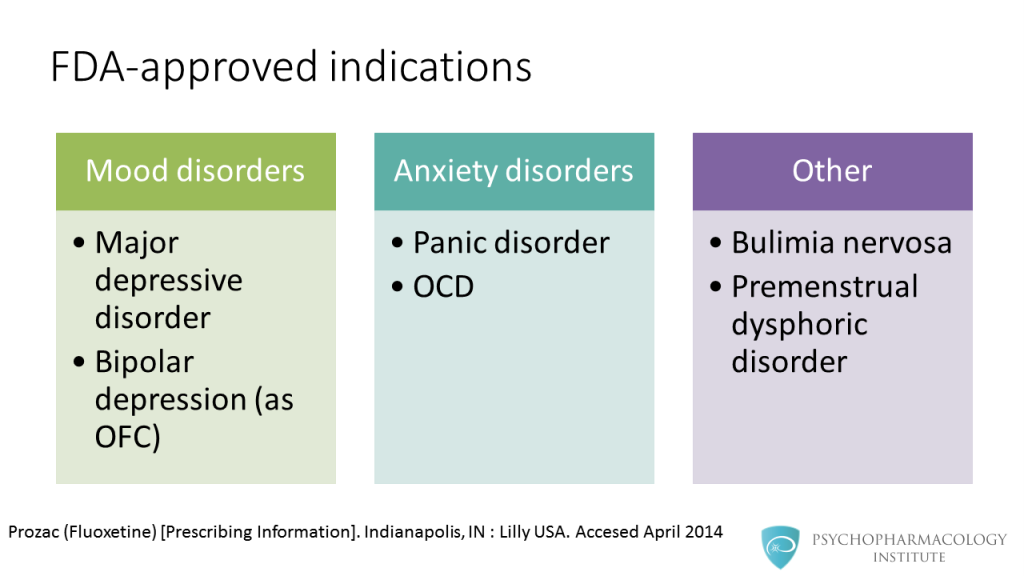
In one of the most controversial yet brilliant branding pivots in history, Eli Lilly sought to extend the life of fluoxetine by rebranding it for a new indication: Premenstrual Dysphoric Disorder (PMDD). The drug was marketed as “Sarafem.”
While Sarafem was chemically identical to Prozac, its brand identity was entirely different. The capsules were changed from green and white to pink and lavender. The marketing focused on women’s health and emotional balance. By creating a new brand for a different demographic, Lilly successfully segmented the market and maintained premium pricing for the same molecule. This demonstrated that in the pharmaceutical world, the “class” of a drug is often secondary to the “class” of its branding.
Lessons for Modern Brand Strategists from the Prozac Playbook
The history of Prozac offers invaluable insights for any brand manager, whether they are in tech, finance, or consumer goods. It proves that even in highly regulated, scientifically-driven industries, the “soft” elements of branding—naming, perception, and cultural alignment—are the ultimate drivers of commercial success.
Consistency in a Heavily Regulated Market
Pharmaceutical branding is restricted by rigorous FDA guidelines, yet Prozac managed to maintain a consistent “voice” for decades. This consistency built immense brand equity. Modern brands often fail by pivoting too frequently or losing their core identity in an attempt to follow trends. Prozac’s success was built on a steady, unwavering promise of “transformation” and “relief.”
Building Emotional Resonance in Functional Categories
At its core, Prozac is a functional product—it changes brain chemistry. Yet, its branding was deeply emotional. It spoke to the fear of losing one’s self and the hope of reclaiming a productive life.
For brand strategists today, the lesson is clear: no matter how technical or “dry” your product may be, its value lies in the human problem it solves. Whether you are selling software-as-a-service or financial consulting, your brand must connect with the user’s identity. Prozac didn’t just sell an SSRI; it sold a version of the self that was capable, resilient, and “normal.”
The Power of the “First Mover” Advantage
Prozac was not the first antidepressant, but it was the first “modern” one. By being the first to market with a clear, consumer-friendly identity, it set the standard for the entire category. To this day, when people think of antidepressants, they think of Prozac. This “top-of-mind” awareness is the ultimate competitive advantage. It allows a brand to survive scandals, patent expirations, and the rise of superior technology.
In conclusion, when we ask “what class is Prozac,” we must look beyond the medical textbooks. Prozac belongs to a rare class of brands that successfully redefined a category, altered social discourse, and built an enduring legacy through strategic identity and masterful market positioning. It remains a definitive example of how a brand can become more than a product—it can become a part of our collective consciousness.
aViewFromTheCave is a participant in the Amazon Services LLC Associates Program, an affiliate advertising program designed to provide a means for sites to earn advertising fees by advertising and linking to Amazon.com. Amazon, the Amazon logo, AmazonSupply, and the AmazonSupply logo are trademarks of Amazon.com, Inc. or its affiliates. As an Amazon Associate we earn affiliate commissions from qualifying purchases.