
In the complex landscape of modern healthcare, the classification of a medication is more than just a chemical distinction; it is a fundamental driver of market dynamics, insurance premiums, and personal financial planning. When a patient or an investor asks, “What class is losartan?” they are often looking for medical information. However, from a financial perspective, the answer—Angiotensin II Receptor Blocker (ARB)—opens a gateway into the multi-billion dollar economics of chronic disease management and the strategic maneuvers of the pharmaceutical industry.
Understanding the “class” of a drug like losartan is essential for navigating the rising costs of healthcare. It determines whether a drug is a high-cost specialty item or a budget-friendly generic staple. This article explores the financial implications of losartan’s classification, the economic shift from brand-name dominance to generic accessibility, and how savvy consumers and investors can interpret drug classes to optimize their financial well-being.

Understanding the Pharmaceutical Classification System: The Financial Perspective
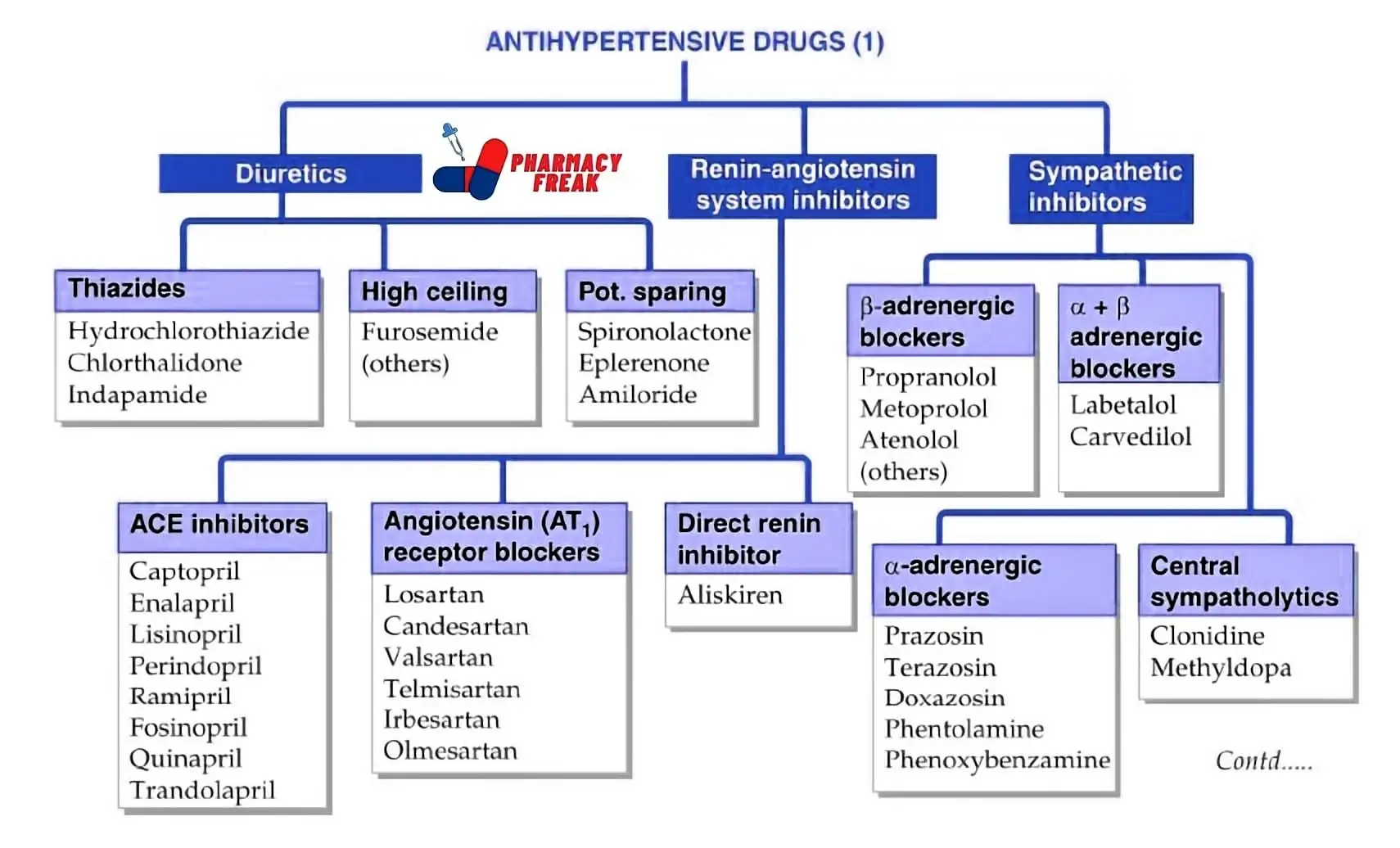
From a purely clinical standpoint, losartan belongs to the class of medications known as Angiotensin II Receptor Blockers (ARBs). These drugs function by blocking the action of certain natural substances that tighten the blood vessels, thereby allowing blood to flow more smoothly and the heart to pump more efficiently. While this is vital for health, the financial classification is what dictates the out-of-pocket costs for millions of people.
ARBs vs. ACE Inhibitors: A Cost-Benefit Analysis
In the financial management of hypertension, losartan is often compared to another class of drugs: ACE (Angiotensin-Converting Enzyme) inhibitors. Historically, ACE inhibitors were the “first-line” treatment because they were the first to lose patent protection and become available as low-cost generics.
For years, the ARB class, including losartan (brand name Cozaar), was significantly more expensive because these drugs were protected by patents. Patients and insurance providers often faced a cost-benefit dilemma: pay a premium for the newer ARB class or opt for the cheaper ACE inhibitor. Today, since losartan has transitioned to a generic status, the cost-benefit analysis has shifted. Losartan now represents a high-value, low-cost “Goldilocks” zone for many healthcare plans—providing modern efficacy at a legacy price point.
How Therapeutic Classes Drive Insurance Tiering
For anyone managing a personal budget, the “class” of a drug determines its “tier” on an insurance formulary. Insurance companies generally categorize medications into four or five tiers:
- Tier 1: Preferred Generics (Lowest cost).
- Tier 2: Non-Preferred Generics.
- Tier 3: Preferred Brands.
- Tier 4: Non-Preferred Brands or Specialty Drugs (Highest cost).
Because losartan is a well-established member of the ARB class with multiple generic manufacturers, it almost universally sits in Tier 1. This classification is a financial win for the consumer. Understanding that losartan is a generic ARB allows a patient to predict that their co-pay will likely be under $10, whereas a newer class of antihypertensives might cost hundreds of dollars per month.
The Generic Revolution: Losartan’s Role in the Discount Drug Market
The story of losartan is a classic case study in the lifecycle of a pharmaceutical asset. Originally developed and marketed by Merck & Co. under the brand name Cozaar, the drug was a high-revenue “blockbuster” for years. However, the expiration of its patent transformed it from a proprietary corporate asset into a commodity that fuels the generic drug market.
Brand Name vs. Generic: The Profit Margins of Cozaar
When losartan was exclusively sold as Cozaar, the profit margins were substantial. These profits funded research and development (R&D) and extensive marketing campaigns. Once the patent expired in 2010, the “class” of the drug didn’t change, but its economic profile did.
The entry of generic manufacturers led to a price erosion of over 80% within the first few years. For the pharmaceutical industry, this represents the “patent cliff.” For the consumer, it represents one of the most effective ways to lower the cost of living. By asking for the generic version of this specific class of drug, consumers leverage the competitive market forces that drive prices down.
Patent Expirations and Market Competition
Losartan’s classification as a generic ARB makes it a staple for companies like Teva, Sandoz, and Lupin. These companies operate on a high-volume, low-margin business model. For an investor, the classification of losartan is a reminder of the “commoditization” of healthcare. While brand-name drugs offer high growth potential, the generic class offers stability and consistent demand.
The competitive landscape for losartan remains fierce. Because it is one of the most prescribed drugs in the world, it is a key component of the “loss leader” strategy for retail pharmacies. Large chains like Walmart or CVS often offer generic losartan at near-cost prices to entice customers into the store, where they might purchase higher-margin items or other services.
Losartan and the Business of Chronic Disease Management
Chronic diseases, such as hypertension and diabetic nephropathy (both treated by losartan), are the primary drivers of healthcare spending globally. The classification of losartan as an ARB places it at the center of the “subscription model” of pharmaceutical revenue.
The Subscription Model of Pharmaceutical Revenue
Unlike an antibiotic, which a patient might take for seven days, a drug like losartan is typically taken for the rest of a patient’s life. From a business perspective, this creates a predictable, recurring revenue stream.
For the healthcare system, however, this recurring cost must be managed. This is why the “class” matters so much to Pharmacy Benefit Managers (PBMs). PBMs negotiate with manufacturers to ensure that the most cost-effective “class” is prescribed first. This “step therapy” approach often requires patients to try a Tier 1 ARB like losartan before moving to a more expensive, newer medication. Understanding this financial hurdle can help patients and their families prepare for potential insurance disputes or budget adjustments.
Global Market Trends in Hypertension Treatment
The global market for hypertension drugs is projected to continue growing, driven by aging populations in developed nations and rising middle-class incomes in emerging markets. Losartan’s classification as an affordable, effective ARB makes it the weapon of choice for government-funded healthcare systems (like the NHS in the UK or Medicare in the US) that are looking to curb costs.
For investors focusing on the “Money” niche, the trend is clear: value-based care is prioritizing the use of proven, generic classes of drugs. Companies that can manufacture these classes efficiently and at scale are positioned to capture the massive volume of the global chronic disease market.
Strategies for Reducing Out-of-Pocket Prescription Expenses
Knowledge is a financial tool. Knowing that losartan belongs to a common, generic class of drugs allows individuals to take proactive steps to minimize their healthcare spending and maximize their disposable income.
Utilizing Health Savings Accounts (HSAs) for Medication
For those on high-deductible health plans (HDHPs), the cost of daily medication can add up. However, because losartan is a generic ARB, it often qualifies as “preventive care” under many HSA-qualified plans. This means the deductible may be waived for this specific class of drug, or at the very least, it can be paid for with pre-tax dollars.
By categorizing losartan correctly in their financial planning, a household can save roughly 20–30% on the cost of the drug simply by leveraging the tax advantages of an HSA or Flexible Spending Account (FSA). This is a prime example of how medical classification intersects with personal tax strategy.
Navigating PBMs and Rebates
Even for a low-cost drug like losartan, there are ways to optimize the “buy.” Many consumers are unaware that the “insurance price” might actually be higher than the “cash price” at certain pharmacies. Digital tools and apps like GoodRx or Cost Plus Drugs have disrupted the traditional PBM model by offering transparent pricing for generic classes.
When a consumer knows their drug is a generic ARB, they should:
- Compare the cash price vs. the insurance co-pay: Often, for Tier 1 drugs, the cash price is lower than the negotiated insurance rate.
- Look for 90-day supplies: Many pharmacies offer significant discounts for bulk purchases of generic maintenance medications.
- Ask for therapeutic equivalents: If a doctor prescribes a brand-name ARB, knowing that losartan is in the same class allows the patient to ask for a “therapeutic switch” to save thousands of dollars annually.

Conclusion: The Value of Classification
The question “What class is losartan?” is a starting point for a much larger discussion about the intersection of health and wealth. As an Angiotensin II Receptor Blocker, losartan represents the pinnacle of pharmaceutical evolution—a drug that has transitioned from an expensive, proprietary innovation to a life-saving, affordable commodity.
For the individual, this classification is a key to lower insurance tiers and smarter HSA spending. For the investor, it is a window into the high-volume world of generic manufacturing and the economics of chronic disease. In an era where healthcare costs are a primary concern for the global economy, understanding the financial identity of our medications is one of the most effective ways to ensure both physical and fiscal health. By recognizing losartan as a cornerstone of the generic ARB market, we can better navigate the complex financial machinery that keeps the world’s heart beating.
aViewFromTheCave is a participant in the Amazon Services LLC Associates Program, an affiliate advertising program designed to provide a means for sites to earn advertising fees by advertising and linking to Amazon.com. Amazon, the Amazon logo, AmazonSupply, and the AmazonSupply logo are trademarks of Amazon.com, Inc. or its affiliates. As an Amazon Associate we earn affiliate commissions from qualifying purchases.