
Istanbul: A Cross-Continental Brand Identity
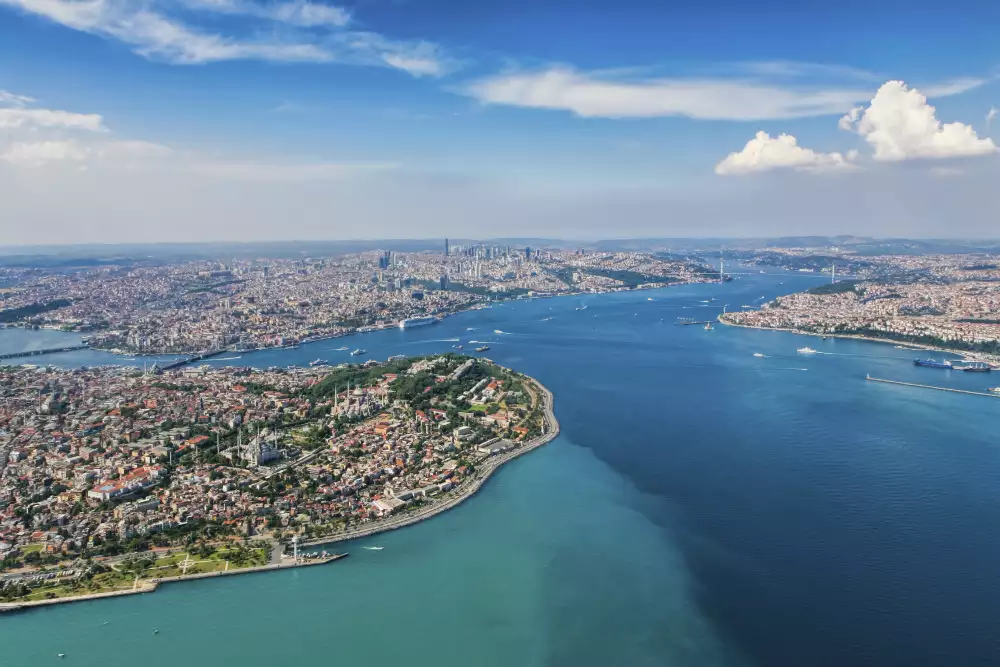
The question of “what city is located in two continents” immediately evokes a unique geographical marvel, and the answer is Istanbul. This magnificent metropolis, straddling the Bosphorus Strait, literally serves as the geographical and cultural bridge between Europe and Asia. Its European side, encompassing historical areas like Sultanahmet and Beyoğlu, and its Anatolian (Asian) side, home to bustling districts such as Kadıköy and Üsküdar, create a captivating duality that forms the very core of its global brand identity.
Istanbul’s biconcontinental status is not merely a geographic fact; it is a profound historical narrative that has shaped its essence for millennia. From its origins as Byzantium, through its grandeur as Constantinople, the capital of the Roman and Byzantine Empires, and finally its ascendancy as Istanbul, the heart of the Ottoman Empire, the city has always been a crucible where Eastern and Western influences converged, clashed, and co-existed. This rich tapestry of history, coupled with its strategic location, has forged a distinct brand personality for Istanbul – one that is defined by its unparalleled ability to synthesize diverse cultures, ideas, and traditions into a vibrant, singular urban experience.

This inherent duality provides Istanbul with an incredibly powerful and rare asset in the competitive landscape of global city branding. It’s a city that simultaneously embodies the ancient and the modern, the traditional and the avant-garde, the sacred and the secular. This complexity and richness are what make Istanbul an endlessly fascinating subject for tourism, investment, cultural exchange, and intellectual exploration, distinguishing it markedly from other major global cities. Its brand is not just about its physical location but about the profound implications of that location on its culture, commerce, and character.
Leveraging Geographic Uniqueness in City Branding
Istanbul’s unique position spanning two continents offers an unparalleled narrative foundation for its city branding efforts. This intrinsic differentiator is consistently highlighted to cultivate a strong and memorable image on the global stage. The city’s marketing strategy effectively harnesses this geographical reality to craft a brand story that resonates across various target audiences, from tourists and investors to cultural enthusiasts and expatriates.
The Narrative of “Two Worlds, One City”
The core of Istanbul’s brand narrative revolves around the concept of “two worlds, one city.” This potent phrase encapsulates the essence of its biconnectivity, positioning Istanbul as the ultimate meeting point of East and West. For tourism marketing, this translates into campaigns that emphasize the city as a gateway to exotic experiences while offering the familiarity and infrastructure of a major European hub. Visitors are invited to “cross continents for dinner,” or to “witness history unfold on two shores,” highlighting the ease with which one can transition between distinct cultural landscapes within a single metropolitan area. The Bosphorus itself, often referred to as a “liquid border,” becomes a central motif, symbolizing both the division and the seamless flow between these two worlds.
Culturally, Istanbul leverages its dual identity to foster dialogue and host international events that bridge cultural divides. The city frequently hosts film festivals, art biennials, music festivals, and conferences that draw participants and audiences from both Asian and European spheres, reinforcing its role as a global cultural crossroads. This cultural diplomacy strengthens Istanbul’s brand as a sophisticated, open, and dynamic city committed to fostering intercultural understanding and creativity. By consistently presenting itself as a harmonious blend of diverse influences, Istanbul enhances its reputation as an inclusive and welcoming destination for people from all walks of life.
Visual Identity and Symbolism
The visual identity of Istanbul’s brand strategy is deeply intertwined with its biconcontinental nature. Maps and stylized representations of the Bosphorus, often featuring iconic landmarks from both sides, are frequently used in promotional materials. Bridges—the Bosphorus Bridge, Fatih Sultan Mehmet Bridge, and Yavuz Sultan Selim Bridge—are powerful symbols in Istanbul’s branding. They represent connection, progress, and the physical manifestation of linking two vast landmasses. These architectural marvels are not just infrastructure; they are brand assets, symbolizing the city’s role as a vital nexus.
Logos and branding campaigns often incorporate elements that suggest movement, flow, and the merging of distinct entities. Color palettes may reflect both traditional Turkish motifs and contemporary urban aesthetics, symbolizing the fusion of history and modernity. Public art installations, urban design projects, and even local entrepreneurial ventures often draw inspiration from this dual identity, creating a cohesive visual language that reinforces Istanbul’s unique brand proposition. This consistent symbolic representation ensures that the message of “two continents, one city” is visually reinforced across all touchpoints, from municipal branding to private sector initiatives that seek to capitalize on the city’s distinct appeal.

Strategic Advantages for Global Positioning
Istanbul’s unique geographical placement bestows upon it significant strategic advantages, enabling it to carve out a distinctive niche in the global arena. These advantages extend beyond mere tourism, deeply influencing its capacity to attract investment, talent, and to shape international perceptions.
Attracting Investment and Talent
For businesses, Istanbul’s biconcontinental status represents more than just a novelty; it offers tangible economic benefits. The city acts as a critical strategic hub, providing unparalleled access to markets in both Europe, the Middle East, Central Asia, and North Africa. This unique positioning makes Istanbul an attractive proposition for multinational corporations seeking to establish regional headquarters or distribution centers that can efficiently serve diverse geographical regions. The logistical advantages, particularly in trade and transport, are immense, positioning Istanbul as a natural gateway for goods and services flowing between continents. Its developing financial infrastructure and a growing number of free zones further enhance its appeal for foreign direct investment.
Furthermore, Istanbul’s cosmopolitan nature, stemming directly from its dual identity, is a powerful draw for global talent. Professionals, entrepreneurs, and creatives are increasingly seeking cities that offer not only economic opportunity but also a rich cultural life and a high quality of living. Istanbul delivers on both fronts, providing a vibrant social scene, a diverse culinary landscape, and a blend of historical charm with modern amenities. The ability to live and work in a city that seamlessly bridges two continents offers a unique lifestyle proposition that few other cities can match, appealing to individuals who value cultural immersion and global connectivity. The city’s growing startup ecosystem also thrives on this blend, attracting innovative minds eager to tap into its diverse market access and talent pool.
Shaping International Perception
Beyond its economic and human capital appeal, Istanbul’s biconcontinental identity plays a crucial role in shaping its international perception. The city is often perceived as a nexus of geopolitical importance, a place where different civilizations have interacted for centuries. This historical depth and ongoing cultural dynamism lend Istanbul an aura of sophistication and global relevance that transcends mere geographical location. It’s seen not just as a city in Turkey, but as a critical global player that embodies a blend of traditions, modernity, and a forward-looking perspective.
This perception is reinforced through international forums, diplomatic engagements, and its active role in global organizations. Istanbul’s brand as a connector helps it navigate complex international relations, positioning it as a facilitator of dialogue and understanding between diverse cultures and political blocs. The narrative of a city that has managed to maintain its unique identity while embracing global trends contributes to an image of resilience, adaptability, and cultural richness. This carefully curated global image is vital for maintaining its soft power, attracting international partnerships, and influencing global discourse.
Challenges and Opportunities in Maintaining a Dual Identity Brand
While Istanbul’s biconcontinental identity is its greatest brand asset, it also presents a unique set of challenges alongside significant opportunities for further brand development. Effectively managing this dual identity requires strategic foresight and a nuanced understanding of its complex layers.
One primary challenge lies in ensuring a cohesive urban development and branding narrative across both the European and Asian sides. While the Bosphorus connects, it also separates. Maintaining a unified urban vision, particularly regarding infrastructure, public services, and cultural programming, requires significant coordination. Brand messaging must consistently reflect the holistic Istanbul experience, rather than inadvertently creating two distinct city brands. This involves investing equally in cultural initiatives, public spaces, and economic development on both shores to ensure that neither side feels neglected or peripheral to the core Istanbul brand.
Another challenge involves navigating the diverse cultural expectations and perceptions associated with “East” and “West.” While the brand often celebrates this blend, it also necessitates a delicate balance to avoid stereotypes or misrepresentations. The opportunity here lies in evolving the narrative beyond a simple East-meets-West dichotomy to a more sophisticated representation of Istanbul as a unique synthesis – a brand that stands on its own, transcending binary classifications. This means showcasing the innovative, modern, and forward-thinking aspects that are intrinsically woven into its ancient fabric, appealing to a global audience that values authenticity and progressive thinking.
The future-proofing of Istanbul’s brand in a rapidly changing global landscape presents another opportunity. As global cities compete for attention and investment, Istanbul can continue to distinguish itself by emphasizing its resilience, adaptability, and historical depth while simultaneously embracing technology, sustainability, and innovation. Highlighting its growing tech scene, its efforts in green urbanism, and its role as a hub for next-generation talent can further enhance its appeal. By continuously telling its story through fresh perspectives, and by investing in infrastructure and initiatives that reinforce its role as a global connector, Istanbul can solidify its position as one of the world’s truly indispensable and uniquely branded metropolises. The ongoing development of mega-projects, such as the Istanbul Airport, reinforces its status as a pivotal global transport and logistics hub, further strengthening its cross-continental brand promise.
aViewFromTheCave is a participant in the Amazon Services LLC Associates Program, an affiliate advertising program designed to provide a means for sites to earn advertising fees by advertising and linking to Amazon.com. Amazon, the Amazon logo, AmazonSupply, and the AmazonSupply logo are trademarks of Amazon.com, Inc. or its affiliates. As an Amazon Associate we earn affiliate commissions from qualifying purchases.