
The relationship between a resident and their state has undergone a radical shift over the last decade. Historically, citizenship was defined by geographical borders, physical documentation, and manual interactions with bureaucratic institutions. Today, we are witnessing the rise of the “Digital Citizen.” As technology permeates every facet of public life—from how we vote to how we access healthcare—understanding the technological landscape is no longer optional; it is a fundamental requirement for navigating the modern world.
This article explores the critical technological trends shaping the citizen experience, focusing on digital identity, smart city infrastructure, and the ethical implications of artificial intelligence in governance.

The Evolution of Digital Citizenship: More Than Just Connectivity
Digital citizenship was once a term used simply to describe the polite use of the internet. However, in the context of current technological trends, it has evolved into a comprehensive framework for how individuals interact with software, platforms, and digital governance systems.
Defining the Digital Citizen in the AI Era
At its core, a digital citizen is an individual who develops the skills and knowledge to effectively use the internet and other digital technologies to participate in society, politics, and the economy. In the era of Artificial Intelligence (AI), this definition has expanded. It now includes the ability to distinguish between AI-generated content and human discourse, understanding the algorithms that curate news feeds, and utilizing AI tools to enhance personal productivity and civic engagement.
The modern citizen must be “tech-literate” in a way that transcends basic computer skills. This involves a deep understanding of data footprints. Every interaction with a government portal, a transit app, or a public Wi-Fi network creates a data point. For the citizen, the challenge lies in balancing the convenience of these digital tools with the necessity of maintaining personal agency in an automated world.
The Shift from Consumer to Participant
We are moving away from a model where citizens are passive consumers of government technology. Instead, new software paradigms allow for active participation. Platforms for “Open Innovation” enable citizens to contribute to urban planning via 3D modeling software or provide real-time feedback on public services through mobile applications. This shift is powered by API (Application Programming Interface) integrations that allow different government branches to share data seamlessly, reducing the “bureaucratic friction” that has historically plagued the public sector.
Smart Cities and the Infrastructure of the Future
As urban populations grow, the integration of technology into the physical environment—often referred to as the “Smart City” movement—is becoming the standard. For citizens, this means living within a giant, interconnected ecosystem of gadgets, sensors, and data streams.
Data-Driven Governance and Public Services
Smart cities rely on the Internet of Things (IoT) to gather data on everything from traffic patterns to air quality. For the citizen, the most immediate impact is seen in the optimization of public services. Intelligent transportation systems use real-time data to adjust traffic light timings, reducing congestion and carbon emissions. Waste management sensors notify collection services only when bins are full, increasing efficiency.
From a technological standpoint, this requires a robust backend of cloud computing and edge computing. Edge computing, in particular, is vital; it allows data to be processed closer to where it is gathered (such as at a traffic sensor) rather than sending everything to a centralized server. This results in faster response times for critical services, such as emergency vehicle routing.
The Role of IoT in Enhancing Urban Life
Beyond utility, the IoT infrastructure provides citizens with unprecedented levels of information. Mobile apps connected to city grids can inform a resident of the exact noise levels in a neighborhood before they move there, or provide real-time alerts about the safety of local drinking water. However, the proliferation of sensors also raises significant questions about the “right to the city.” Citizens must stay informed about who owns this data—whether it is the municipality or a private tech contractor—and how that data is being leveraged for or against the public interest.
Digital Identity and Cybersecurity: Protecting the Modern Individual
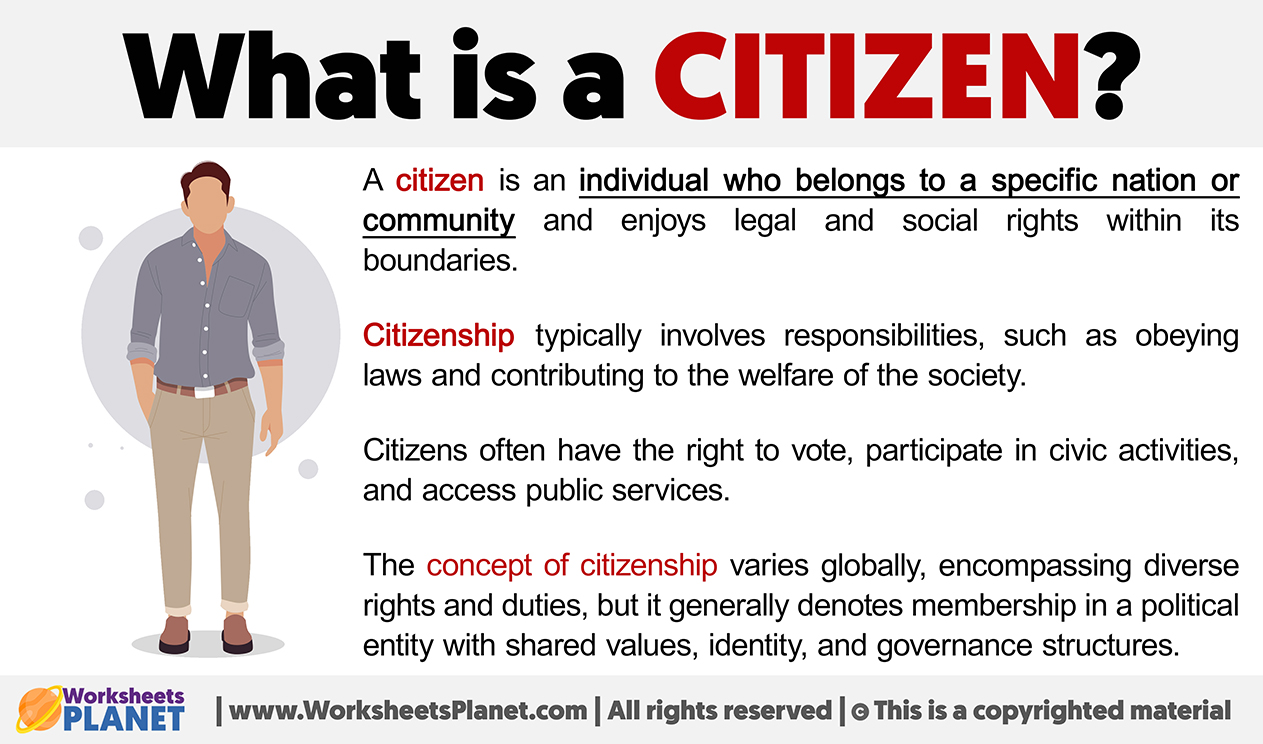
Perhaps the most significant technological development for citizens is the transition toward Digital Identity (ID) systems. As physical passports and ID cards become digitized, the security protocols protecting these assets become the front line of modern civil rights.
The Rise of Sovereign Digital IDs
Many nations are implementing digital ID frameworks that allow citizens to authenticate their identity for various services—banking, voting, and healthcare—using a single digital token or biometric signature. The goal is “Self-Sovereign Identity” (SSI), a tech concept where individuals have full control over their credentials without relying on a central authority to store all their private data.
SSI often utilizes blockchain technology to create a decentralized ledger of identity. For the citizen, this means you can prove you are over 18 or a resident of a specific city without revealing your birth date or home address. This “Zero-Knowledge Proof” technology is a cornerstone of future digital security, ensuring that privacy is “baked into” the code rather than added as an afterthought.
Navigating the Landscape of Personal Data Privacy
With digital identity comes the heightened risk of cyber threats. Citizens today are targets for sophisticated phishing attacks, identity theft, and data breaches. Understanding digital security tools is now a survival skill. This includes the use of hardware security keys (like YubiKeys), end-to-end encrypted communication channels (like Signal), and a sophisticated understanding of multi-factor authentication (MFA).
Moreover, citizens must be aware of the software vulnerabilities inherent in the “Internet of Everything.” A smart meter or a connected home security camera can serve as a gateway for hackers if not properly secured. Digital citizenship in this niche involves a proactive approach to firmware updates and a healthy skepticism of “free” software that monetizes personal information.
Emerging Tech: AI, Blockchain, and the Citizen Experience
The next frontier for the citizen involves the integration of high-level emerging technologies into the very fabric of law and social contracts.
Algorithmic Accountability in Public Policy
Governments are increasingly using AI algorithms to assist in decision-making, from determining eligibility for social benefits to predictive policing. For the citizen, the tech-focus here is on “Algorithmic Accountability.” If a piece of software denies a citizen a loan or a permit, that citizen has a right to know how the AI reached that conclusion.
This has led to the development of “Explainable AI” (XAI)—a branch of technology focused on making the “black box” of machine learning transparent. Citizens must advocate for policies where AI tools are audited for bias, ensuring that the software does not reinforce historical prejudices against certain demographics.
Decentralized Systems for Transparent Governance
Blockchain is often associated with cryptocurrency, but its most profound impact for citizens may be in “GovTech.” Decentralized ledgers offer a way to record land titles, voting records, and government spending in a way that is immutable and transparent. In a world where trust in institutions is often low, blockchain provides a technological “trust layer.” A citizen can verify that their vote was counted or that public funds were spent as allocated by checking a public, cryptographically secured ledger, reducing the potential for corruption.
Bridging the Digital Divide: Ensuring Equitable Tech Access
No discussion of what citizens need to know about technology is complete without addressing the “Digital Divide.” If technology is the gatekeeper to modern citizenship, then lack of access is a form of disenfranchisement.
Education and Literacy as Fundamental Rights
As software becomes the primary interface for civic life, digital literacy must be treated as a fundamental right. This goes beyond knowing how to use an app; it involves “Computational Thinking”—understanding how problems are solved using data and algorithms. Citizens who understand the logic of software are better equipped to challenge unfair systems and leverage tech tools to improve their communities.
Policy Frameworks for Inclusive Innovation
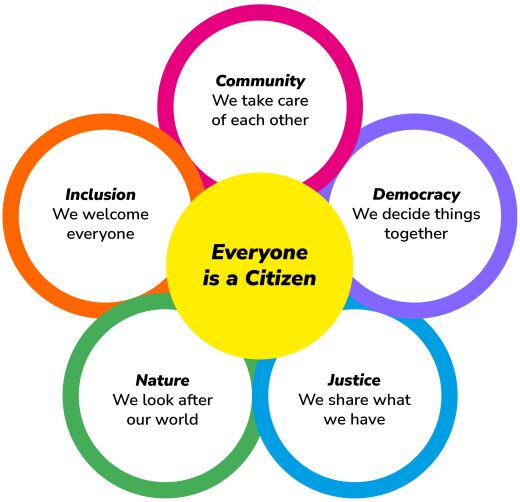
The tech industry and governments must work together to ensure that the rollout of 5G, fiber-optic internet, and AI tools does not leave behind rural or low-income populations. For the citizen, this means engaging with tech policy at a local level. Whether it is advocating for municipal broadband or supporting open-source software initiatives in schools, the goal is to ensure that the “Digital Republic” is inclusive by design.
In conclusion, the title “what citizens” implies a question of responsibility and awareness. In the 21st century, the answer lies in the mastery of the digital environment. By understanding the mechanics of smart cities, the security of digital identities, and the ethics of AI, citizens can transform from mere users of technology into empowered architects of a digital future. The tools are here; the next step is for every citizen to understand the code that governs their world.
aViewFromTheCave is a participant in the Amazon Services LLC Associates Program, an affiliate advertising program designed to provide a means for sites to earn advertising fees by advertising and linking to Amazon.com. Amazon, the Amazon logo, AmazonSupply, and the AmazonSupply logo are trademarks of Amazon.com, Inc. or its affiliates. As an Amazon Associate we earn affiliate commissions from qualifying purchases.