
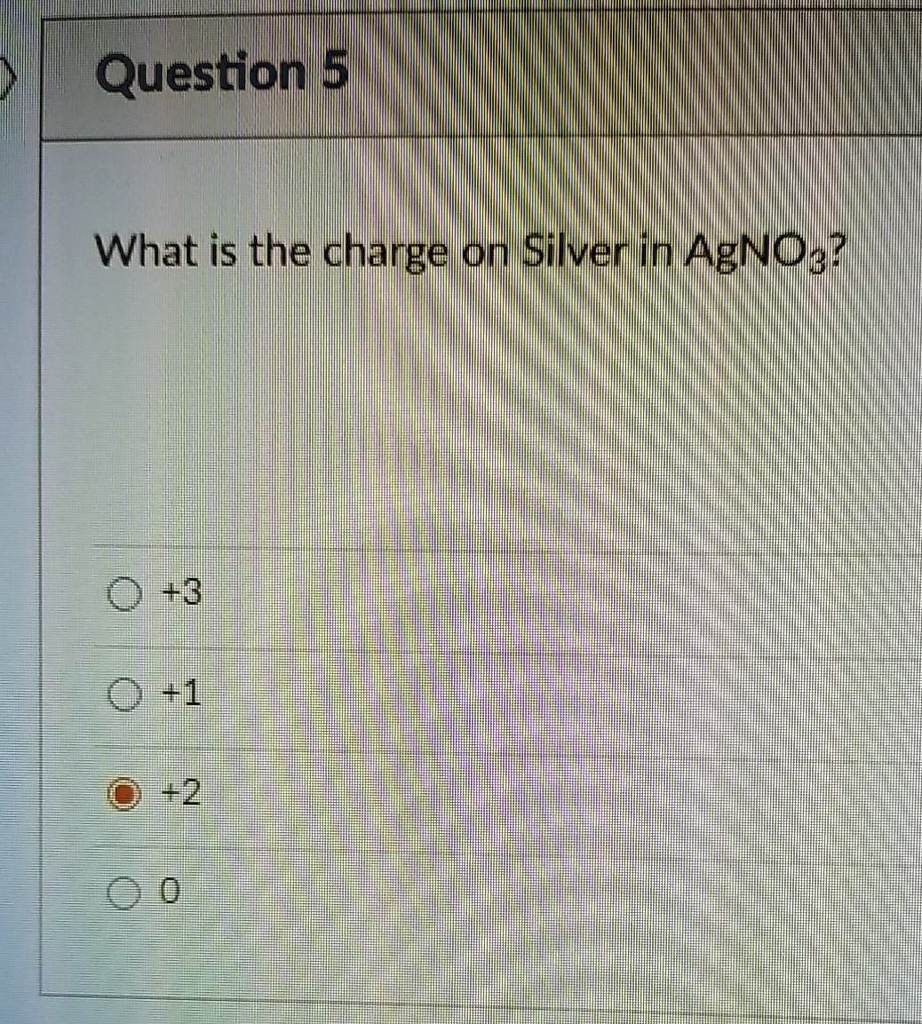
In the world of chemistry and physics, asking “what charge is silver” usually yields a straightforward answer: silver typically loses one electron to become a positively charged ion, denoted as Ag+. However, in the context of the global technology landscape, the “charge” of silver takes on a much more profound meaning. Silver is the most electrically and thermally conductive metal on the periodic table, making it an indispensable asset in the construction of everything from the smartphone in your pocket to the massive data centers powering the latest Artificial Intelligence (AI) models.

While gold often captures the headlines for its value and copper for its ubiquity, silver is the silent workhorse of the digital age. Its unique atomic structure allows for the most efficient movement of electrons, a property that is becoming increasingly critical as hardware shrinks and performance demands skyrocket. To understand the “charge” of silver is to understand the literal flow of information in our modern world.
Understanding the Atomic Power of Silver: The Science of Conductivity
To appreciate why silver is the gold standard for technological applications, one must first look at its atomic configuration. Silver occupies a unique position in the transition metals, characterized by a single electron in its outermost shell (the 5s orbital) that is loosely held.
The Ionic Nature of Silver (Ag+)
When silver enters into a chemical reaction or is used in certain electrochemical processes, it readily gives up that lone outer electron. This results in a silver ion with a +1 charge. This specific ionic state is what allows silver to be used in advanced processes like electroplating, where a thin layer of silver is “charged” and deposited onto other materials to enhance their conductivity. This +1 charge is the fundamental building block of silver-based chemistry, enabling the creation of conductive pastes and inks that are the lifeblood of modern circuit boards.
Why Silver Outperforms Gold and Copper in Electronics
In any technical discussion regarding hardware, the choice of material is a balance between performance, durability, and cost. While copper is the standard for household wiring due to its affordability, and gold is prized for its corrosion resistance in connectors, silver remains the undisputed champion of pure conductivity.
Silver has a lower electrical resistance than any other metal. In high-frequency applications, where “skin effect” (the tendency of an alternating electric current to become distributed within a conductor such that the current density is largest near the surface) becomes a factor, silver plating is often used to ensure maximum signal integrity. This low resistance means less energy is lost as heat, a critical factor in the development of high-performance gadgets and server hardware where thermal management is a constant struggle.
Silver in the Age of Nanotechnology and AI
As we move toward smaller, more powerful devices, the physical limitations of traditional materials are being tested. This is where the technological “charge” of silver moves into the realm of nanotechnology. Silver is no longer just used as bulk wire; it is being manipulated at the molecular level to facilitate the next generation of computing.
Nanoparticles and Conductive Inks
One of the most exciting trends in tech is the rise of printed electronics. By using silver nanoparticles suspended in conductive inks, manufacturers can literally “print” circuits onto flexible substrates like plastic, paper, or textiles. This is the technology behind the wearable tech revolution. Because silver maintains its high conductivity even at the nanoscale, it allows for the creation of ultra-thin, flexible sensors that can monitor health metrics in real-time. The Ag+ charge facilitates the stability of these inks, ensuring that the printed circuits remain functional even after thousands of bends and stretches.
Heat Dissipation in High-Performance Computing
The current AI boom is driven by GPUs and specialized chips that consume massive amounts of power and generate intense heat. Effective thermal management is the bottleneck of modern hardware design. Silver-filled thermal interface materials (TIMs) are increasingly used to bridge the gap between heat-producing components and their cooling systems. Because silver has the highest thermal conductivity of any metal, it “charges” the cooling process, moving heat away from sensitive transistors faster than copper or aluminum-based alternatives. This ensures that AI processors can run at peak clock speeds without thermal throttling.
The Green Tech Evolution: Silver’s Role in Renewable Energy
The global shift toward sustainable energy is essentially an electrical engineering challenge, and silver is at the heart of the solution. If we define “charge” as the capacity to generate and store power, silver is perhaps the most important metal in the green tech sector.
Photovoltaic Cells and Solar Power
The solar industry is currently one of the largest industrial consumers of silver. Every silicon solar cell utilizes silver paste to collect the electrons generated when sunlight hits the cell. These silver “fingers” and “busbars” are screen-printed onto the surface of the cell to carry the electrical charge into the grid. The efficiency of a solar panel is directly tied to the conductivity of these silver components. Recent technological advancements, such as TOPCon (Tunnel Oxide Passivated Contact) and HJT (Heterojunction) cells, require even more silver to achieve higher efficiency ratings, proving that the future of renewable energy is inextricably linked to this precious metal.
Electric Vehicle (EV) Infrastructure
The transition from internal combustion engines to electric vehicles is a massive transition in how we manage electrical charges. Silver is used extensively in EV battery management systems, power control units, and charging infrastructure. Silver-plated connectors are used throughout the vehicle to ensure high-voltage safety and reliability. Unlike traditional cars, EVs rely on thousands of micro-connections to manage the flow of electricity between the battery pack and the motor. Silver’s superior conductivity ensures that these connections do not overheat, maintaining the safety and longevity of the vehicle’s electrical system.
Digital Security and Hardware-Based Trust
In an era where digital security is paramount, the physical properties of the hardware itself provide a layer of protection. Silver plays a surprising role in maintaining the “charge” of security and signal integrity in sensitive environments.
Silver-Coated Shielding and Signal Integrity
As 5G and 6G networks push into higher frequency bands, electromagnetic interference (EMI) becomes a major threat to data integrity. Silver-coated gaskets, foils, and coatings are used to “shield” sensitive components from external electronic noise. This shielding ensures that the “charge” of the data signal remains pure and uncorrupted. In the world of aerospace and defense tech, silver-plated wiring is the standard for mission-critical systems where a single dropped packet of data due to interference could have catastrophic consequences.
Quantum Computing and Material Purity
Looking toward the future, quantum computing represents the next frontier of tech. These systems operate at temperatures near absolute zero, where the electrical properties of materials change drastically. Researchers are investigating silver’s behavior in superconducting circuits and as a substrate for quantum bits (qubits). The purity of the silver used is paramount; even slight impurities can disrupt the delicate quantum state. Here, the “charge” of silver is being refined to its most fundamental level, helping scientists unlock computing speeds that were previously thought impossible.

The Future: A Tech World Powered by Silver
When we analyze the question “what charge is silver,” we find that the answer extends far beyond the periodic table. Silver is the conductive thread that ties the various sectors of modern technology together. From the Ag+ ions that enable printed sensors to the massive silver-laden busbars in solar farms, this metal is the literal current flowing through our digital civilization.
As we continue to push the boundaries of what is possible—whether through AI, space exploration, or renewable energy—our reliance on silver will only grow. The tech industry is constantly searching for alternatives to lower costs, yet silver remains irreplaceable because of its physics. No other material can carry a charge quite like it. In the high-stakes world of technology, where efficiency is the ultimate currency, silver remains the most valuable asset in the circuit.
The “charge” of silver is not just a chemical state; it is a catalyst for innovation. As we look forward, the continued integration of silver into nanotechnology and high-performance computing suggests that the silver age of technology is only just beginning. Understanding this metal’s role is essential for any technologist, investor, or enthusiast looking to comprehend the physical infrastructure of our digital future.
aViewFromTheCave is a participant in the Amazon Services LLC Associates Program, an affiliate advertising program designed to provide a means for sites to earn advertising fees by advertising and linking to Amazon.com. Amazon, the Amazon logo, AmazonSupply, and the AmazonSupply logo are trademarks of Amazon.com, Inc. or its affiliates. As an Amazon Associate we earn affiliate commissions from qualifying purchases.