
The Electrochemical Foundation of Future Tech: Understanding Sodium’s Ionic Charge
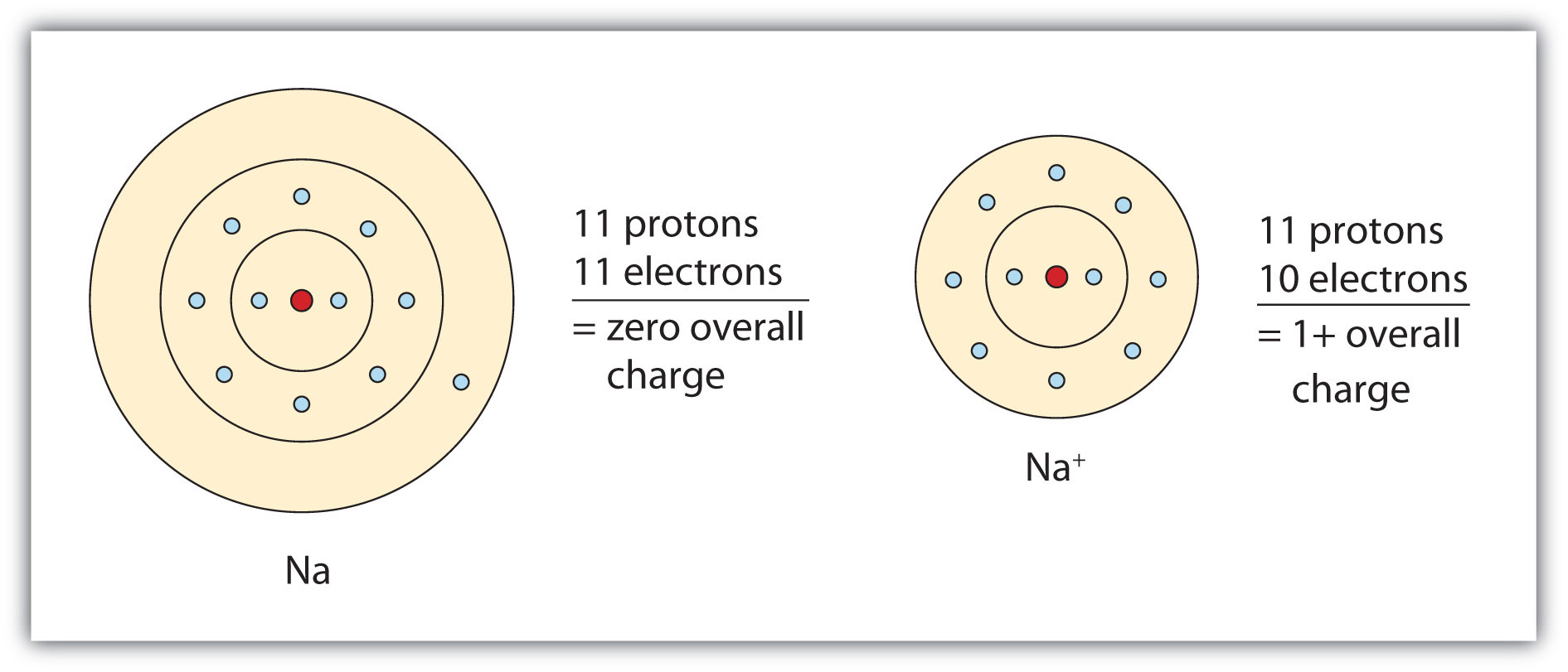
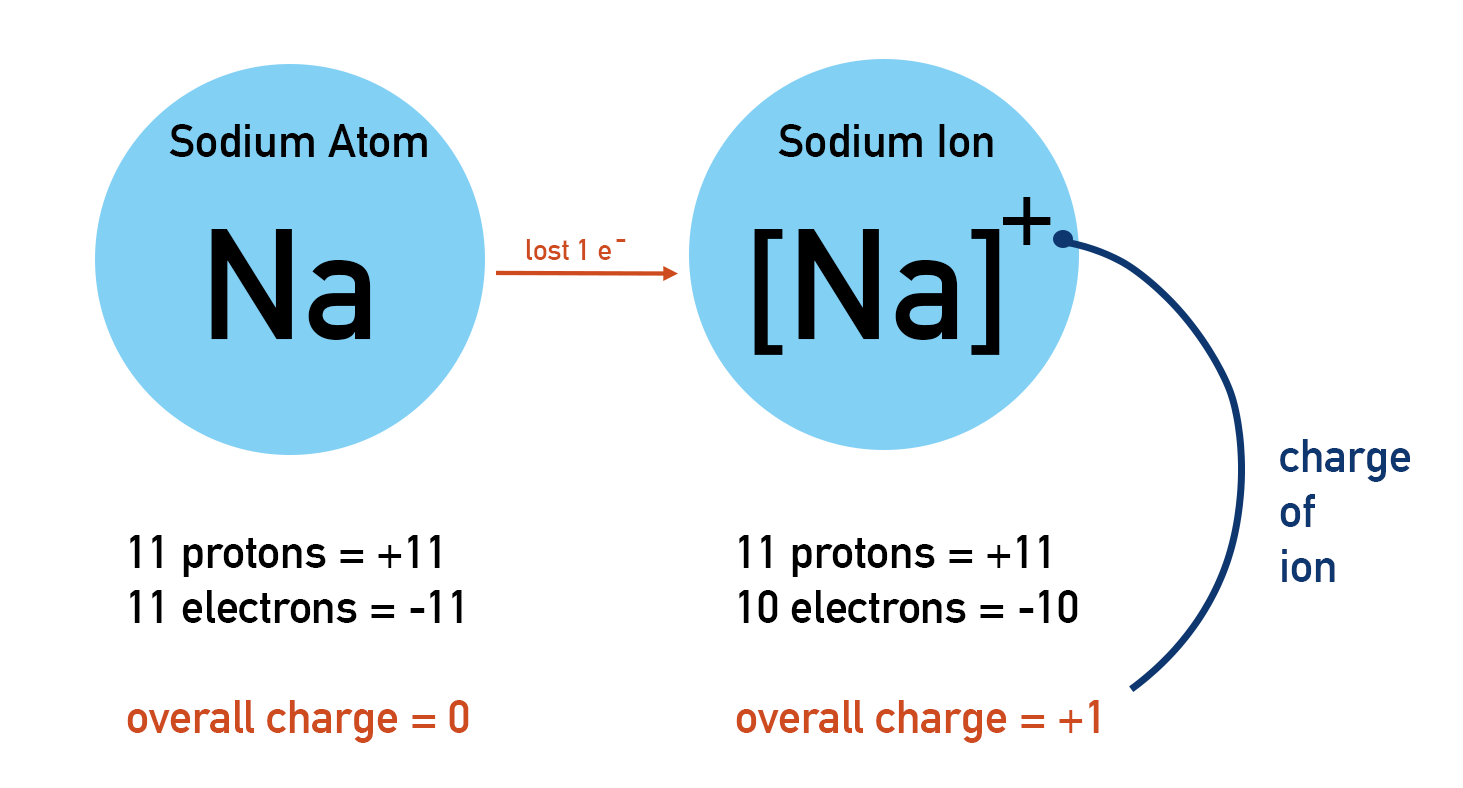
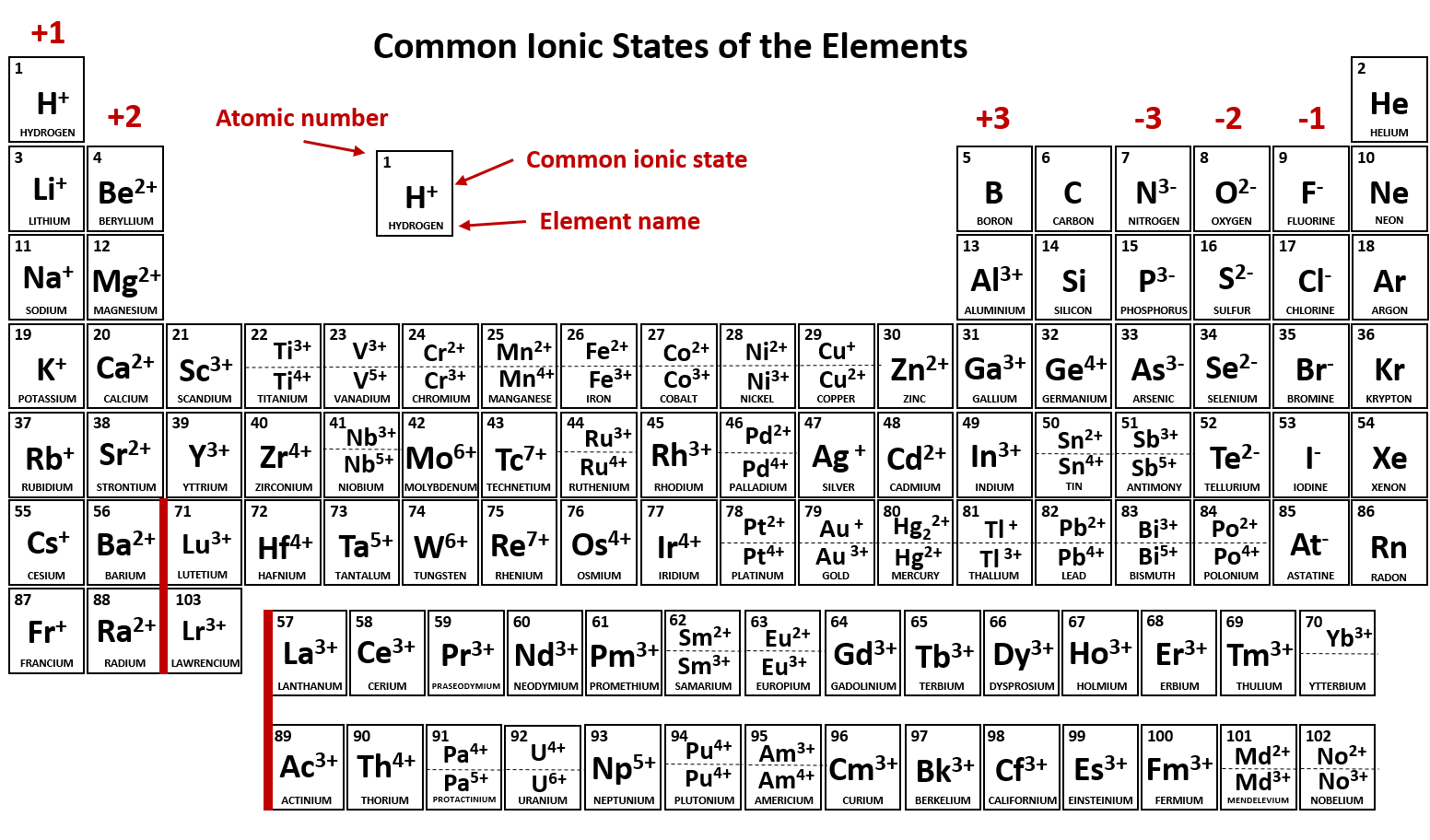
Sodium, a ubiquitous element found in everything from table salt to the human body, carries a fundamental electrical charge that underpins its widespread utility, particularly in emerging technological applications. At its core, sodium exists as an ion with a +1 charge. This characteristic isn’t merely an arcane detail of chemistry; it is the lynchpin for understanding how sodium functions in critical technological advancements, most notably in the rapidly evolving field of energy storage.
From a technological perspective, the +1 charge of a sodium ion (Na+) signifies its inherent desire to donate one electron to achieve a stable electronic configuration. As an alkali metal, sodium is highly reactive, possessing a single electron in its outermost shell. When it loses this electron, it transforms into a cation—a positively charged ion—because it now has one more proton in its nucleus than it has electrons orbiting it. This electron-donating propensity and its subsequent ionic form are precisely what makes sodium an intriguing candidate for facilitating electrical current flow in electrochemical systems. The ability to readily give up an electron and then re-accept one makes it an excellent charge carrier, essential for the reversible processes that define battery technology. Understanding this basic electrochemical profile is the first step in appreciating sodium’s potential to shape future energy landscapes and digital infrastructure.
Powering the Next Generation: Sodium-Ion Batteries as a Tech Trend
The inherent +1 charge of the sodium ion isn’t just a chemical curiosity; it’s the very basis for the current technological trend of sodium-ion batteries (SIBs). As the world grapples with the increasing demand for sustainable and affordable energy storage solutions, SIBs are emerging as a compelling alternative to the prevailing lithium-ion technology. The foundational principle for both lithium and sodium batteries relies on the movement of these positively charged ions between electrodes to store and release electrical energy.
Bridging the Gap: From Lithium to Sodium
For decades, lithium-ion batteries have dominated the portable electronics market and are the current standard for electric vehicles (EVs) and grid-scale storage. However, concerns about lithium’s supply chain, geographic concentration, environmental impact of mining, and escalating costs have spurred extensive research into viable alternatives. This is where sodium steps in. Given its position directly below lithium in the periodic table, sodium shares similar electrochemical properties, including its propensity to form a +1 ion. This similarity allows researchers to adapt many of the fundamental designs and operating principles from lithium-ion systems to sodium-ion chemistry, making the transition a significant technological pathway rather than a complete reinvention. The key lies in leveraging sodium’s ionic charge to perform the same function—intercalating into electrode materials—but with a more abundant and geographically dispersed element.
Operational Principles: How Sodium Cations Drive Energy Storage
In a sodium-ion battery, the Na+ ions (carrying that crucial +1 charge) are the primary charge carriers. During discharge, these ions de-intercalate from the anode (negative electrode), travel through an electrolyte, and intercalate into the cathode (positive electrode), while electrons simultaneously flow through an external circuit, providing power. During charging, the reverse process occurs. The efficiency and reversibility of this movement are directly tied to the sodium ion’s stable +1 charge. Unlike multi-valent ions, which can present more complex electrochemical reactions, the single positive charge of sodium ensures a relatively straightforward and predictable charge-discharge mechanism. This simplicity, combined with ongoing advancements in electrolyte and electrode materials optimized for sodium’s slightly larger atomic radius compared to lithium, is paving the way for commercially viable and robust SIB technologies. The entire operation—from charging your smartphone to stabilizing a national power grid—hinges on the controlled migration of these fundamental +1 charged particles.
Strategic Advantages and Development Hurdles in Sodium-Ion Technology
The pivot towards sodium-ion batteries is driven by significant strategic advantages, primarily concerning resource availability and cost. However, the technology is not without its development hurdles, which represent active areas of research and innovation within the tech sector.
Cost-Effectiveness and Abundance: A Sustainable Edge
Perhaps the most compelling technological advantage of sodium-ion batteries lies in the incredible abundance of sodium. Unlike lithium, which is concentrated in a few regions globally, sodium is readily available across the planet, primarily extracted from seawater or common salt deposits. This widespread availability translates directly into lower material costs and a significantly more stable and secure supply chain. For tech companies relying on large-scale battery production, reducing reliance on geographically constrained and volatile commodities like lithium, cobalt, and nickel (often used in lithium-ion cathodes) is a major strategic imperative. The shift to sodium-ion technology could democratize energy storage, making advanced battery solutions more accessible and affordable, thereby accelerating the adoption of renewable energy and electric mobility worldwide. This economic advantage, rooted in basic elemental chemistry, positions SIBs as a cornerstone for sustainable technological growth.
Addressing Performance and Longevity Challenges
Despite the advantages, sodium-ion technology faces challenges that engineers and material scientists are actively addressing. One primary concern is energy density. Sodium ions are larger and heavier than lithium ions, which can lead to slightly lower gravimetric and volumetric energy densities in current SIB designs. This means for the same weight or volume, an SIB might store less energy than a comparable lithium-ion battery. This is a critical factor for applications where space and weight are paramount, such as portable gadgets or long-range electric vehicles.
Another hurdle involves cycle life and longevity. Repeated intercalation and de-intercalation of sodium ions can, in some electrode materials, lead to greater structural degradation over time compared to lithium. This can reduce the number of charge-discharge cycles a battery can endure before its capacity significantly degrades. Researchers are tackling these issues through innovative material science, developing new electrode materials (e.g., hard carbons, Prussian blue analogs, layered oxides) and optimized electrolytes that better accommodate the sodium ion’s movement and minimize electrode stress. Advances in cell design, thermal management, and battery management systems are also crucial for overcoming these performance and longevity barriers, pushing SIBs closer to parity with or even superiority over lithium-ion in specific applications.
Diverse Applications and Market Impact of Sodium-Ion Solutions
The ongoing advancements in sodium-ion battery technology, driven by a deep understanding of sodium’s +1 charge and its electrochemical behavior, are poised to open up a wide array of applications across various tech sectors, moving beyond the traditional consumer electronics sphere.
Grid-Scale Energy Storage: Stabilizing Renewable Grids
One of the most impactful applications for sodium-ion batteries is in grid-scale energy storage. The intermittent nature of renewable energy sources like solar and wind power necessitates robust and cost-effective solutions for storing excess energy and discharging it during peak demand or when generation is low. Sodium-ion batteries, with their lower material costs, abundant resources, and safety profiles (some chemistries are less prone to thermal runaway than certain lithium-ion variants), are exceptionally well-suited for this role. Their ability to deliver large amounts of power over extended periods at a competitive price point makes them ideal for buffering renewable energy, improving grid stability, and reducing reliance on fossil fuel peaker plants. This tech trend represents a significant step towards a decarbonized and resilient energy infrastructure.
Electric Vehicles and Beyond: Expanding Mobility Horizons
While lithium-ion batteries currently dominate the EV market, sodium-ion technology is increasingly being explored for specific segments. For short- to medium-range electric vehicles, urban delivery fleets, or two-wheelers, the slightly lower energy density of current SIBs may be less critical than their cost advantage and thermal stability. Automakers are already piloting SIBs in entry-level EV models, hinting at a future where sodium-ion technology complements lithium-ion, offering a diverse portfolio of battery solutions tailored to different vehicle performance and price points. Beyond traditional vehicles, SIBs could also find niches in electric marine vessels, airport ground support equipment, and other heavy-duty applications where robustness and cost are prioritized.
Secure and Decentralized Power: Implications for Digital Infrastructure
The reliability and cost-effectiveness of sodium-ion batteries also have significant implications for digital infrastructure. Data centers, telecommunication towers, and edge computing facilities require constant, reliable power. Uninterruptible Power Supply (UPS) systems are critical for maintaining operations during grid outages, ensuring digital security and continuity of services. Sodium-ion batteries, with their inherent safety features and potential for long cycle life in stationary applications, offer a compelling alternative for UPS systems, potentially reducing operational costs and enhancing energy independence. Furthermore, in remote areas where grid access is limited, decentralized power solutions leveraging SIBs could enable broader deployment of digital services, supporting everything from IoT networks to rural connectivity.
Innovating for Tomorrow: The Road Ahead for Sodium-Ion Research
The future of sodium-ion technology is dynamic, characterized by intense research and development aimed at maximizing performance and accelerating commercialization. The core understanding of sodium’s +1 charge continues to guide these innovations, focusing on optimizing how this ion interacts within battery components.
Advancements in Electrode Materials and Electrolytes
A major thrust of current research centers on developing advanced electrode materials and electrolytes. Scientists are exploring novel anode materials, such as optimized hard carbons and new alloy designs, to improve sodium storage capacity and cycling stability. For cathodes, the focus is on developing high-performance layered oxides, polyanionic compounds, and Prussian blue analogs that can efficiently intercalate and de-intercalate sodium ions with high energy density and long cycle life. Electrolyte research is critical for ensuring the safe and efficient transport of Na+ ions, with efforts geared towards solid-state electrolytes that promise enhanced safety and even higher energy densities. These material science breakthroughs are essential for pushing SIB performance to compete with and, in some areas, surpass lithium-ion capabilities.
The Path to Commercialization and Global Adoption
The path to widespread commercialization for sodium-ion batteries is gaining momentum. Several companies globally are already manufacturing SIBs for various applications, ranging from grid storage to EVs. Scaling up production, standardizing cell designs, and refining manufacturing processes are key steps in making this technology ubiquitous. The strategic importance of diversifying battery supply chains and reducing dependence on critical materials like lithium means that investment and innovation in sodium-ion technology will continue to accelerate. As research continues to enhance energy density, cycle life, and charging speeds, while maintaining the inherent cost advantages and material abundance, sodium-ion batteries are poised to play a transformative role in the global energy transition and the broader technological landscape, cementing their status as a crucial innovation for the coming decades.
aViewFromTheCave is a participant in the Amazon Services LLC Associates Program, an affiliate advertising program designed to provide a means for sites to earn advertising fees by advertising and linking to Amazon.com. Amazon, the Amazon logo, AmazonSupply, and the AmazonSupply logo are trademarks of Amazon.com, Inc. or its affiliates. As an Amazon Associate we earn affiliate commissions from qualifying purchases.